

We spent 7 days roaming Moldova, Romania and Qatar. Here is a day by day itinerary.
Day 1: Wednesday, September 24 — Arrival in Moldova
This was mostly a travel day as we made our way from Yerevan, Armenia, to Chișinău, Moldova — two small nations, both shaped by complex Soviet histories but with very different cultures and identities. (Read my blog on Azerbaijan, Georgia, Armenia)
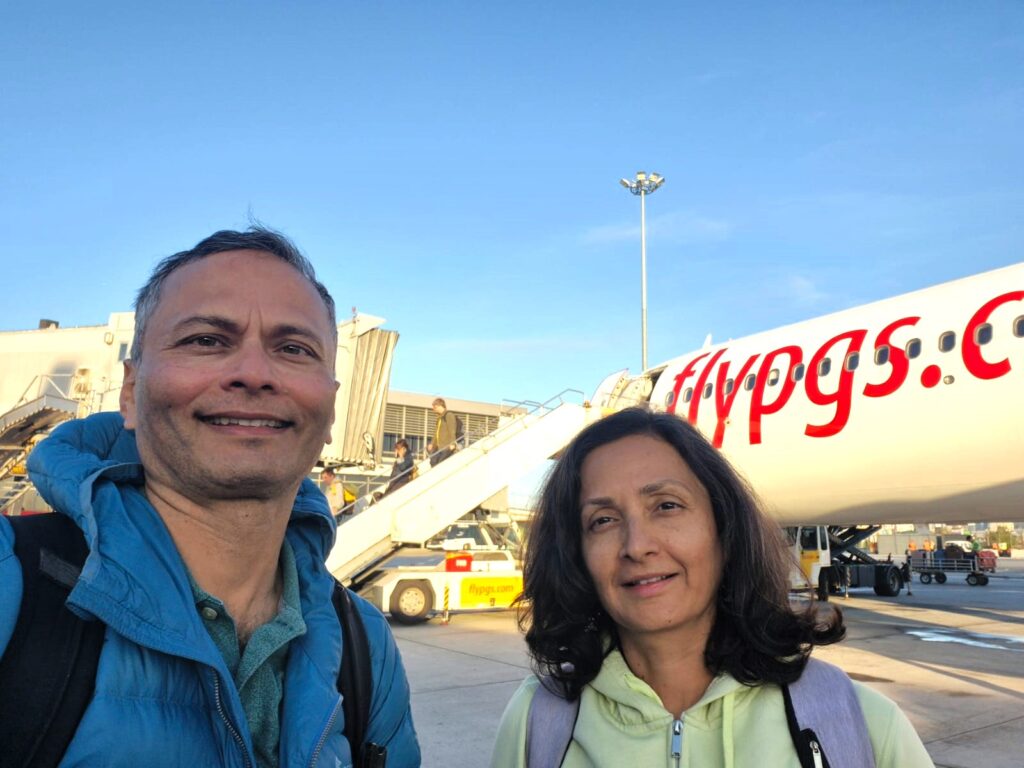
Our flight from Yerevan took off early in the morning, at 6:00 am, bound for Istanbul’s Sabiha Gökçen Airport, the smaller of the city’s two main airports. We found a quiet corner in the airport lounge, where we had time to rest, read, and watch travelers stream past — the familiar rhythm of transit life.
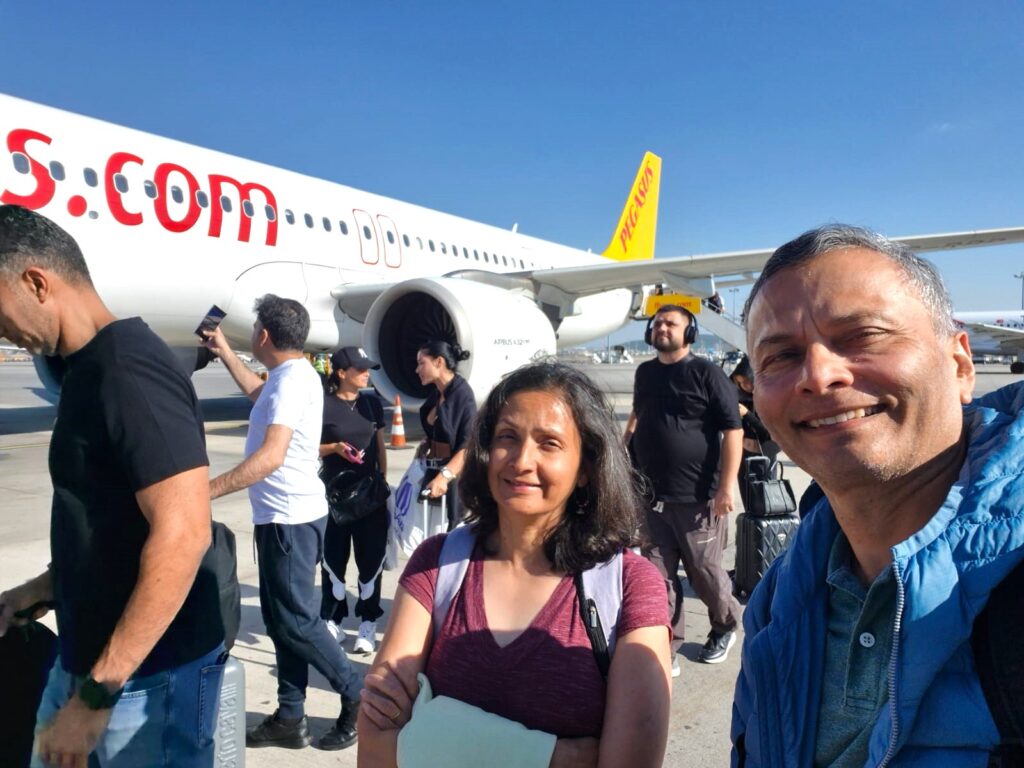
Our connecting flight from Istanbul to Chișinău (Moldova) departed around 4:00 pm, and we landed at Chișinău International Airport at 5:40 pm.
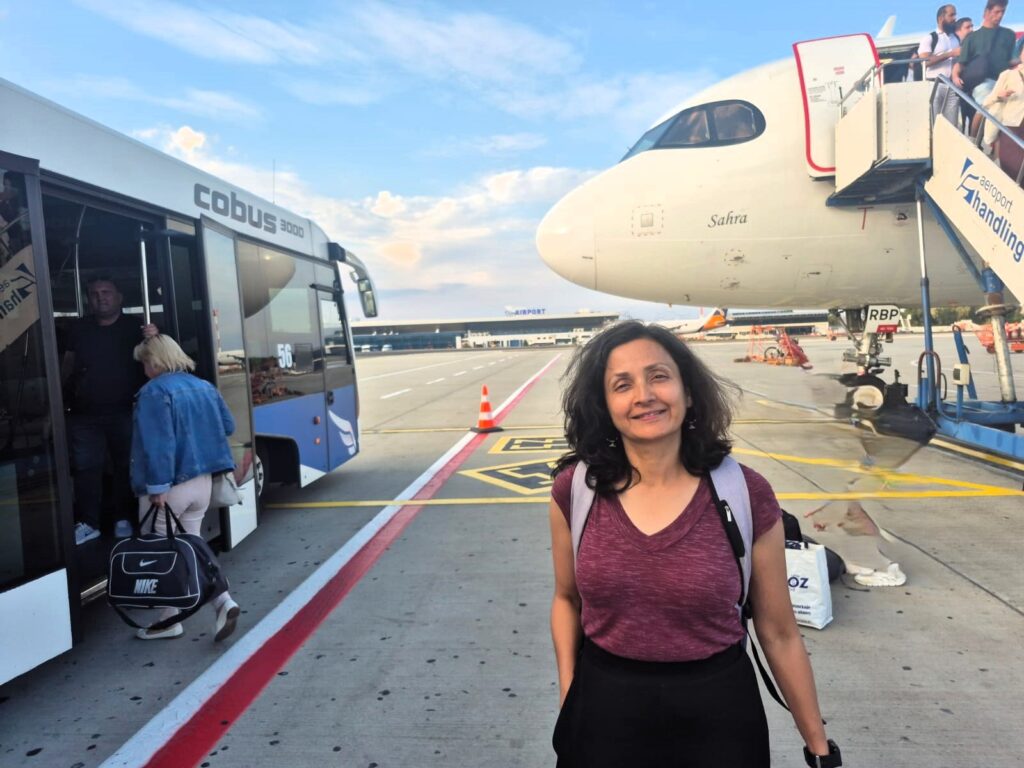
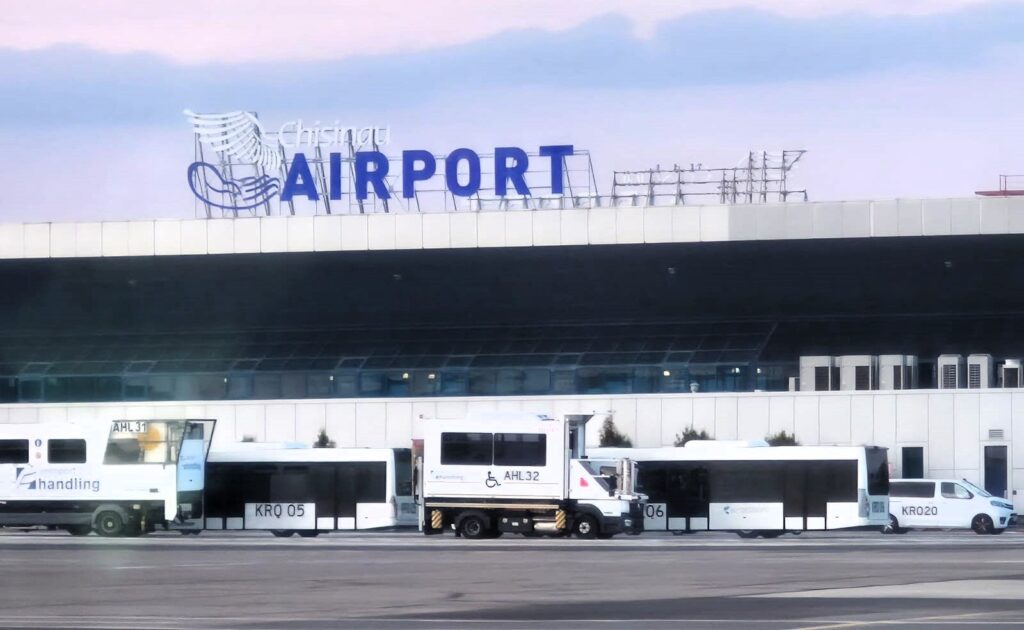
The airport was small and quiet, a contrast to the bustle of Istanbul.
We booked a Yandex taxi, and within an hour reached our Airbnb on Avenue Ștefan cel Mare, the main avenue that runs through the heart of the Moldovan capital.
Our apartment was a typical “Stalinsky”-style Soviet building — solid, slightly austere from the outside, but surprisingly cosy and well-equipped inside.
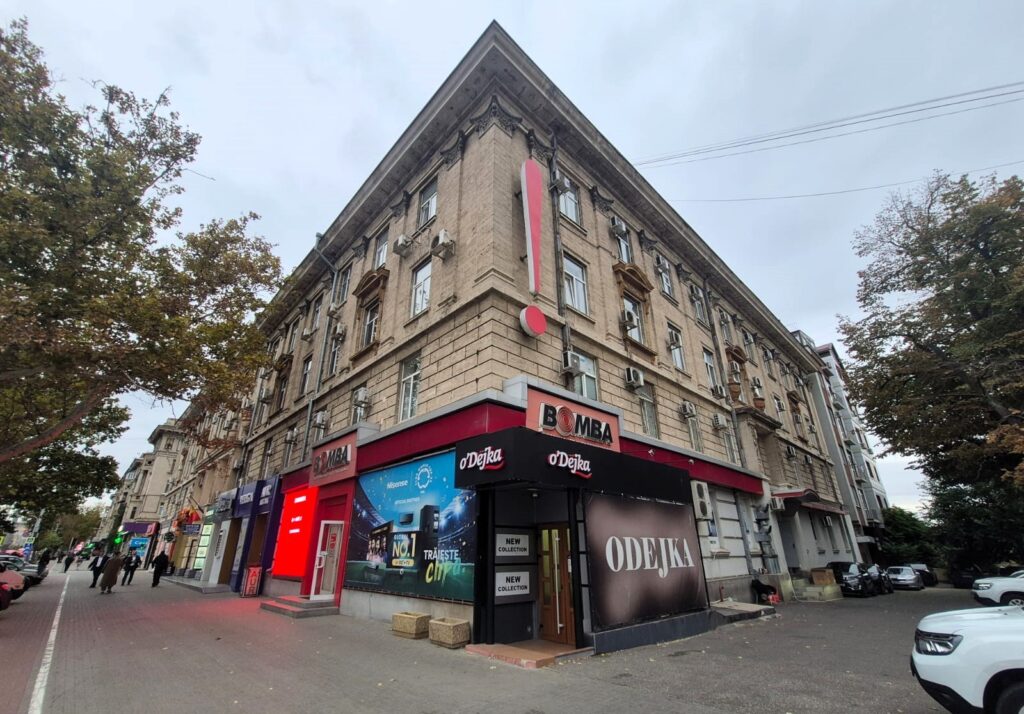
The owner had clearly taken care to make it comfortable. Moldova’s Soviet-era architecture gives an immediate sense of its past: wide boulevards, tall concrete blocks, and statues of long-forgotten heroes.
Moldova is a very interesting country. It is ethnically connected to Romania. The region is called Besarabia. In 1940, Soviet Union annexed Besarabia and formed the Moldovan Soviet Socialist Republic. In 1991, when Moldova declared independence from Soviet Union, they formed a separate country due to the natural boundary of the Moldovan SSR. Moldovans speak Romanian and Russian, very few people speak English.
However, they have a region in the north called Transnistria, they wanted to form their own republic due to fears that Moldova may merge with Romania. That region is still disputed and about 1,500 Russian soldiers still patrol the region of Transnistria. This is kind of like India’s Kashmir situation, though not exactly the same. However, a lot of people travel to Transnistria for tourism, but we decided to skip it.
Day 2: Thursday, September 25 — Exploring Chișinău, Moldova
We started the day early at 8 a.m., setting out to explore Chișinău, the capital of Moldova. The city may not have the glamour of Western Europe, but it has its own quiet charm — broad boulevards, green parks, and a blend of Soviet, Romanian, and modern European influences.
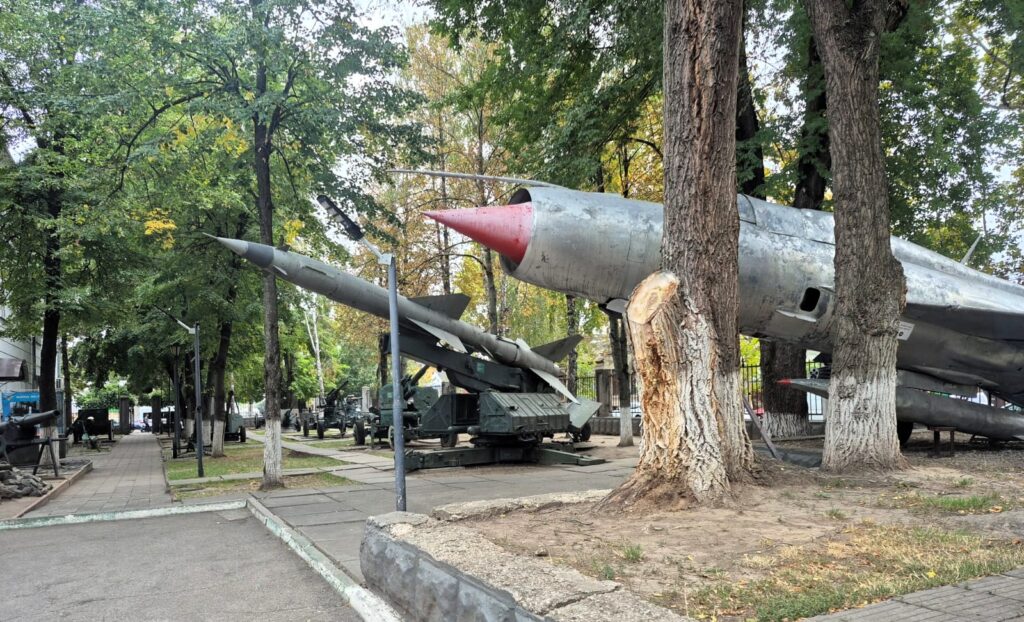
Our first stop was the Military History Museum, which turned out to be an unexpectedly impressive visit. The entry fee was just 10 Moldovan lei (about 60 cents), and the exhibits covered the entire arc of Moldova’s military past — from World War II and the Soviet period to the brief but significant 1992 Transnistrian conflict.
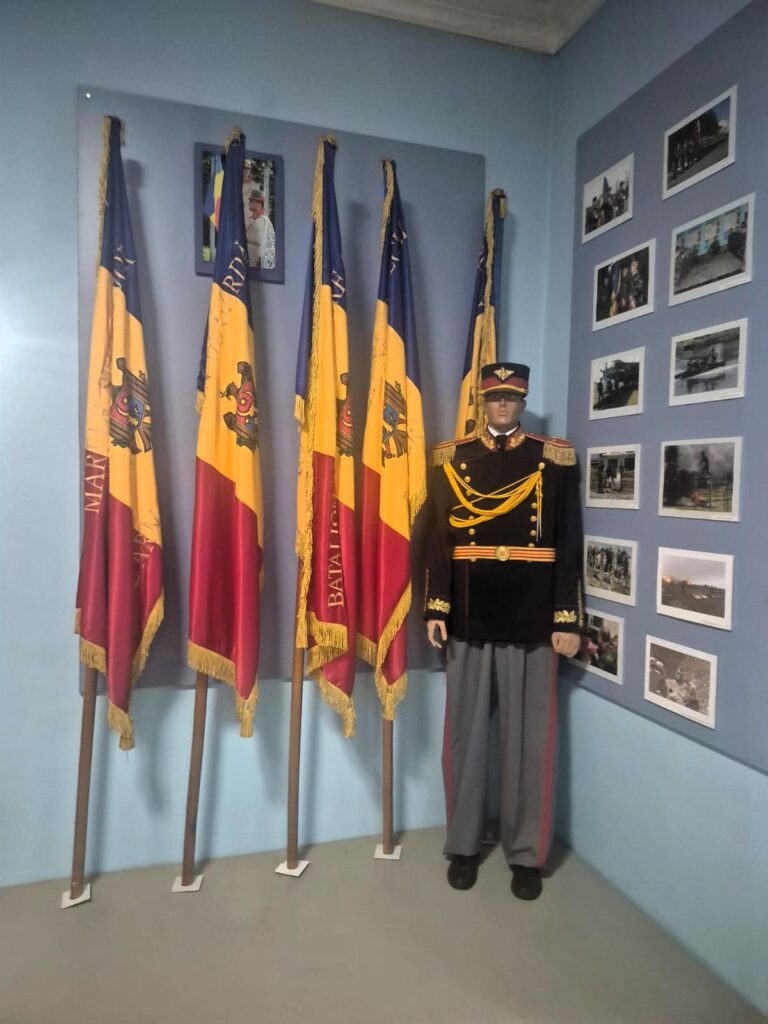
Each section reflected the country’s complicated identity: a young nation still defining itself, yet shaped by centuries of external control.
Today, Moldova is consciously distancing itself from its Soviet past, seeking closer ties with the European Union and NATO. That tension — between East and West — runs quietly through everything in the country, from its architecture to its politics.
After the museum, we stopped for breakfast at Garnier Café, one of the many cozy coffee shops scattered throughout Chișinău.
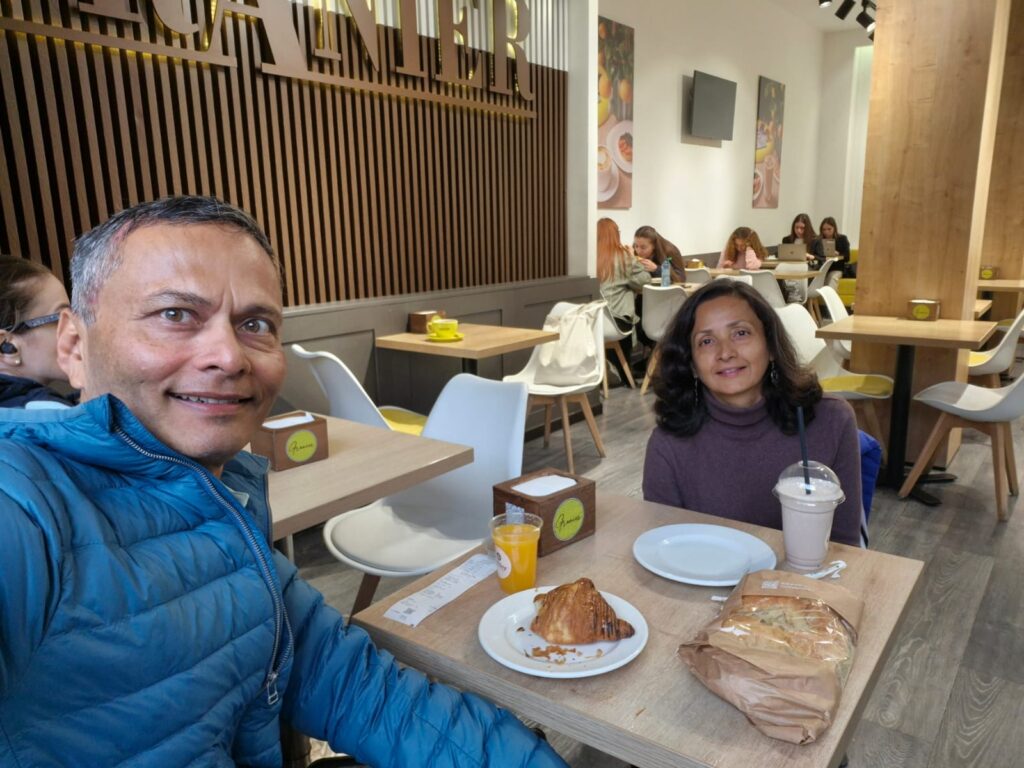
The city has a strong café culture, perhaps inherited from its Romanian roots, and locals seem to take their time over a cup of coffee and conversation.
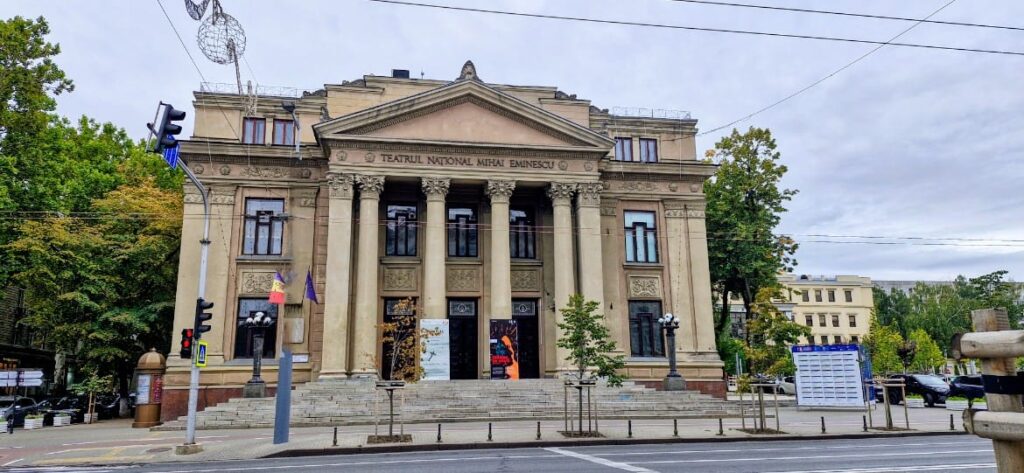
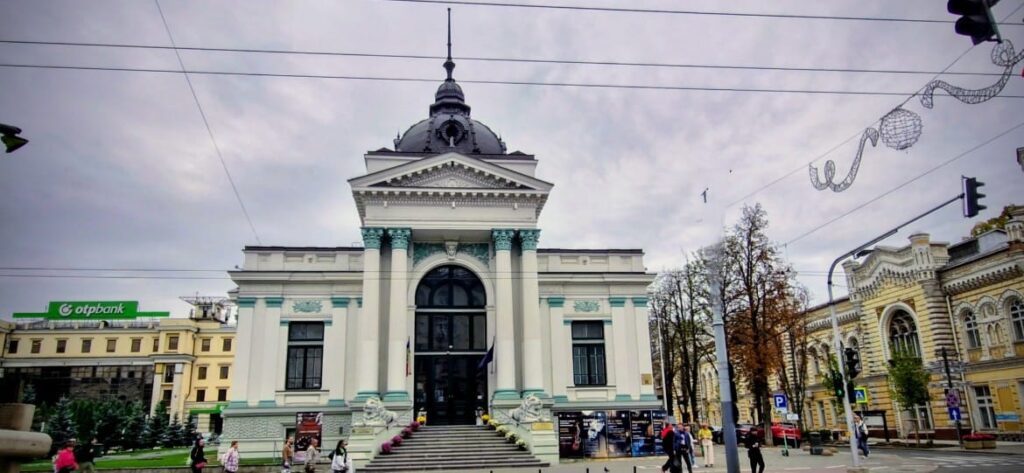
We then walked along Avenue Ștefan cel Mare, the city’s main artery, which is lined with theatres, government buildings, and leafy parks. We passed the Mihai Eminescu National Theatre, named after the 19th-century Moldovan poet who is considered one of the most influential literary figures in the Romanian-speaking world. Next to it stood the Organ Hall, an elegant concert venue known for its acoustics and classical performances.
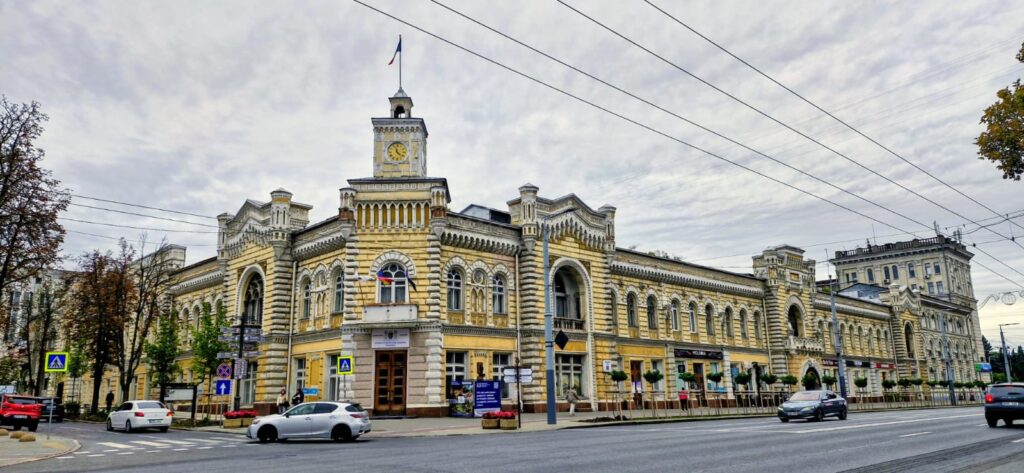
Not far ahead was Chișinău City Hall, a striking building with Neo-Gothic and Italian Renaissance details — one of the prettiest in the city.
We continued to Cathedral Park, the green heart of Chișinău. Cathedral Park, located in the very heart of Chișinău, is the city’s main public square and a popular gathering spot for locals.
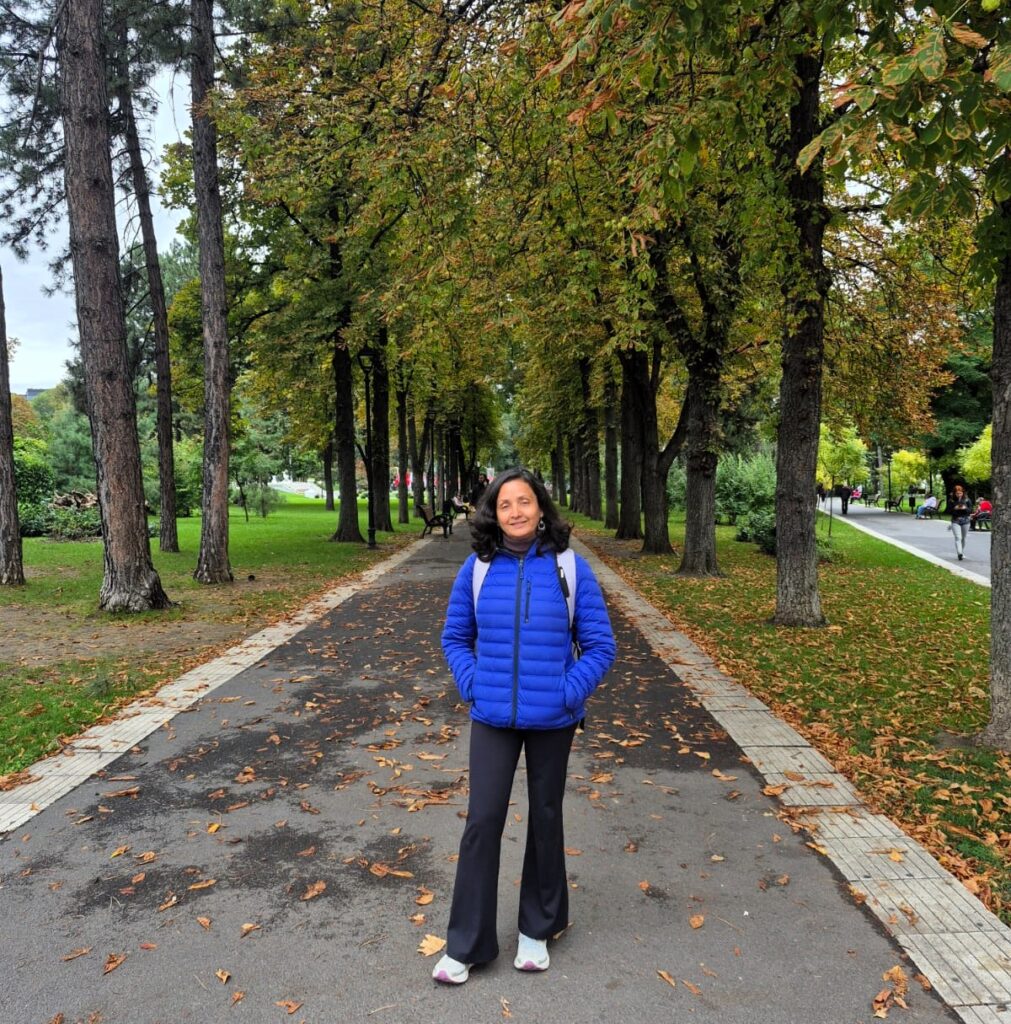
It was laid out in the early 19th century when the city was part of the Russian Empire. At its center stands the Cathedral of Christ’s Nativity, the spiritual heart of the Moldovan Orthodox Church, while the Triumphal Arch marks its western edge.
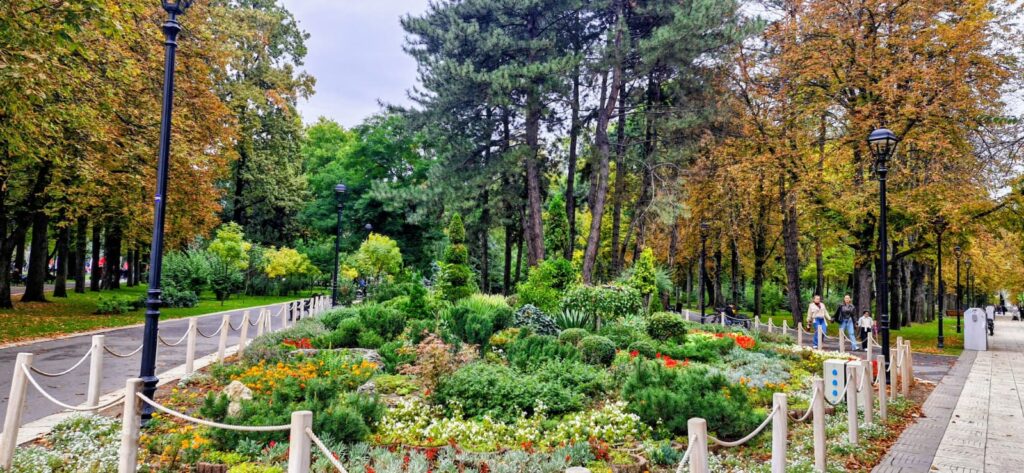
The park is shaded by mature trees and dotted with benches and fountains, offering a peaceful escape from the traffic of Stefan cel Mare Avenue. It’s one of those places that reveals the city’s rhythm — slow, calm, and deeply rooted in local life.
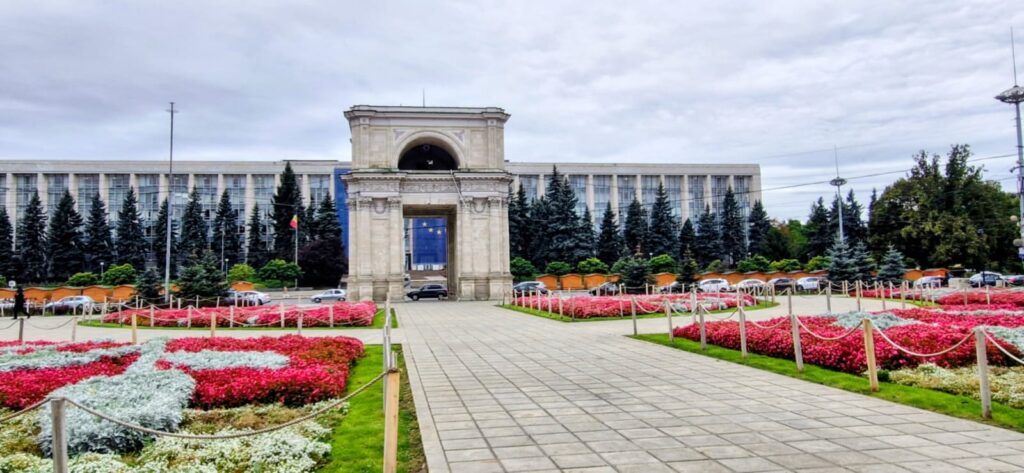
The Triumphal Arch was built in 1840 by architect Luka Zauschevic, commemorating the victory of the Russian Empire over the Ottoman Empire in the Russo–Turkish War of 1828–29. It’s not large by European standards, but its white stone stands out against the surrounding greenery, and it marks a defining moment in Moldova’s history, when the region was firmly under Russian control.
The structure, sometimes called the Holy Gate, was designed in neoclassical style and originally housed a large bell cast from melted-down Ottoman cannons captured in the war. For much of the 19th century, the bell was rung on major imperial holidays. The arch faces the Cathedral of Christ’s Nativity, symbolically linking the Russian victory with the Orthodox Church — a reminder of how politics and faith were intertwined in Bessarabia under Tsarist rule.
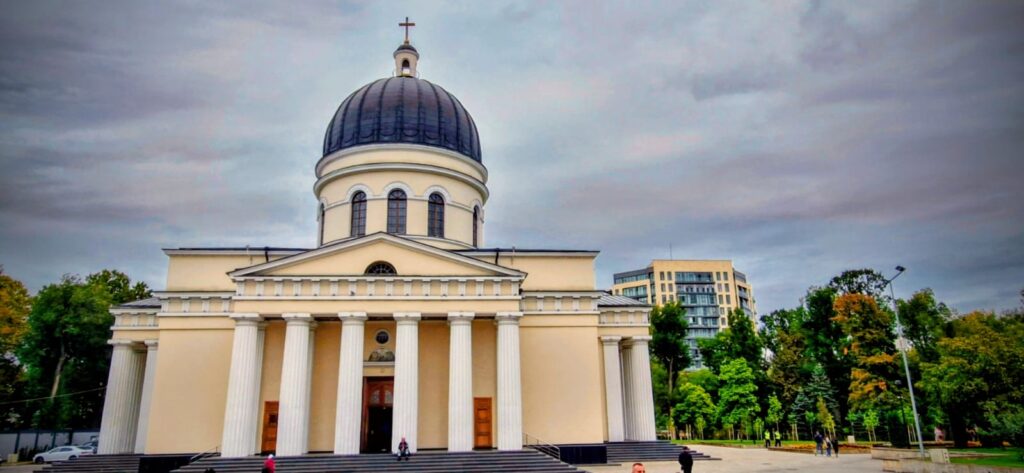
Just behind it is the Metropolitan Cathedral of the Nativity of Christ, the main cathedral of the Moldovan Orthodox Church. Designed by Abram Melnikov and completed in 1830, it reflects neoclassical simplicity — white walls, domed ceilings, and serene symmetry. During the Soviet period, it was converted into an exhibition hall and stripped of its religious functions, but it has since been restored and is again a working church.
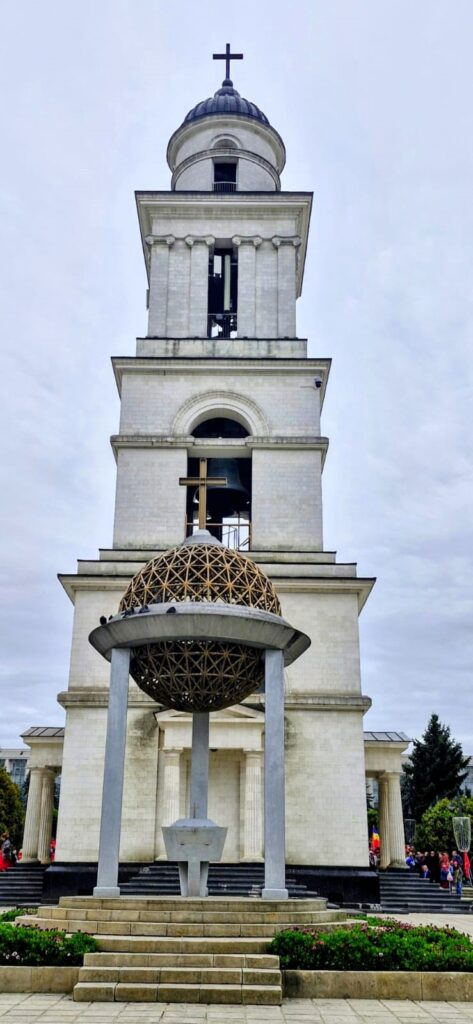
Standing directly opposite the Cathedral of Christ’s Nativity, the Clopotnița Bell Tower is one of Chișinău’s most recognizable landmarks. Originally built around 1830, it was designed by Abram Melnikov, the same architect behind the cathedral.
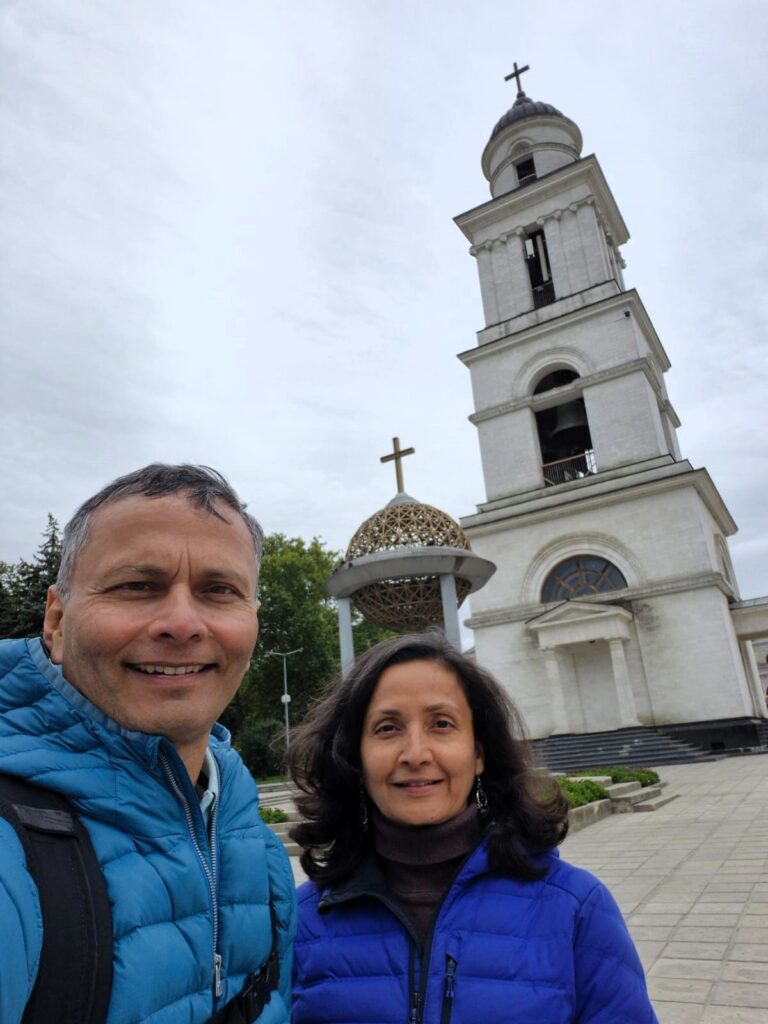
The original structure was destroyed in 1962 during the Soviet period, when religious sites were often repurposed or demolished, but it was faithfully rebuilt after Moldova’s independence. Today, its gleaming white façade and golden cross dominate the skyline of Cathedral Park, echoing the chimes that mark the city’s slow, steady rhythm.
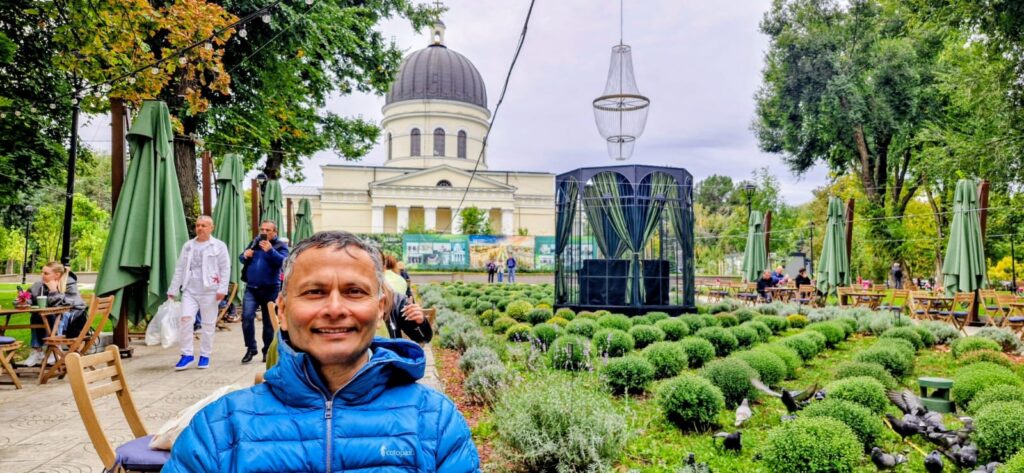
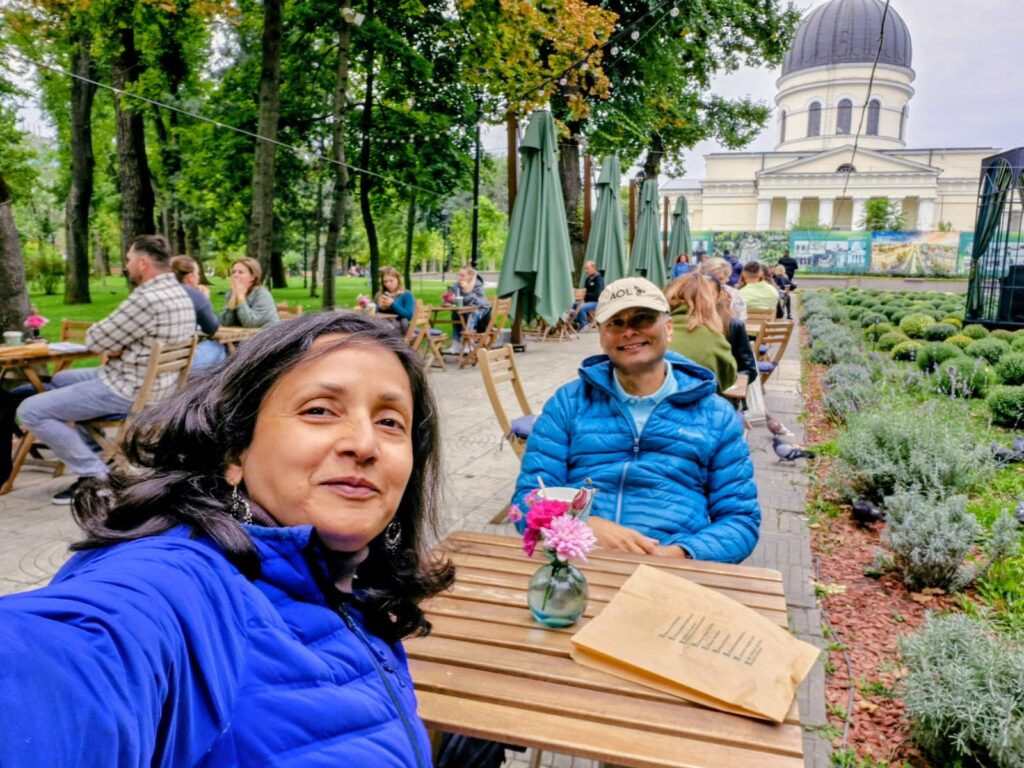
From the cathedral, we wandered toward Eugen Doga Street, a small pedestrian promenade named after Moldova’s celebrated composer. We planned to return there in the evening, when the street lights and cafés would bring it alive.
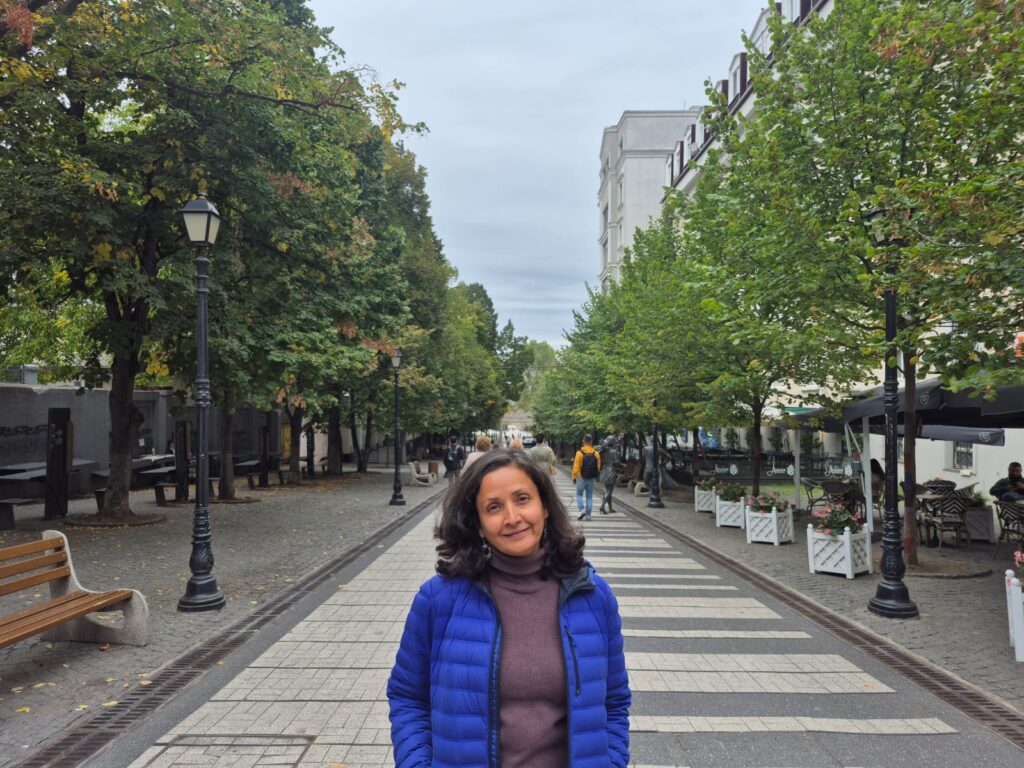
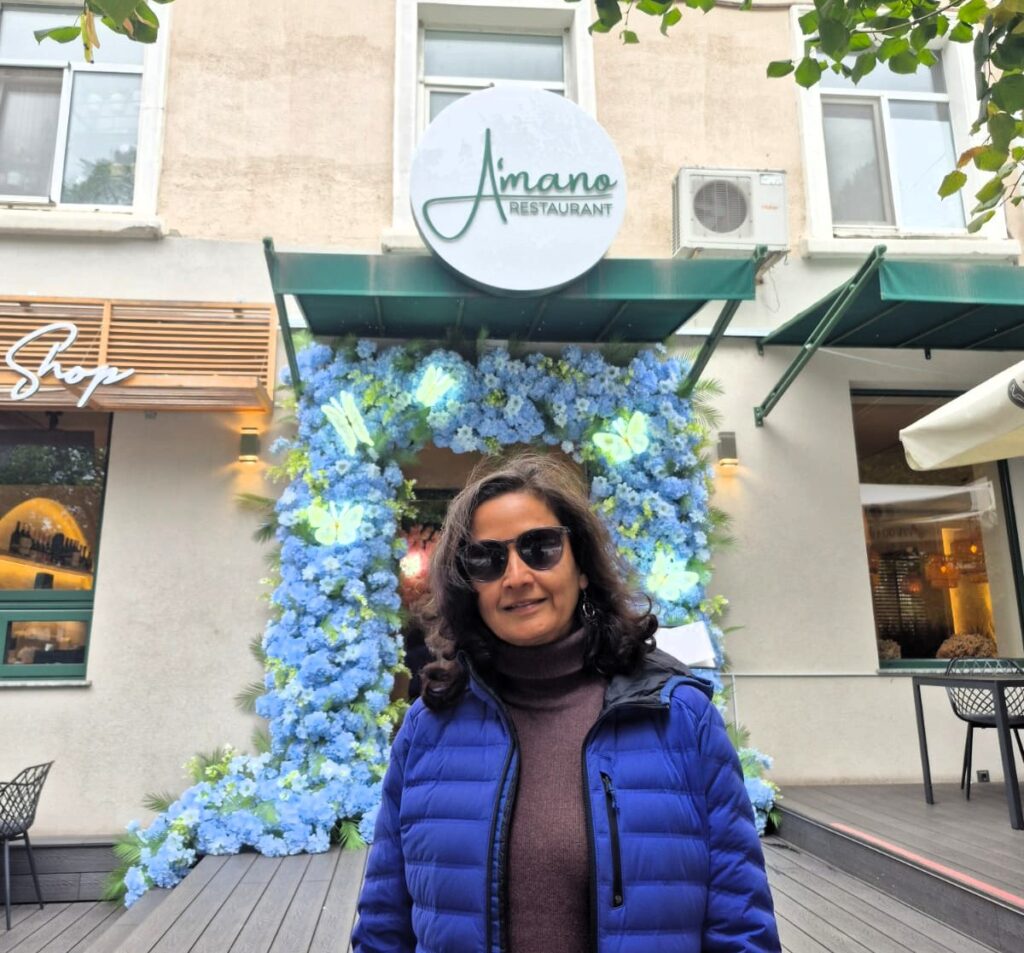
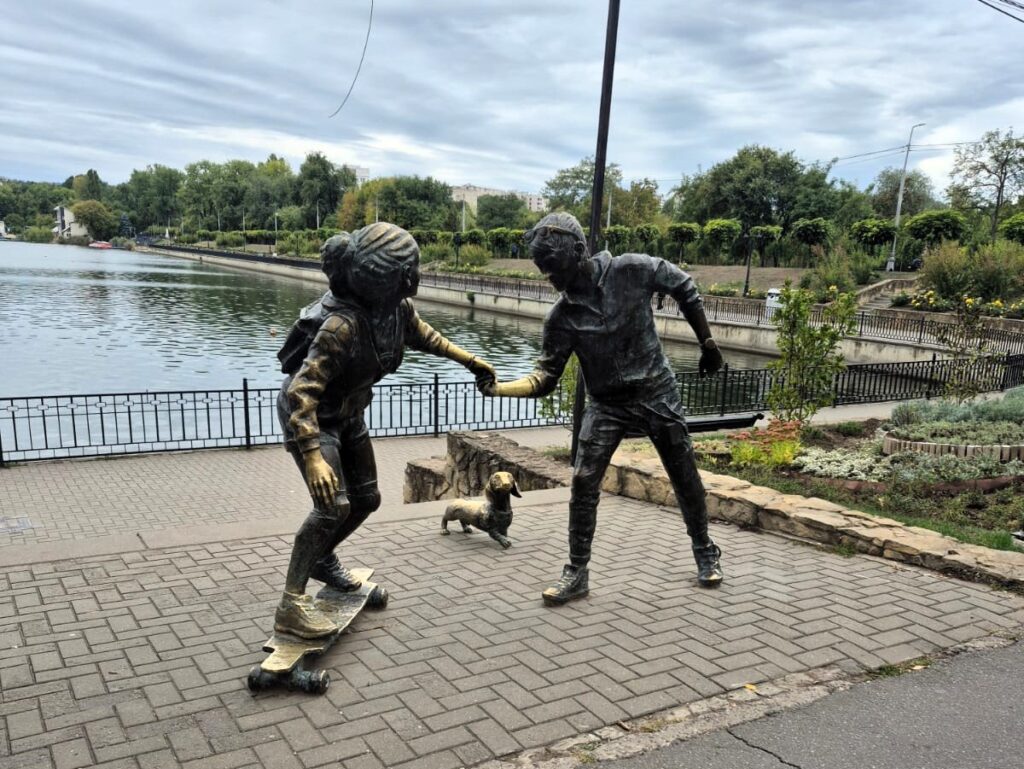
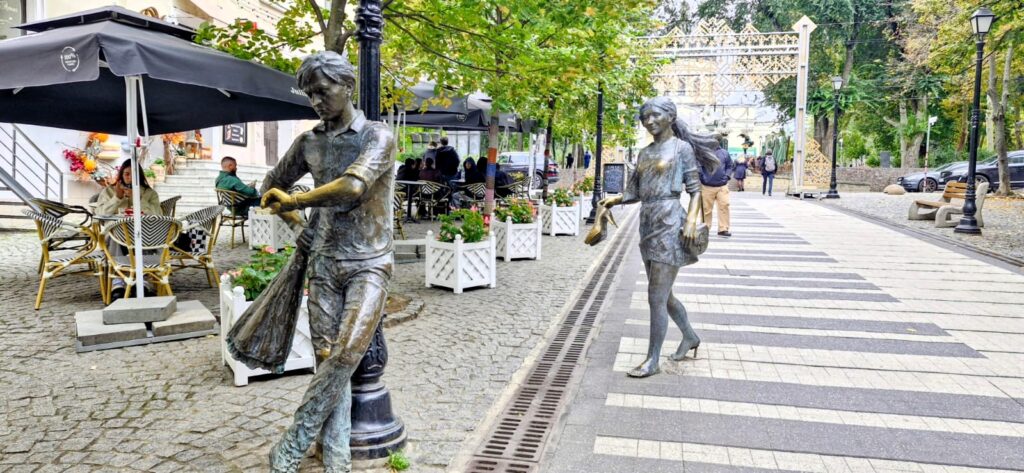
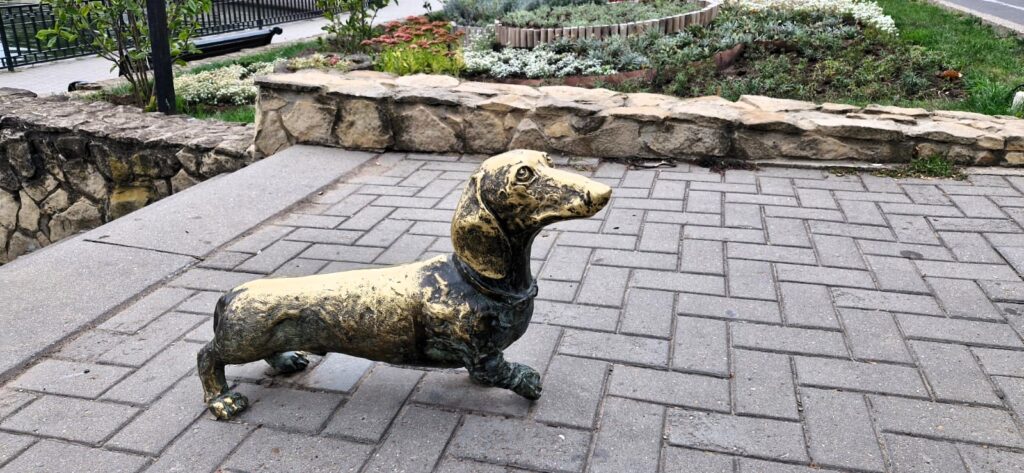
Along the way, we saw several sculptures depicting scenes from Moldovan rural life — simple figures of a boy and girl, meant to capture the spirit of the people.
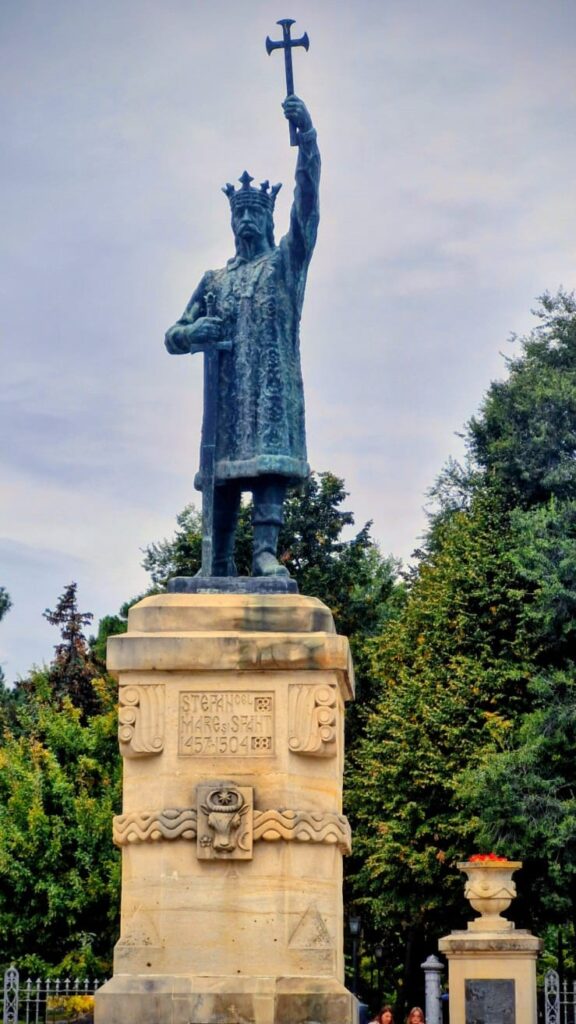
At the entrance to Ștefan cel Mare Central Park, we paused by the statue of Stephen the Great, who ruled Moldavia from 1457 to 1504 — an unusually long reign for a small principality caught between empires.
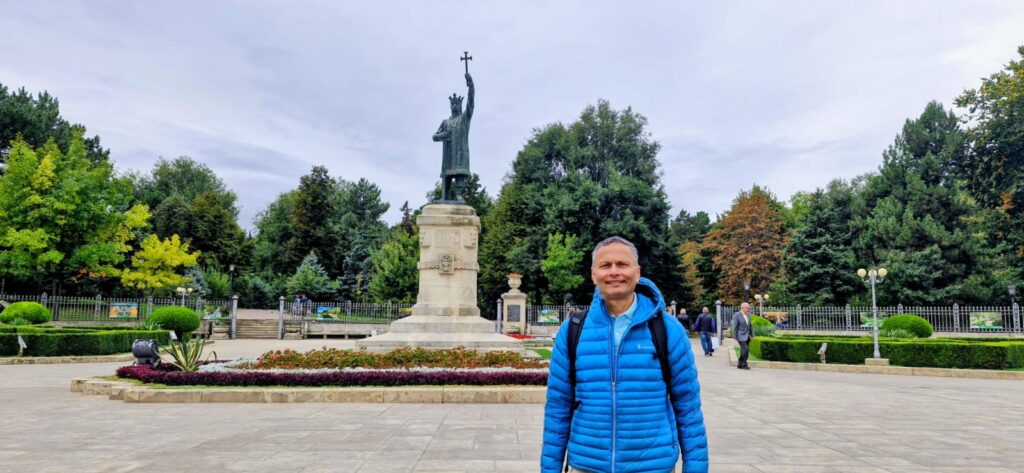
Stephen the Great’s figure is everywhere in Moldova — on coins, street names, and squares — symbolizing resilience and national pride.
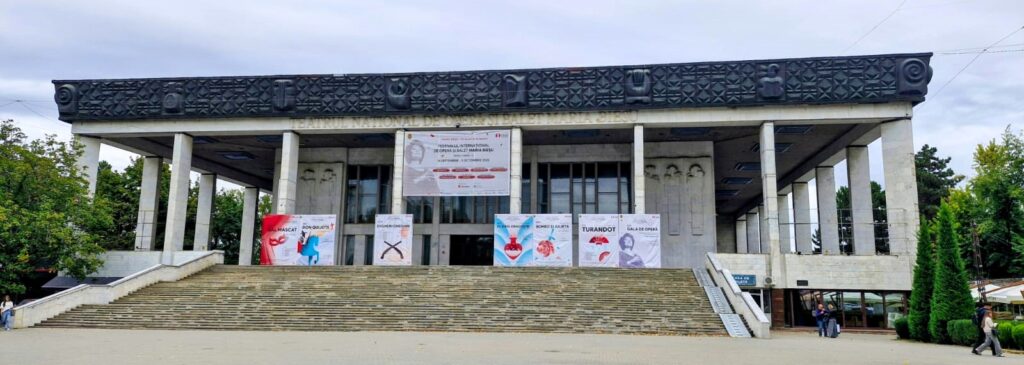
We strolled through the park, and soon reached the National Opera and Ballet Theater, another fine example of Soviet-era monumental architecture.
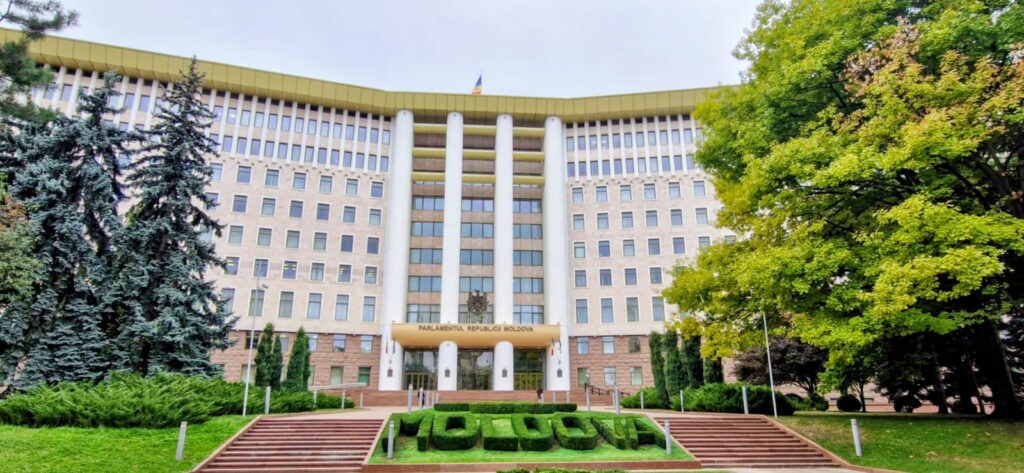
Across the street stood the Moldovan Parliament Building, a modern white structure, surprisingly accessible for visitors.
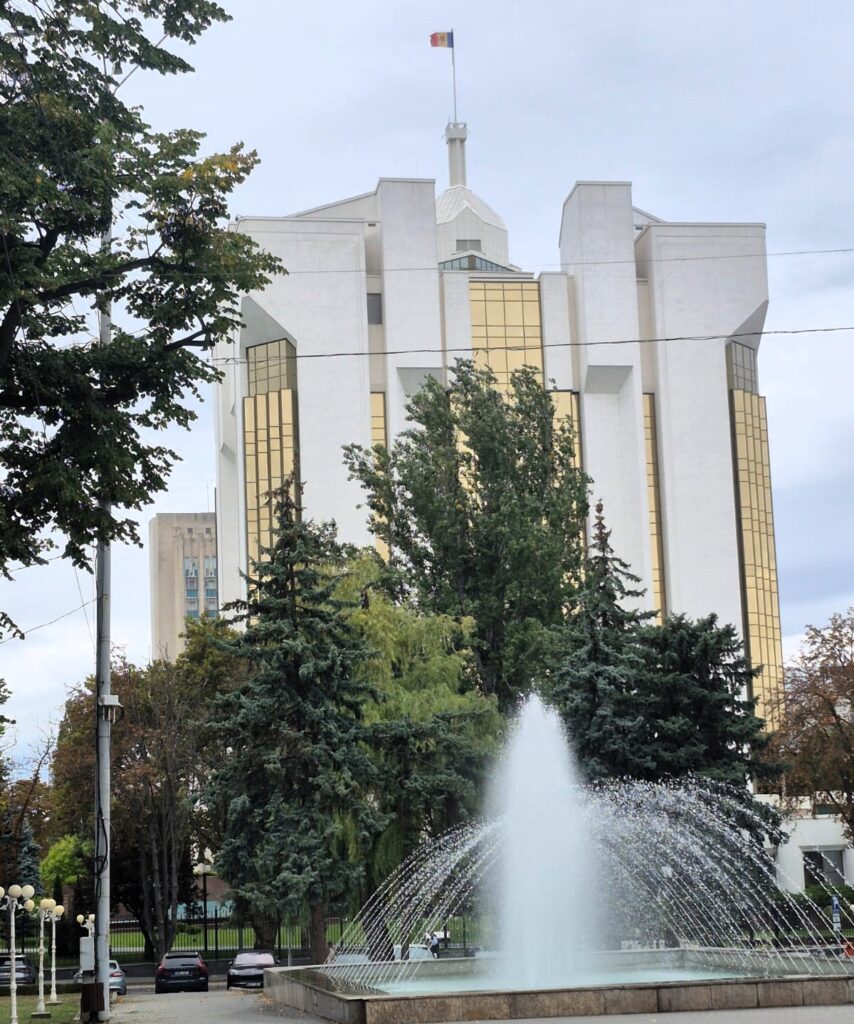
The Presidential Palace sits directly opposite — an elegant, glass-fronted building that represents Moldova’s contemporary political ambitions.
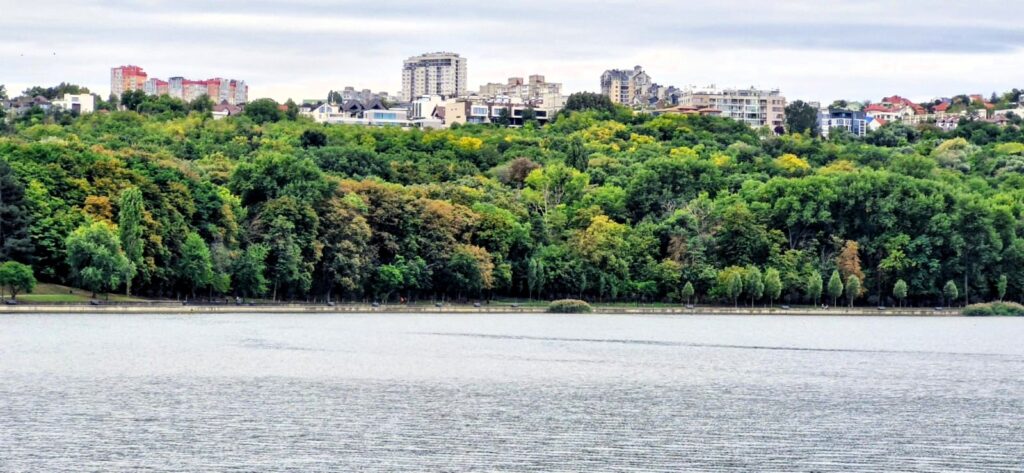
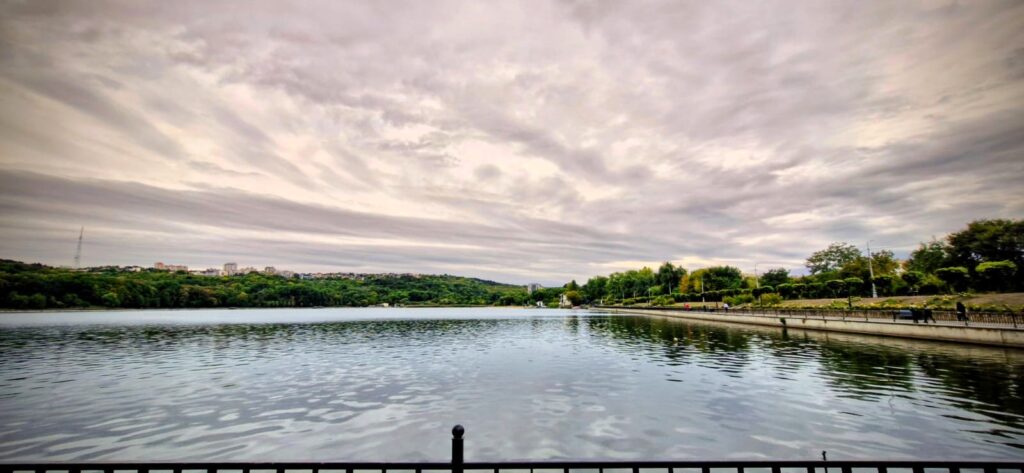
By afternoon, we took a taxi to Valea Morilor Park, one of the most beautiful parks in Chișinău. Centered around a large lake, it’s a favorite spot for locals to walk, row boats, and enjoy the greenery.
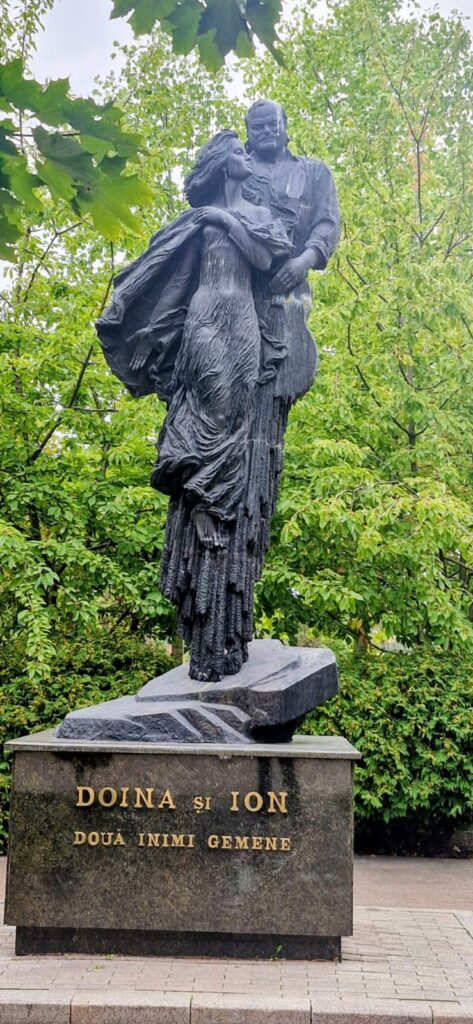
The “Două Inimi Gemene” (Two Twin Hearts) monument in Valea Morilor Park commemorates Doina and Ion Aldea-Teodorovici, a husband-and-wife duo who were among Moldova’s most celebrated musicians.
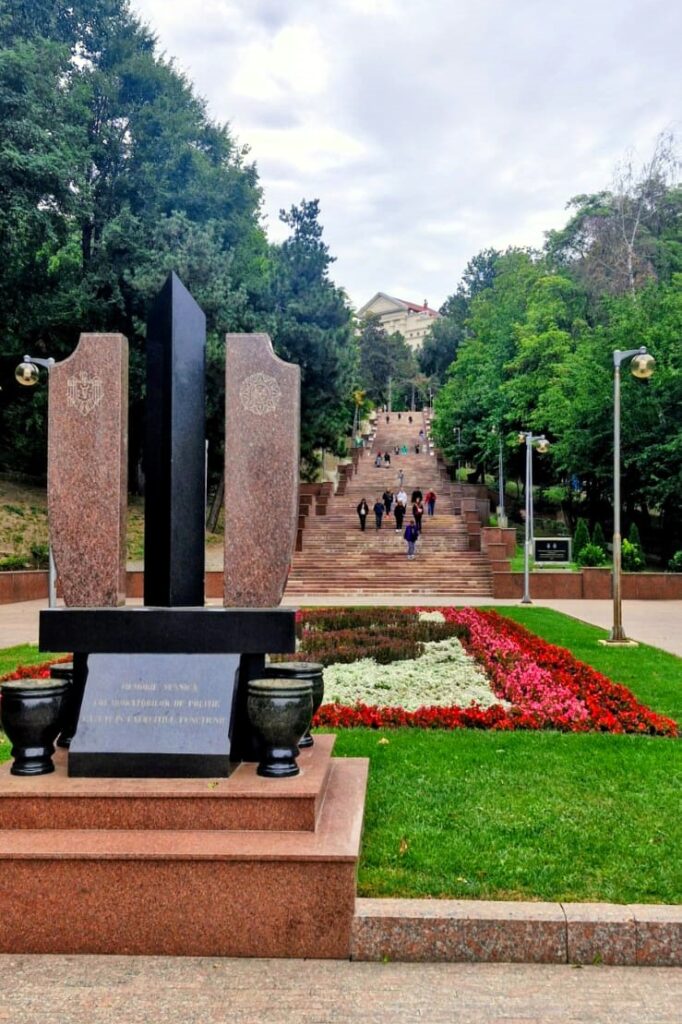
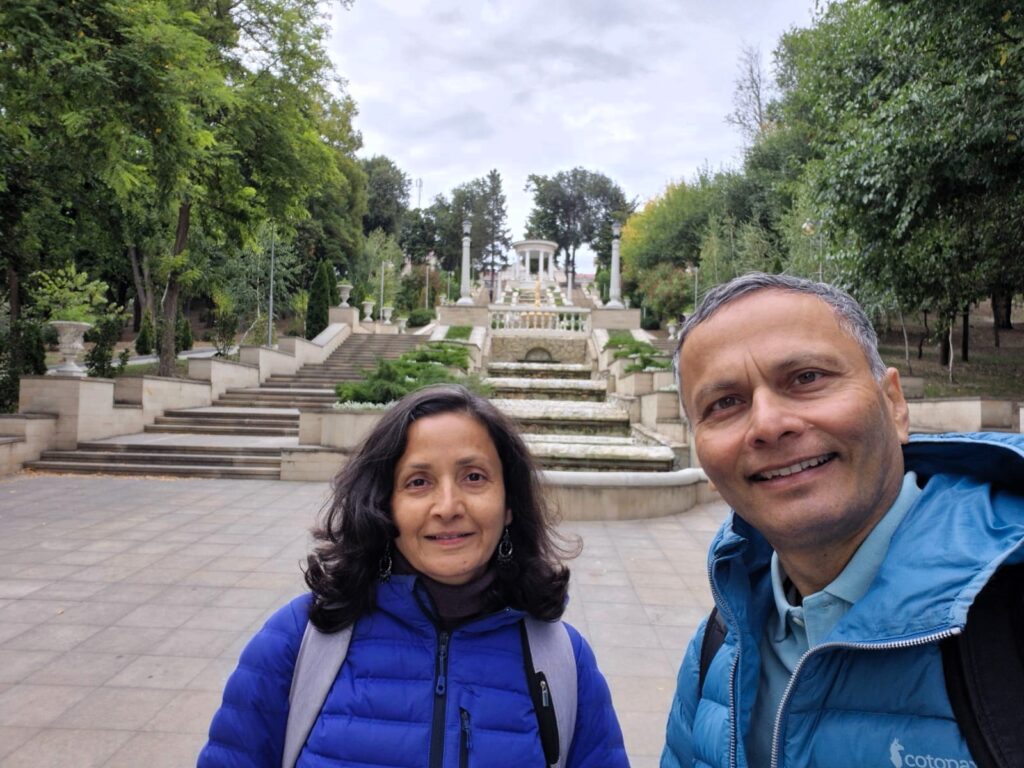
The highlight here is the Cascade of Stairs, a long descending staircase with waterfalls flowing down its center — an impressive piece of urban design.
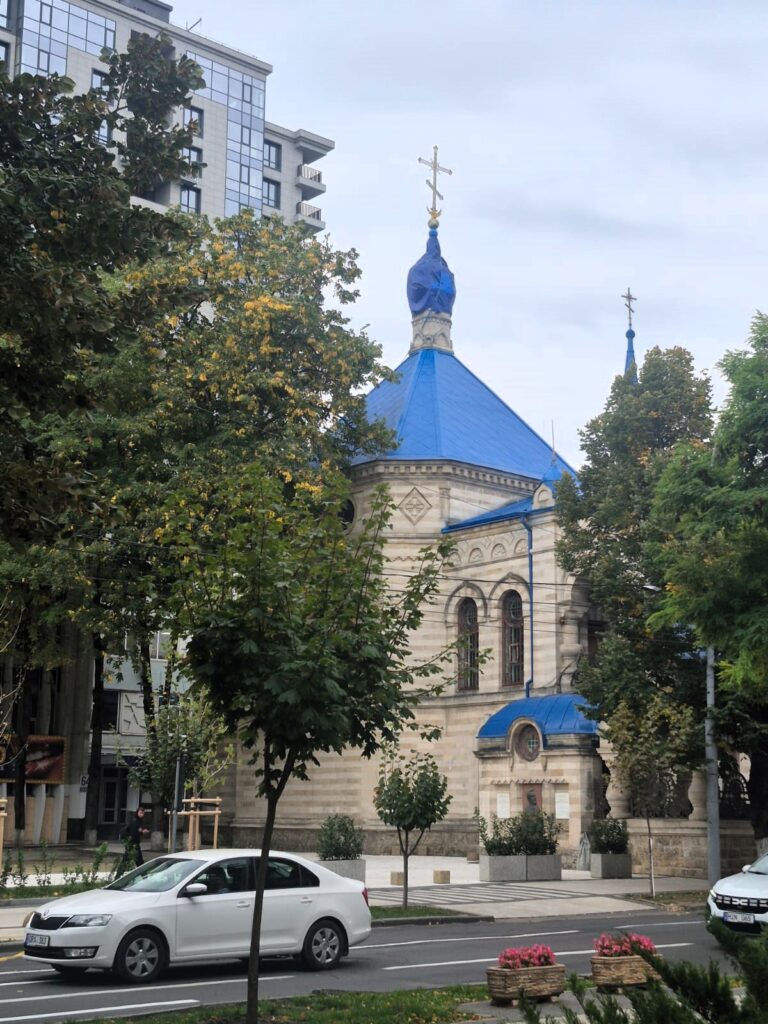
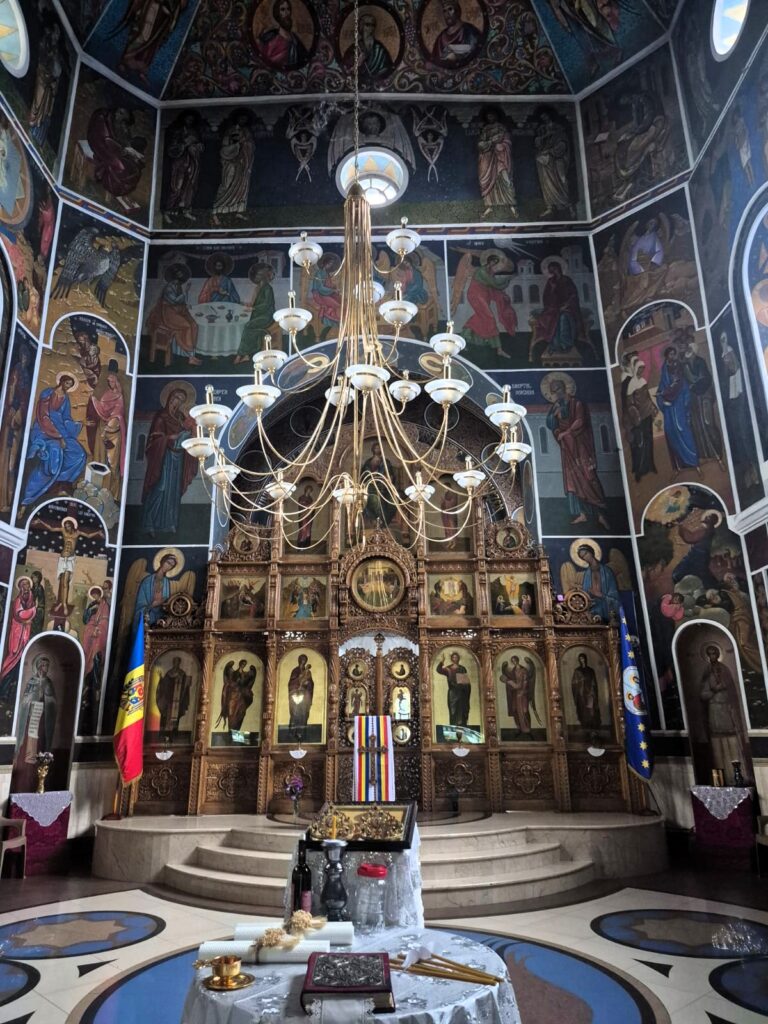
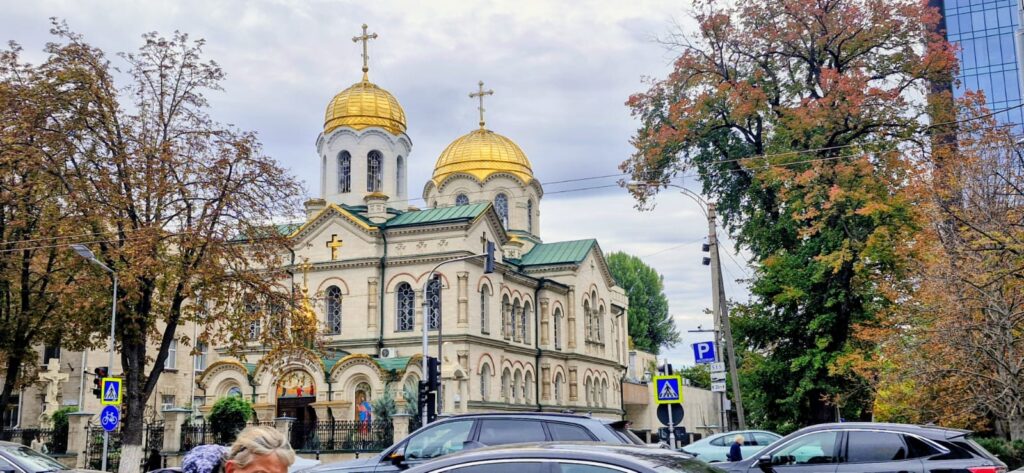
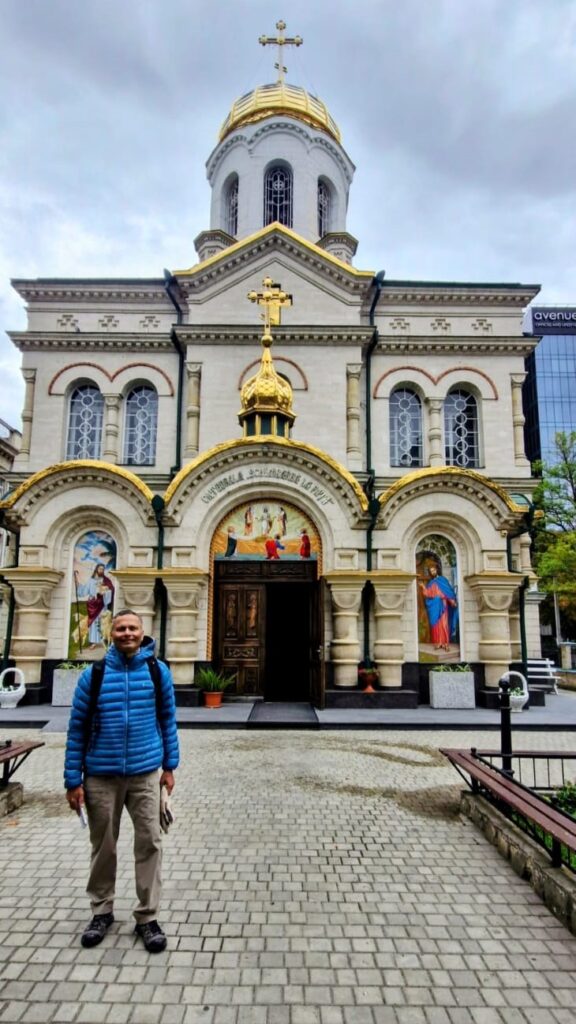
From there, we visited Saint Theodora Church, recognizable by its blue dome, and the Orthodox Cathedral of the Transfiguration of the Savior, built in the early 1900s with golden domes that gleamed in the sunlight.
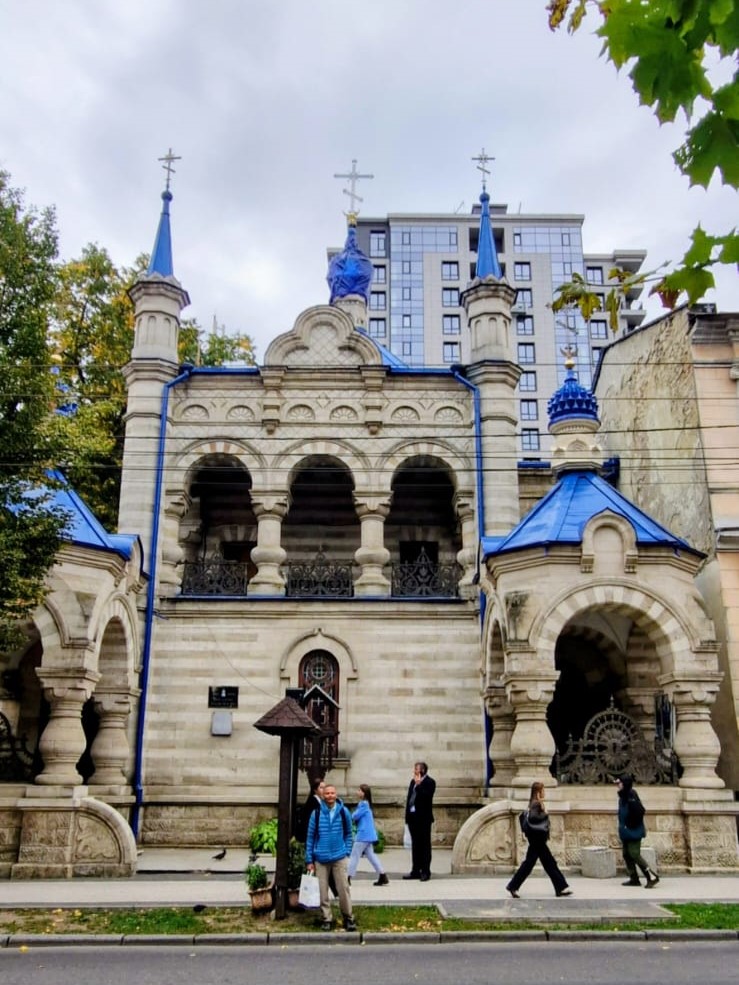
Moldova is deeply Orthodox, and these churches remain important centers of community life.
Our next stop was the National Museum of History, which turned out to be a highlight of the day.
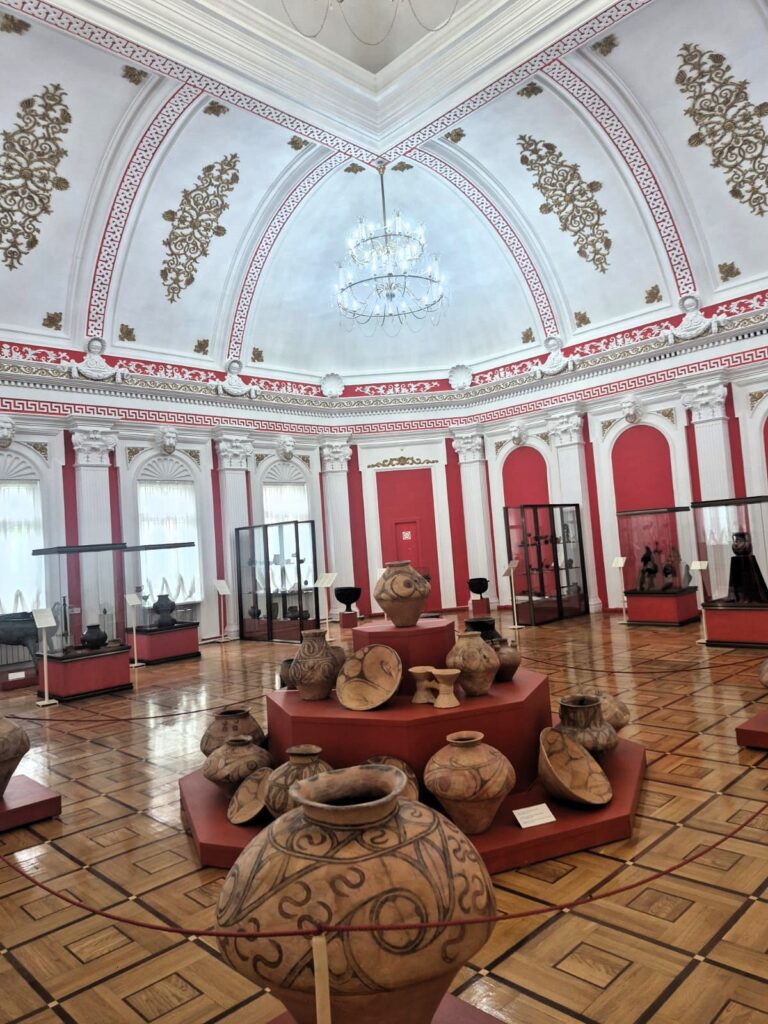
It provided a clear narrative of Moldova’s evolution — from prehistoric artifacts and medieval wars to modern politics and the country’s aspirations toward the European Union.
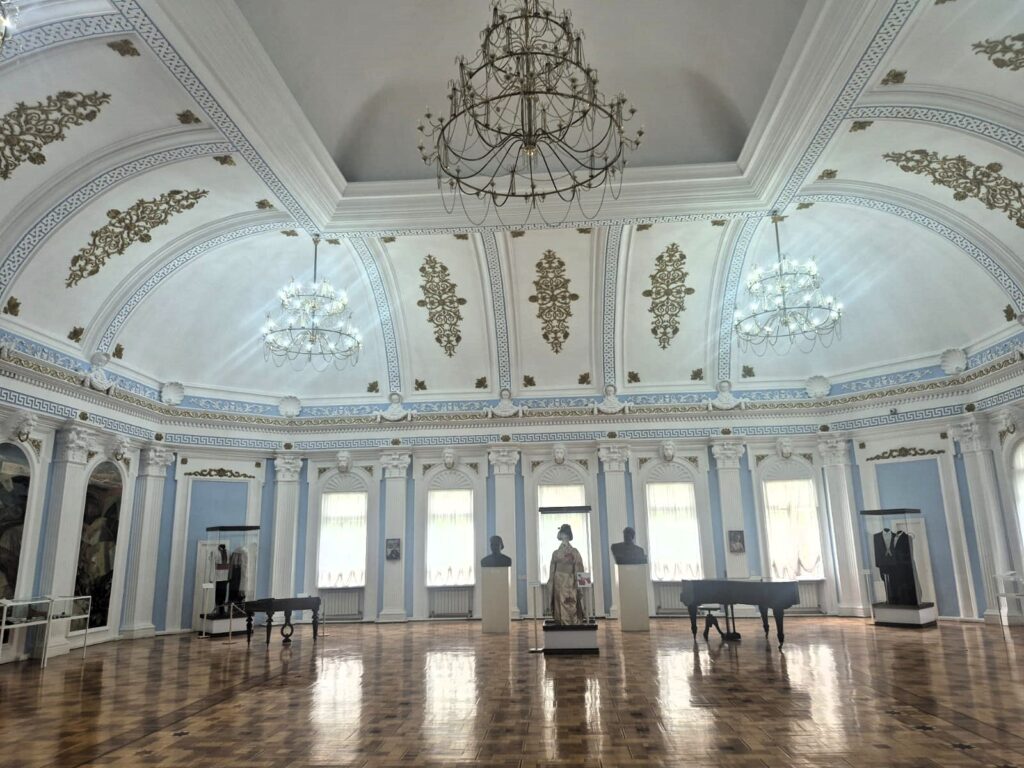
There was even a thoughtful exhibit exploring Moldova’s place in the shifting geopolitics of Eastern Europe.
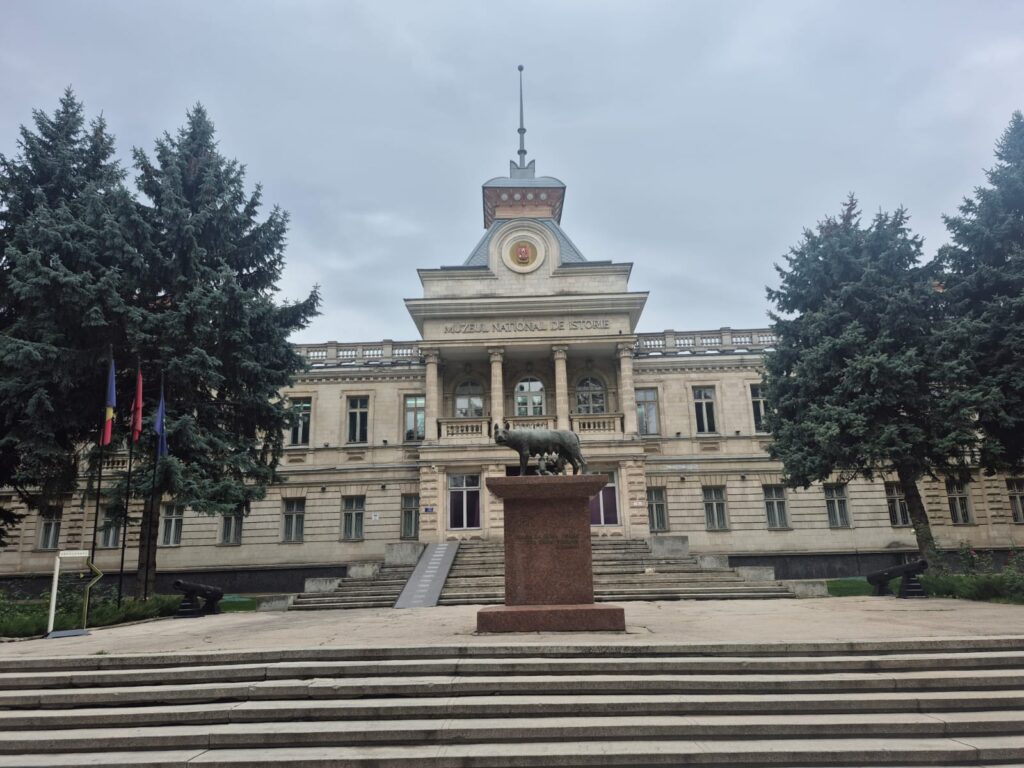
The museum, founded in 1983, houses more than 250,000 exhibits that trace the country’s story from ancient times to the present.
One of its most striking displays is a massive diorama depicting the Iasi–Chisinau Operation of World War II, showing Soviet forces pushing back German and Romanian troops in 1944.
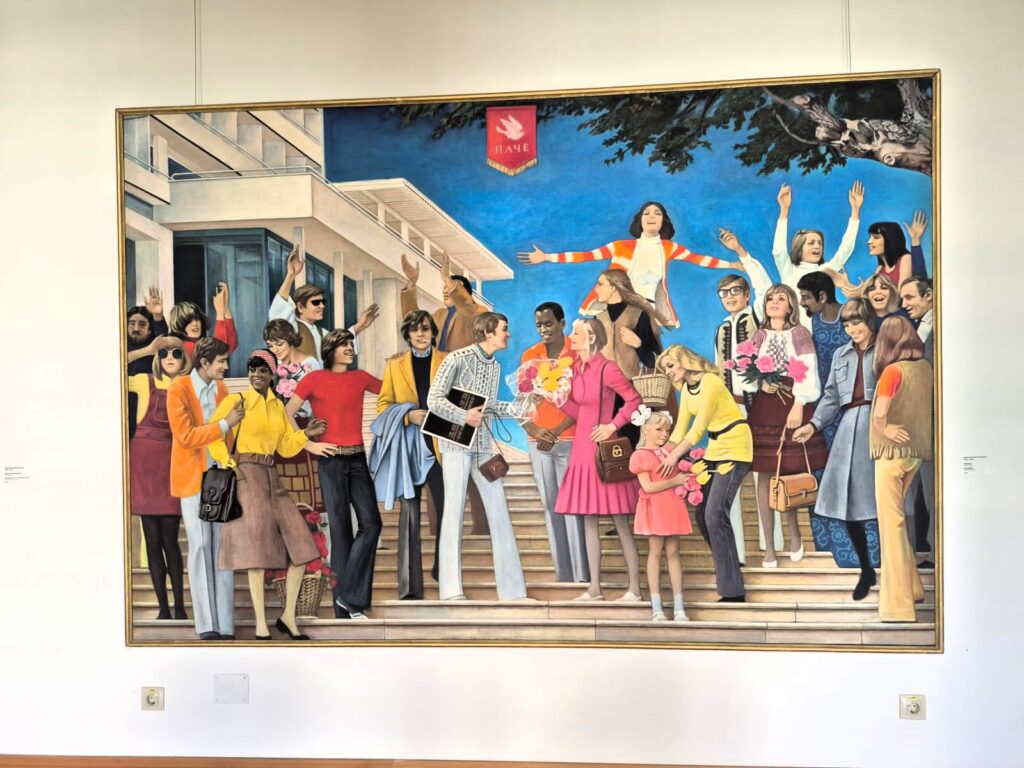
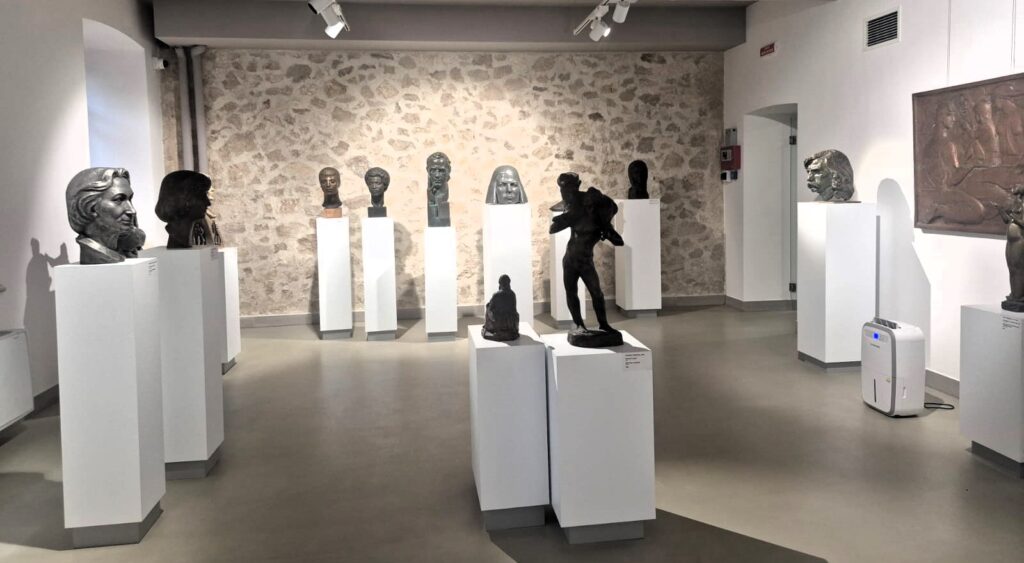
The building itself is a Soviet-era structure, modest from the outside but surprisingly well-organized inside. Together, the exhibits give a strong sense of how Moldova’s identity has evolved at the crossroads of larger empires — Roman, Ottoman, Russian, and Soviet.
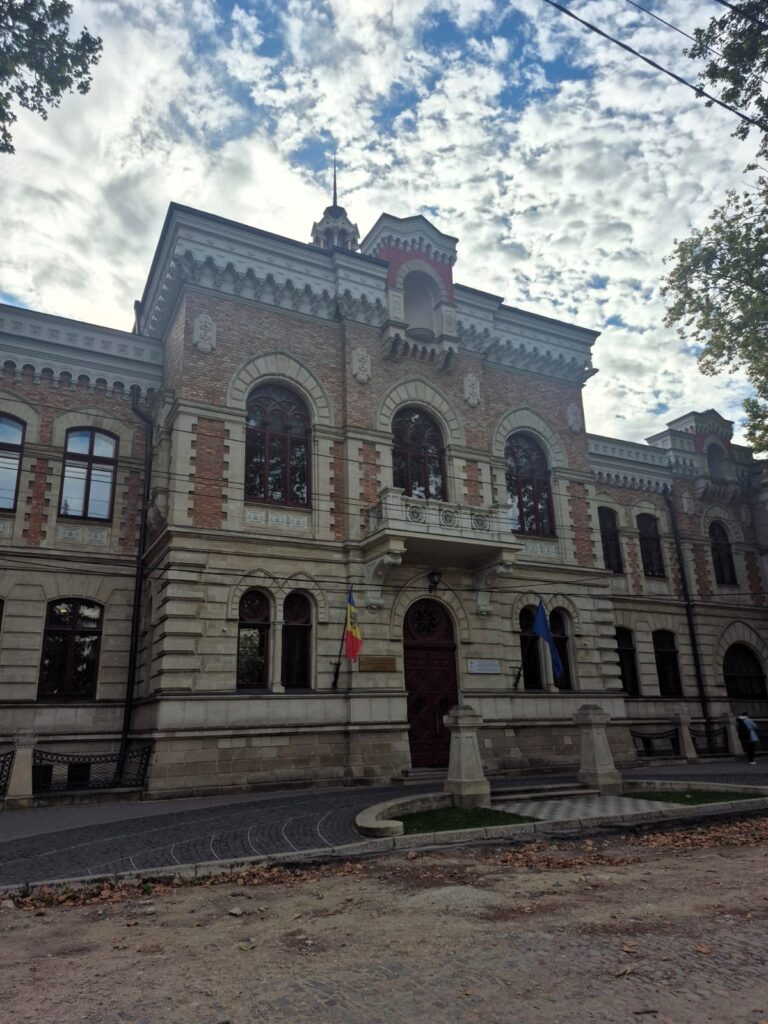
Right next door was the National Museum of Art, another gem. Inside, we found Moldovan and Romanian paintings, religious art, sculpture, and modern works.
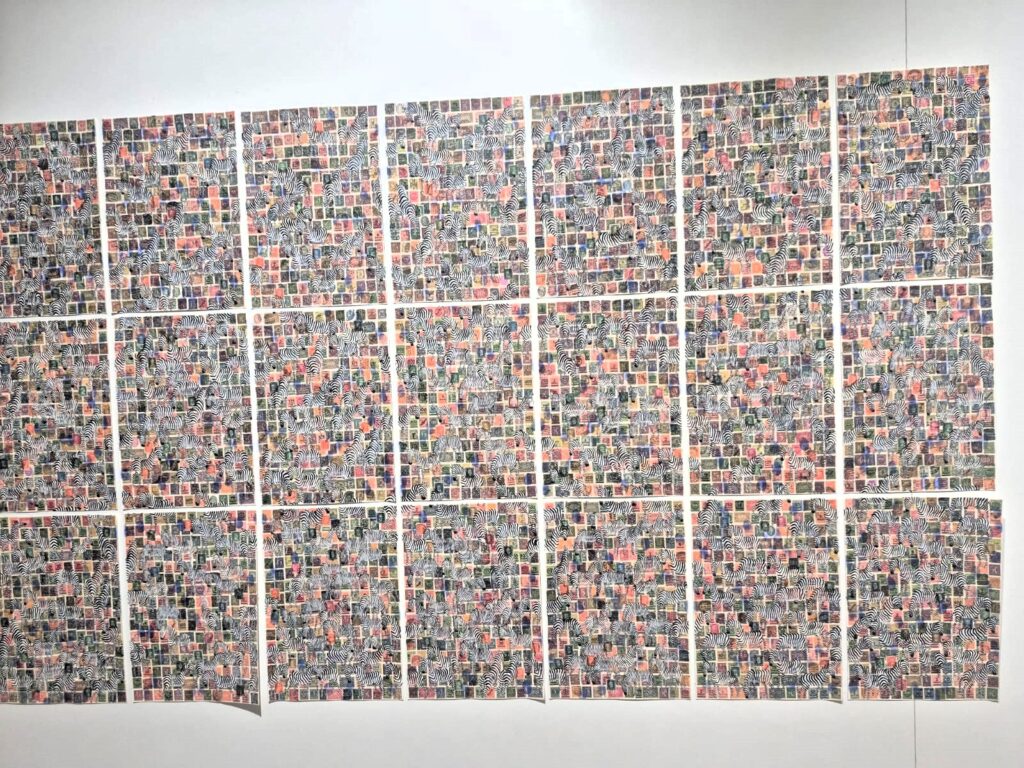
The mix of biblical and contemporary themes gave a glimpse into how Moldovan artists have balanced faith, identity, and modern expression.
By the time we left, evening had set in. The soft light over the parks and buildings made Chișinău look particularly peaceful. Moldova may not appear on many travel itineraries, but it offers a quiet depth — a sense of a nation still emerging from its past, confident yet humble.
Day 3: Friday, September 26 — Curchi and Orheiul Vechi Monasteries, Moldova
Today was an adventure outside Chișinău — a day of exploring Moldova’s countryside, monasteries, and old fortresses. Instead of booking a tour, Anu and I decided to make it more interesting and figure things out ourselves using public transport. There’s something about traveling like a local that adds discovery and a sense of accomplishment to the day.
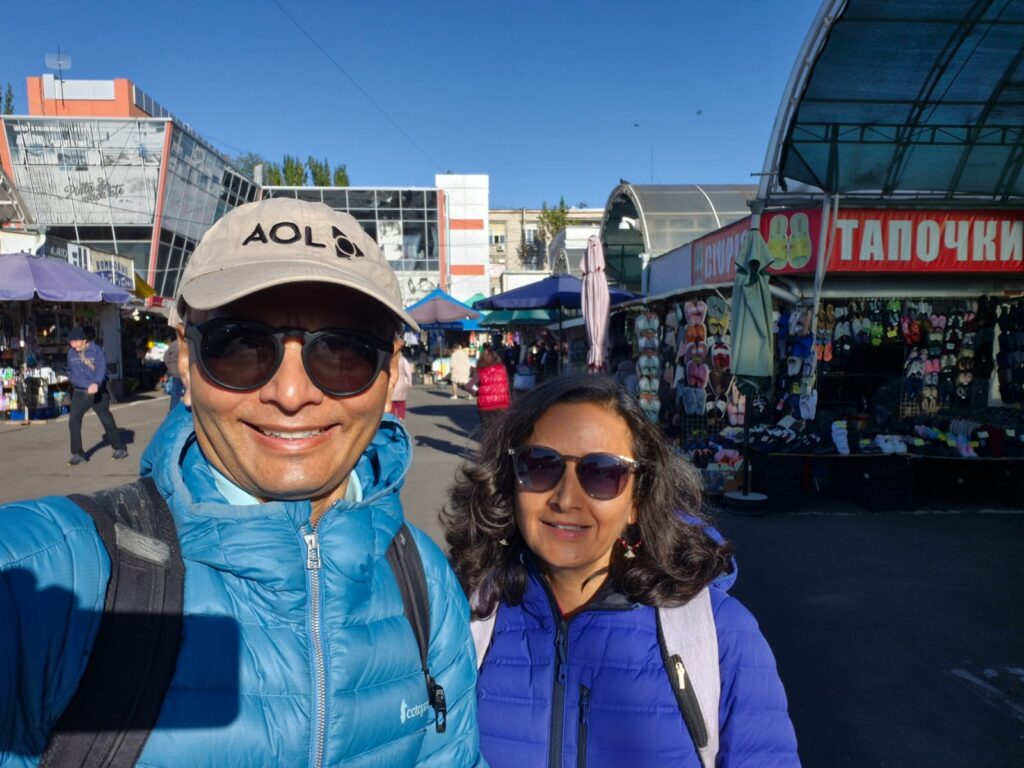
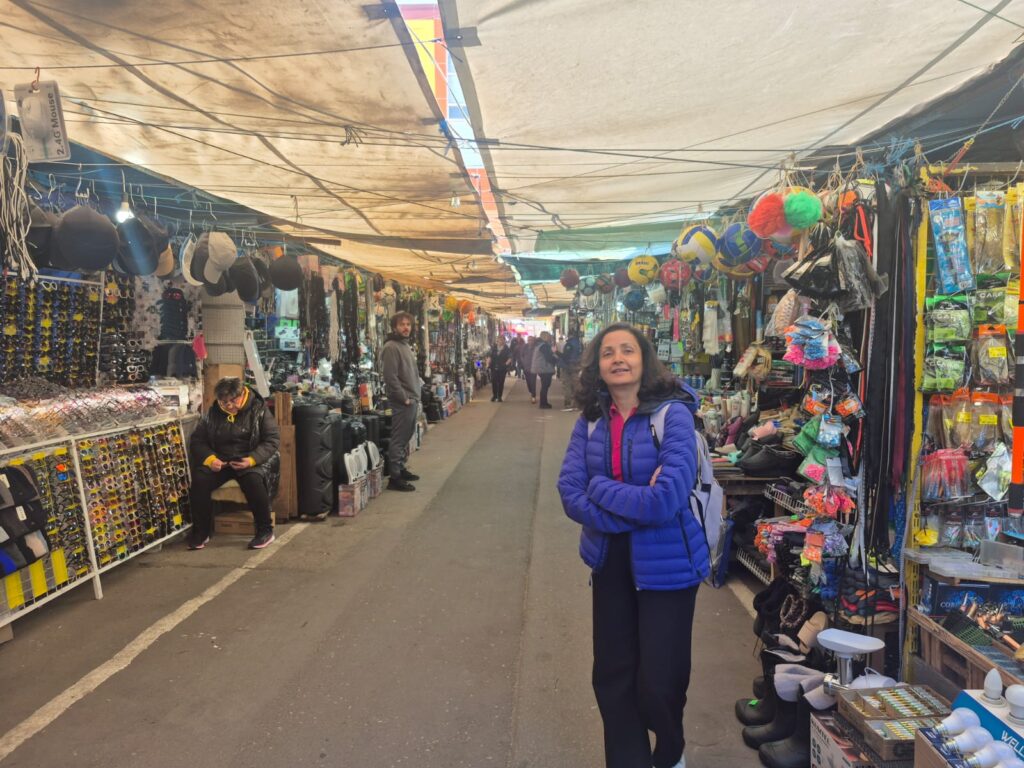
We left our apartment around 8:30 a.m. and walked to the Central Bus Station, about 350 meters away. On the way, we passed through the Central Market, a lively sprawl of vendors selling everything from fruits and vegetables to clothes, bread, and household goods.
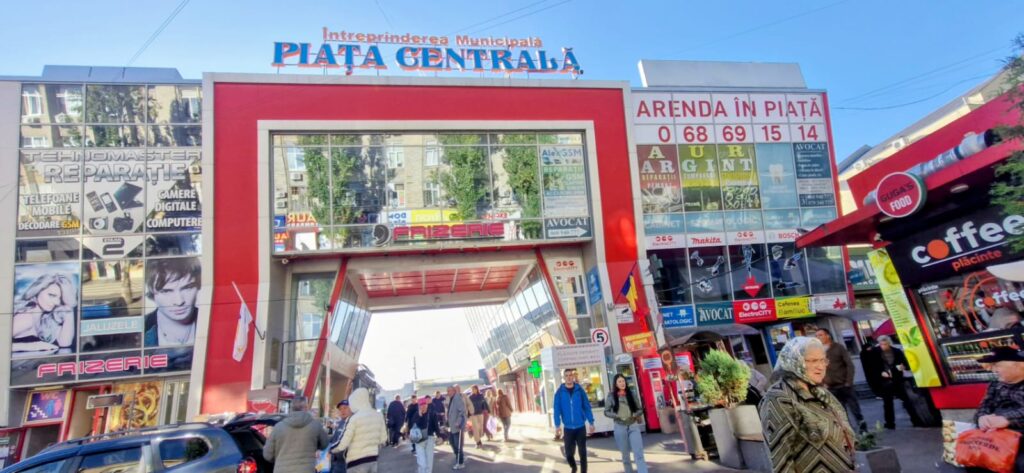
It felt a lot like Indian markets — crowded but full of life. Prices were quite similar to those in India too, which made it all the more familiar.
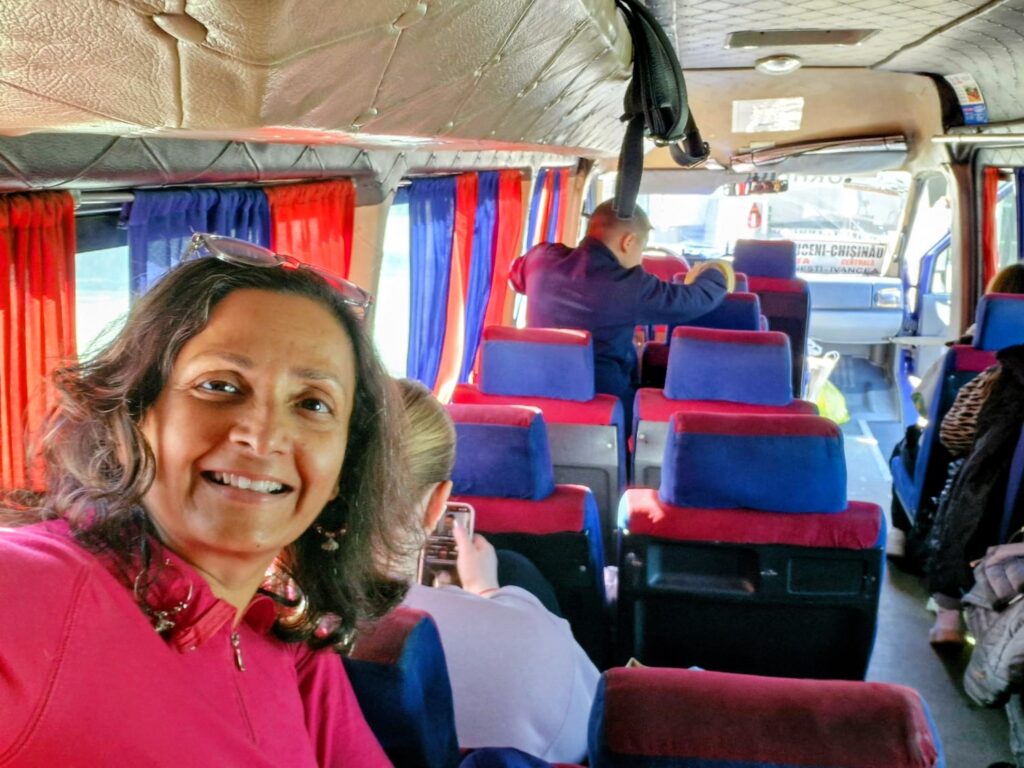
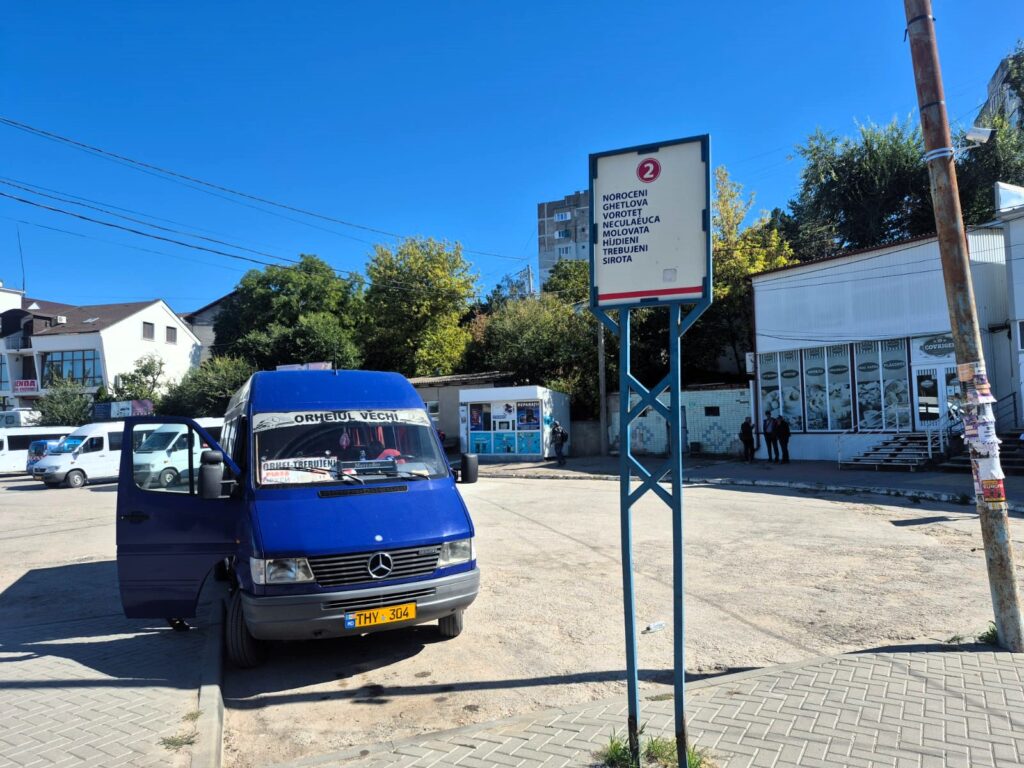
At the bus station, we saw dozens of Marshrutka vans lined up — small minibuses run by private operators but serving regular public routes.
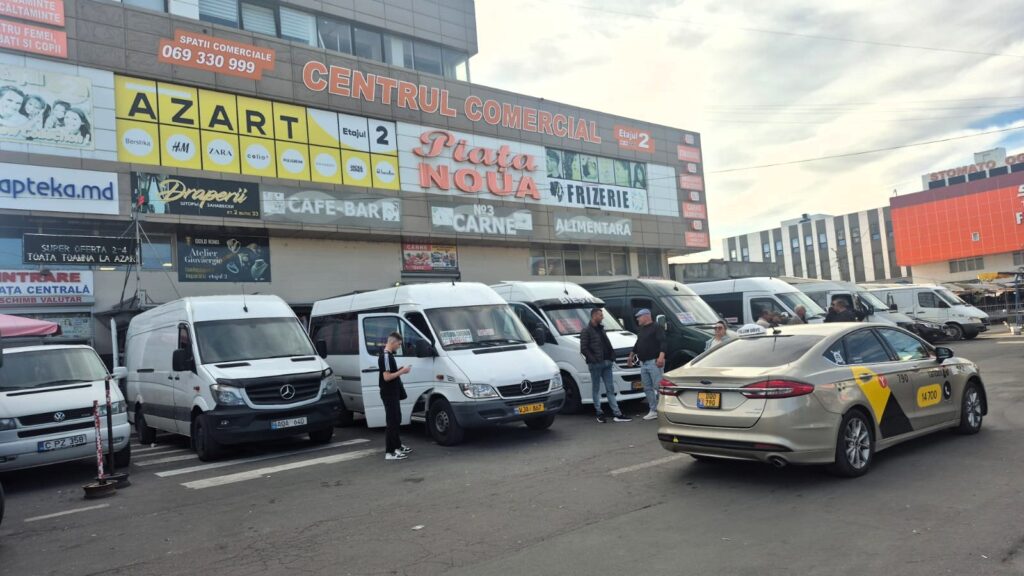
The system is informal but efficient, and the prices are almost the same as government buses.
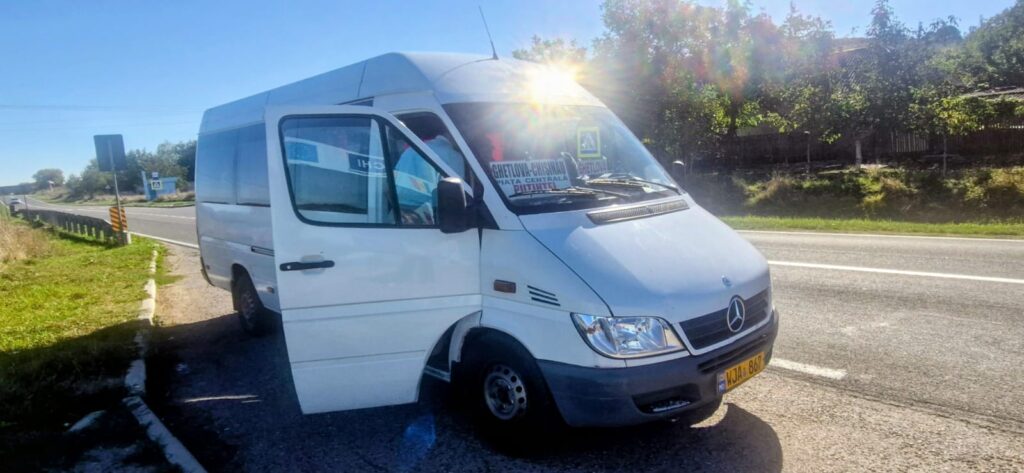
The only challenge was language. Hardly anyone spoke English, but with a mix of gestures, Google Translate, and smiles, we managed to communicate. Moldovans are patient and straightforward — helpful without being pushy.
With some help, we figured out which marshrutka would take us to Curchi Monastery, our first destination. The fare was 50 lei per person (about ₹250), and the van left at 9:36 a.m. from the Central Bus Station.
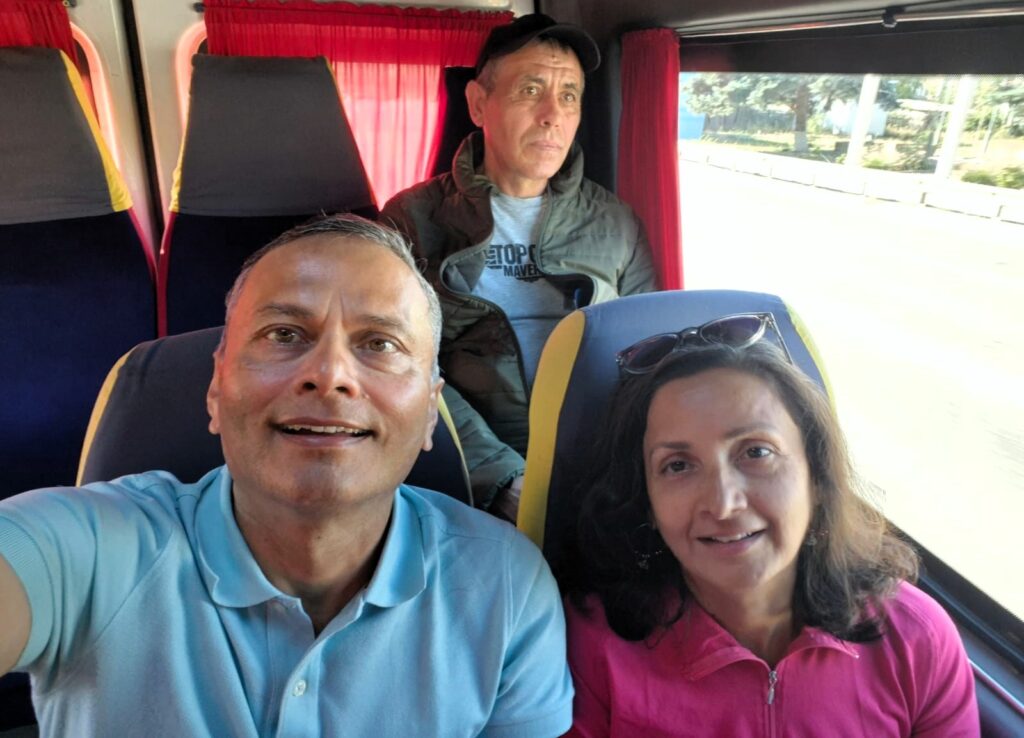
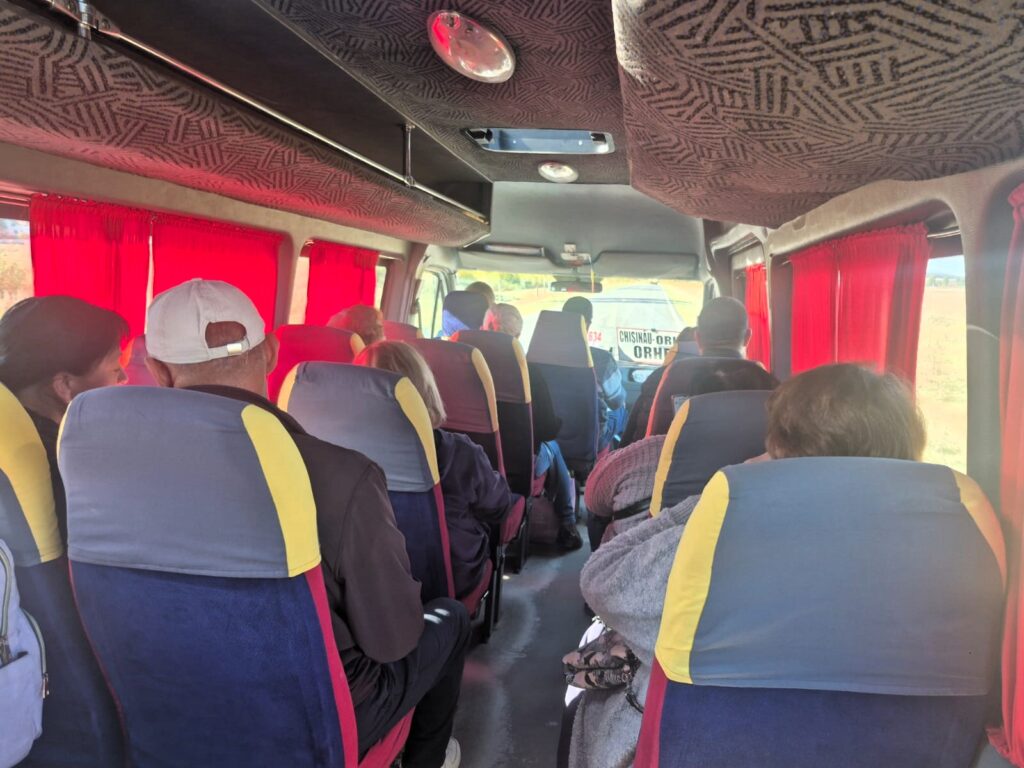
It was a pleasant ride through Moldova’s rolling farmlands, small villages, and tree-lined roads. The countryside is very green and peaceful — the kind of landscape that makes you slow down.
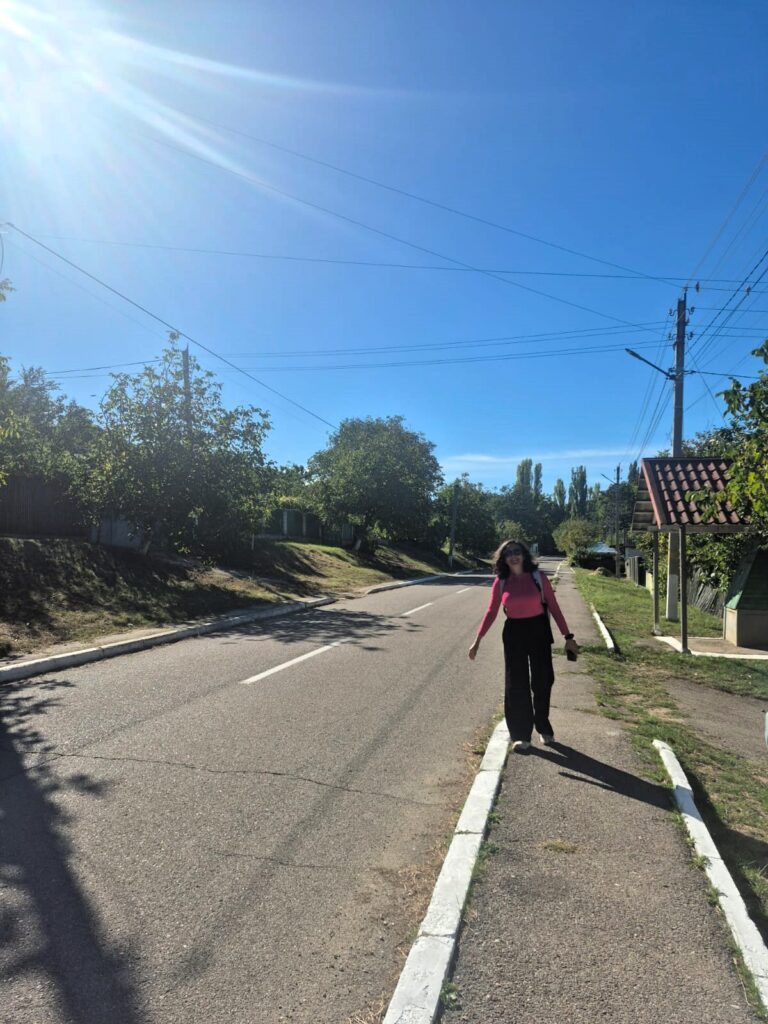
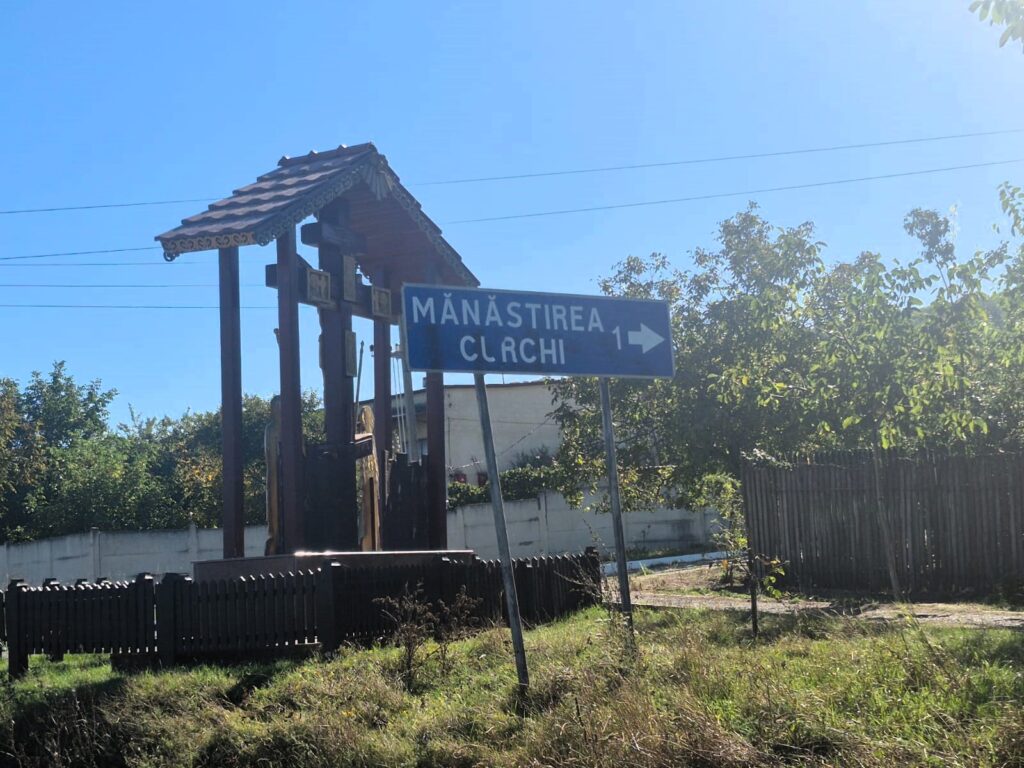
We reached Curchi around 10:55 a.m. and walked about a kilometer from the bus stop to the monastery. It was a beautiful walk, with walnut trees lining the road.
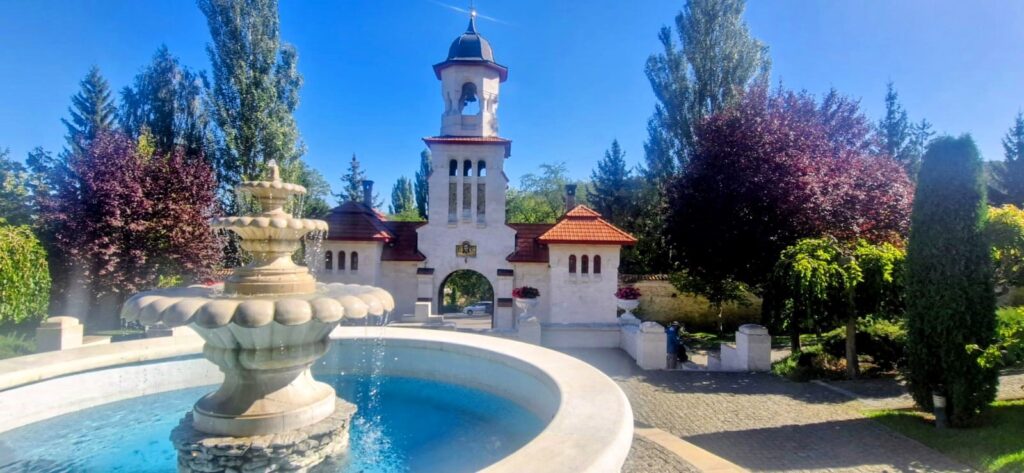
The Curchi Monastery was founded around 1773, and the complex today consists of five churches surrounded by manicured gardens and open courtyards.
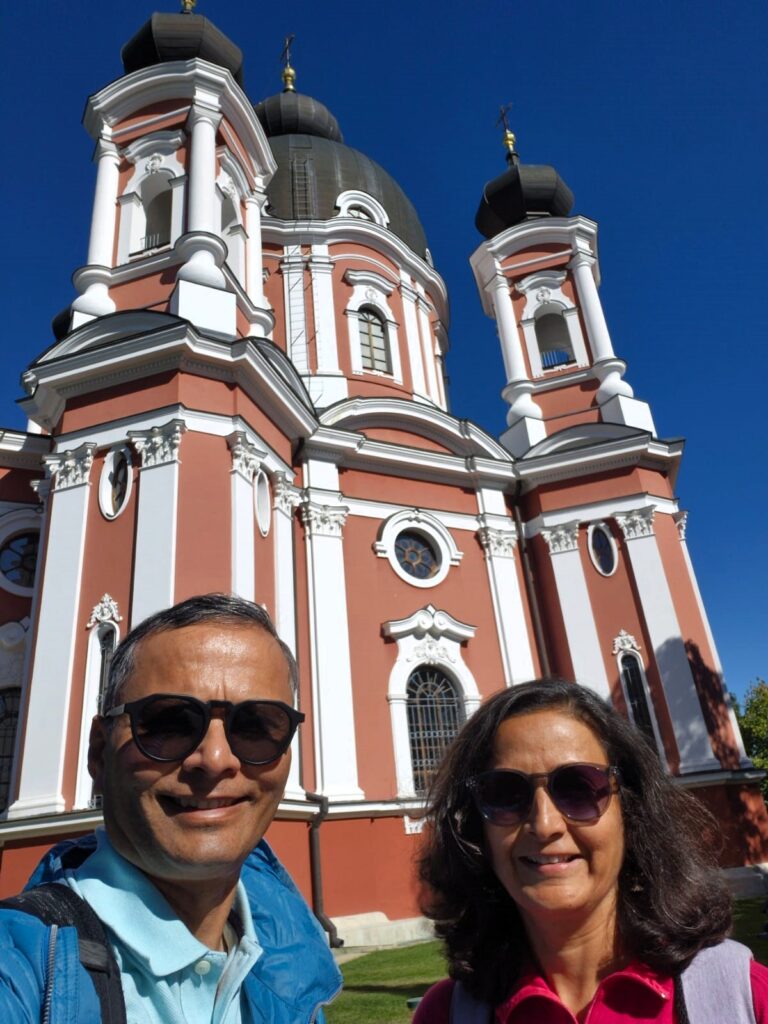
The main cathedral — Nașterea Domnului (The Nativity of the Lord) — is a magnificent Baroque structure designed by Bartolomeo Rastrelli, the same architect who designed St. Andrew’s Church in Kyiv. Completed in 1872, its 57-meter-high dome is the tallest in all of Moldova.
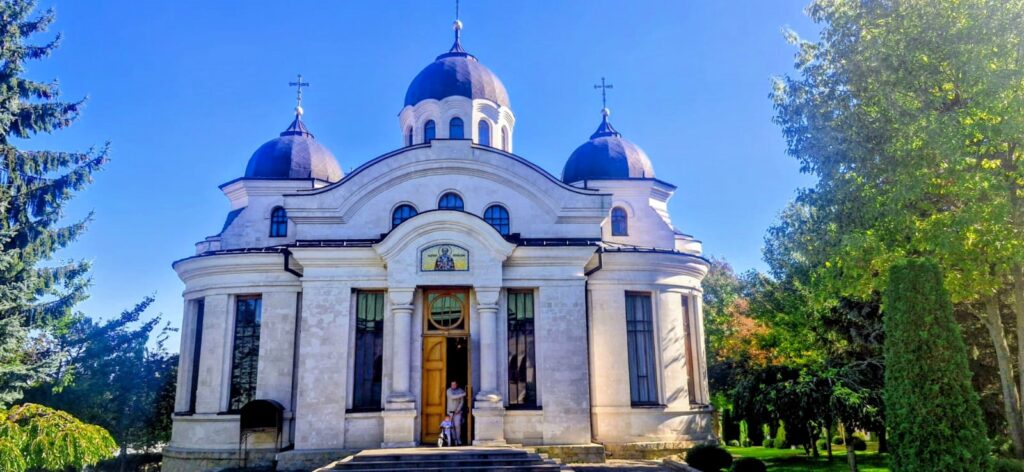
The entire complex felt calm and almost untouched by tourism. There were only a few people around, and we quietly watched a small baptism ceremony taking place inside one of the smaller churches.
The chants, the candles, and the faint smell of incense gave the place a timeless atmosphere.
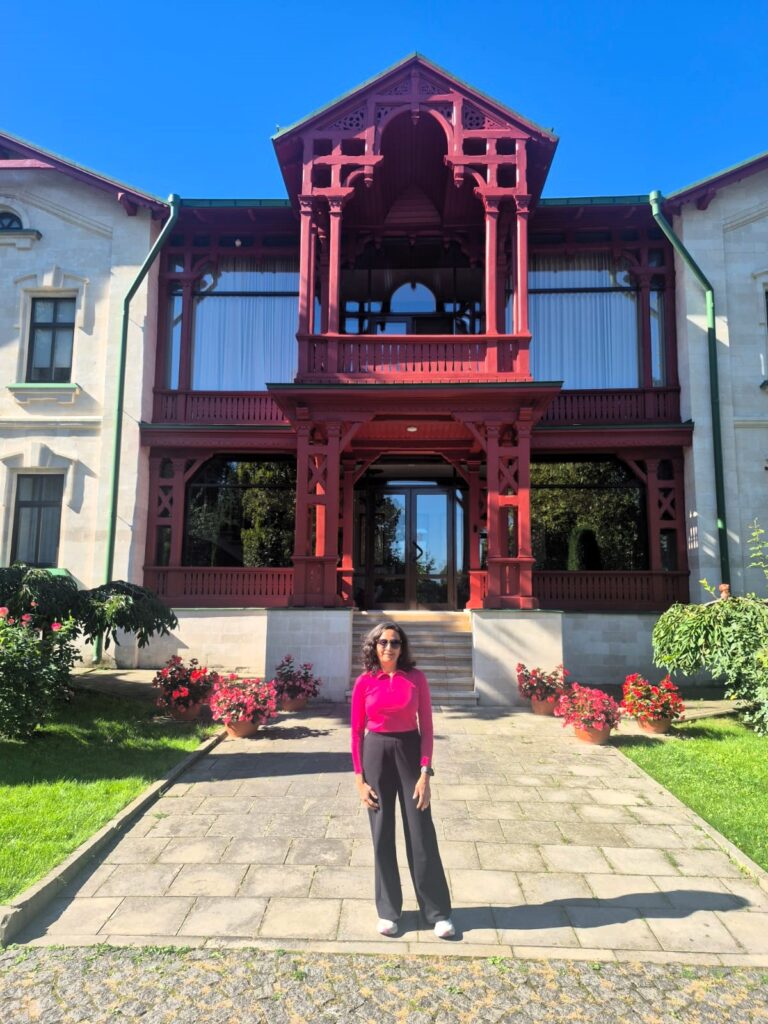
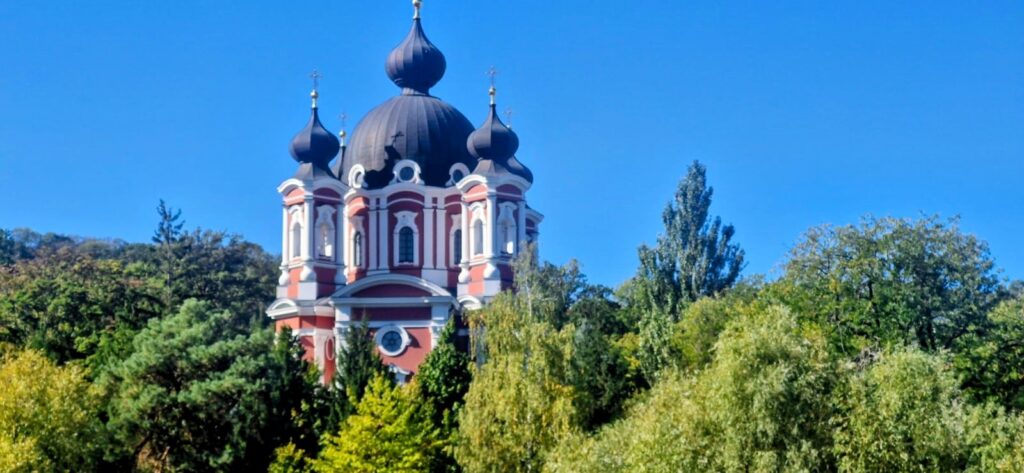
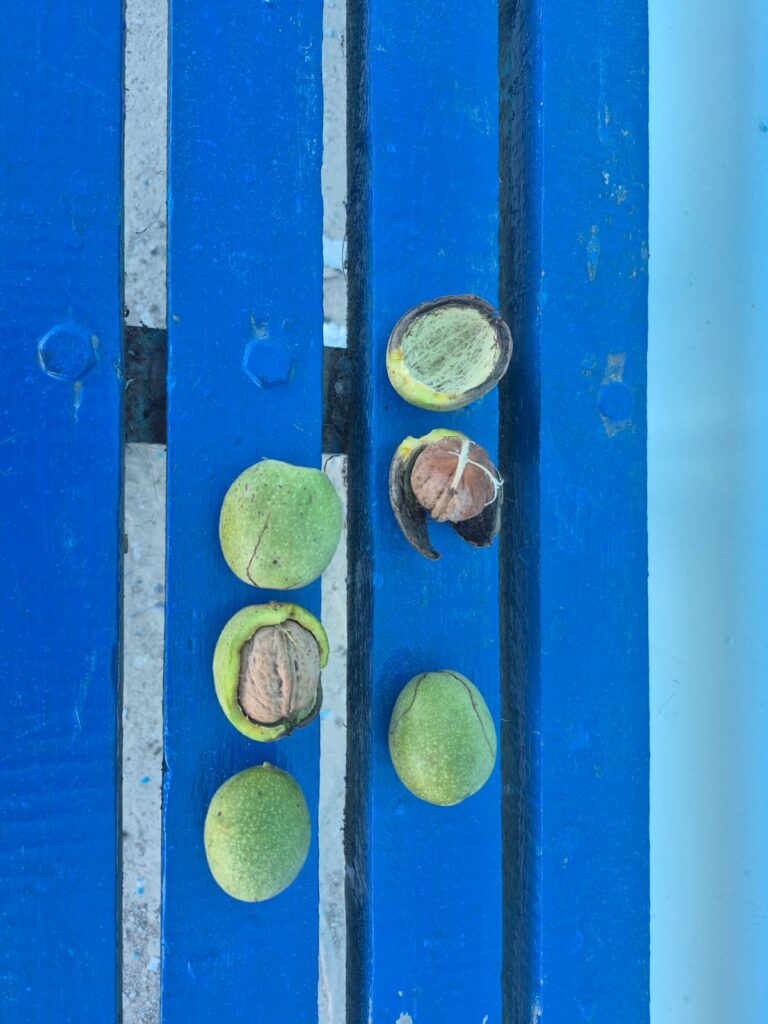
As we left, we picked a few walnuts from the roadside trees — a small, simple joy.
Then we caught another marshrutka heading toward Orhei, our next stop.
At the Orhei town bus stand, we spoke with the ticket lady about getting to Orheiul Vechi (Old Orhei) — our main destination. Though she didn’t understand English, she was friendly and efficient, writing down the timing and pointing us toward the right van.
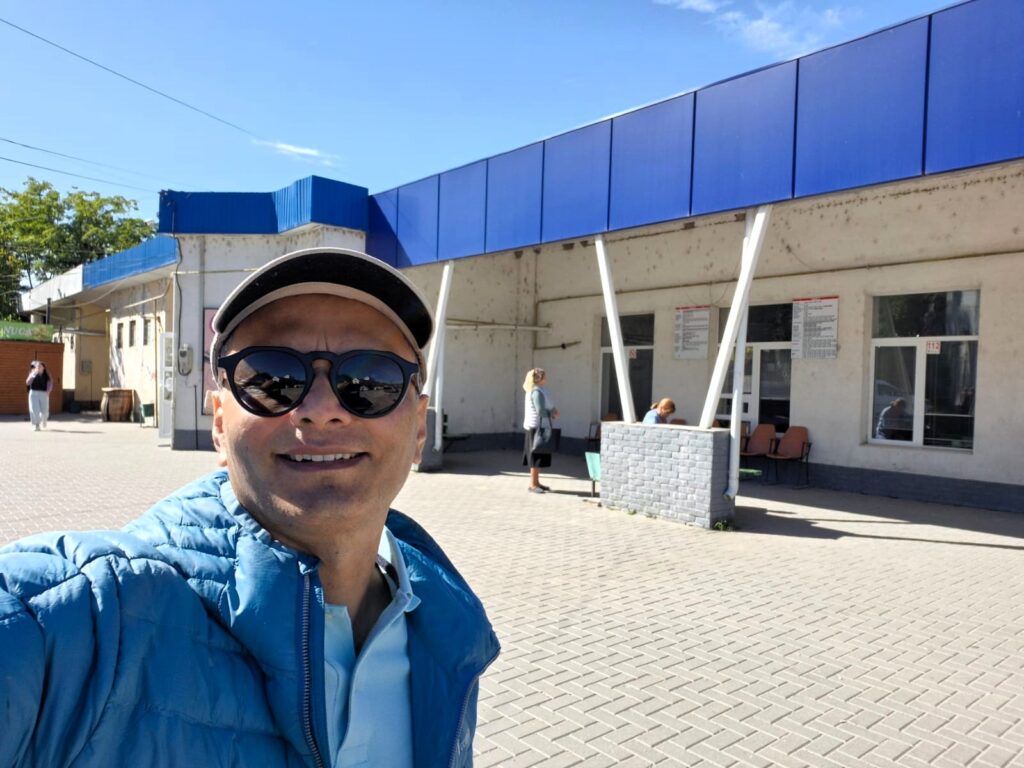
We waited about 20 minutes before our marshrutka left.
The Orheiul Vechi Monastery Complex (meaning “Old Orhei”) is one of Moldova’s most famous historical sites.
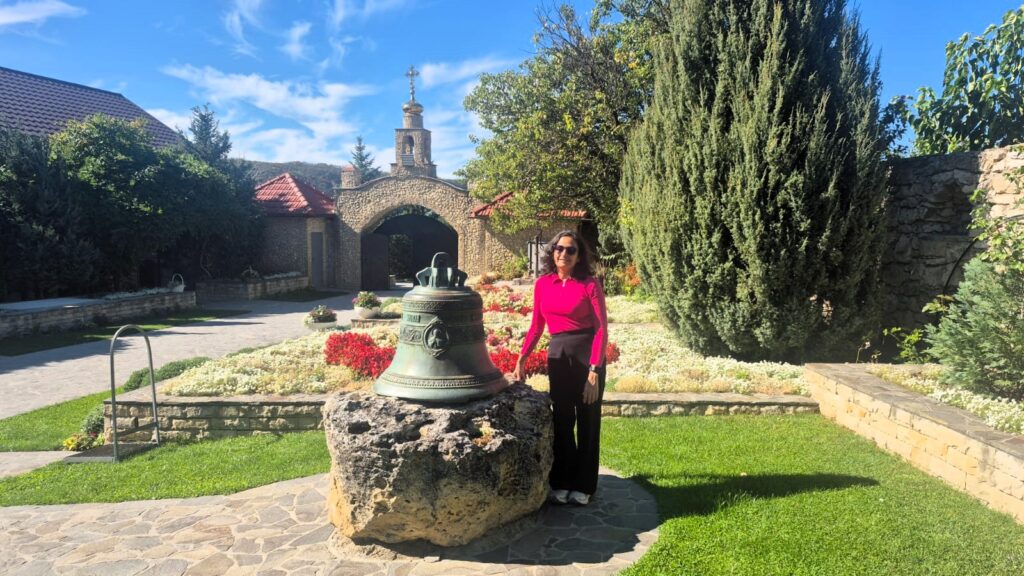
The drive there was scenic, passing through small Moldovan villages and farmlands before climbing into the hilly region above the Răut River.
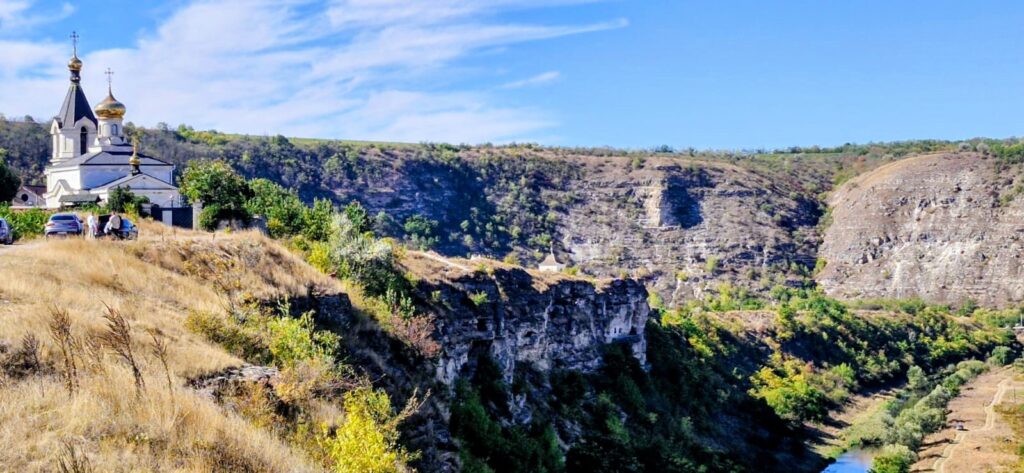
This site is extraordinary — a natural and historical wonder rolled into one. The cliffs here have been home to civilizations since ancient times.
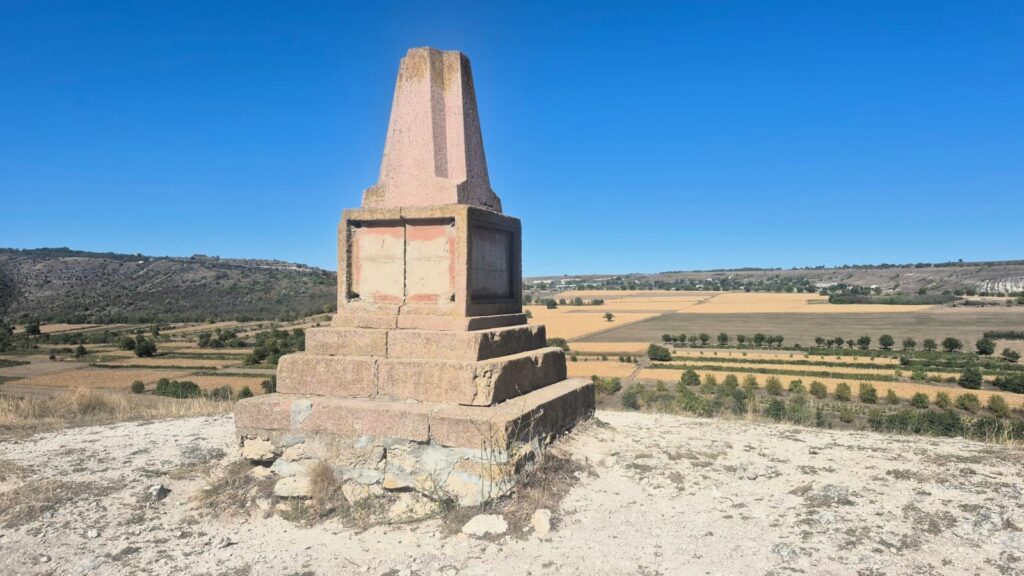
Archaeological traces show Geto-Dacian fortresses from the 6th to 1st centuries BC, a Golden Horde fort from the 14th century (known as Shehr al-Jedid), and the ruins of Moldavian fortifications and monasteries from the 14th–16th centuries.
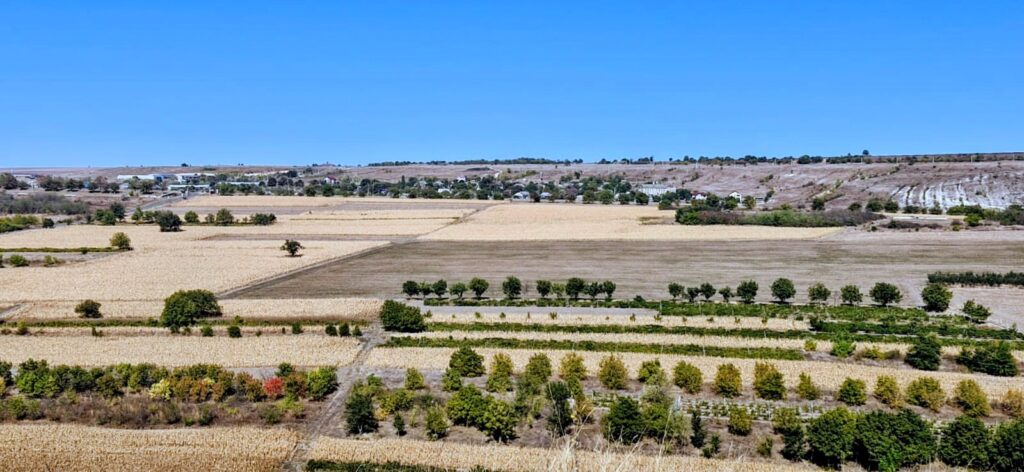
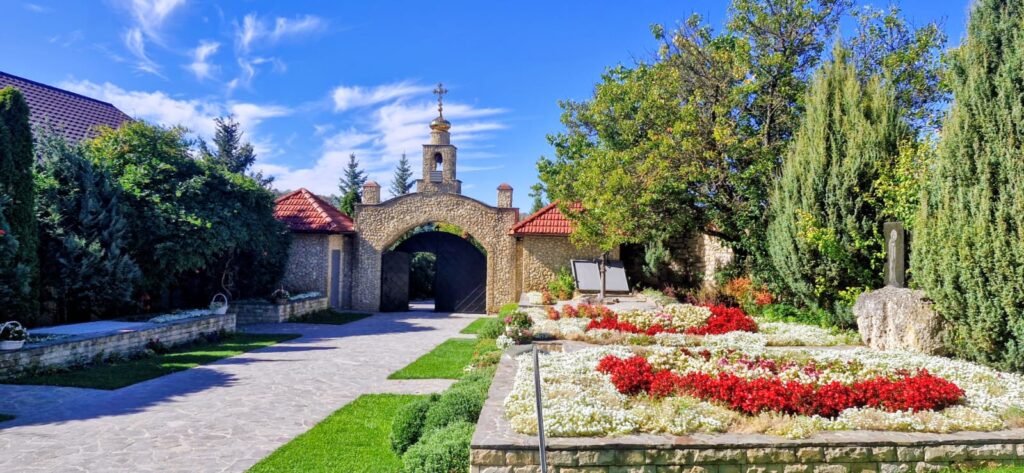
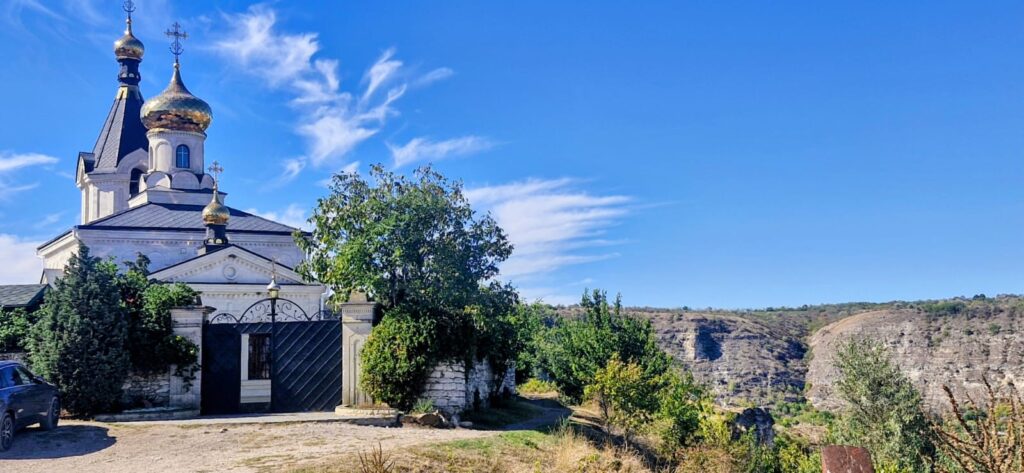
The monastery itself is built into the cliffs, with cave chapels carved directly into the limestone. Standing there, overlooking the winding Răut River and the green valley below, it felt easy to see why monks chose this isolated spot for contemplation.
The scenery was simply stunning — wide, peaceful, and unspoiled.
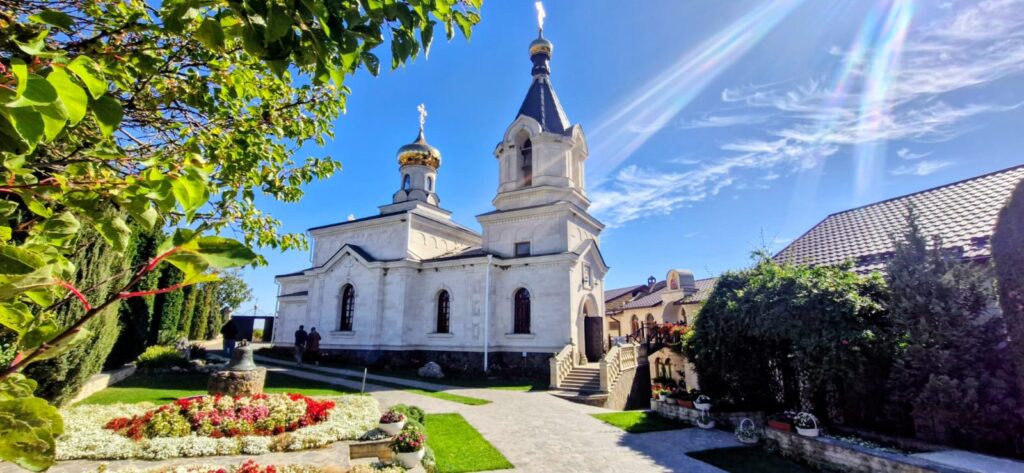
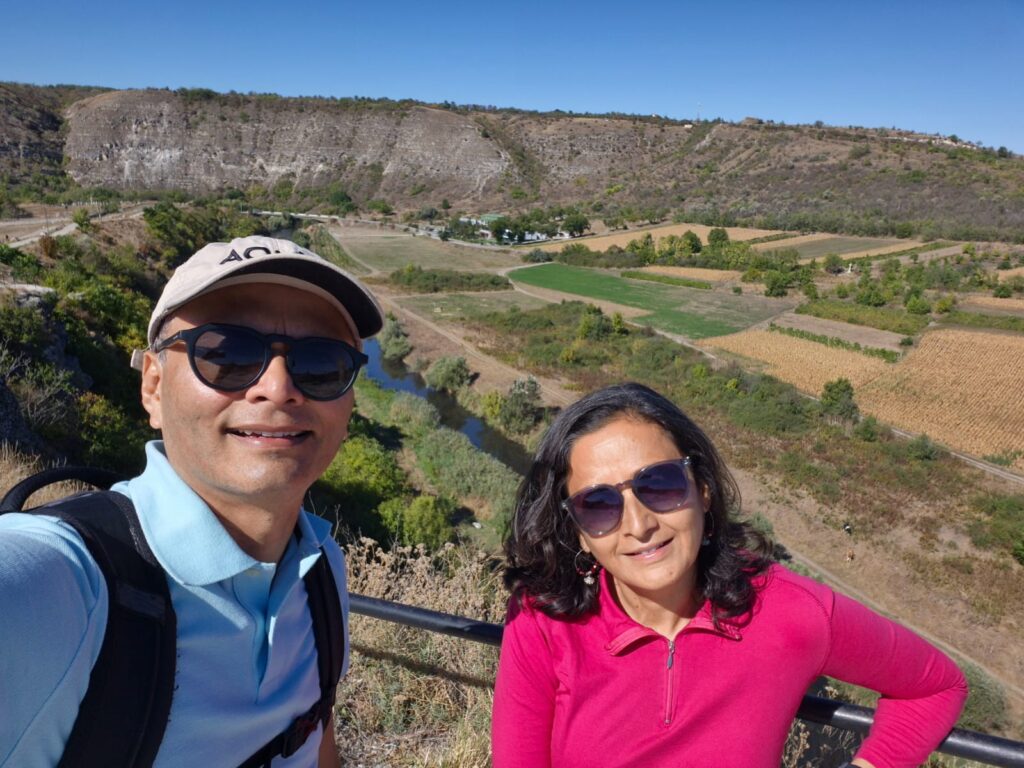
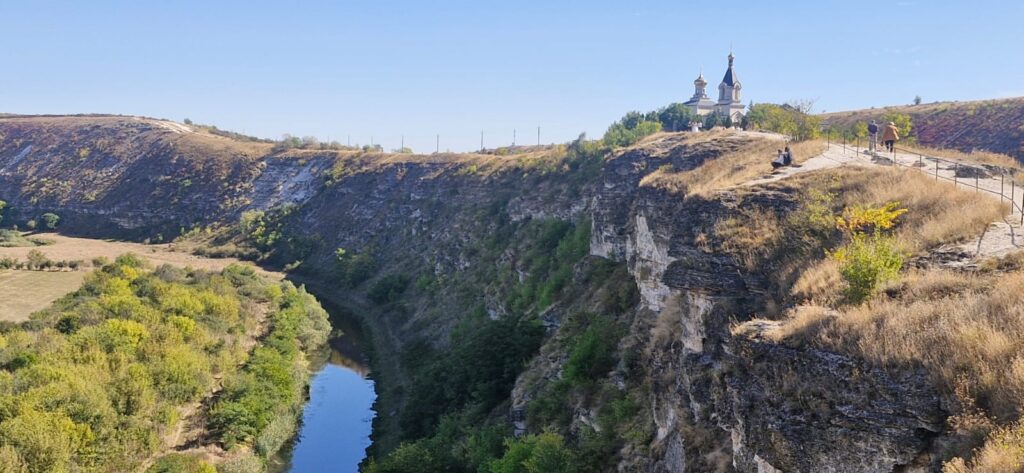
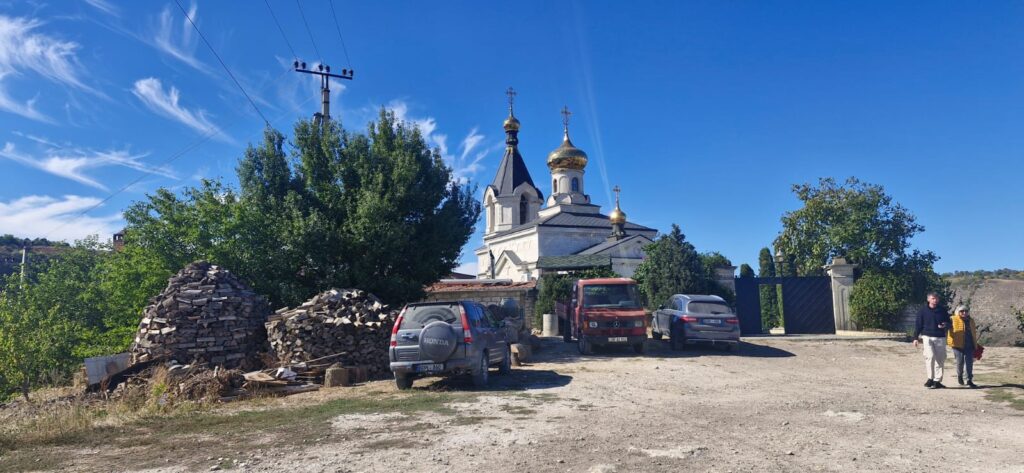
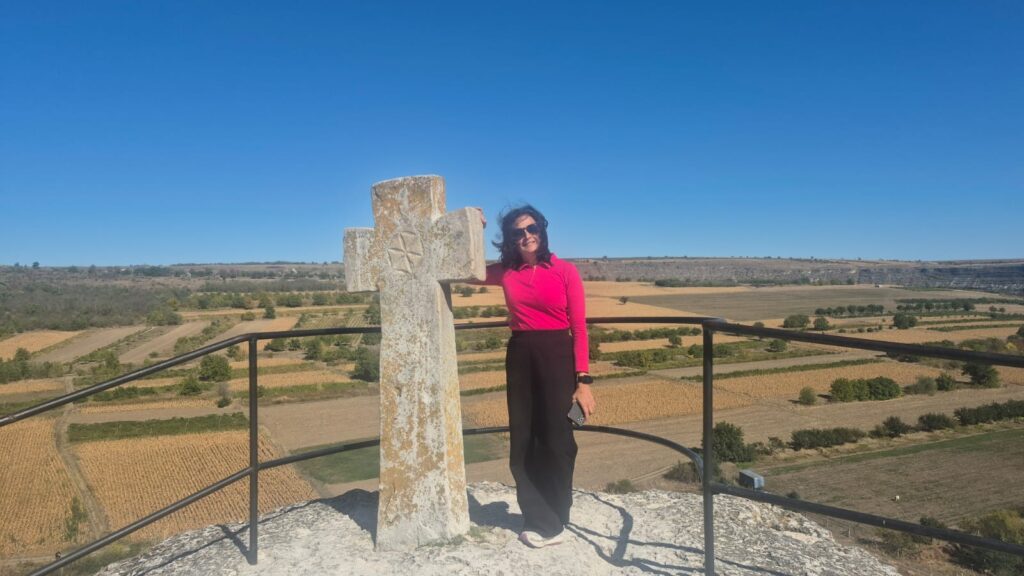
By the time we finished exploring, it was 2:20 p.m. We walked back to the small town of Butuceni, where we stopped at a café next to the bus stop. The woman at the restaurant told us the next marshrutka to Chișinău would be at 3:00 p.m., so we had plenty of time to relax.
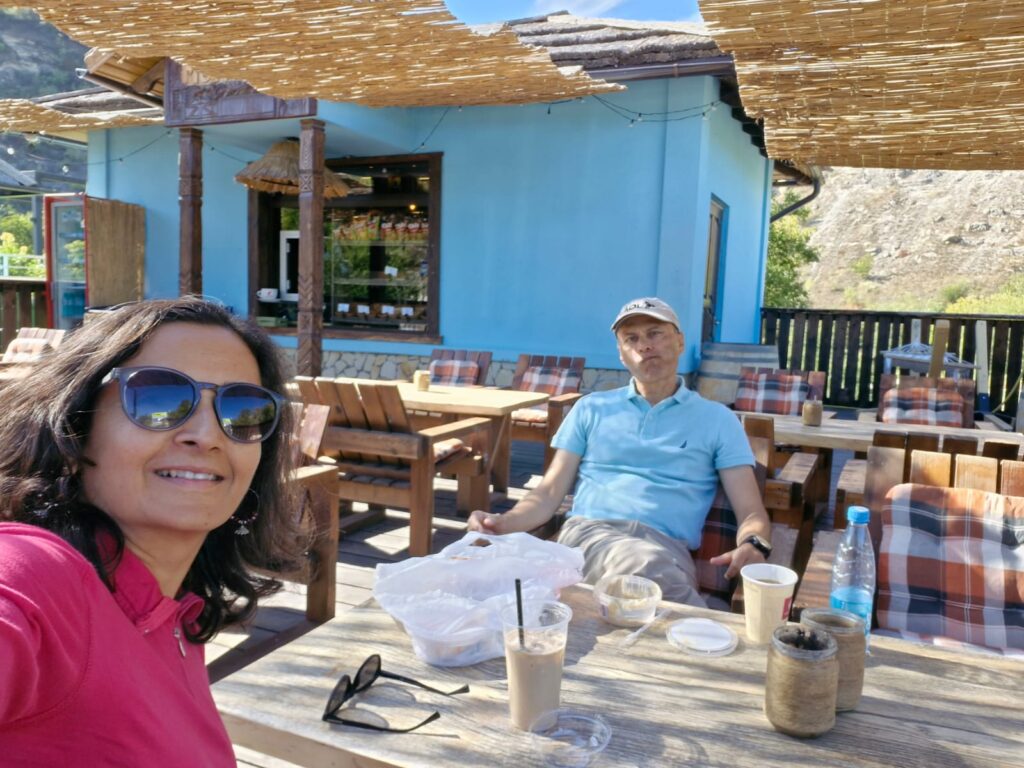
We ordered some coffee and enjoyed the hummus and bread we had packed for lunch — simple but satisfying.
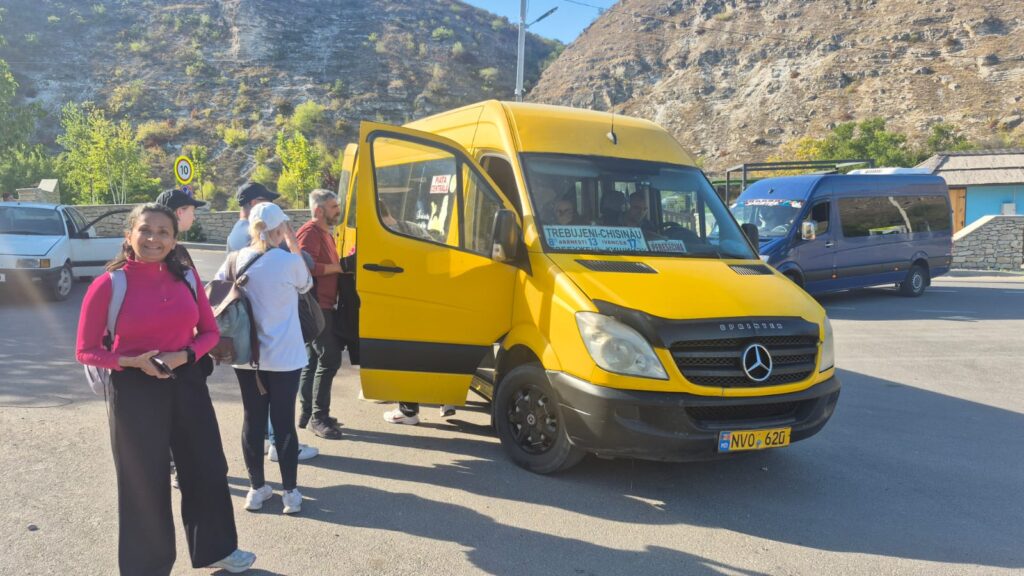
Our marshrutka arrived at 3:05 p.m. and brought us back to Chișinău by 4:30 p.m. The day had started with uncertainty — figuring out routes, timings, and communication — but it turned out to be one of our most enjoyable days in Moldova. Traveling this way, talking to locals, and relying on small kindnesses made the experience more personal.
And the best part? The entire day’s transportation cost us just $17 for both of us — comfortable, authentic, and efficient.
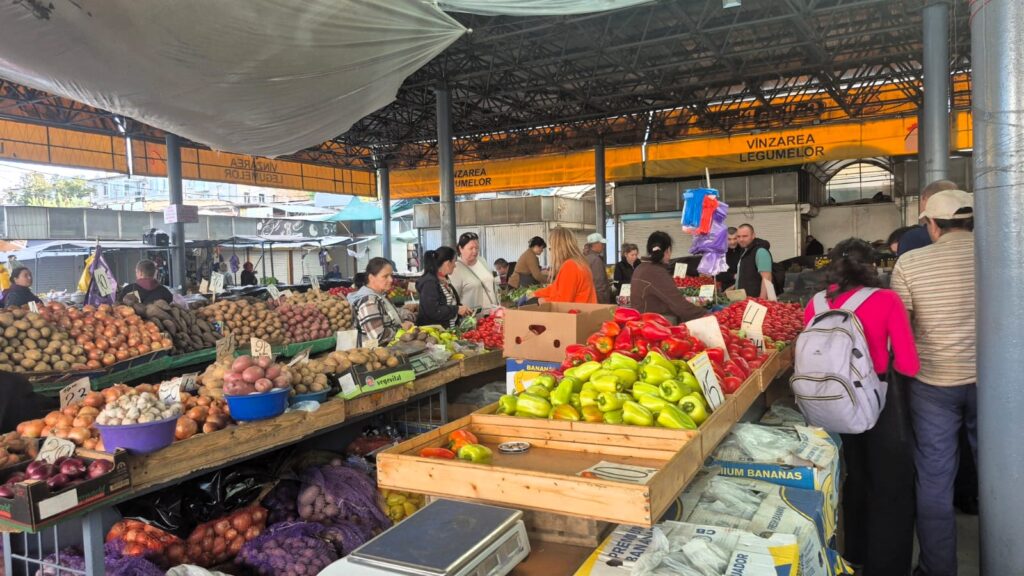
We walked back through the fruit and vegetable market, wanting to finish the last of our Moldovan cash.
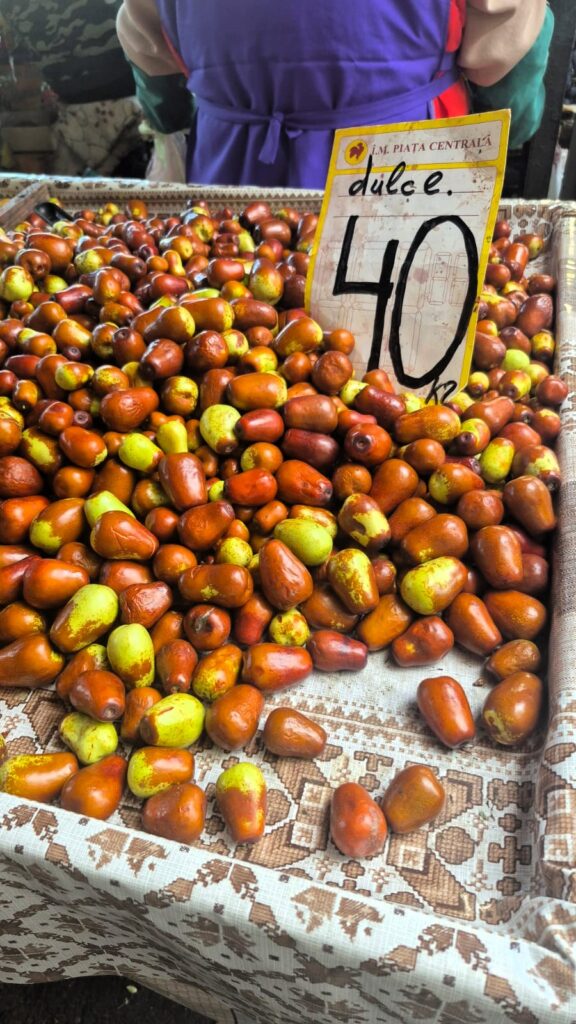
The fruit here is unbelievably cheap and delicious — and we indulged. Prunes and apples for ₹50 a kilo, peaches and plums for ₹100, donut peaches for ₹100 — all fresh and juicy.
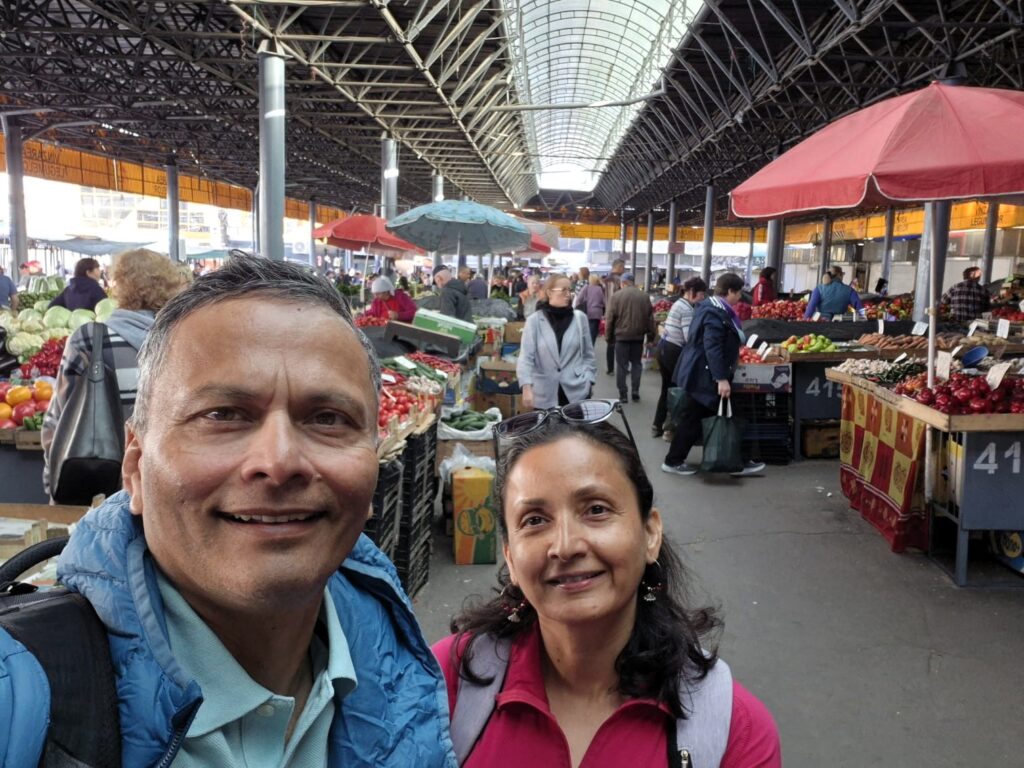
In the last two days, both of us must have eaten nearly 1–2 kilos of fruit a day, and thankfully, our stomachs are holding up fine!
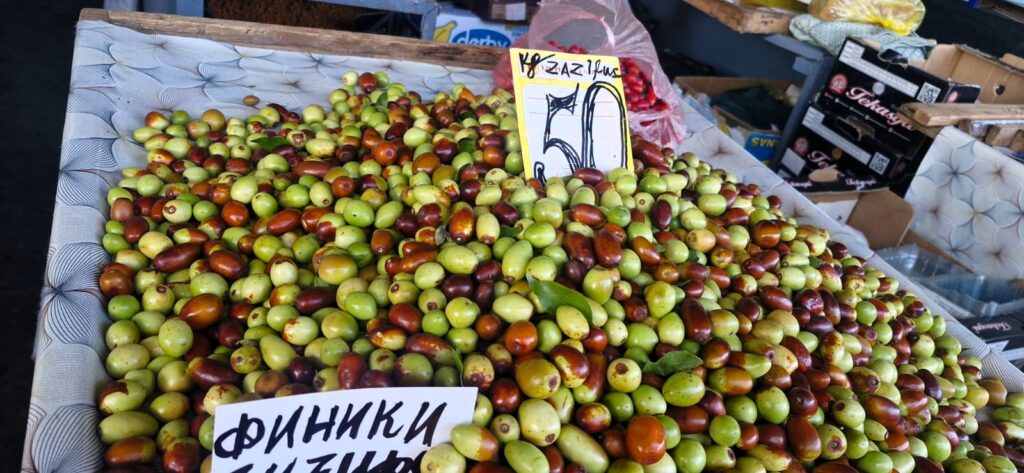
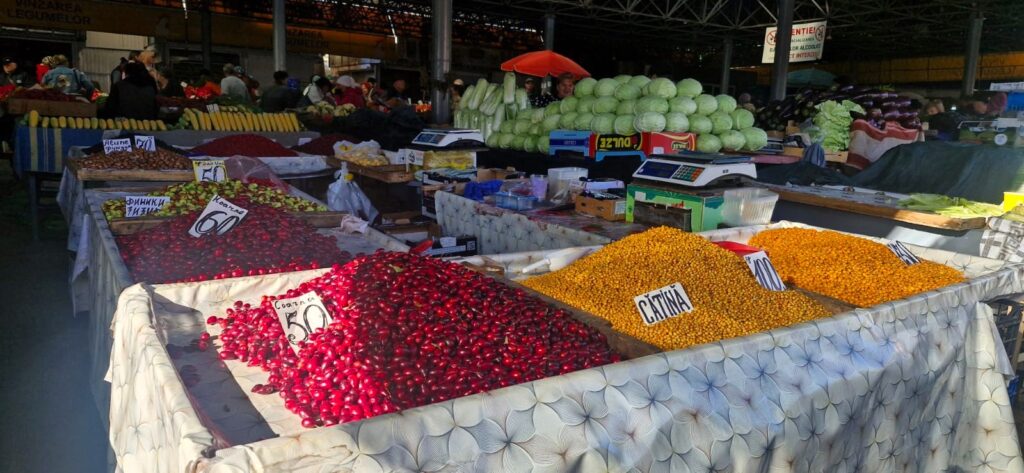
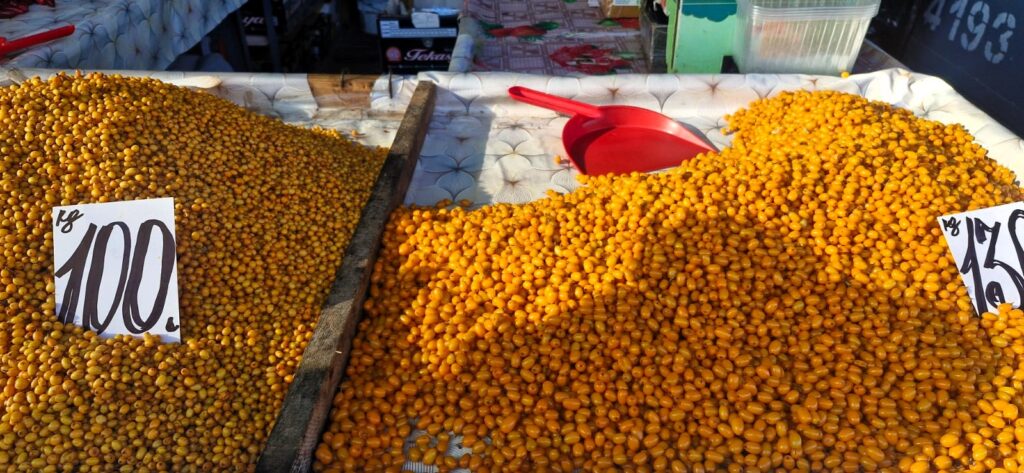
We wandered a bit more before heading back to our apartment at 5:45 p.m.
It was a relaxed but deeply rewarding day — discovering Moldova’s monasteries and countryside, not through a tour, but by doing it the local way.
Day 4: Saturday, September 27 — Bucharest, Romania
As we’ve been traveling through Georgia, Armenia, Azerbaijan, and Moldova, one common thread stands out — all of them were once part of the Soviet Union. They broke away after 1991, each carving out a new national identity while carrying traces of their Soviet past. But the most amusing and heartwarming part? Wherever we went, the moment people realized we were Indian, their faces lit up — and almost without fail, they’d ask, “Do you know Jimmy?”
They were, of course, referring to Jimmy Jimmy, the hit song from the 1982 Bollywood movie Disco Dancer, starring Mithun Chakraborty. The movie made about ₹6 crore in India, but it became a massive cultural phenomenon across the Soviet Union, earning over ₹80 crore there. Even today, decades later, people across the former USSR still hum “Jimmy Jimmy, Aaja Aaja”. It’s incredible — they might not know Amitabh Bachchan or Rajesh Khanna, but they know Raj Kapoor and Jimmy. The same happened to us in Kazakhstan, Kyrgyzstan, Uzbekistan, and Tajikistan too — Jimmy unites the old Soviet world!
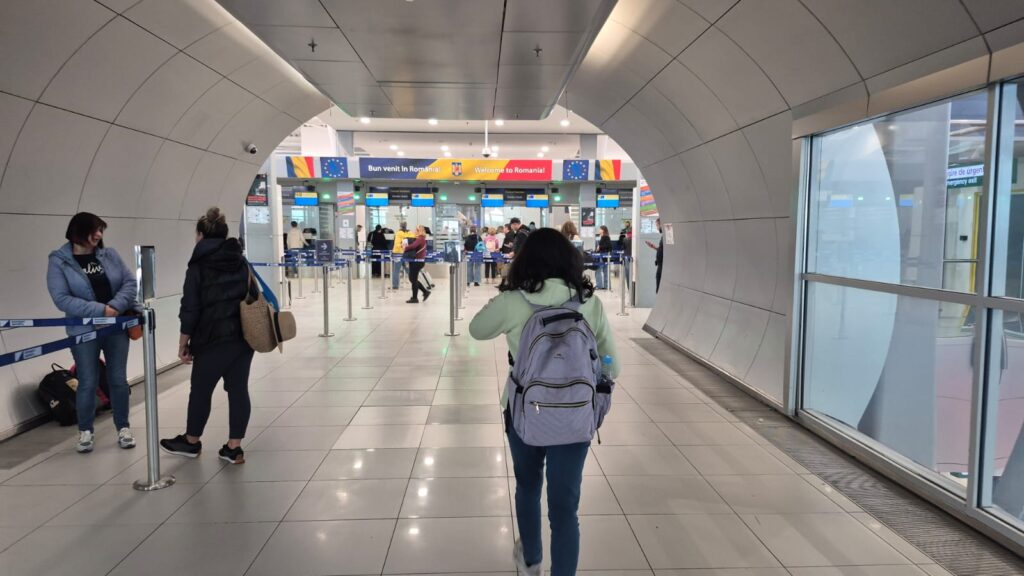
Our morning began early with a flight from Chișinău to Bucharest at 8:30 a.m. (Bucharest airport code OTP — easy to remember 😄).
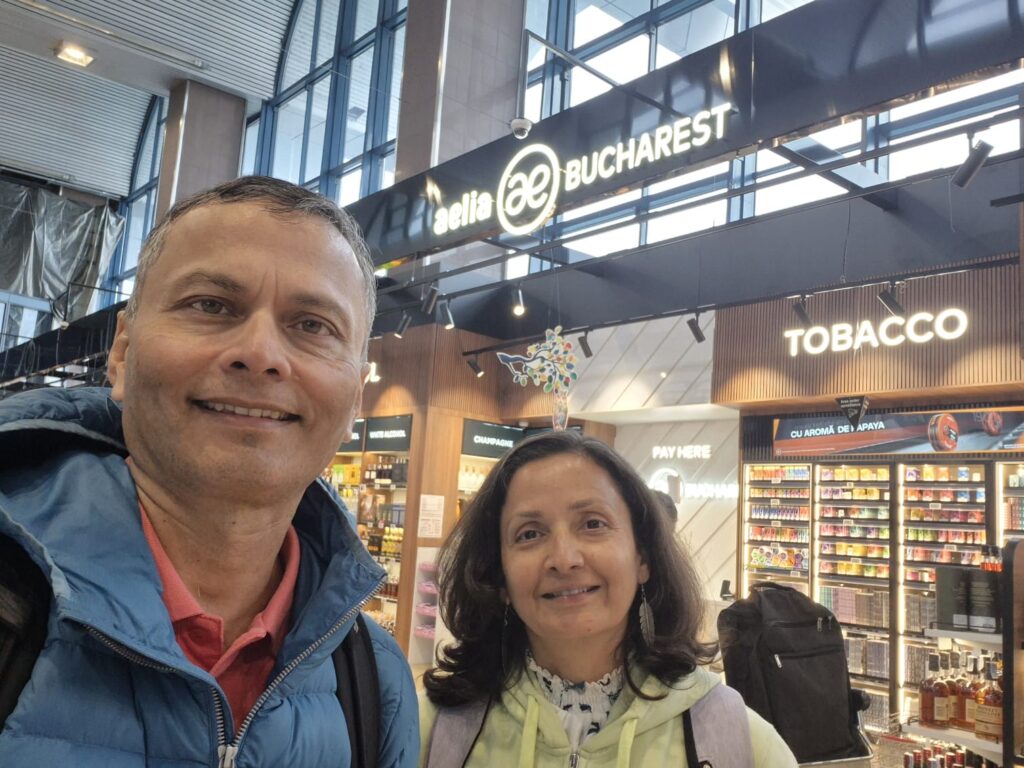
The flight took just an hour, and by 9:30 a.m., we were in Romania. From the airport, we caught the train into downtown Bucharest, and soon checked into the Hilton Garden Inn, conveniently located in the city center.
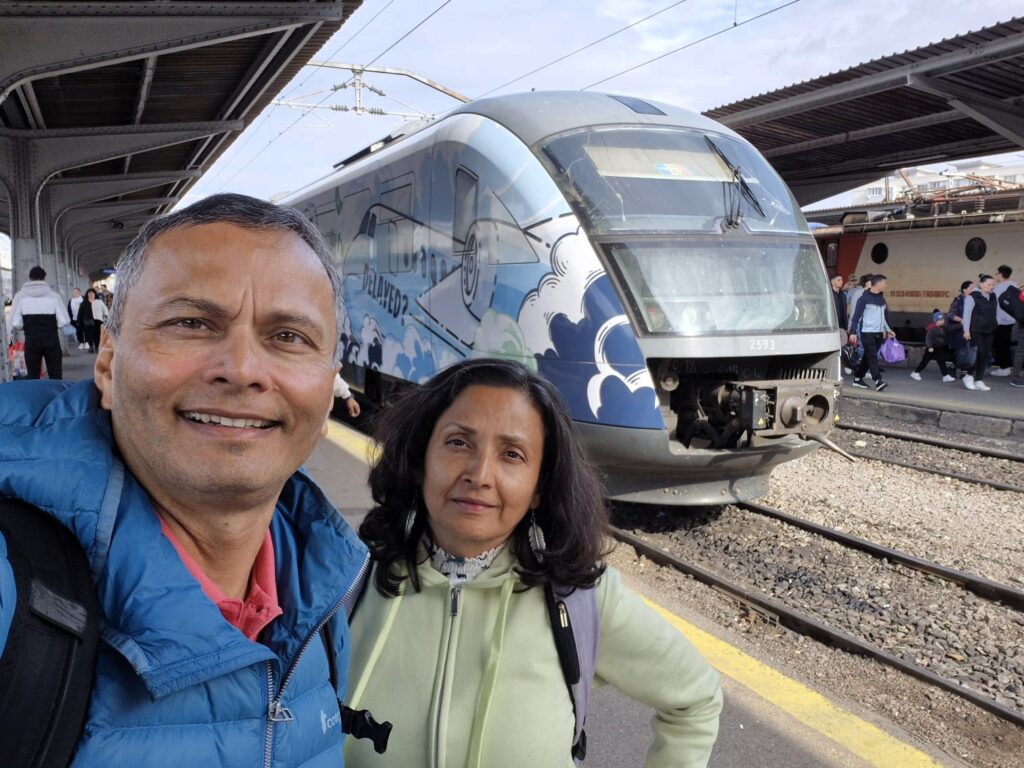
Our first stop was Sfântul Nicolae Church, also known as the St. Nicholas Russian Church, just a short walk from the hotel.
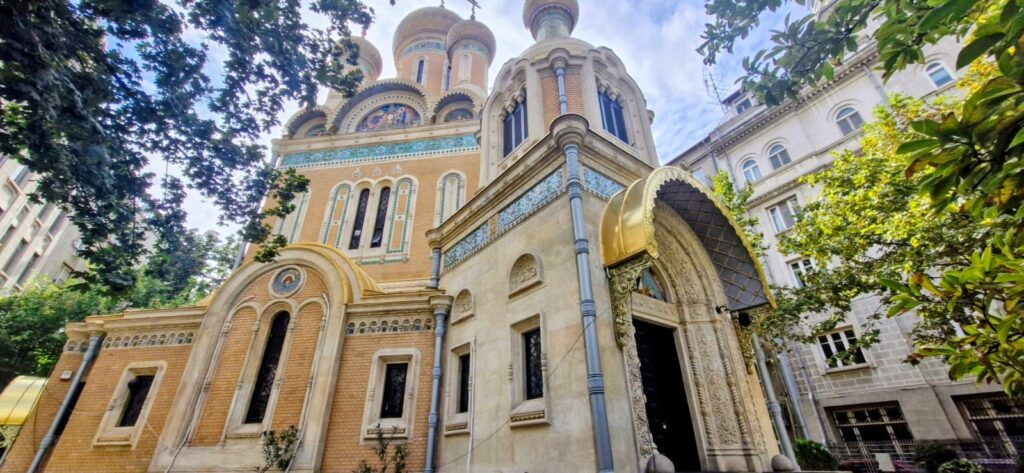
Built in 1905 under the patronage of Tsar Nicholas II, this ornate church is one of the most beautiful examples of Russian architecture outside Russia — gold onion domes gleaming against the sky, and richly painted icons inside. It’s also known as the Biserica Rusă or “Russian Church,” and sits near the University of Bucharest area.
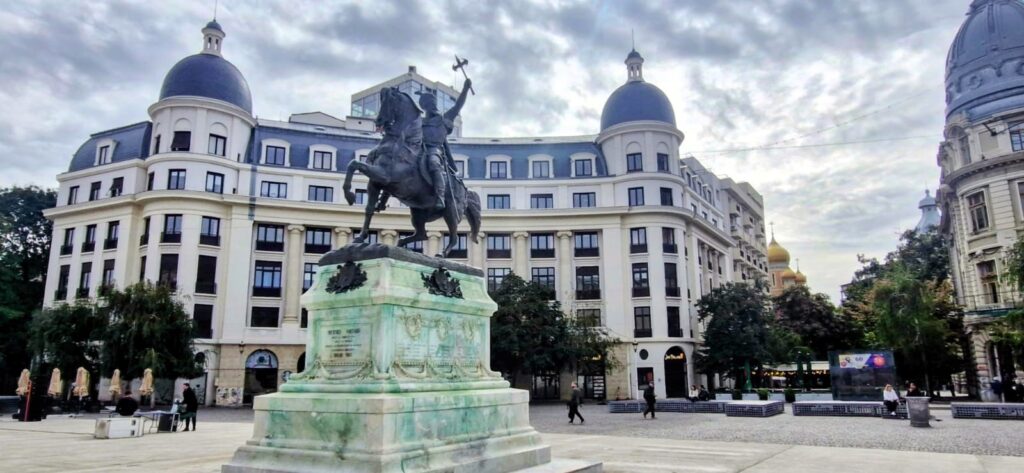
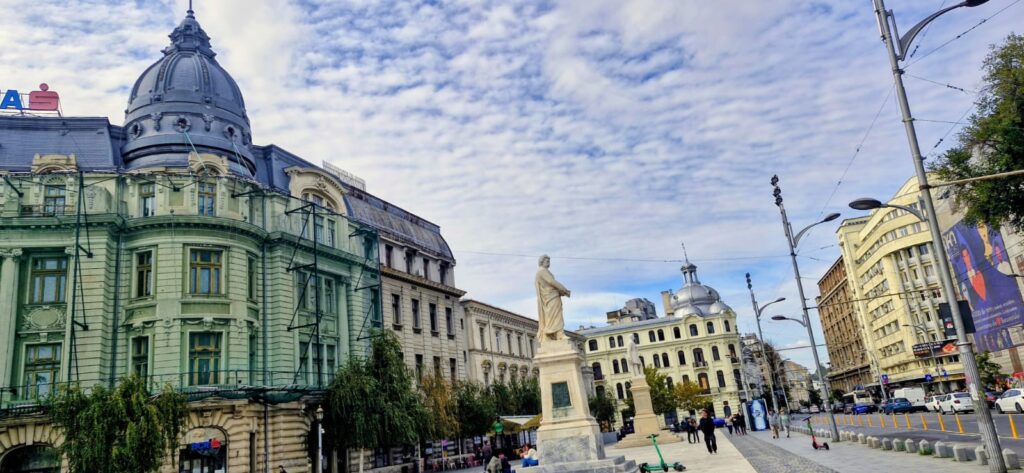
Next, we wandered to University Square, a bustling hub surrounded by university buildings, government offices, cafés, and restaurants.
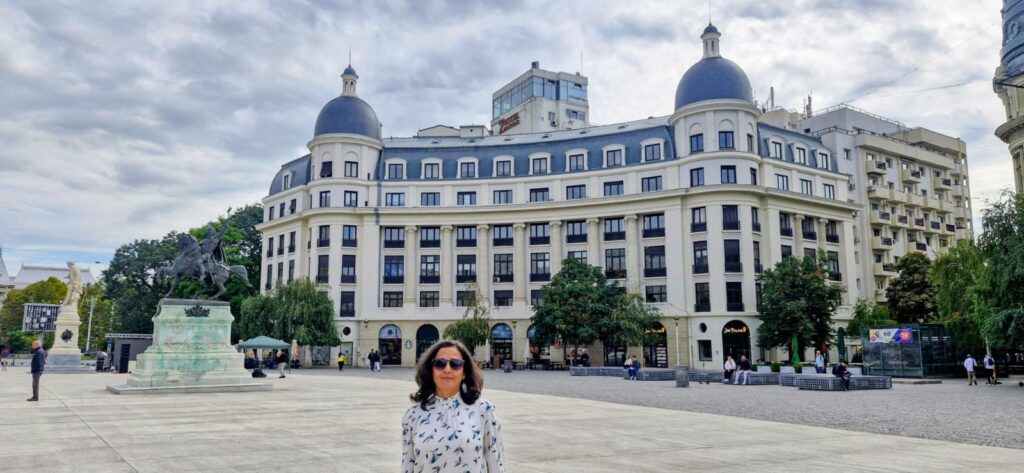
The area is lively — a mix of students, tourists, and locals — and offers a first taste of Bucharest’s energetic spirit.
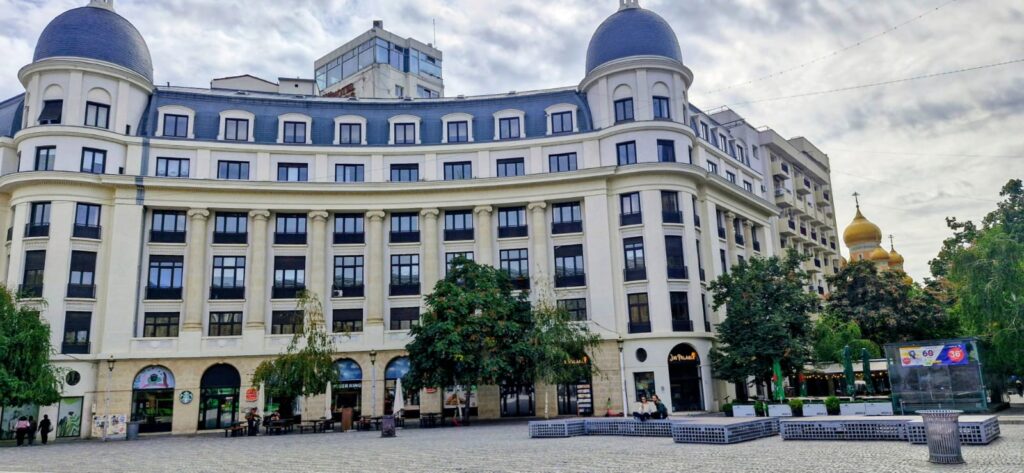
Nearby stands the National Military Club (Cercul Militar Național) — a stunning building in French Neoclassical style, designed by architects Dimitrie Maimarolu and Victor Ștefănescu in the early 20th century.
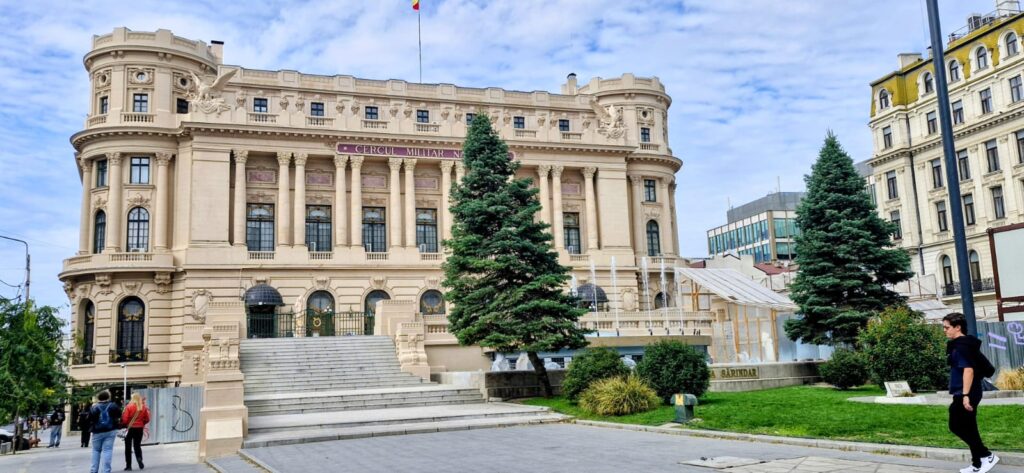
It’s both a cultural venue and a social club, hosting art exhibitions, book launches, and even tango evenings. From the outside, with its ornate façade and tall columns, it looks like it belongs in Paris.
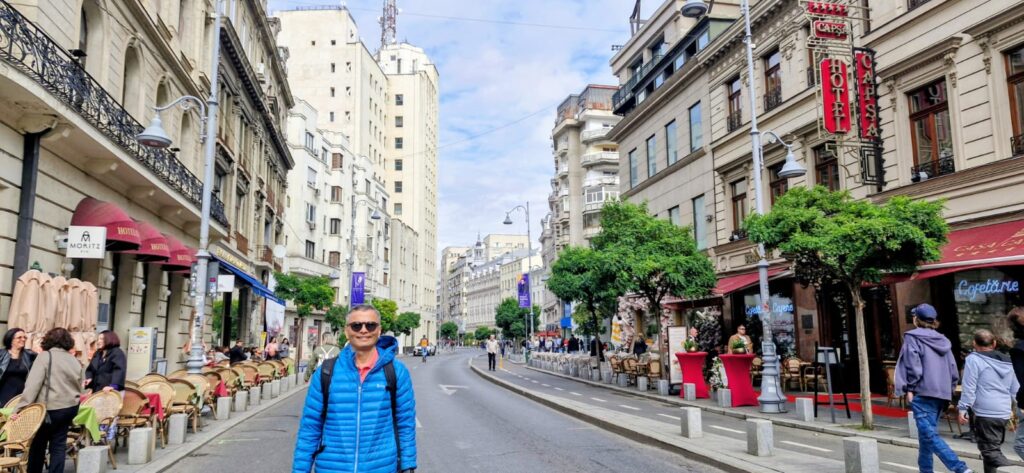
We continued our walk along Calea Victoriei (Victory Avenue), one of Bucharest’s oldest and most elegant boulevards, lined with grand architecture and historic landmarks. One restaurant there was decorated with colorful umbrellas hanging overhead — a cheerful splash against the grey autumn sky.
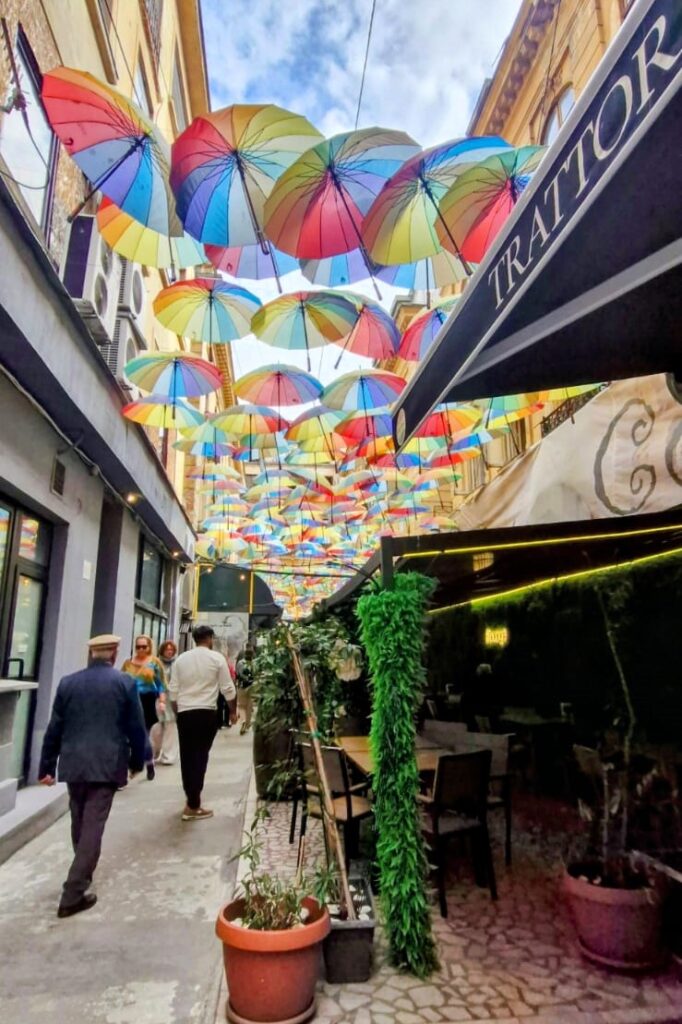
We saw a vintage car rally with Dacia, BMW, Alfa Romeo, Ford Mustang cars, a restaurant decorated with umbrellas.
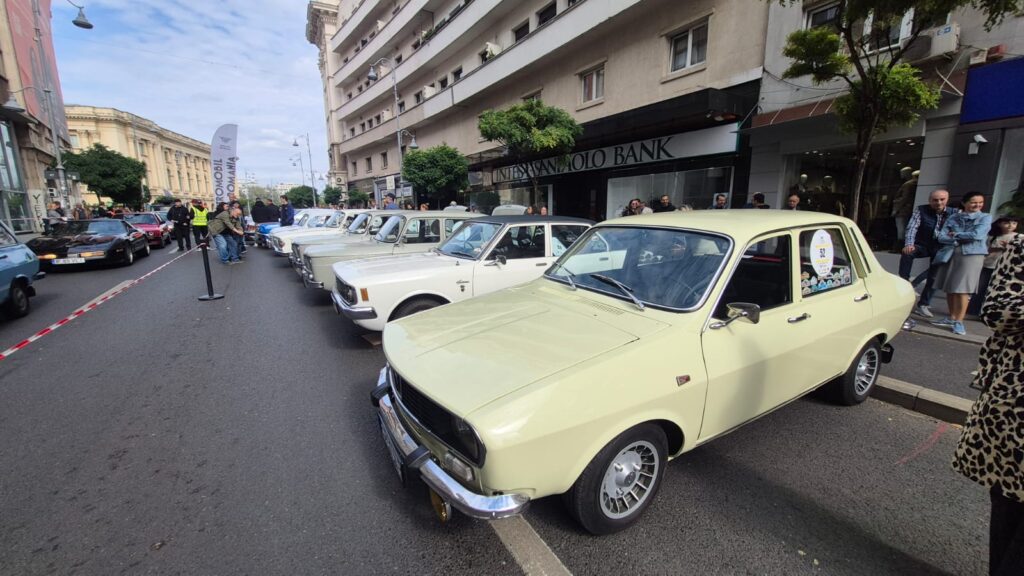
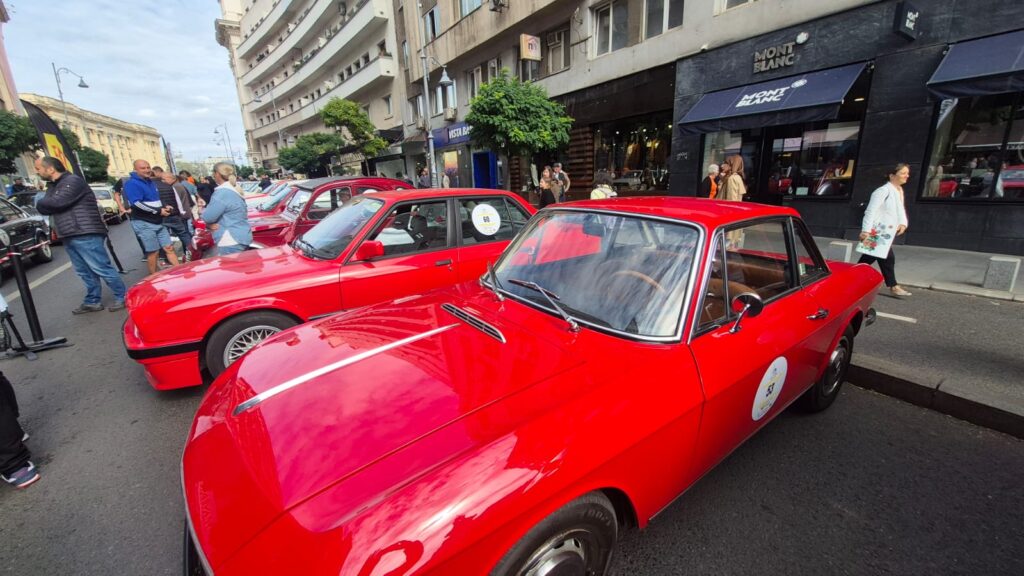
Our next stop was the Kretzulescu Church, a small but graceful Eastern Orthodox church built in 1722 by the court official Iordache Kretzulescu and his wife Safta, daughter of Prince Constantin Brâncoveanu.
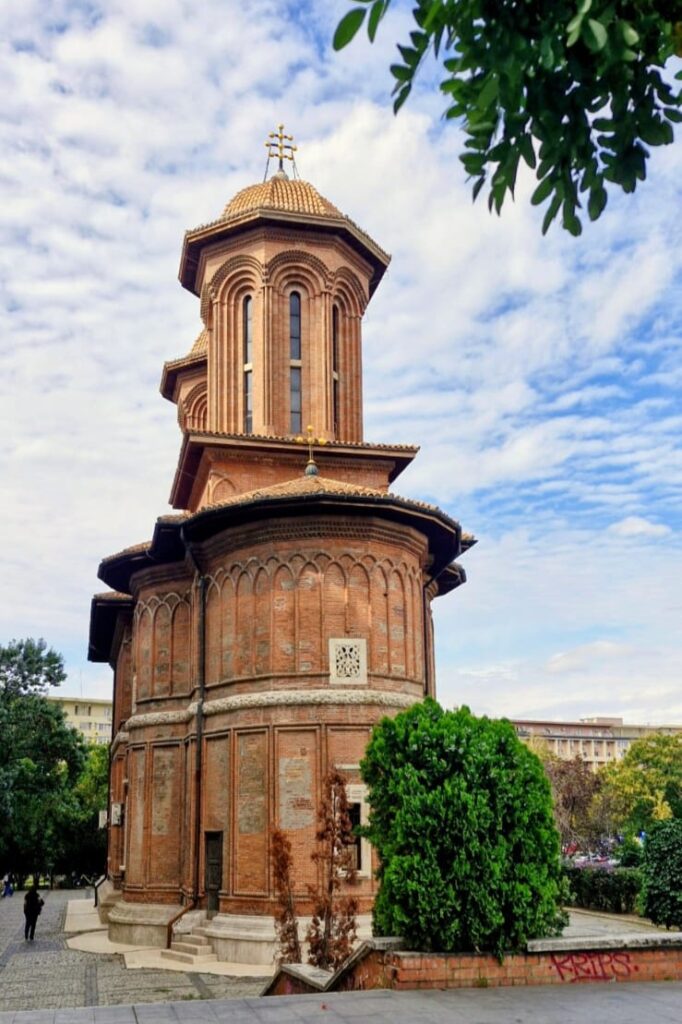
Despite being centuries old, it’s beautifully preserved, with red brick walls and arched frescoes.
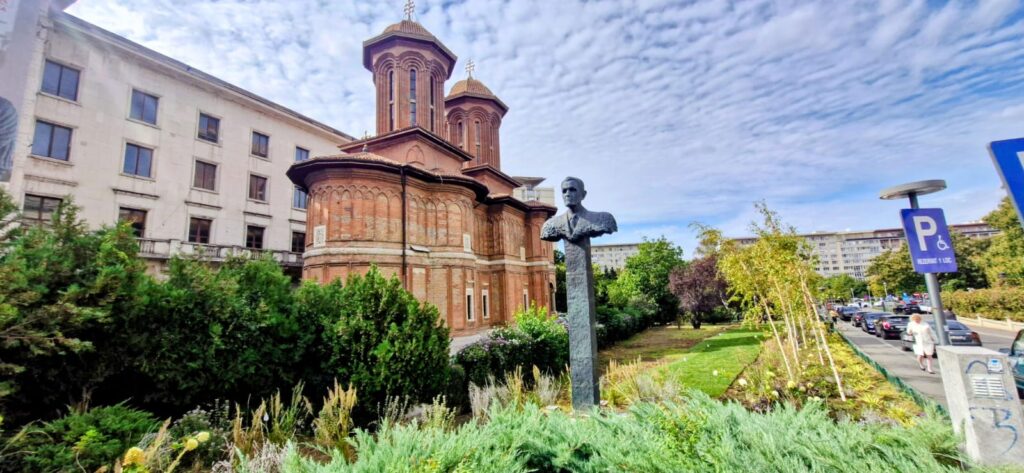
We happened to walk in during a baptism ceremony, which added a quiet sense of continuity — centuries-old rituals still alive in a busy modern city.
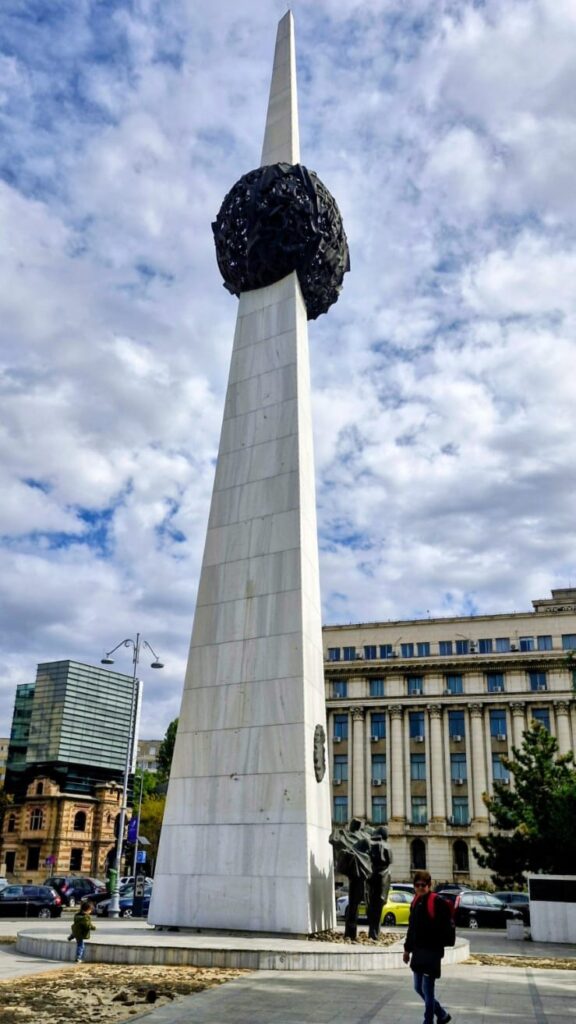
A short walk away, we reached Revolution Square, one of the most symbolic places in Romania. This is where the 1989 Romanian Revolution unfolded — the mass protests that brought down Nicolae Ceaușescu, the communist dictator who had ruled the country for over two decades. Standing here, surrounded by grand buildings, it’s hard not to imagine the scenes of December 1989 when the crowd turned against Ceaușescu as he gave his final speech from the nearby balcony.
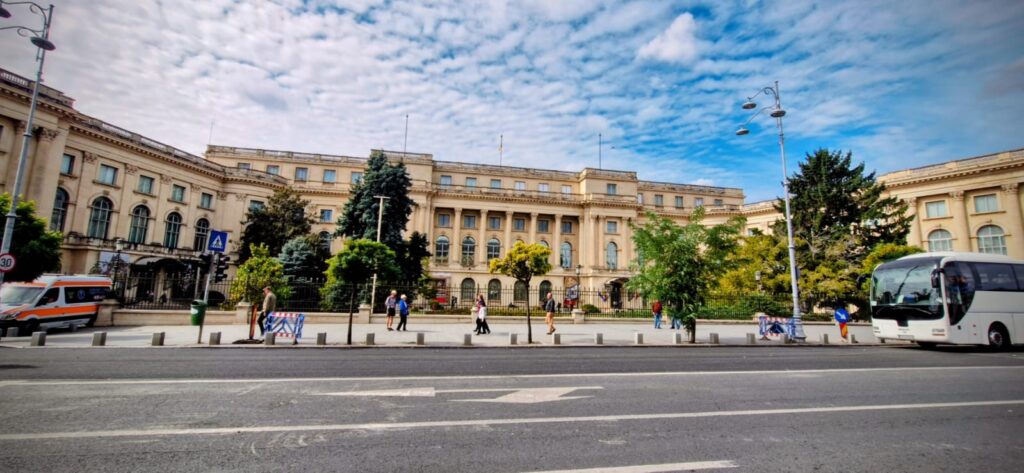
Along the same boulevard stand the National Museum of Art and the Royal Palace — both impressive structures that speak to Romania’s royal past.
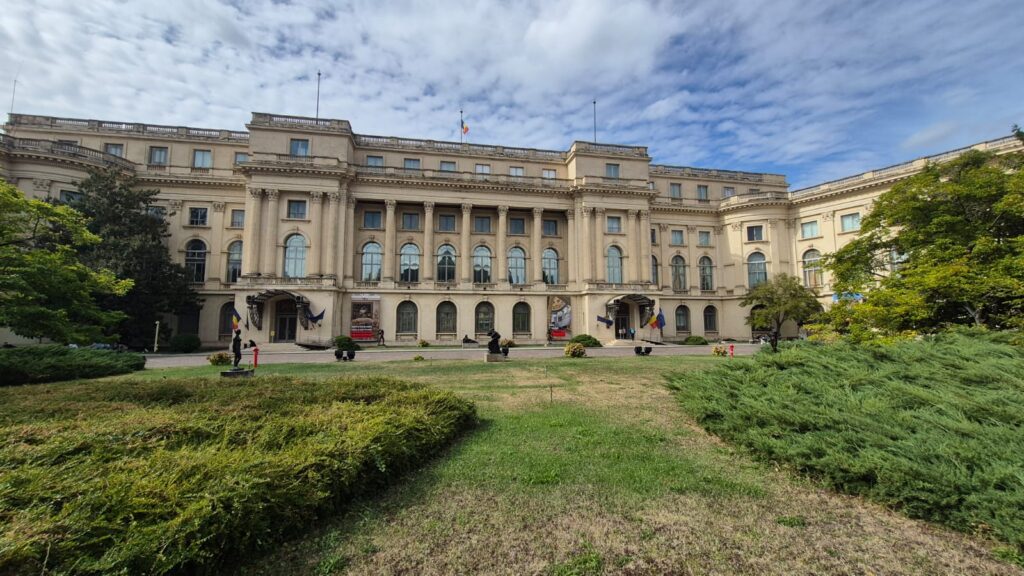
The museum houses medieval icons, modern Romanian art, and works collected by the royal family, making it one of the country’s premier art collections.
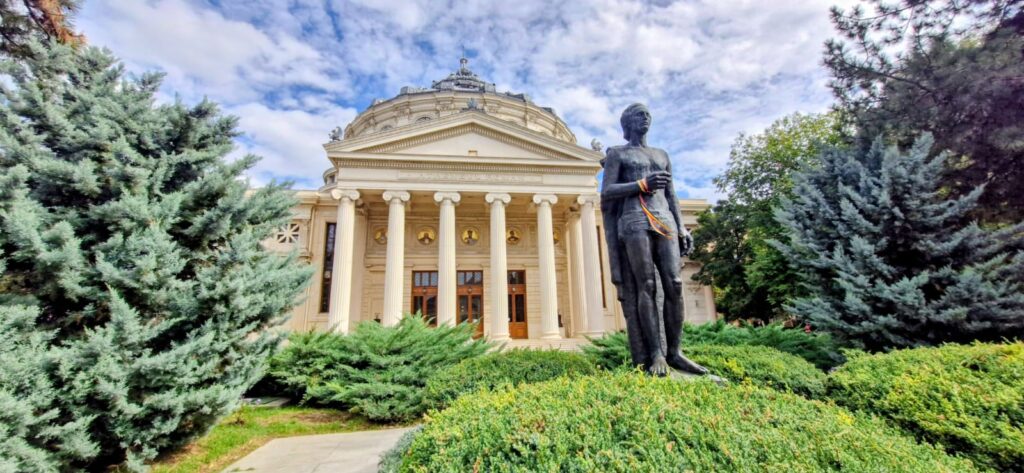
Just beyond is another of Bucharest’s icons — the Romanian Athenaeum, an elegant domed concert hall that opened in 1888. It’s considered the city’s most prestigious performance venue and home to the George Enescu Philharmonic Orchestra.
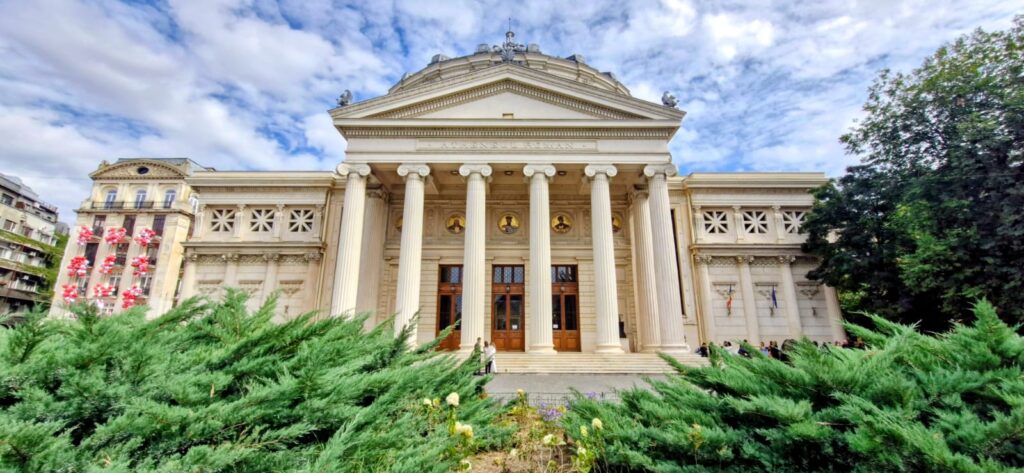
With its Corinthian columns and rotunda, it’s a proud symbol of Romanian culture and resilience.
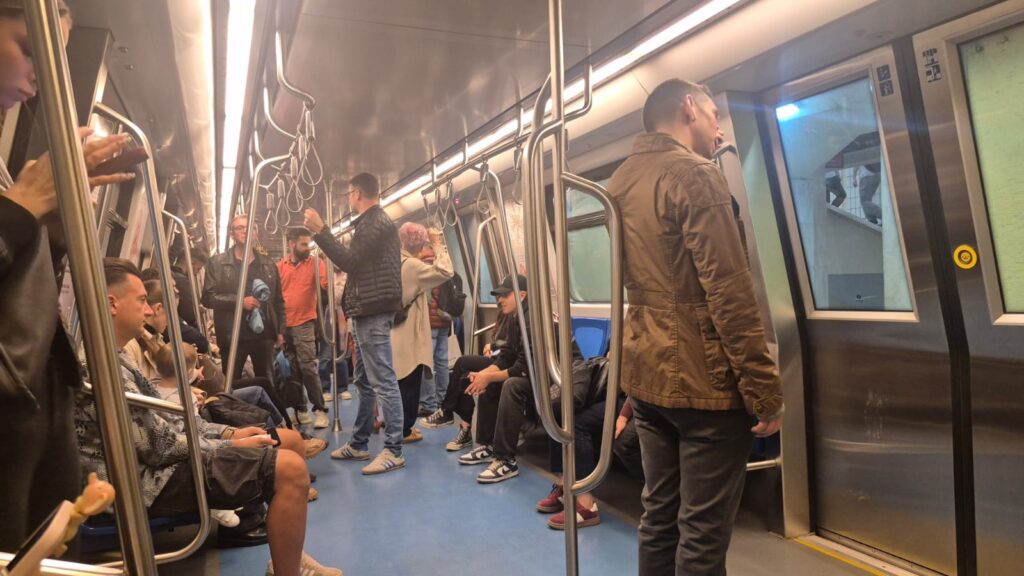
From there, we hopped on the Bucharest Metro, paying a flat fare of 5 lei per ride (around $1.15).
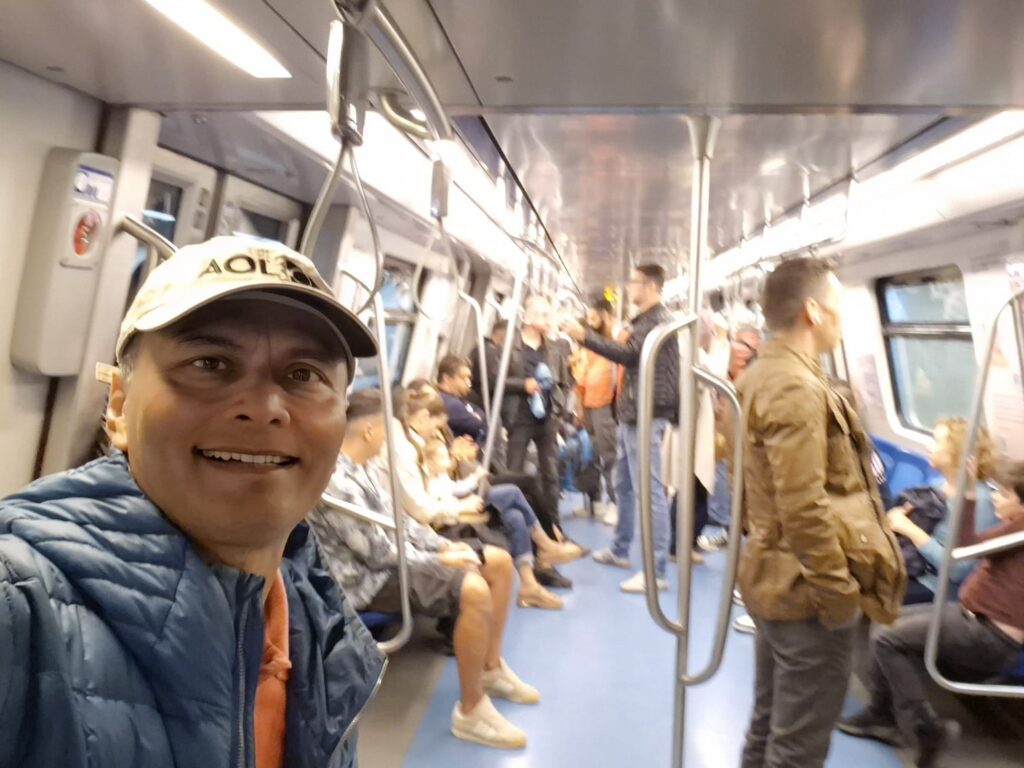
The stations look a bit dated, with Soviet-era tiling and dim lighting, but the network works well.
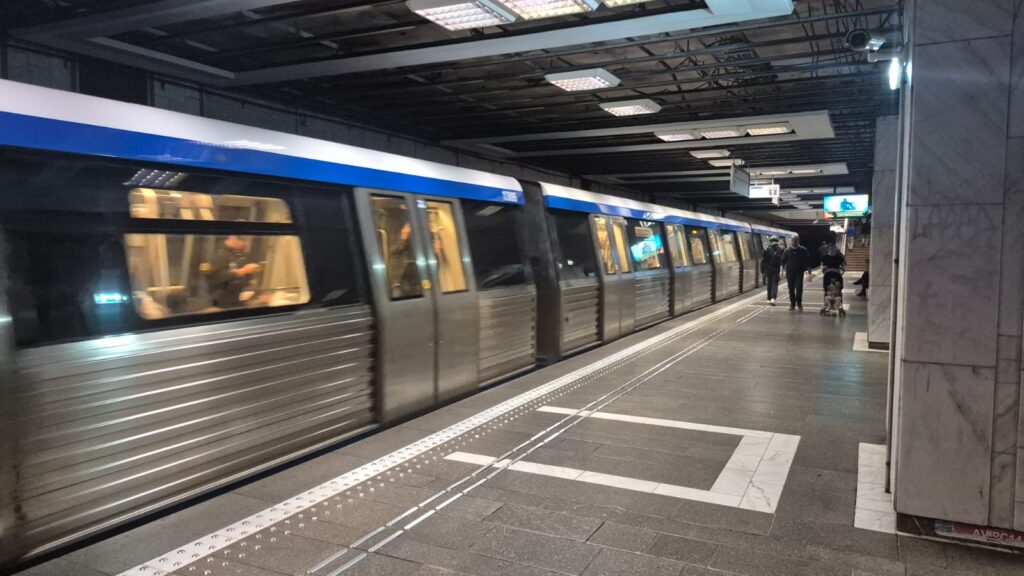
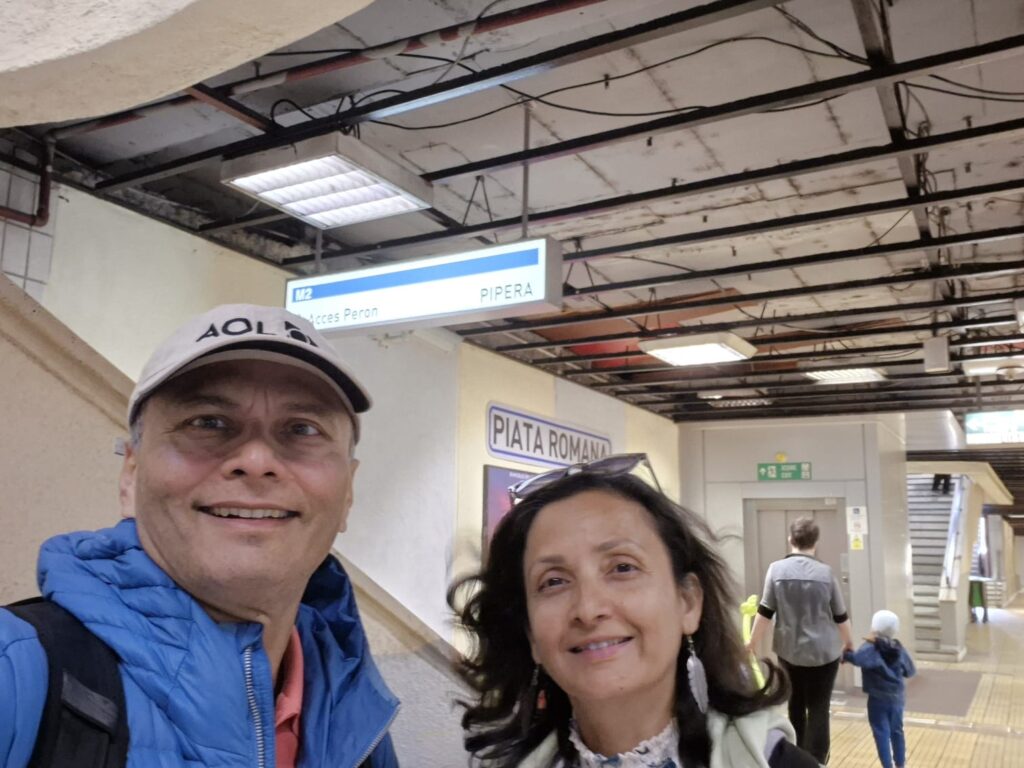
Our destination was the Arcul de Triumf — Bucharest’s own Triumphal Arch, inspired by the one in Paris.
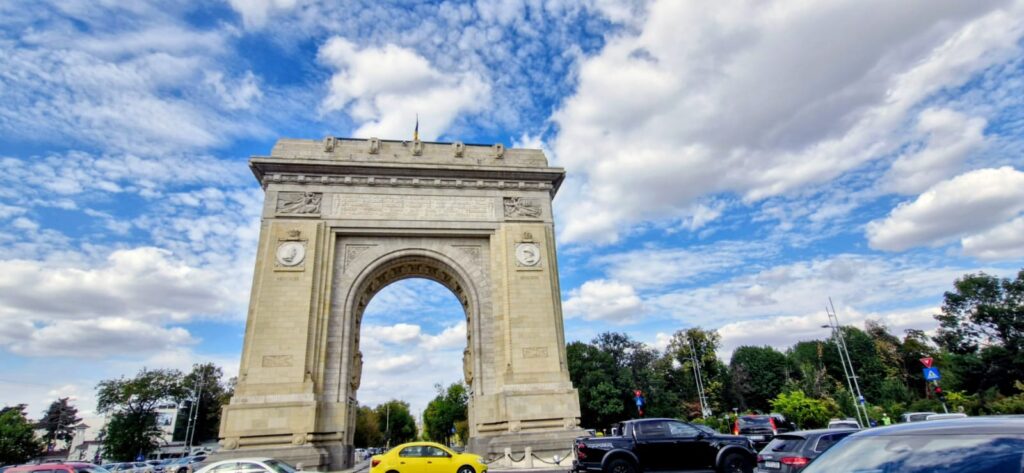
The original wooden structure was built in 1921–22 to celebrate Romania’s victory in World War I, then rebuilt in stone in 1935–36 by architect Petre Antonescu, and restored again in recent years.
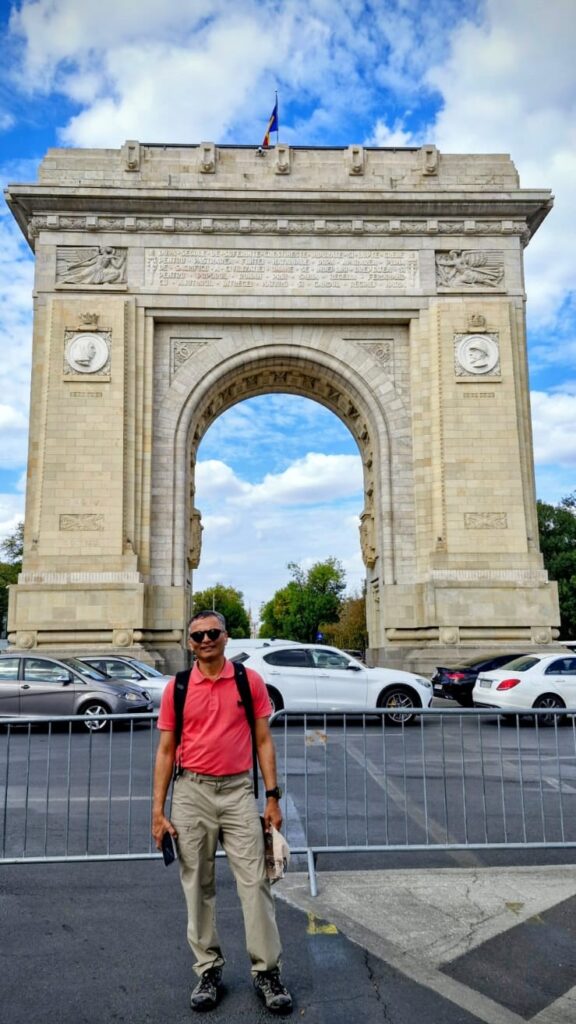
The arch honors King Ferdinand I and Queen Marie, who united Romania’s provinces into a single nation.
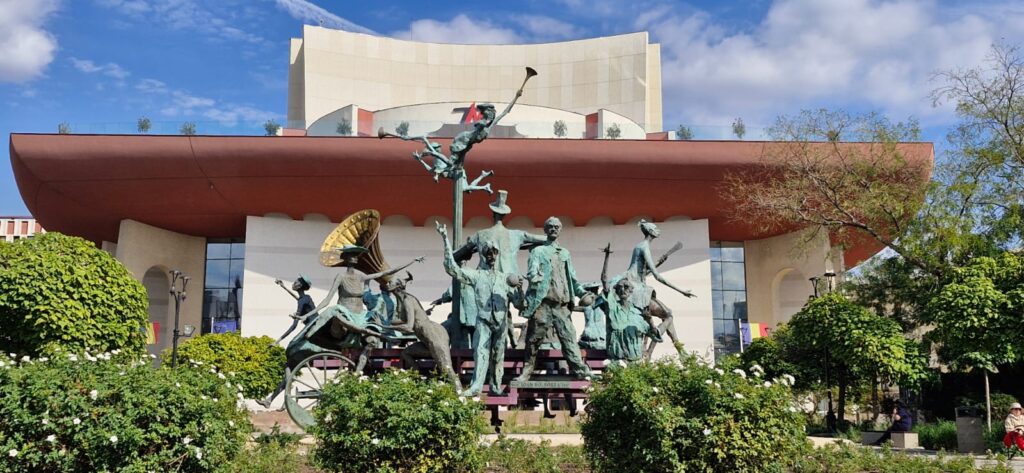
We came back to our hotel for some rest in the afternoon. We caught an interesting sculpture at University square.
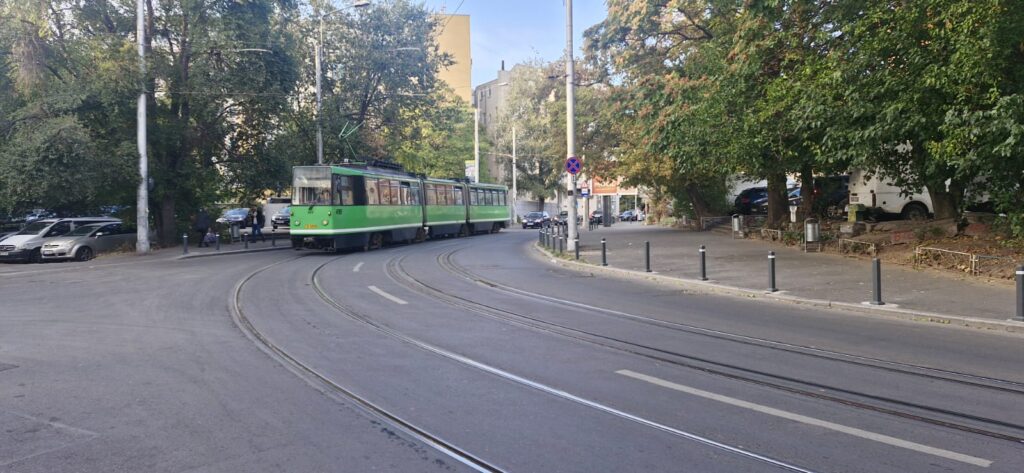
By early evening, around 5:45 p.m., we set out again to explore Old Town Bucharest, just a few hundred meters from our hotel. Along the way, we saw an old Romanian tram still trundling along — a charming relic that adds to the city’s nostalgic atmosphere.
The Old Town is vibrant and packed with life — narrow cobbled streets, lively terraces, and a surprising number of churches and basilicas tucked between restaurants.
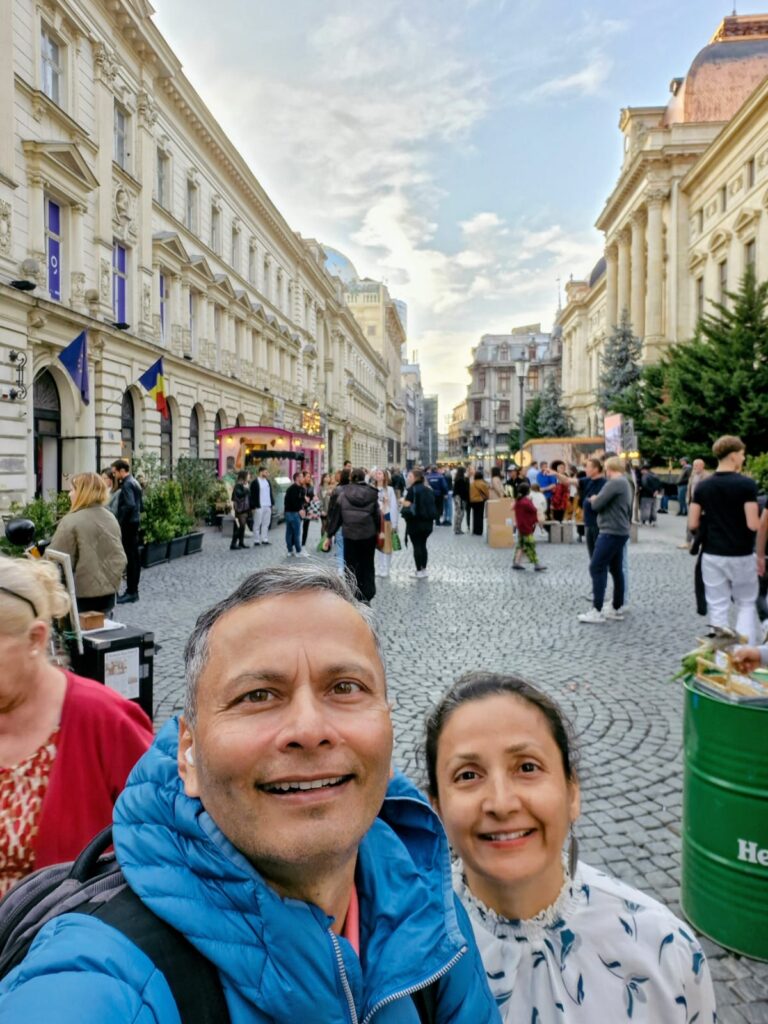
The cobblestone lanes were busy but pleasant, with music playing from restaurants and people enjoying the cool evening.
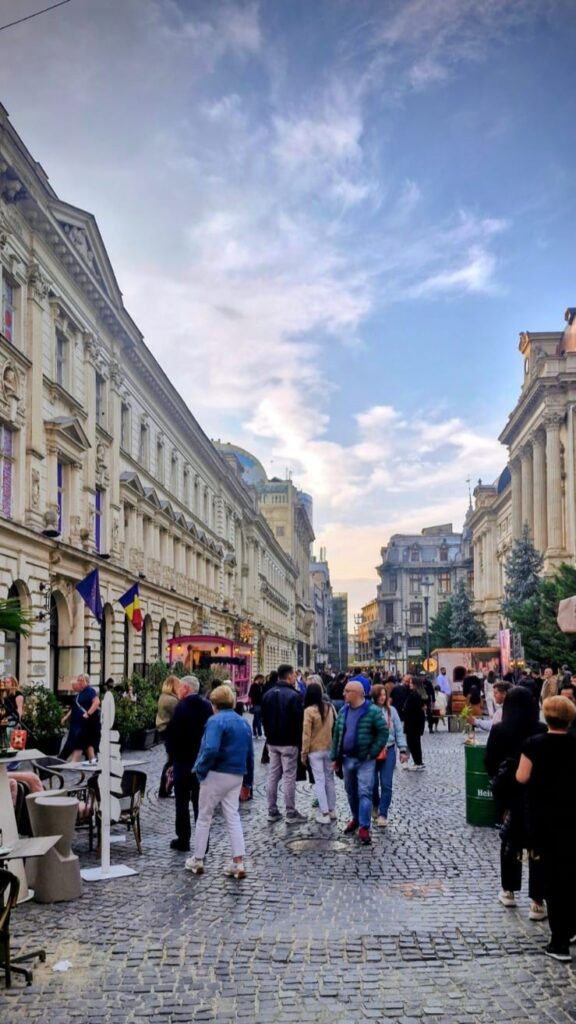
Every few meters, there’s a mix of history and nightlife — Bucharest in a nutshell.
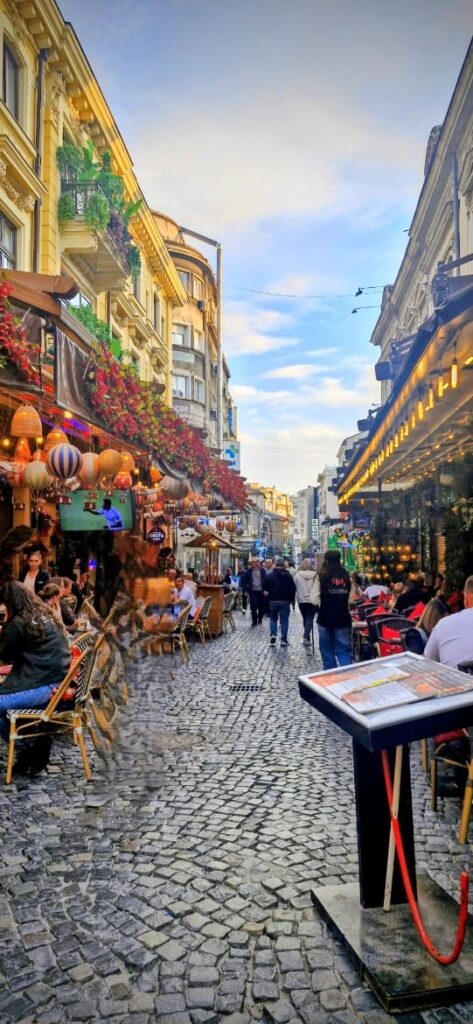
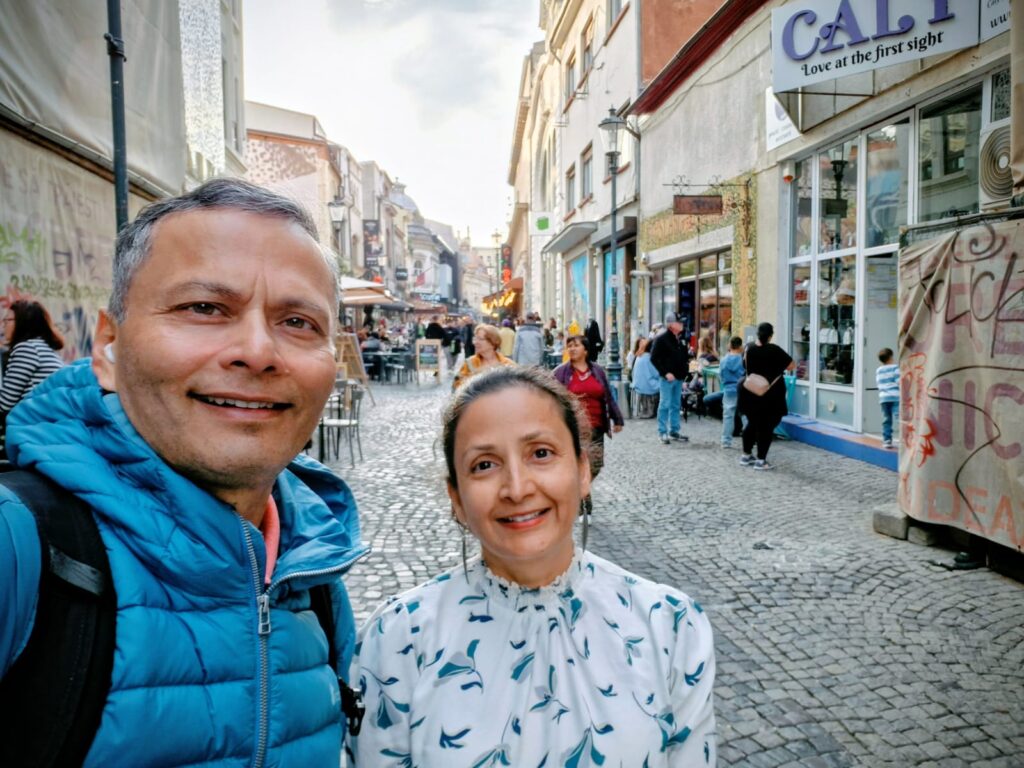
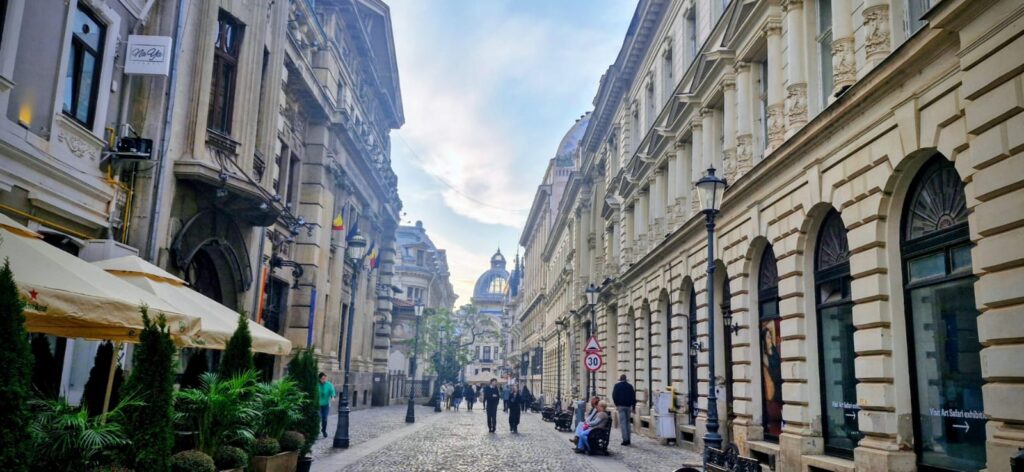
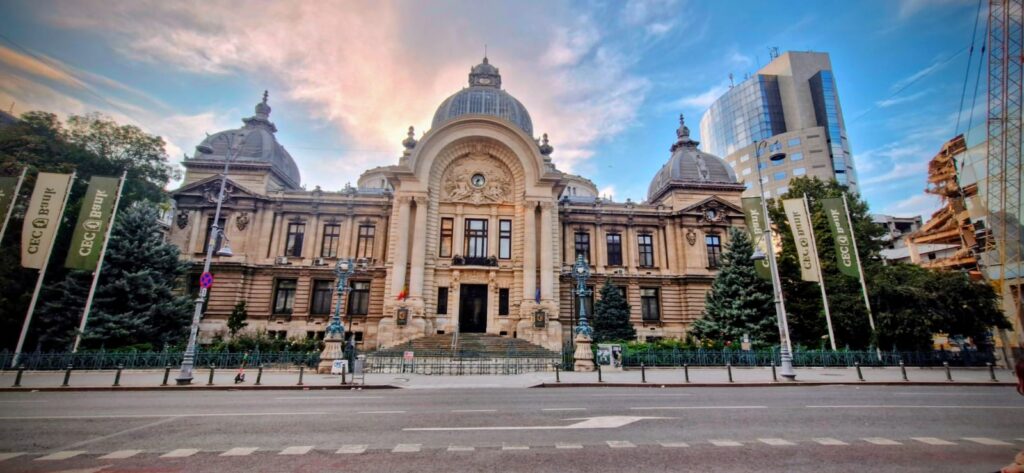
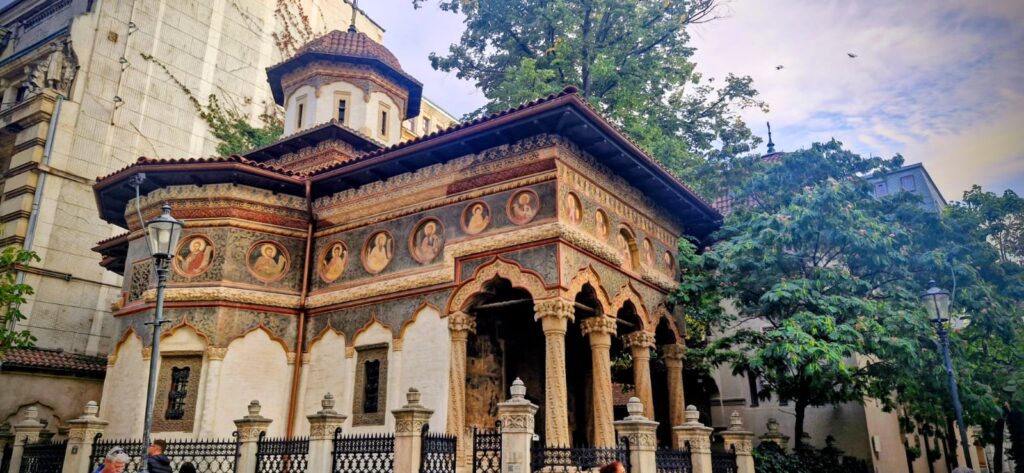
We passed by a few famous churches and basilicas.
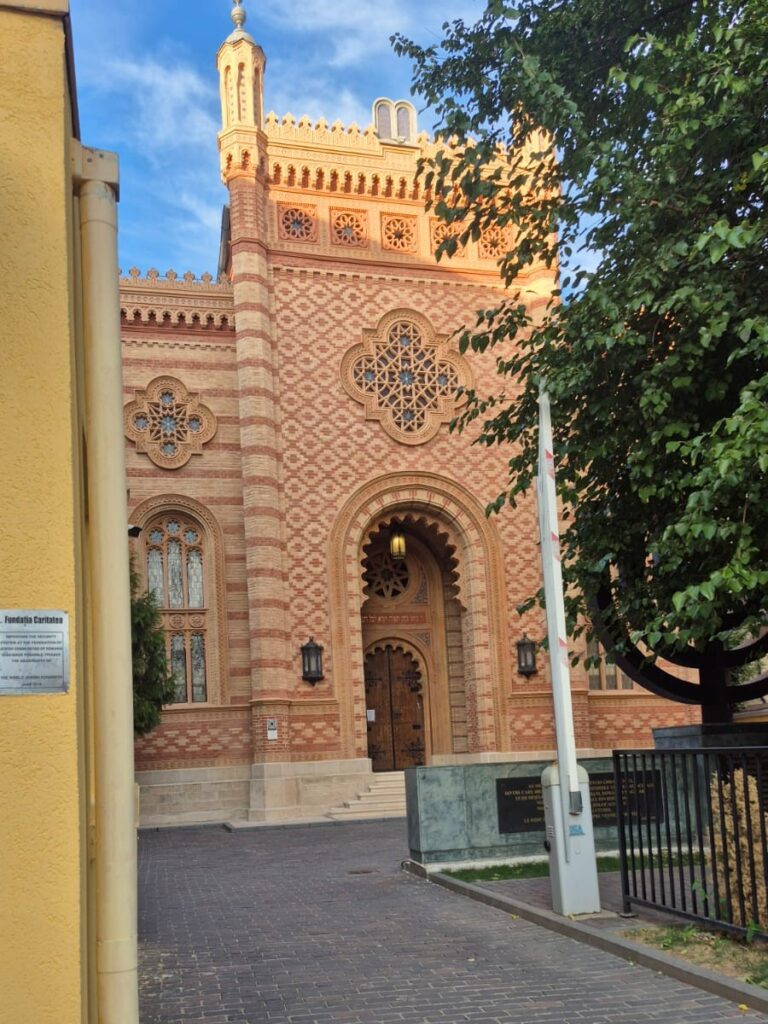
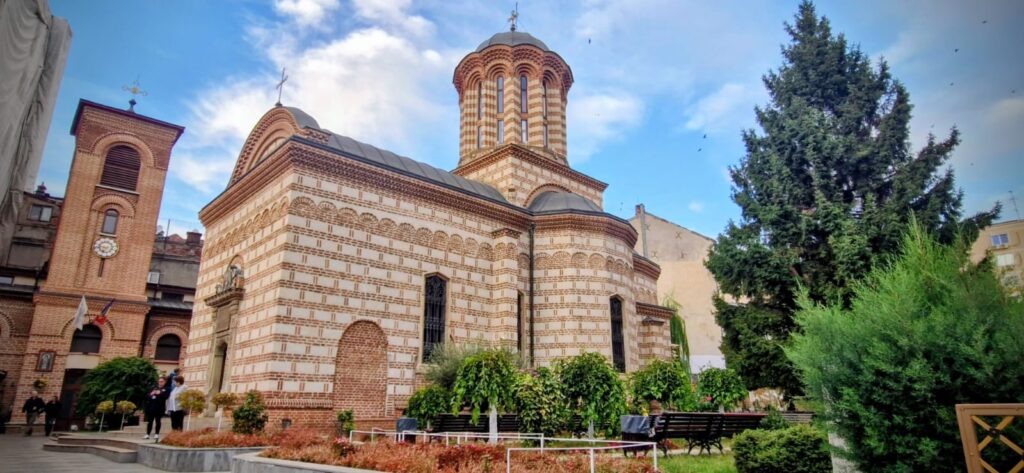
As the sun began to set, we walked toward Constitution Square to see the Palace of the Parliament, one of the most extraordinary buildings in the world.
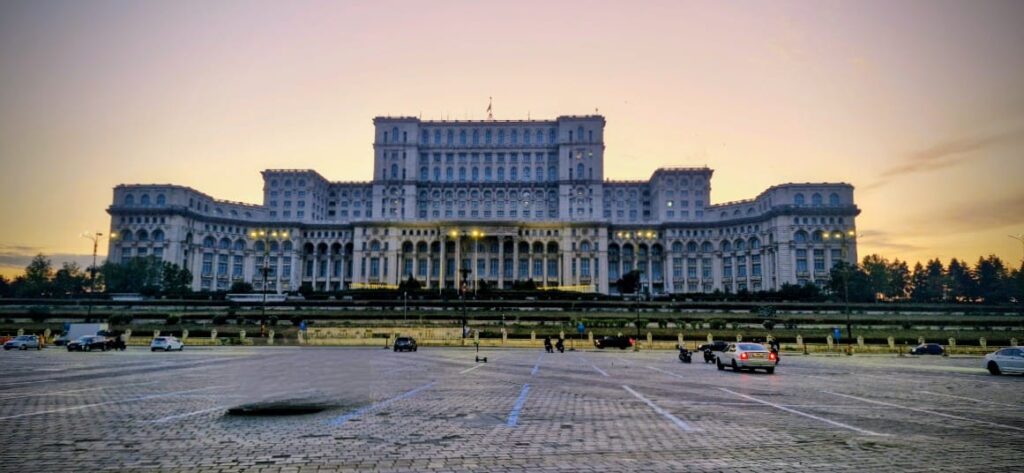
Originally conceived by Nicolae Ceaușescu as the centerpiece of his grandiose plan for a new socialist capital, the palace is a massive symbol of both ambition and excess. Completed in the 1980s, it remains the largest administrative building in the world, and as of 2020, it’s valued at €4 billion, making it the most expensive government building ever constructed. Its heating and electricity costs alone exceed $6 million per year — a staggering legacy of Ceaușescu’s rule.
Ceaușescu himself met a dramatic end. After being overthrown in the Romanian Revolution of December 1989, he and his wife, Elena, were executed on Christmas Day, ending one of Eastern Europe’s most repressive communist regimes. Today, the Palace of Parliament stands as both a working government building and a stark reminder of that era.
We ended the day with a simple dinner — pasta and Greek gyros — before walking back to the hotel around 9 p.m. It had been a day filled with history, architecture, and reflection — from the revolutionary squares to the grand monuments that tell the story of Romania’s long, complex journey to freedom.
Day 5: Sunday, September 28 — Peles Castle, Brasov & Dracula’s Castle, Romania
We were up early for our full-day guided tour to Romania’s mountain region. The van left Bucharest at 7 a.m., heading north toward the Carpathian Mountains.
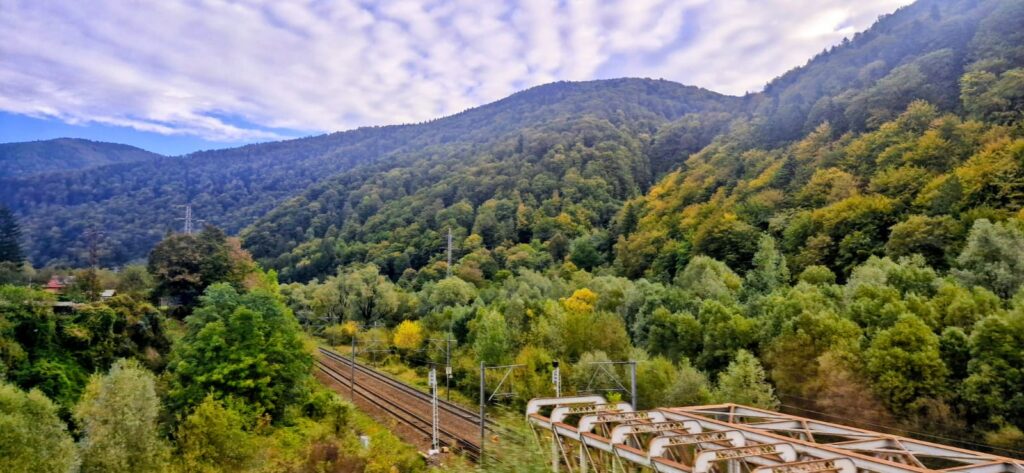
The journey itself was beautiful — the flat plains around Bucharest gradually gave way to gentle hills and then to thick pine forests as we approached the mountain towns of Transylvania.
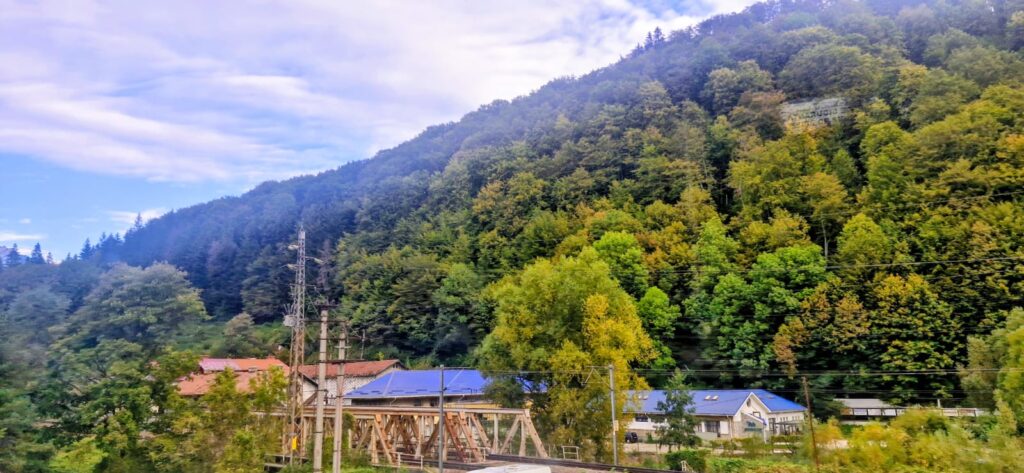
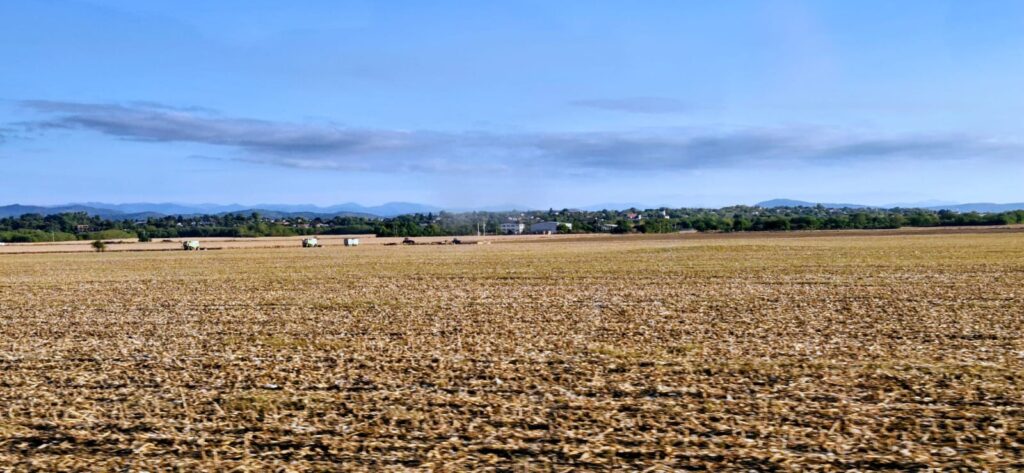
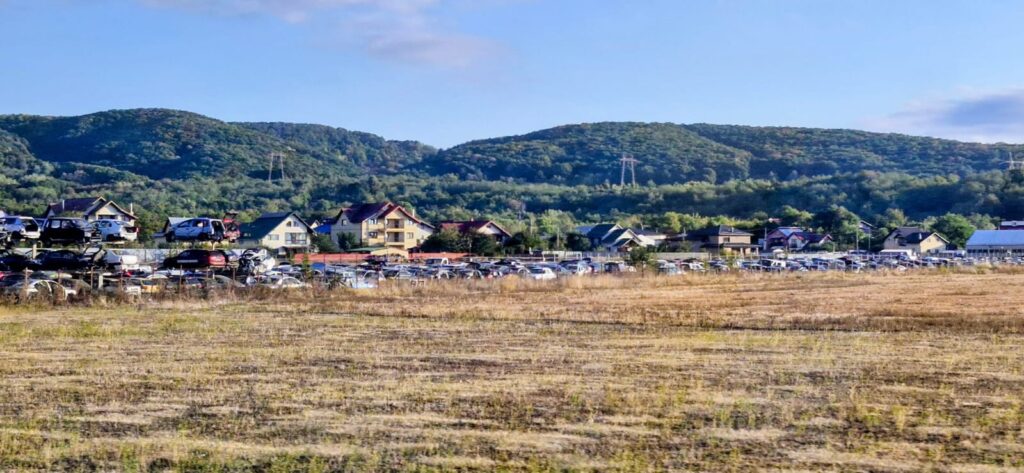
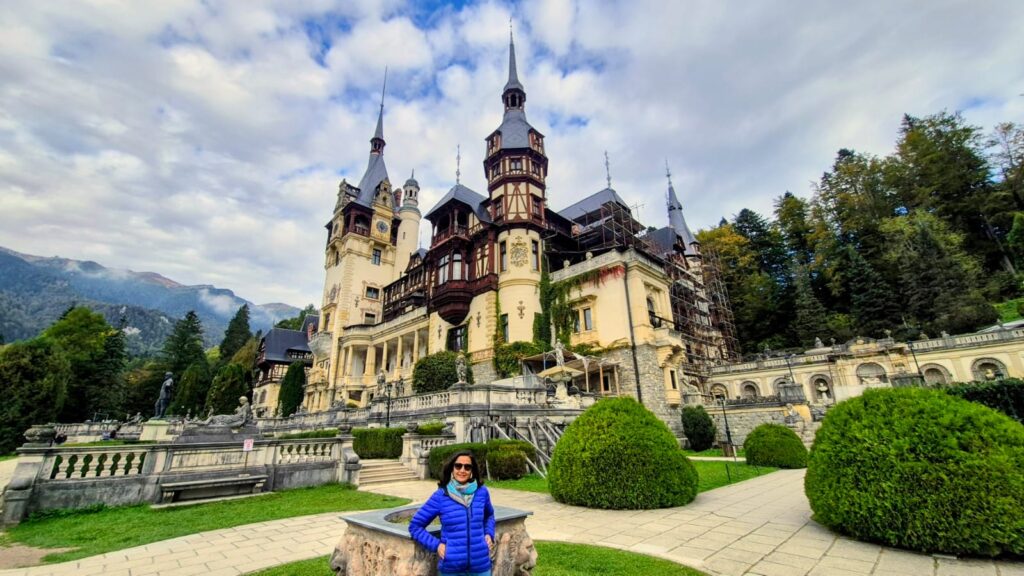
Our first stop was Peleș Castle (pronounced Pelesh), located near the town of Sinaia, about two hours north of Bucharest.
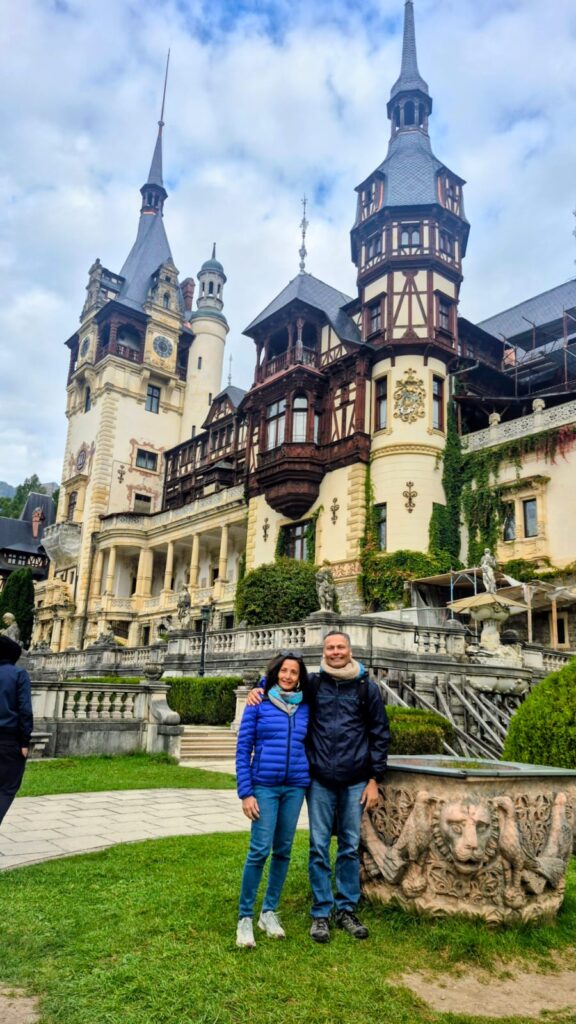
The castle was commissioned by King Carol I of Romania, and construction began in 1873 on what was once a medieval trade route linking Wallachia and Transylvania.
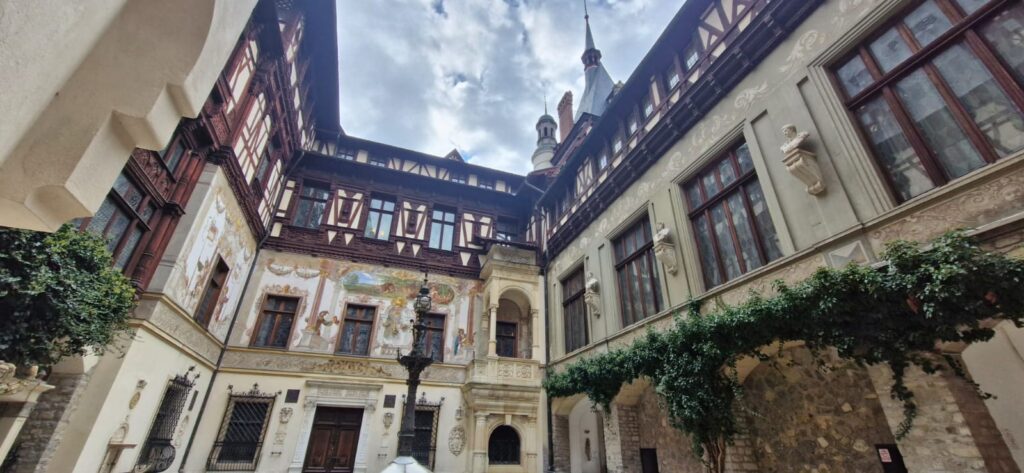
The site was chosen personally by the king, who loved the mountain scenery. The castle was completed in 1914, though it was inaugurated earlier in 1883 for the royal family’s use.
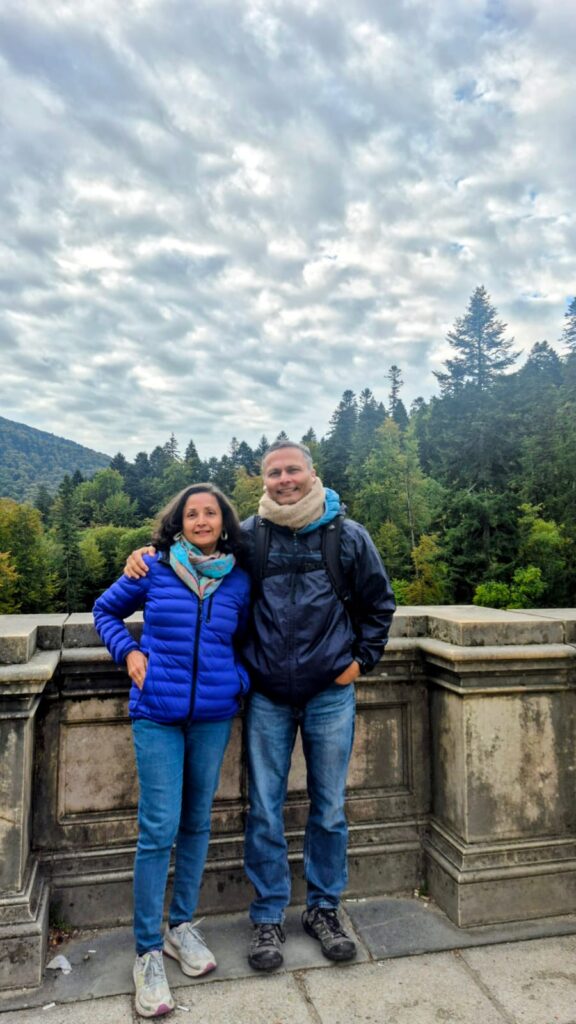
Peleș Castle is often described as one of the most beautiful castles in Europe, blending Neo-Renaissance and Gothic Revival architectural styles with a touch of Bavarian influence.
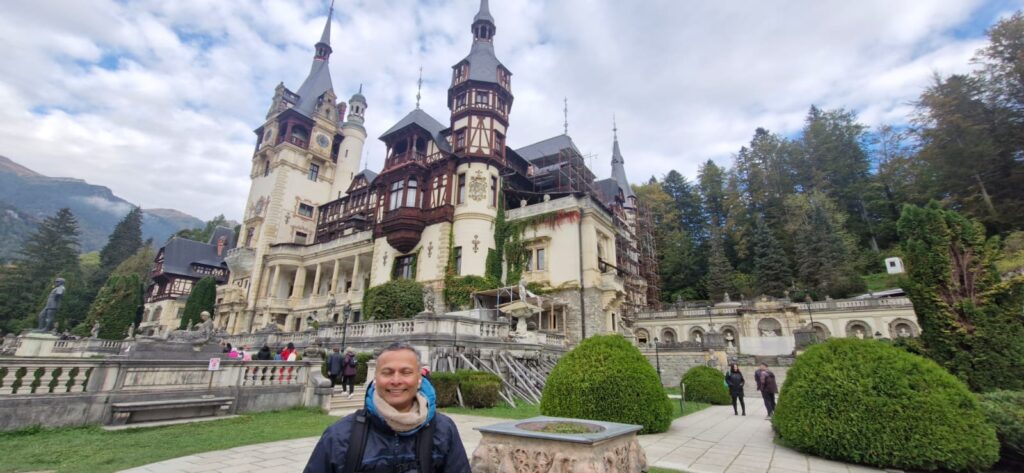
Its façade is intricate, with wooden carvings, turrets, and balconies overlooking the mountain valleys.
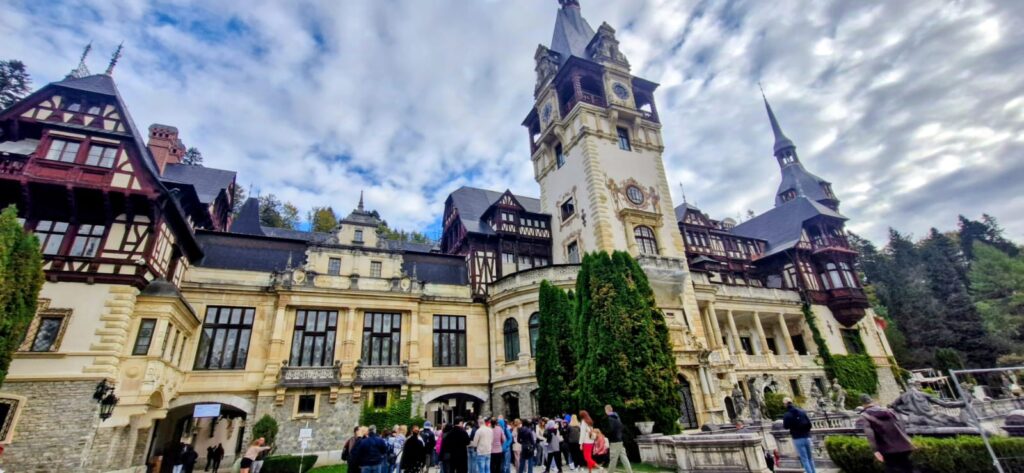
Inside, the rooms are lavishly decorated — Italian marble, German stained glass, and ornate chandeliers — though we both felt that while the setting was magnificent, the castle itself, while elegant, wasn’t as grand as some of the others we’ve seen in Europe. Still, the atmosphere was regal, and the mountain backdrop made it well worth the visit.
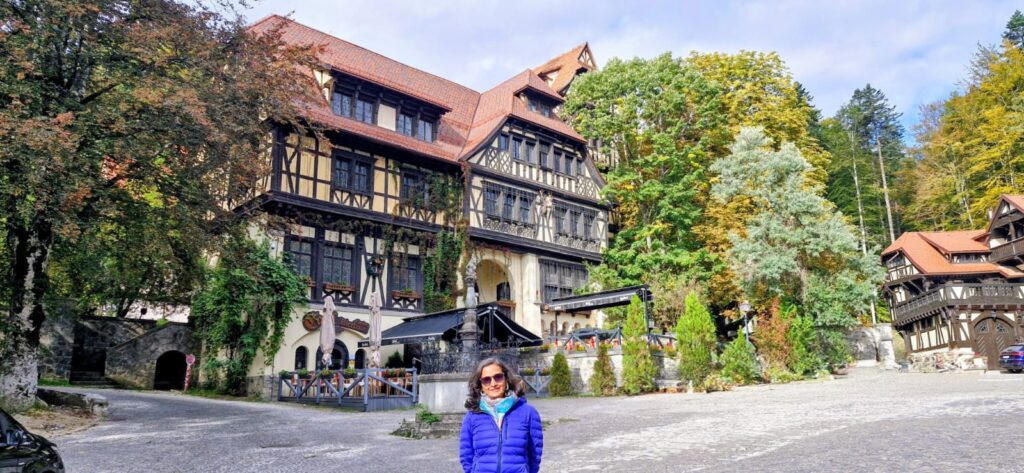
After exploring the castle, we took a short walk around the Sinaia area, where the fresh mountain air and pine-covered hills made for a pleasant stroll.
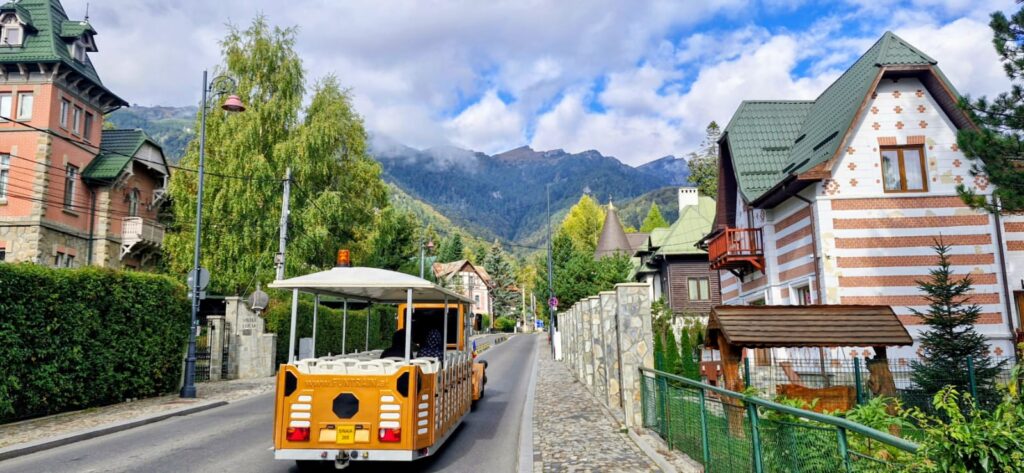
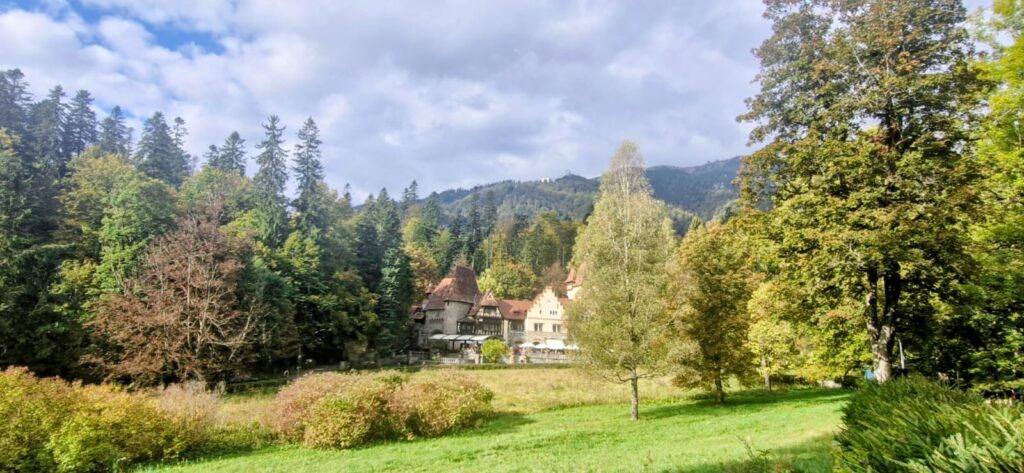
From Peleș, our tour continued northwest to the city of Brașov, one of the main cities in the Transylvania region. The drive took us deeper into the Carpathians, past small alpine villages and scenic valleys.
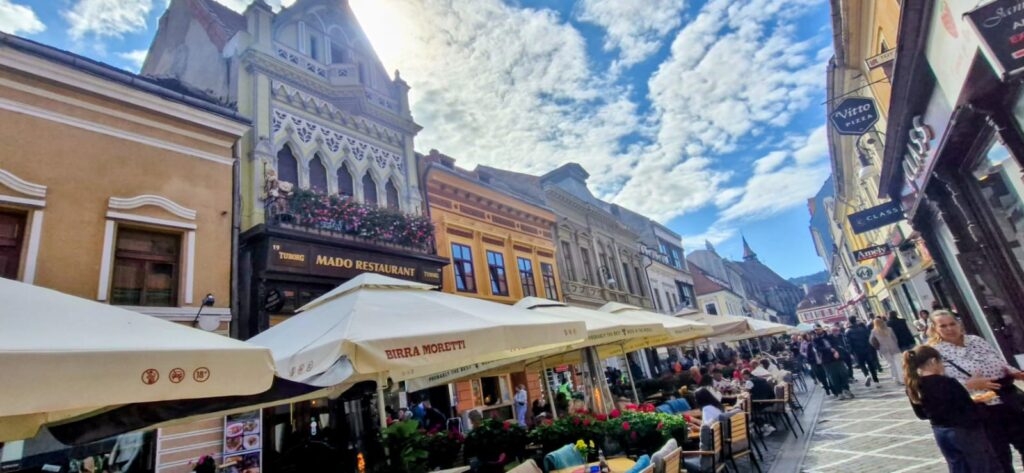
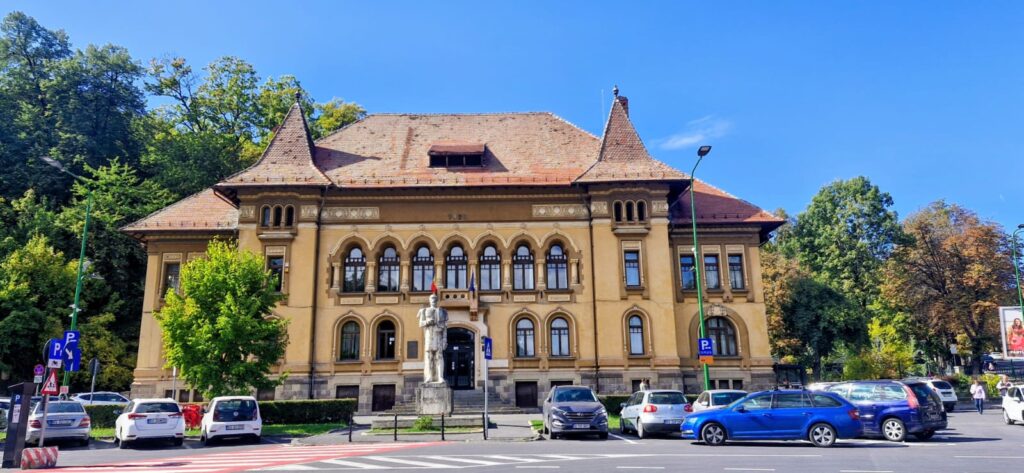
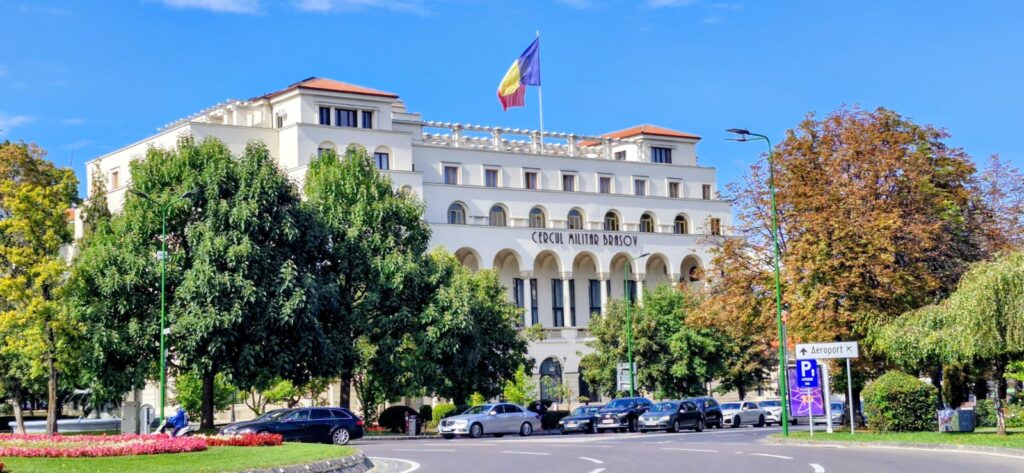
Brașov is the sixth-largest city in Romania, but its old town feels intimate and picturesque.
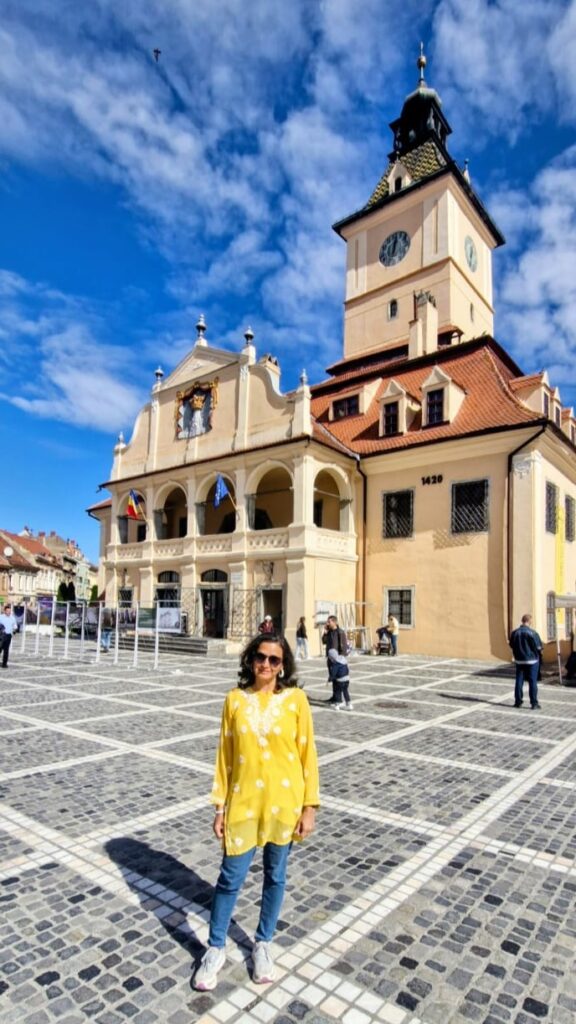
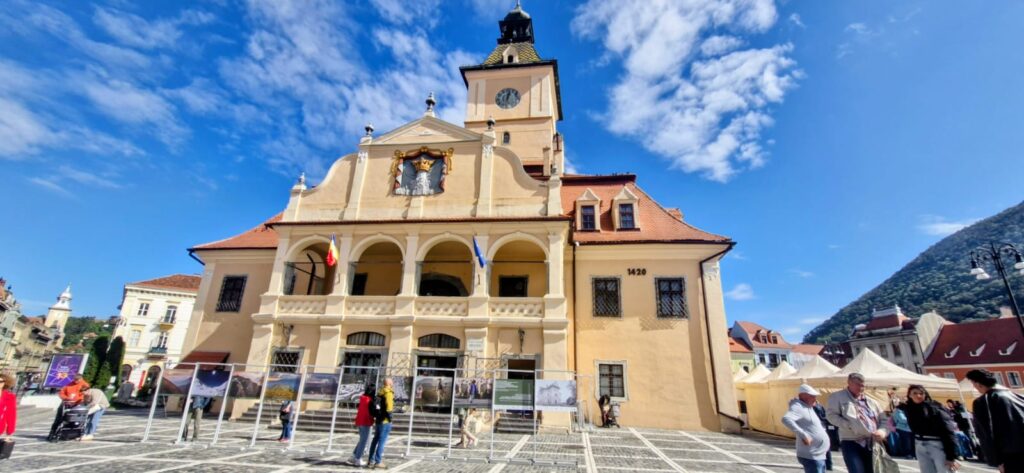
The Council Square (Piața Sfatului) is lined with pastel-colored houses, cafés, and churches, with the Black Church (Biserica Neagră) — a Gothic landmark — dominating the skyline.
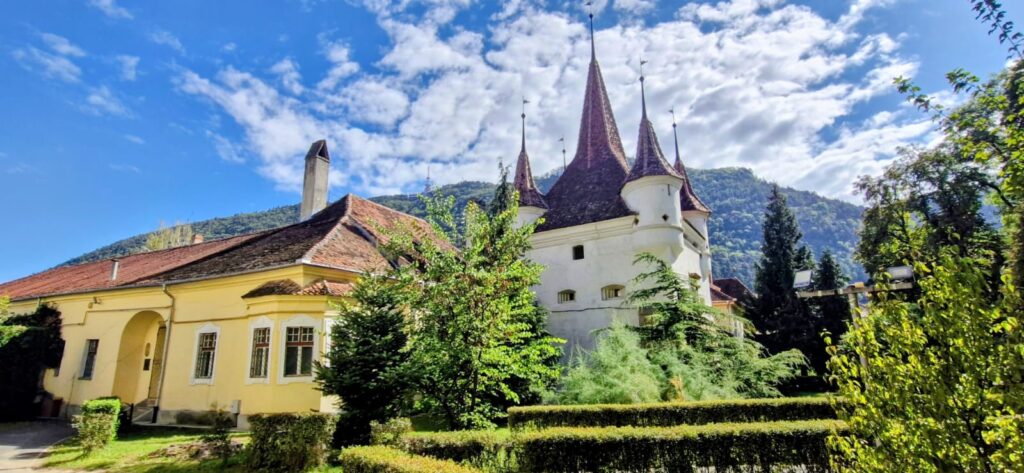
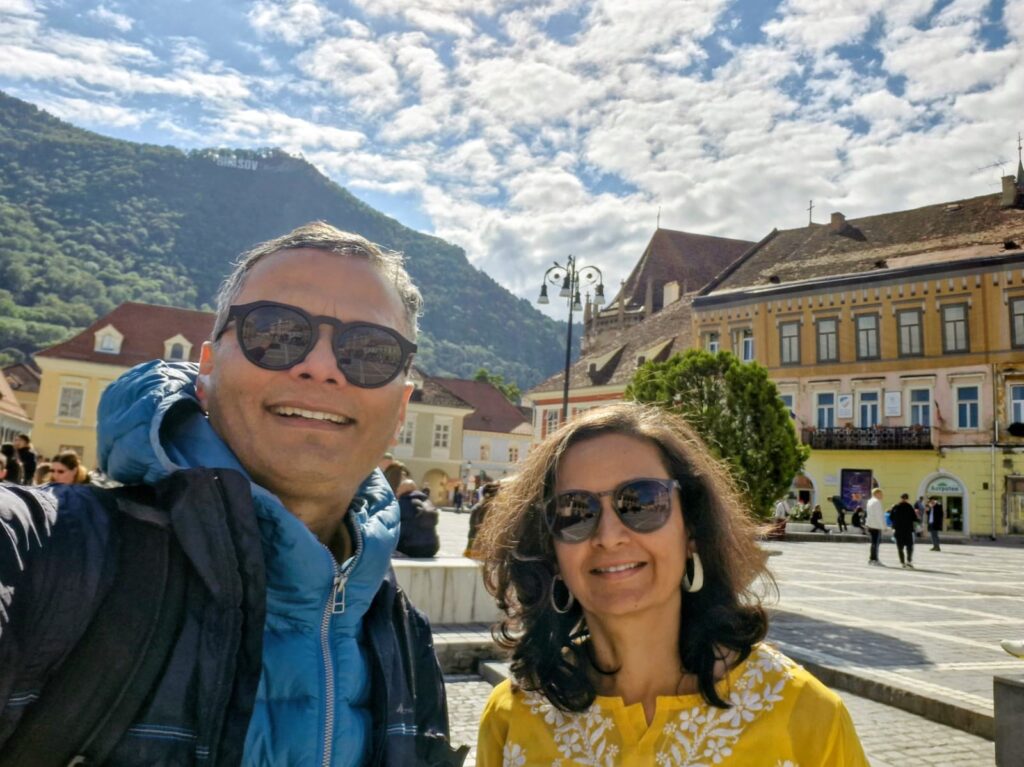
We spent some time wandering the main square, soaking in the atmosphere, and had lunch at a small local restaurant.
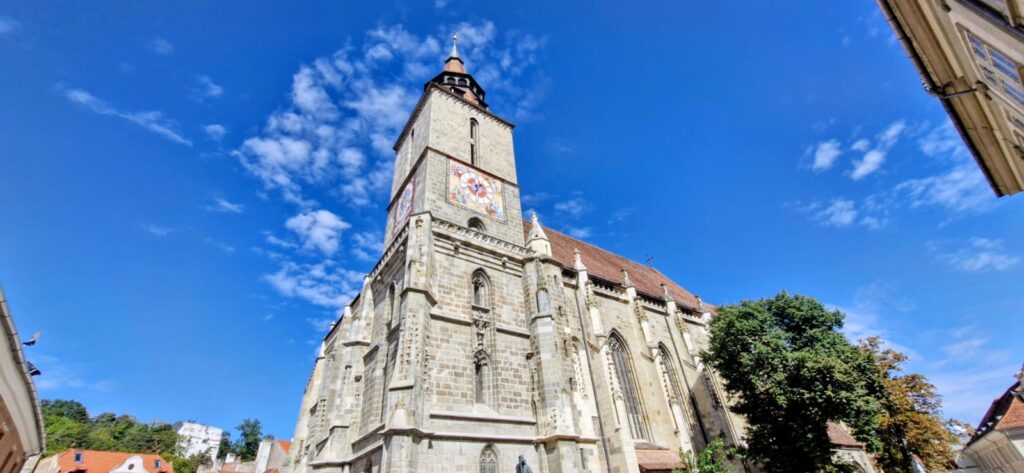
The town has a relaxed vibe. It’s the kind of place you could easily spend a quiet weekend in, just enjoying the rhythm of life in the heart of Transylvania.
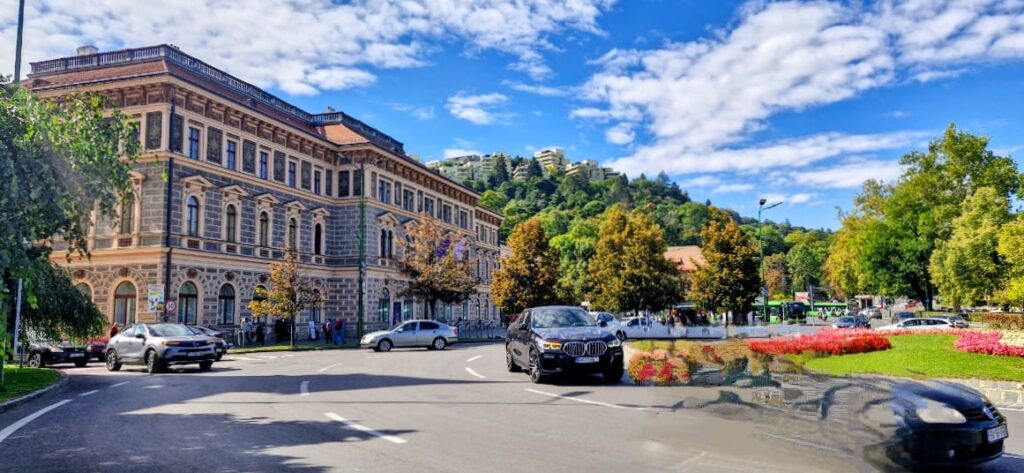
By 2 p.m., we were on the road again, this time heading toward Bran Castle, about an hour away.
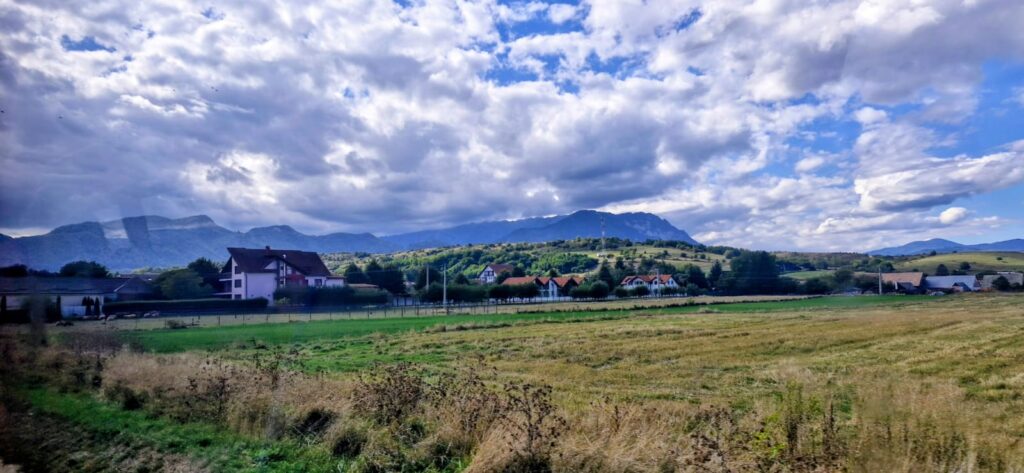
The scenery along the way was classic Romanian countryside — winding roads, mountain passes, and green valleys dotted with sheep and wooden barns.
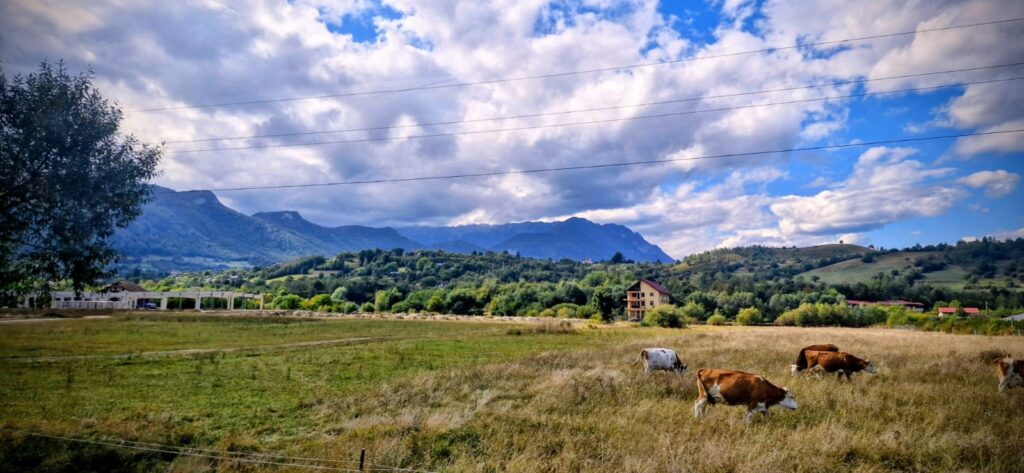
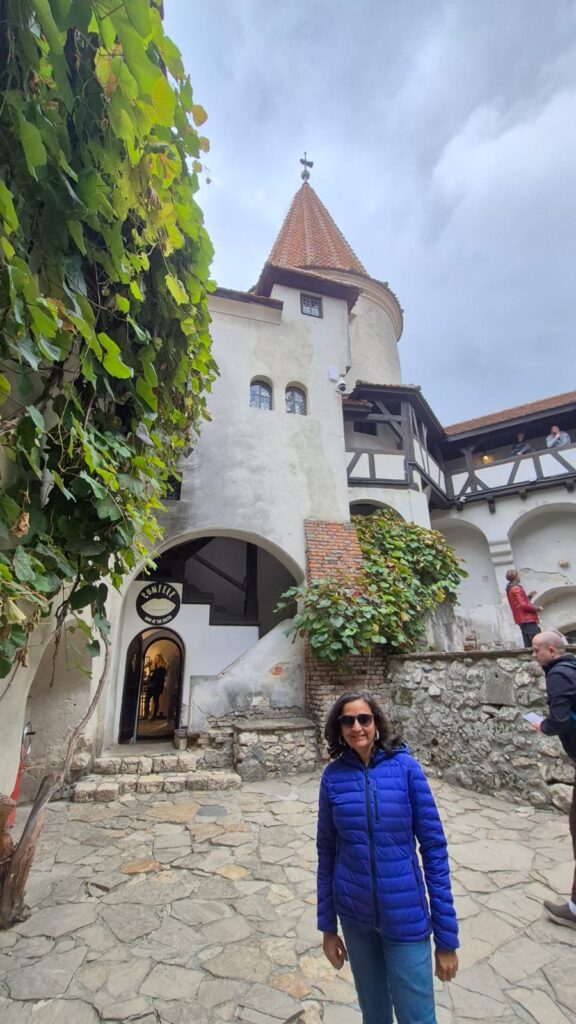
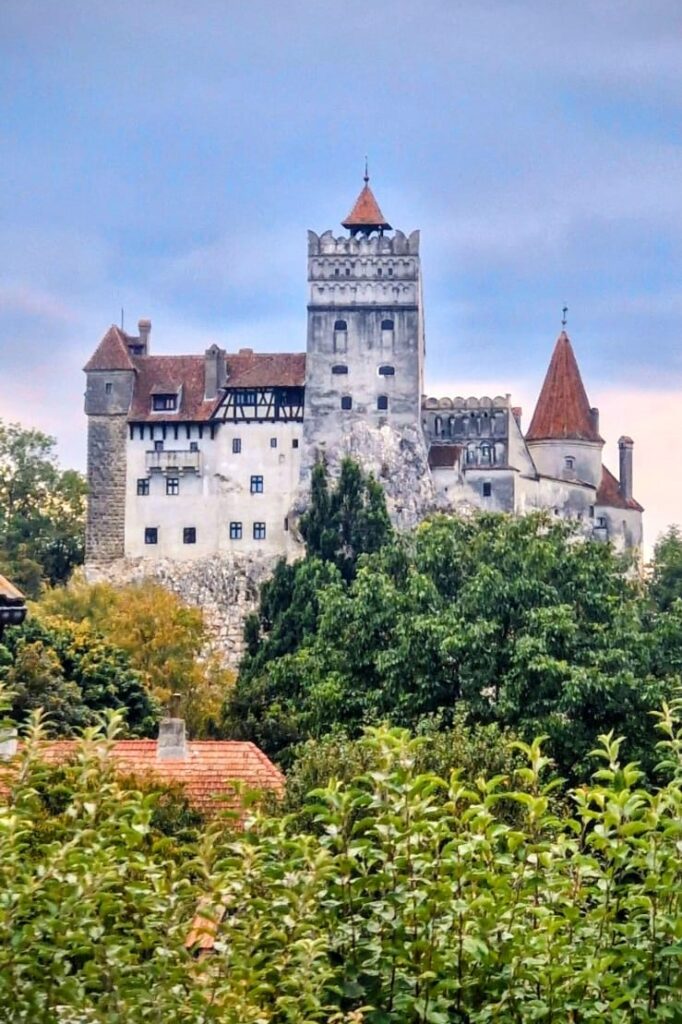
We reached Bran Castle around 3 p.m., and from a distance, it’s easy to understand why this 14th-century fortress has captured so many imaginations.
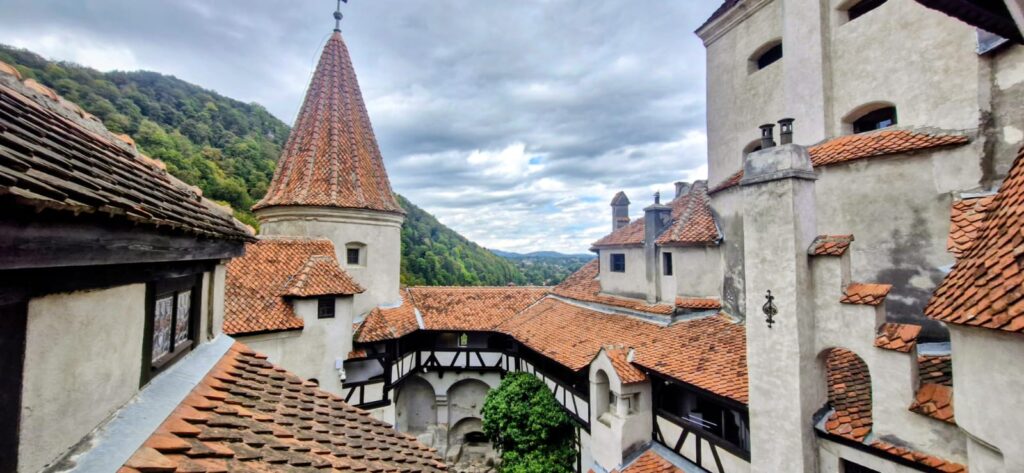
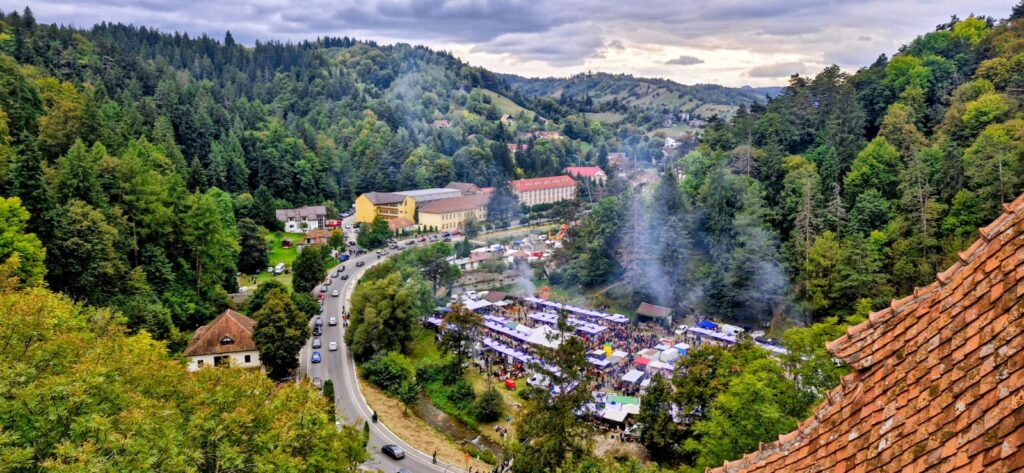
Built in 1377 to guard an important trade route through the Carpathians, it’s perched dramatically on a rocky cliff overlooking the valley below. The castle has long been associated with the Romanian royal family, and it’s well maintained with displays of royal furniture, weapons, and historical artifacts.
However, what makes it world-famous is its supposed connection to “Dracula.” Locals are quick to clarify that this association is mostly fiction — Bram Stoker, the author of Dracula (1897), never actually visited Romania.
His novel was inspired by Vlad Țepeș, also known as Vlad the Impaler, a 15th-century ruler of Wallachia whose reputation for cruelty — especially impaling his enemies — made him both feared and legendary. Vlad fought bravely against the Ottoman Empire, and while his nickname “Dracula” (meaning “son of the dragon”) came from his father’s title, the vampire connection came much later through Western imagination.
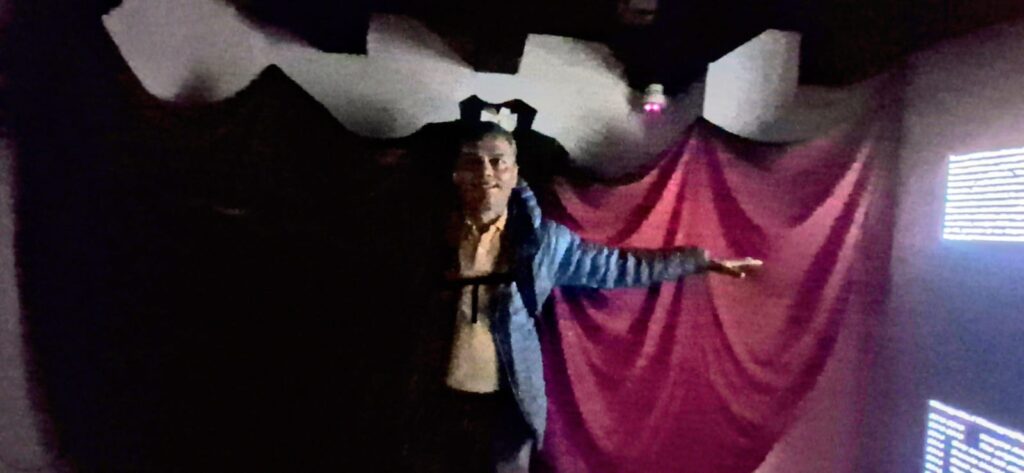
Inside Bran Castle, there are a few rooms dedicated to the “Dracula” myth — dimly lit displays, posters from the movie versions, and a few nods to vampire lore — mainly for the tourists. But the real history of Bran Castle lies in its medieval role as a fortress and royal residence, not a Gothic horror setting.
For those interested, there’s an excellent Netflix series, Rise of Empires: Ottoman — Season 2 (Vlad vs. Mehmed), which tells the story of Vlad Dracula and his defiance against the Ottomans. It’s historically accurate and gives great insight into the real man behind the myth.
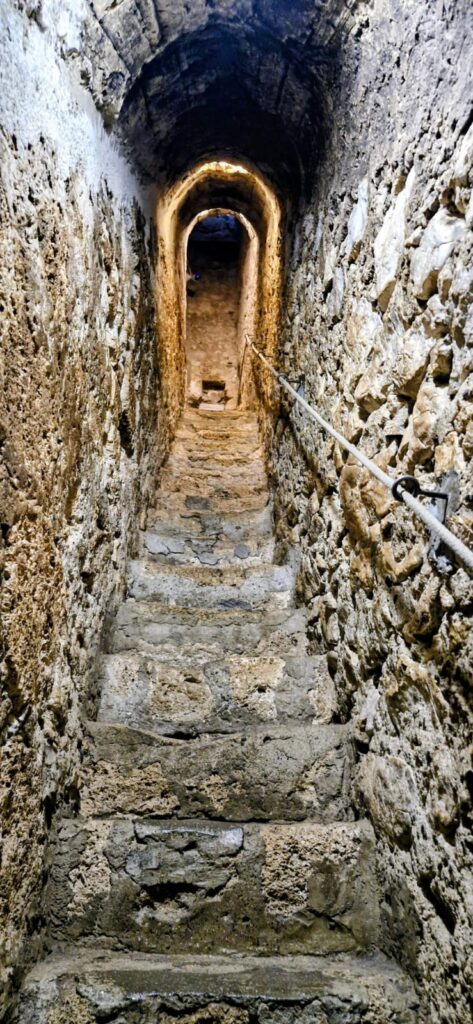
We finished our visit around 4:30 p.m. and began the long drive back to Bucharest. The return journey took nearly five hours, and we reached our hotel at 9:15 p.m., tired but satisfied. It had been a long day, but one that gave us a glimpse of Romania’s most famous region — Transylvania, with its castles, medieval towns, and mountain vistas.
Day 6: Monday, September 29 — Bucharest Museums & Flight to Qatar
Our last day in Romania started on a reflective note. In the morning, I visited the Museum of Communism in Bucharest’s Old Town — a small but fascinating place that captures what life was like during Romania’s communist era.
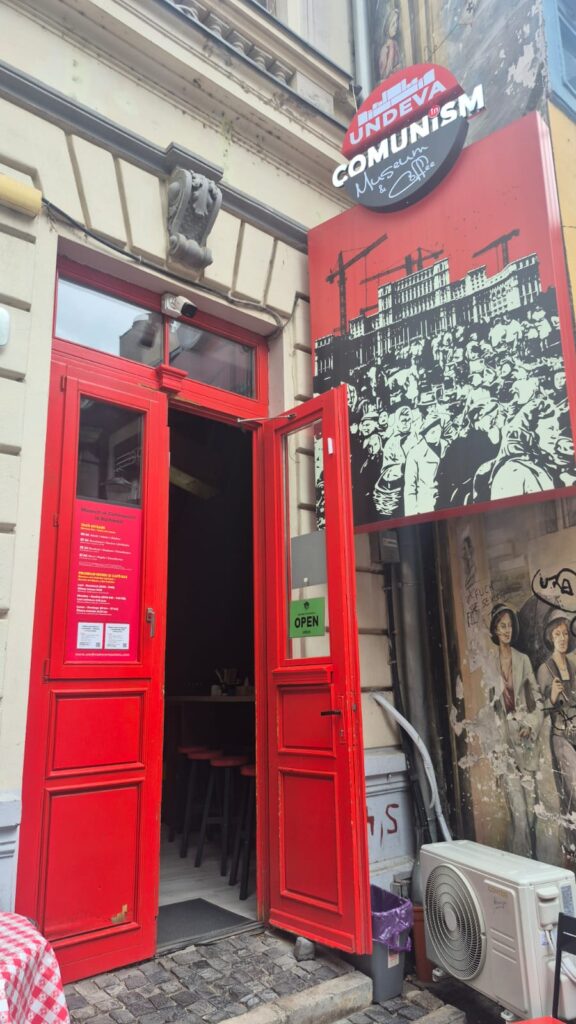
It’s tucked into one of the old buildings in the historic district, but despite its size, it packs a powerful story.
The museum is very interactive. Visitors can flip through old propaganda posters, school textbooks glorifying the communist regime, and displays about daily life under dictatorship — from ration cards and uniforms to household goods. It’s both educational and personal.
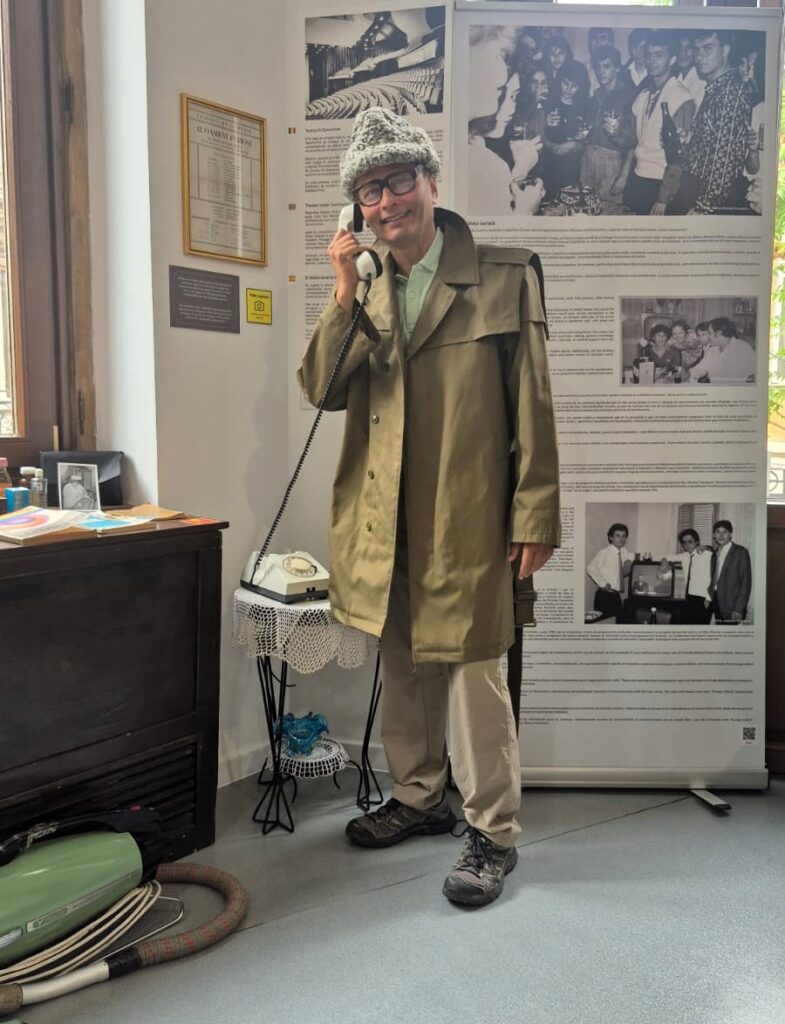
There’s even a corner where you can try on clothes from the communist days, which I did — I couldn’t resist taking a picture in one of those old-style uniforms!
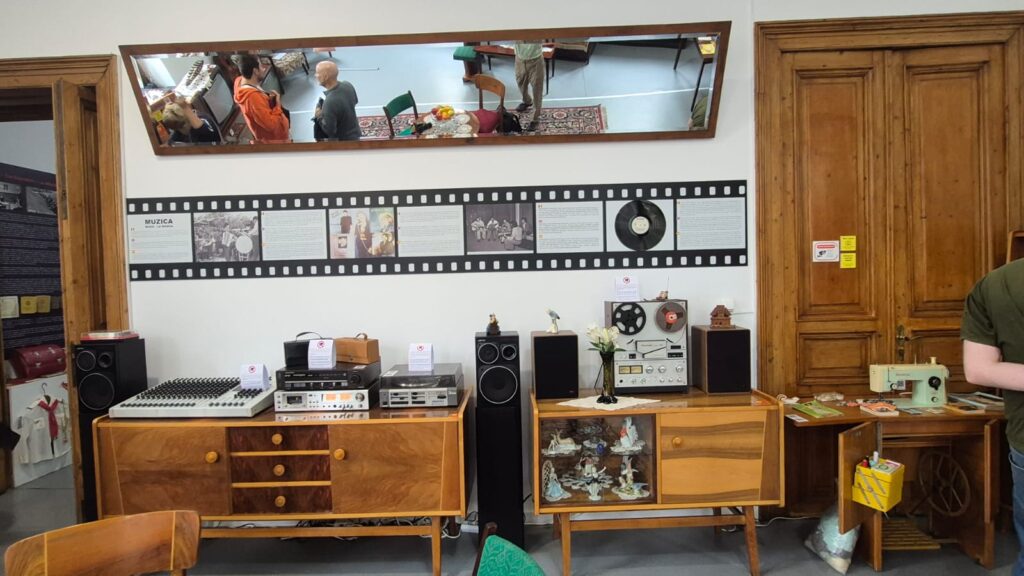
The museum paints a clear picture of Romania’s difficult 20th century. Communism took hold here after World War II, when Romania switched sides from the Axis to the Allied powers. The Soviet army entered the country, and in 1946, the communists “won” the national elections — though the vote was rigged. For the next four decades, Romania was ruled by the Romanian Communist Party, culminating in the long and oppressive rule of Nicolae Ceaușescu from 1967 to 1989.
Ceaușescu’s regime combined harsh control with extravagant propaganda. Citizens were constantly monitored, dissent was punished, and the media served as a mouthpiece of the state. The museum does a great job of illustrating this era — through everyday items and recorded stories, not just statistics. The experience leaves you with a sense of how ordinary life continued even under such strict control.
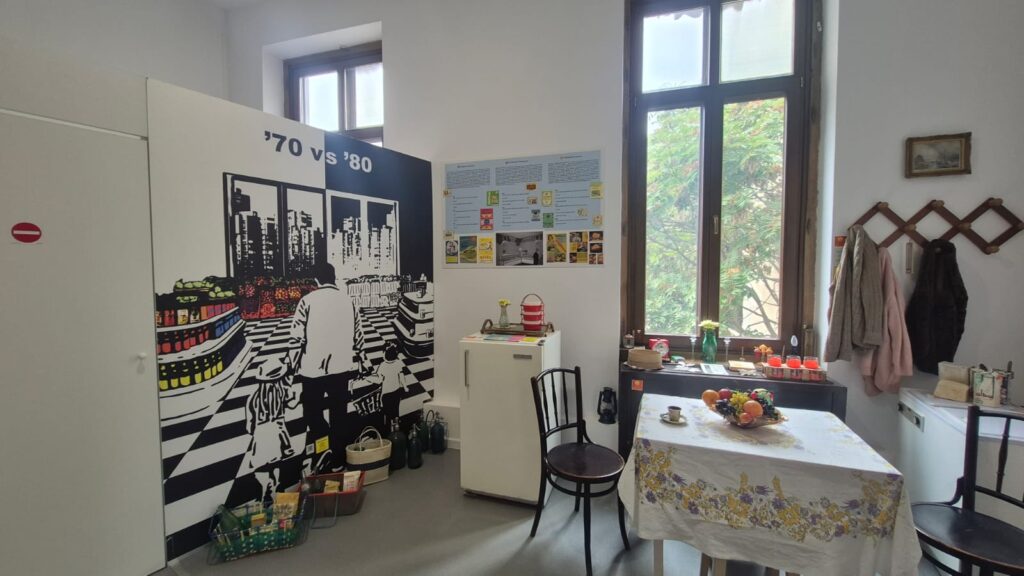
After the fall of the Berlin Wall in 1989, Romania followed suit — its people finally revolted, and Ceaușescu and his wife Elena were executed on Christmas Day that year. The exhibits about the revolution are moving — showing how quickly a society can shift when fear gives way to collective courage.
Romania’s case was always unique. Unlike many of its neighbors, it was never part of the Soviet Union — it remained an independent communist state within the Eastern Bloc. Because of that, Western countries viewed Romania as a sort of bridge between the West and the Iron Curtain, and during the 1970s and 1980s, the country even received massive loans from the U.S. to modernize its infrastructure.
Romania’s identity isn’t just political — it’s also cultural and athletic. It’s the homeland of Nadia Comăneci, the legendary gymnast who became the first in history to score a perfect 10 at the 1976 Montreal Olympics and went on to win five Olympic gold medals across 1976 and 1980. Her story is iconic — both a source of national pride and a reflection of the struggles of her time. In November 1989, just weeks before the Romanian Revolution, Nadia defected to the United States, escaping the suffocating control of the regime.
The museum visit felt like a fitting end to our time in Romania — understanding not just what the country is today, but what it has come through to reach here.
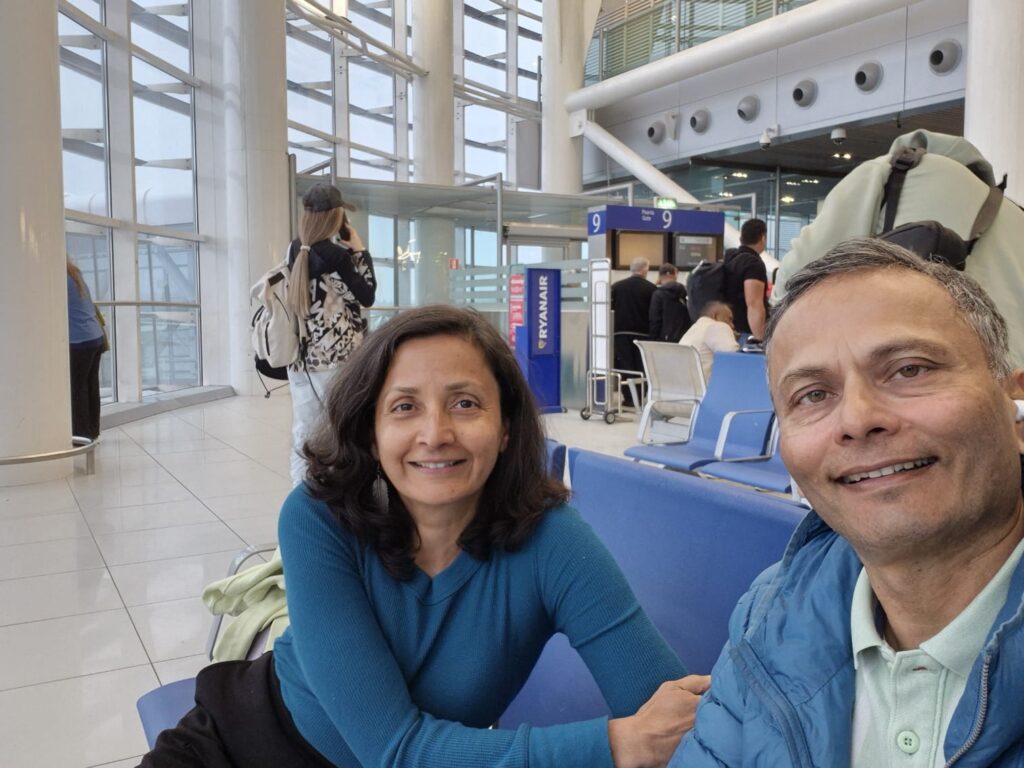
In the late afternoon, we headed to Bucharest Otopeni Airport. Our flight to Doha, Qatar, was at 5:10 p.m., marking the end of this leg of our journey.
Day 7: Tuesday, September 30 — Sightseeing in Doha, Qatar
Our last day of the trip was spent exploring Doha, the capital of Qatar, a country that has transformed itself from a desert outpost into one of the most futuristic cities in the Middle East.
We began the morning with a visit to the National Museum of Qatar, one of Doha’s most iconic buildings.
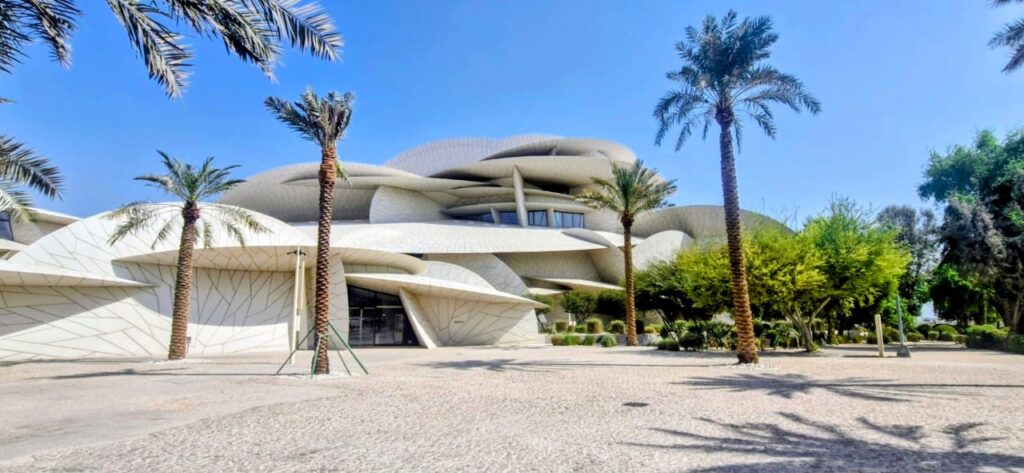
Unfortunately, we realized too late that it’s closed on Tuesdays, so we could only admire it from the outside. But that alone was worth the stop. Designed by French architect Jean Nouvel, the structure is inspired by the shape of a desert rose — a natural crystal formation found in Qatar’s arid soil.
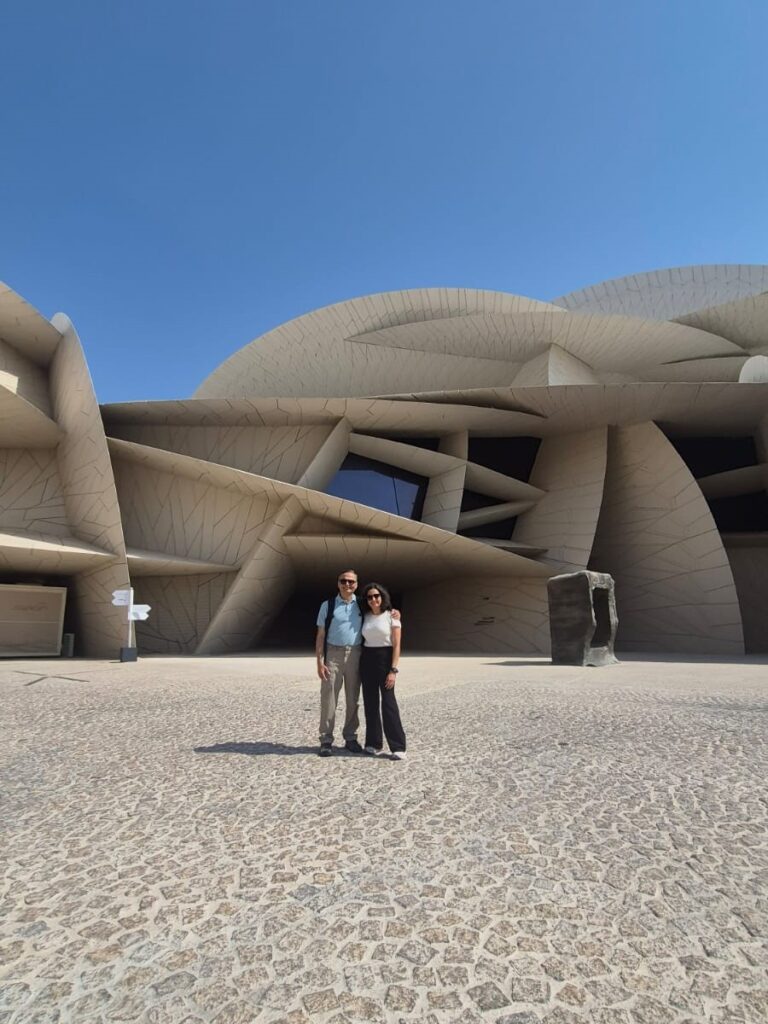
Its interlocking discs give the illusion of petals opening out under the desert sun, and it’s easily one of the most distinctive museum designs in the world.
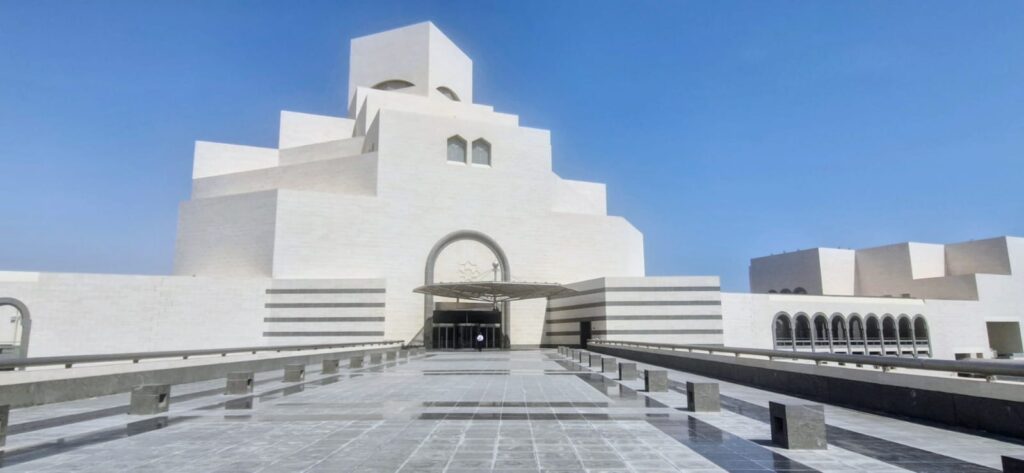
Our next stop was the Museum of Islamic Art, located on the Doha Corniche.
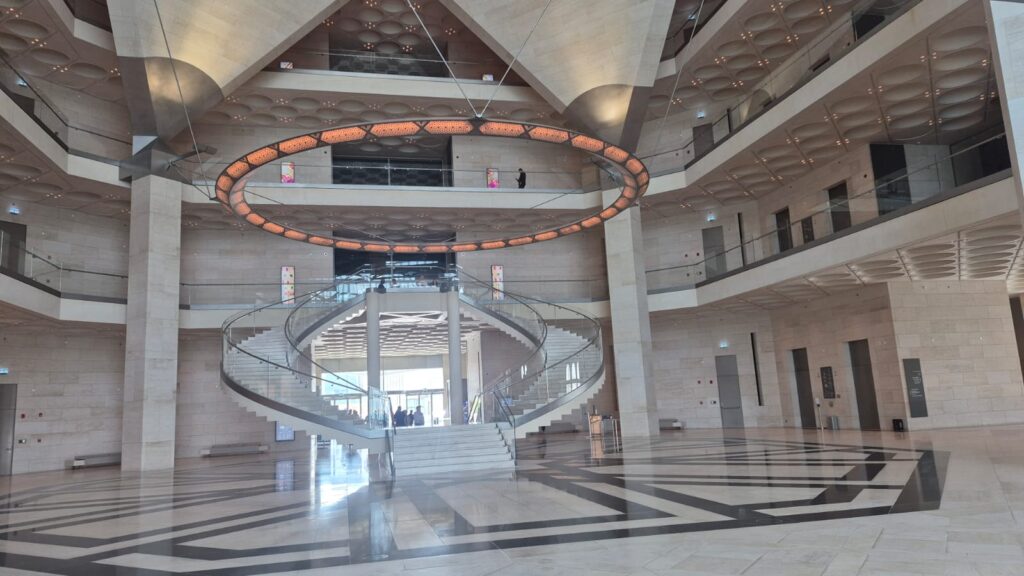
The building itself, designed by I.M. Pei, is a masterpiece of modern geometry — stark and elegant, echoing the symmetry of Islamic patterns. Inside, the museum houses an incredible collection: manuscripts, ceramics, glasswork, textiles, and scientific instruments from across the Islamic world.
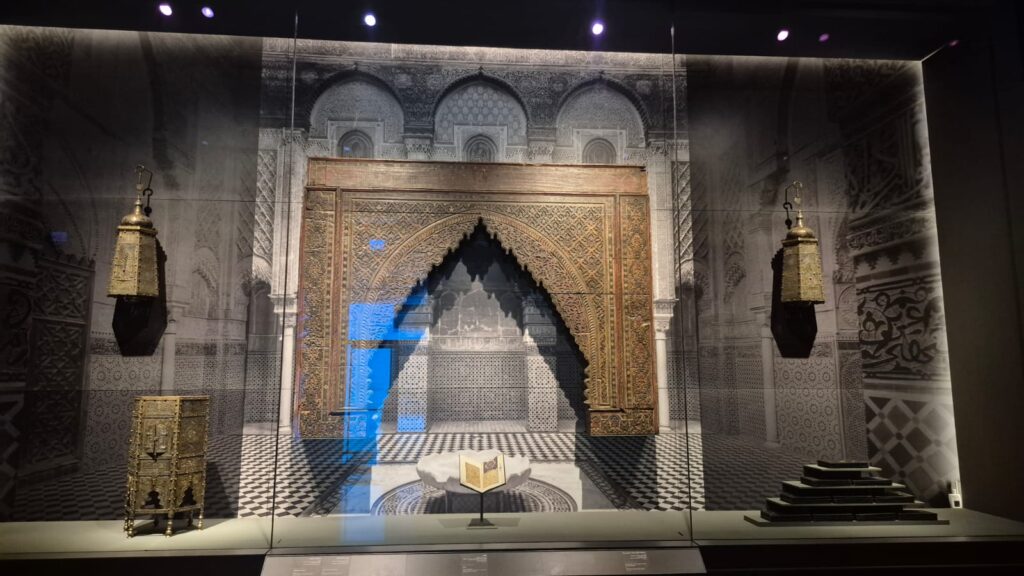
The exhibits trace the evolution of art, science, and faith — from the founding of Islam to its golden age and beyond.
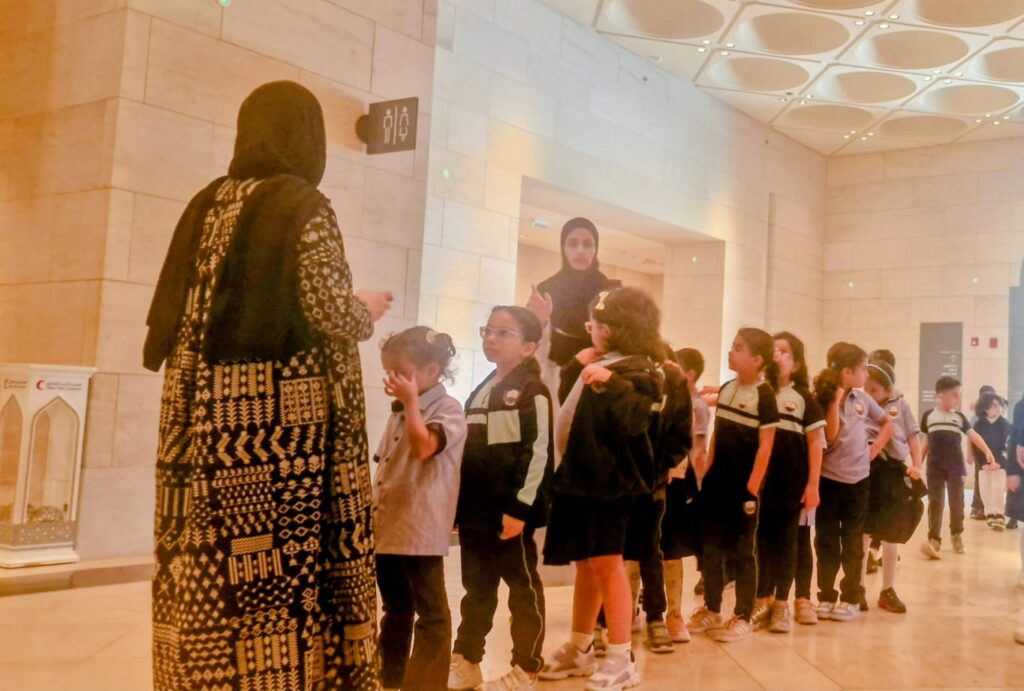
We had great views of Doha Port and the new city skyline, with skyscrapers rising in every direction.
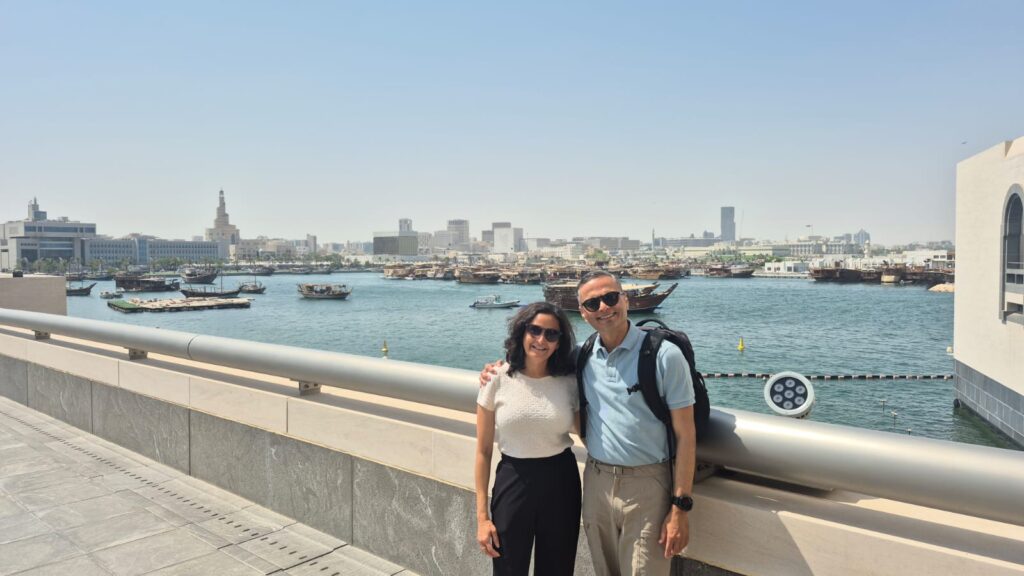
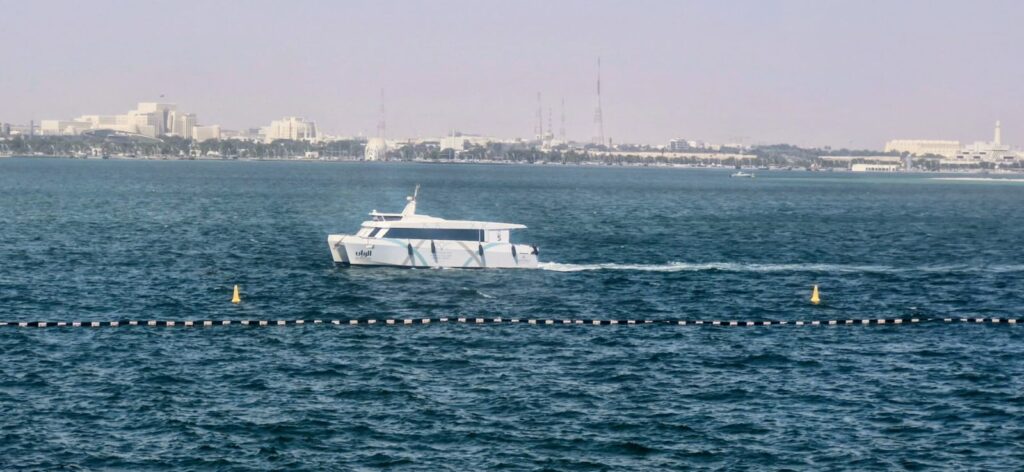
The weather was hot — around 38°C (100°F) — typical of early autumn in the Gulf.
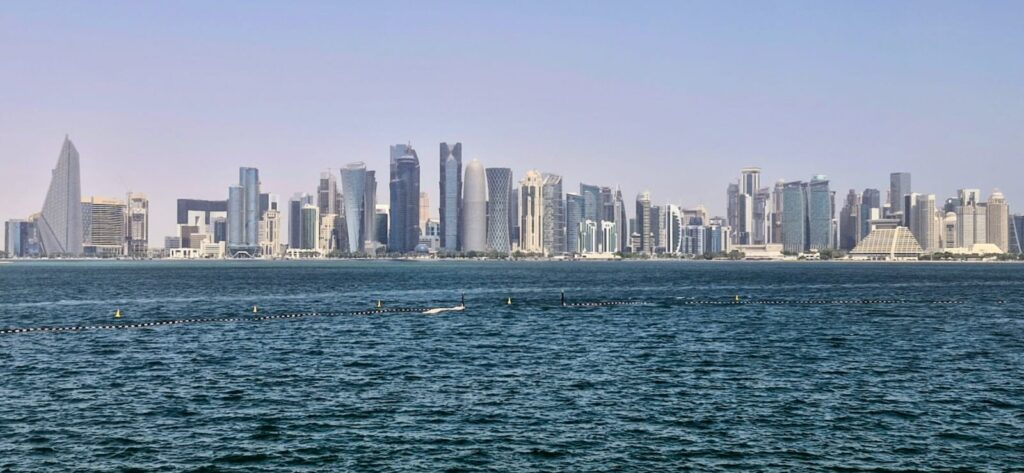
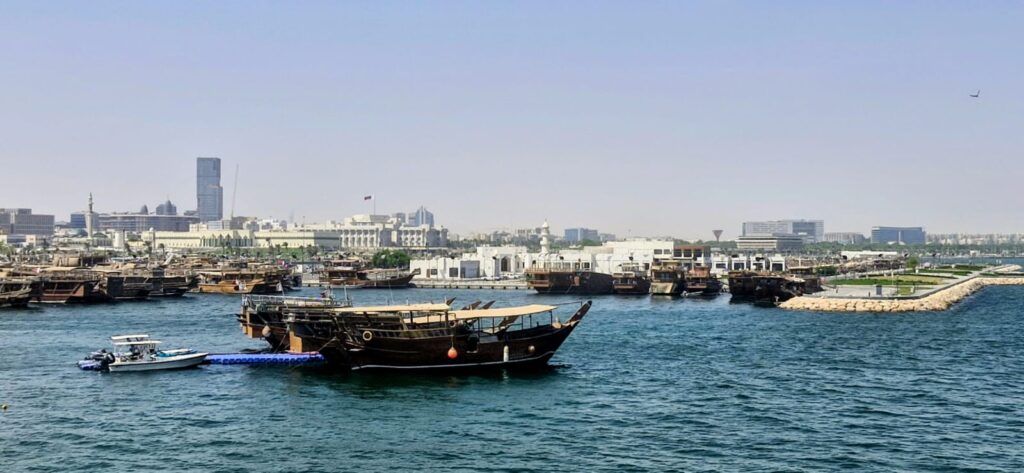
From there, we stopped briefly by Stadium 974, built for the 2022 FIFA World Cup.
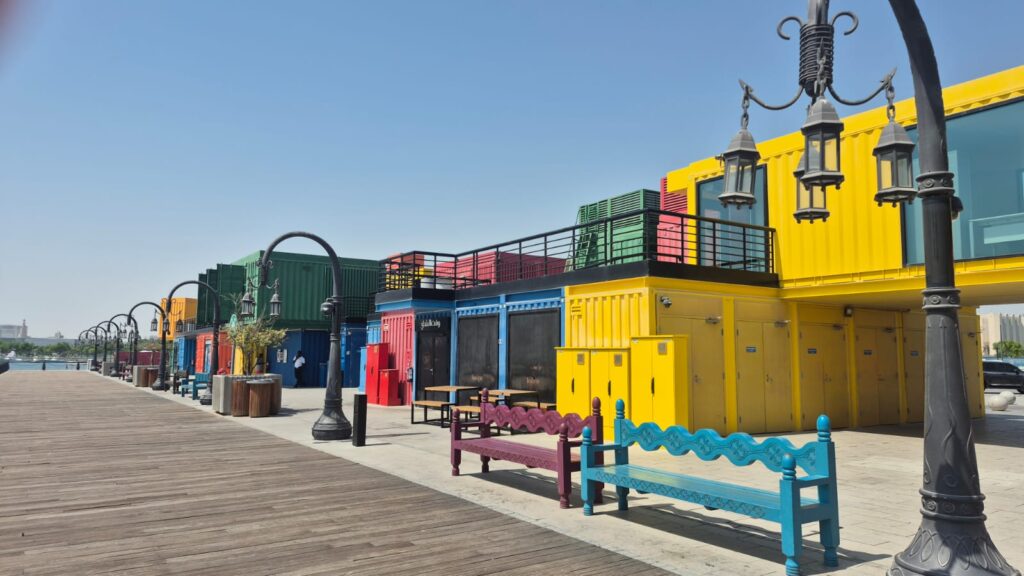
The stadium is an architectural experiment — constructed entirely from 974 recycled shipping containers, which also happens to be Qatar’s international dialling code.
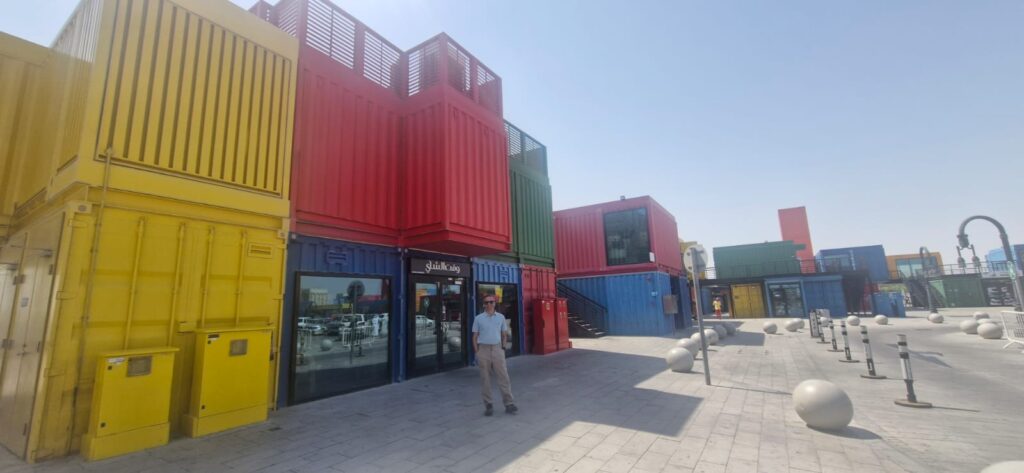
It was the first temporary stadium in World Cup history, designed to be dismantled and repurposed elsewhere.
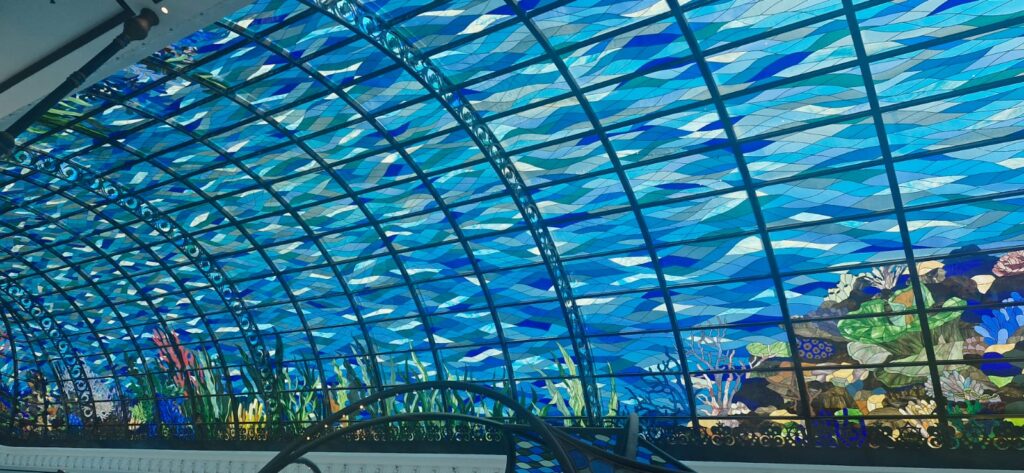
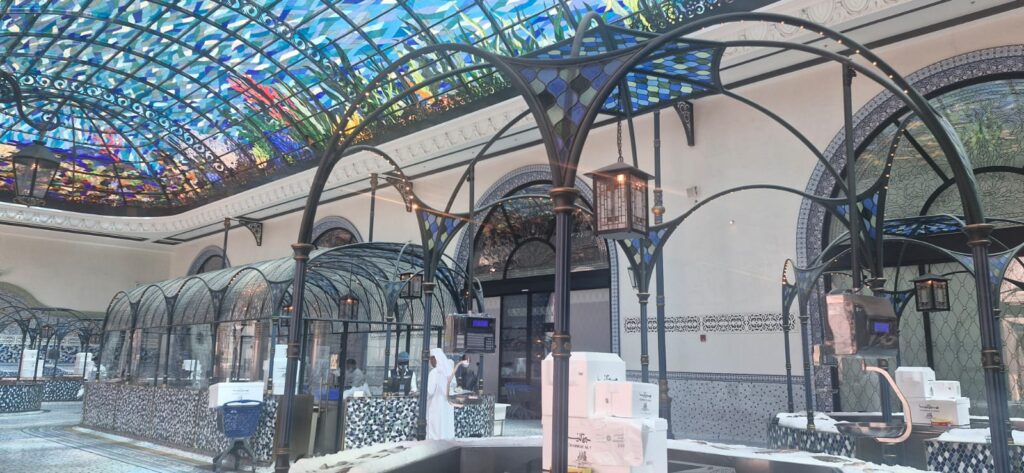
Not far away, we walked through the Doha Fish Market — surprisingly clean, with only a faint, subdued fish smell — before heading to the Doha Port, which was first developed in 1971, the same year Qatar gained independence from British rule on September 3, 1971.
That coincidence — a port symbolising trade and independence — feels fitting for a nation that has built its identity around transformation and global connections.
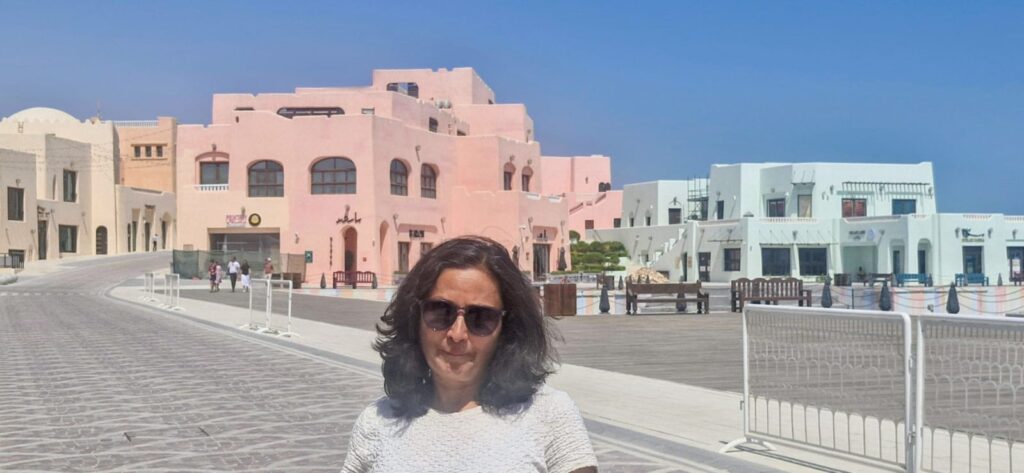
By midday, we found ourselves wandering through Souq Waqif, Doha’s famous traditional market.
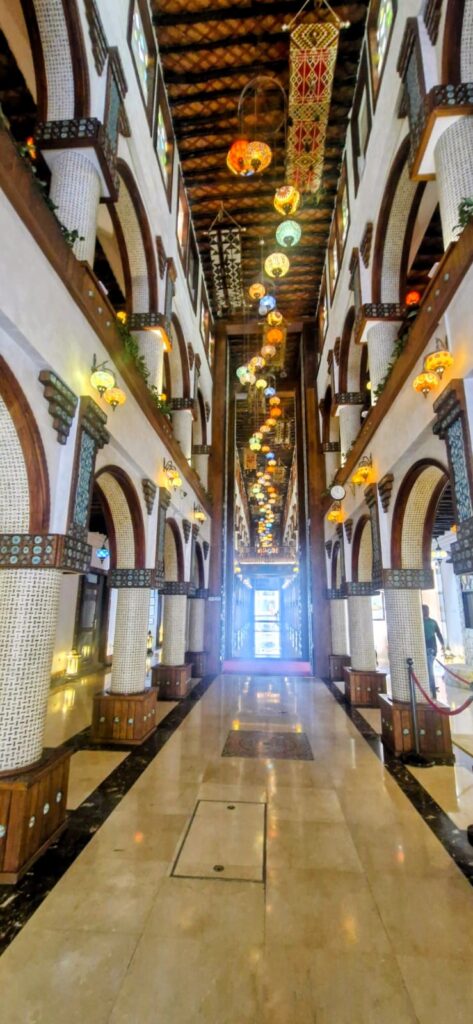
This maze of narrow alleys is filled with shops selling everything from perfumes and spices to textiles and souvenirs. The air was thick with the smell of saffron and cardamom.
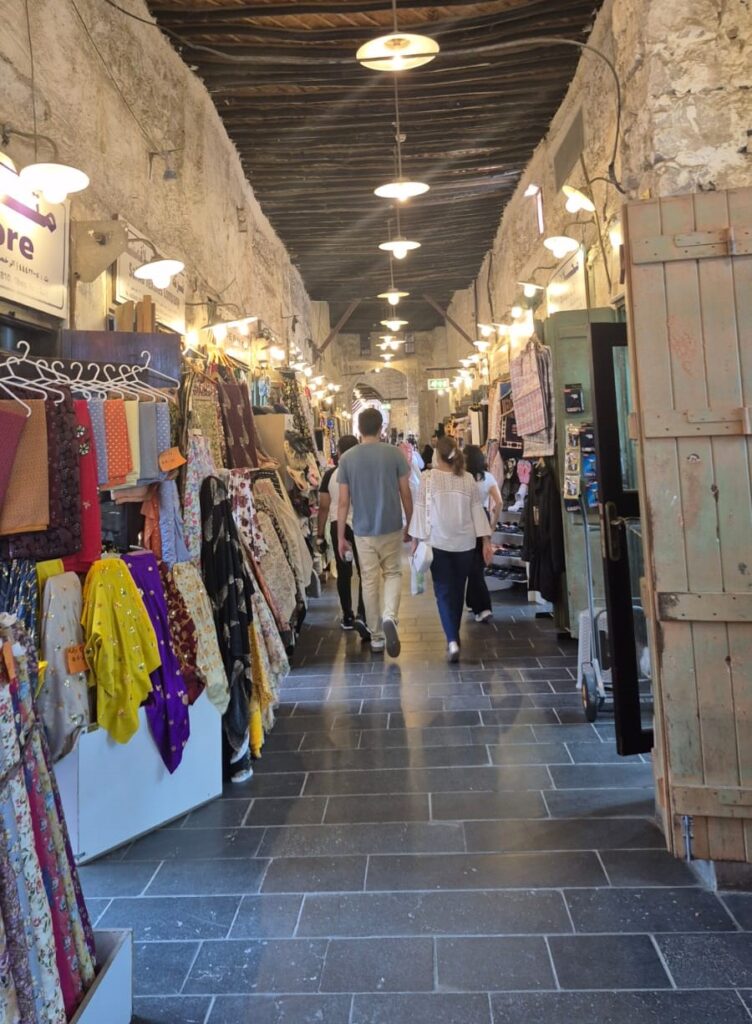
We bought some za’atar and sumac to take home — two of our favorite Middle Eastern seasonings. During the day, the souq is quiet due to the heat, but at night it comes alive with people dining outdoors, musicians performing, and the aroma of grilled kebabs in the air.
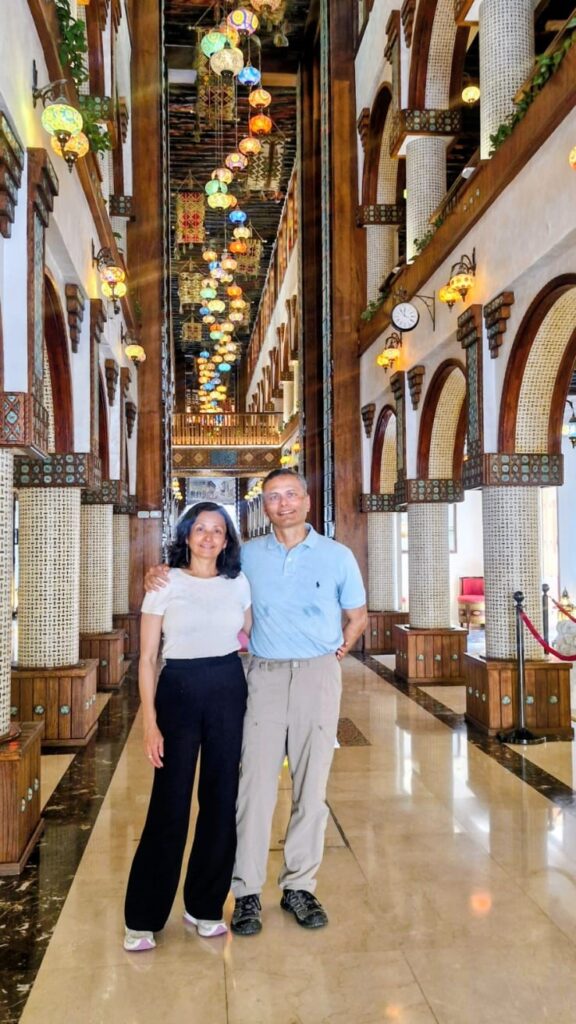
Across the street from the souq stands the striking Persian Mosque, with its intricate blue tilework and slender minaret — a splash of color against the sand-toned skyline.
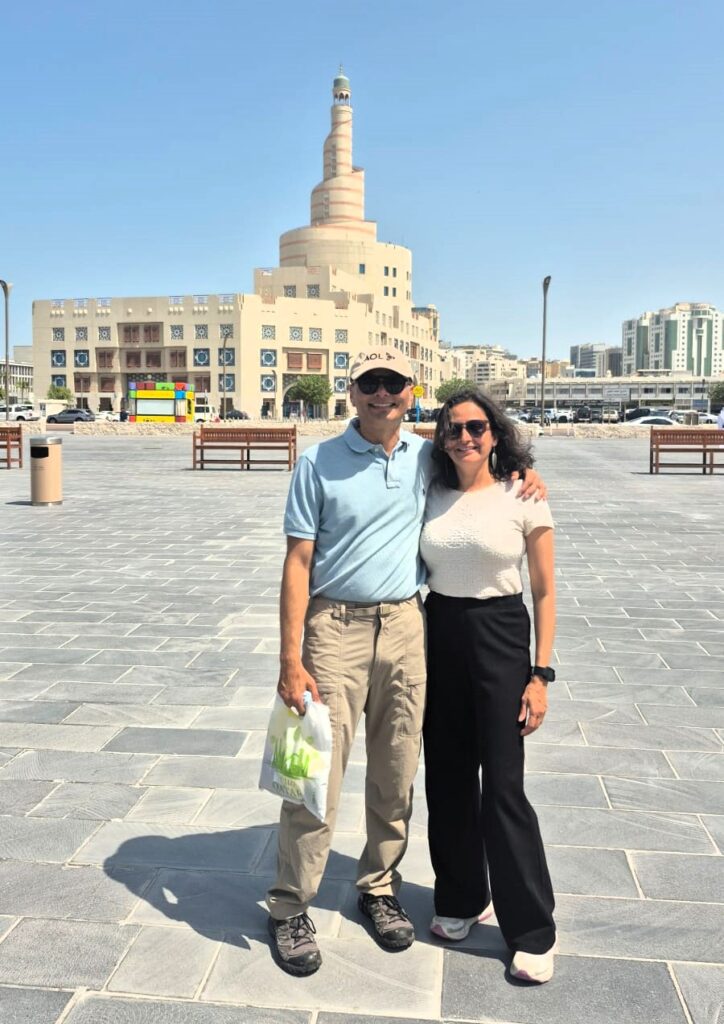
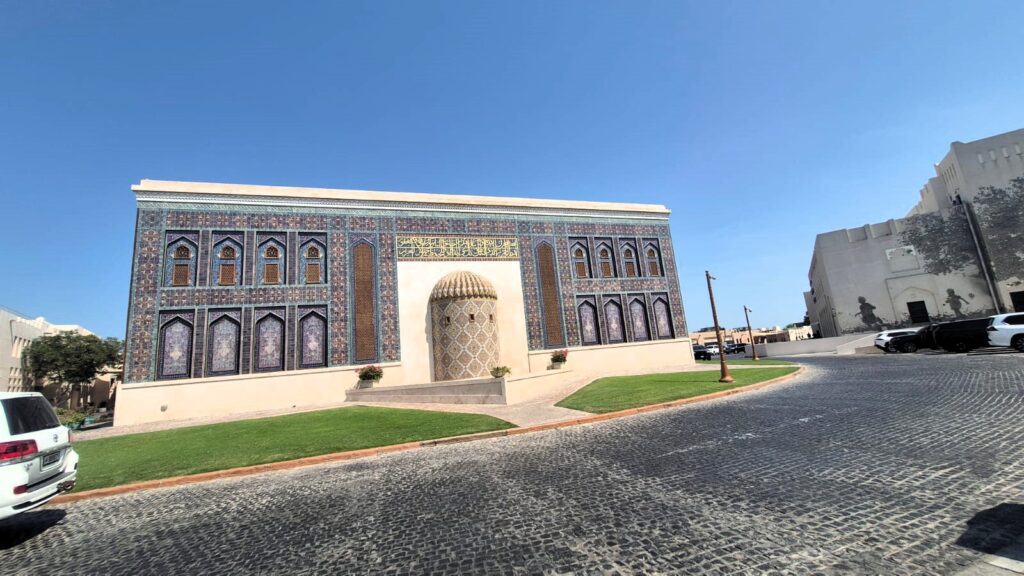
From there, our driver took us past Katara Cultural Village, an open-air complex built to resemble a traditional Qatari town, complete with flat-roofed, sand-colored buildings, narrow lanes, and courtyards.
It’s a hub for art exhibitions, theatre, and music, symbolizing Qatar’s efforts to balance modern progress with cultural heritage.
We also passed the Al Wahda Arches, a massive 100-meter-high steel structure that stretches over the Lusail Expressway.
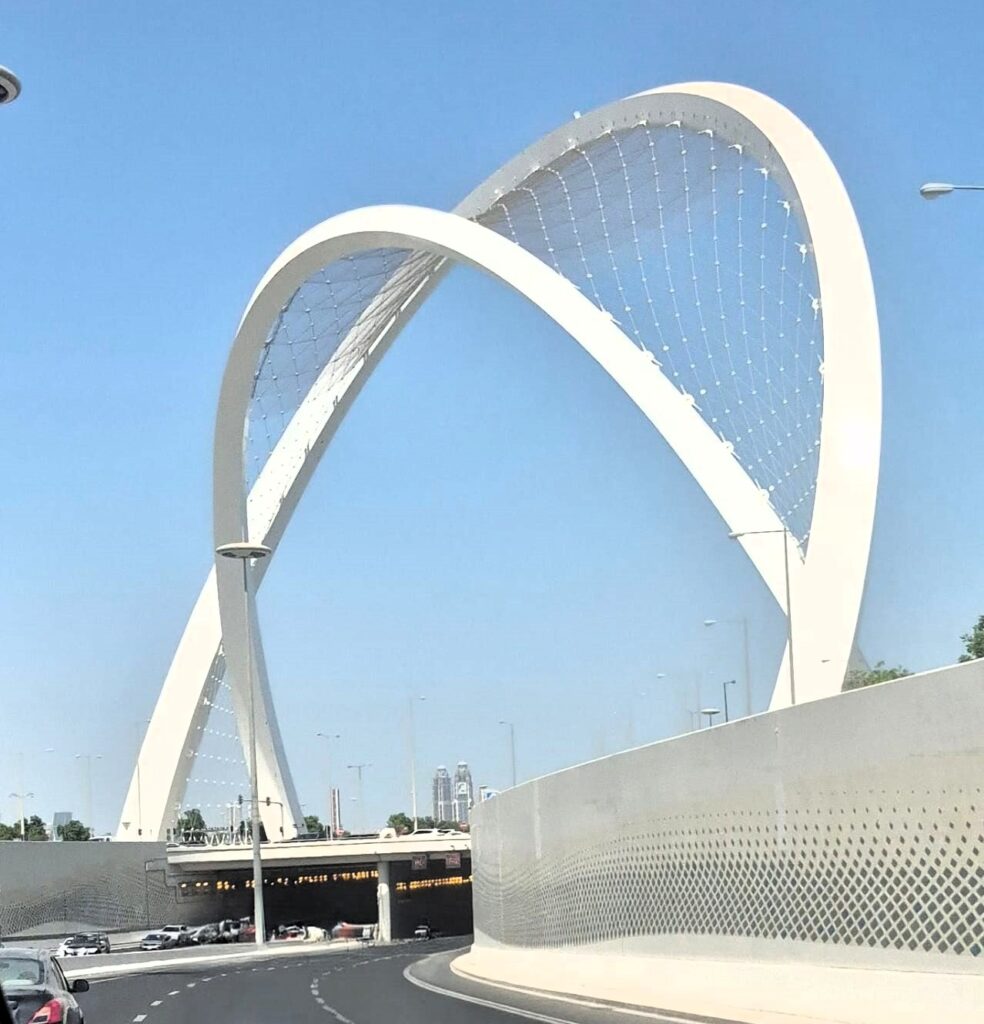
The twin arches resemble fishing nets, a tribute to Qatar’s seafaring past and the pearl divers who once sustained its economy. At night, they’re beautifully lit, making them one of Doha’s new landmarks.
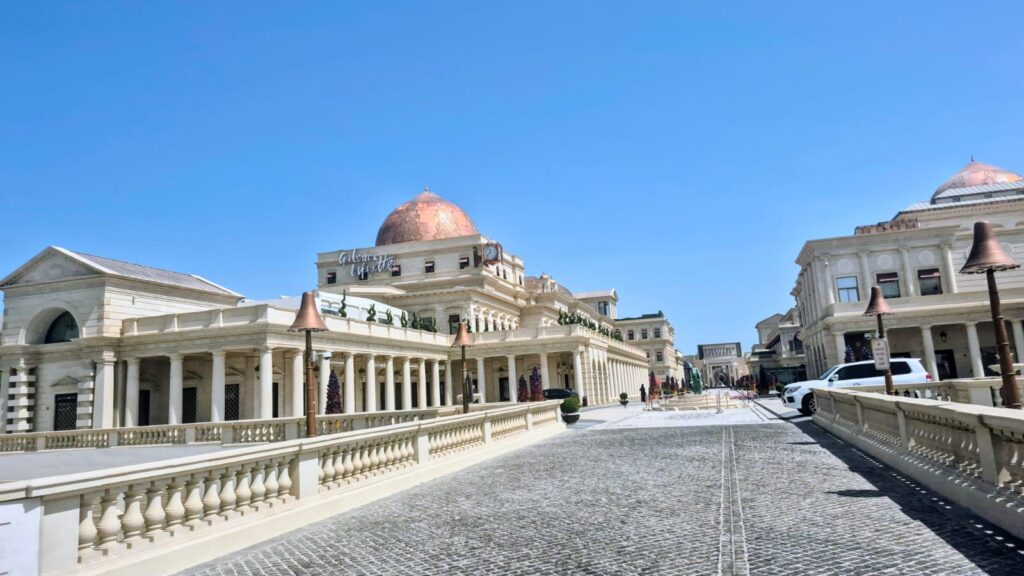
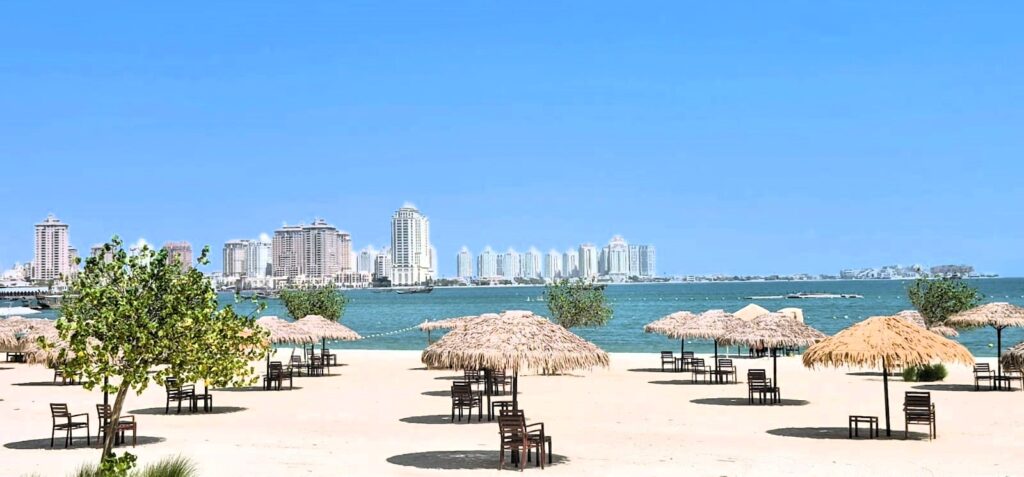
As we drove to Pearl Island, the new area of Doha developed by the Americans, we saw some good structures.
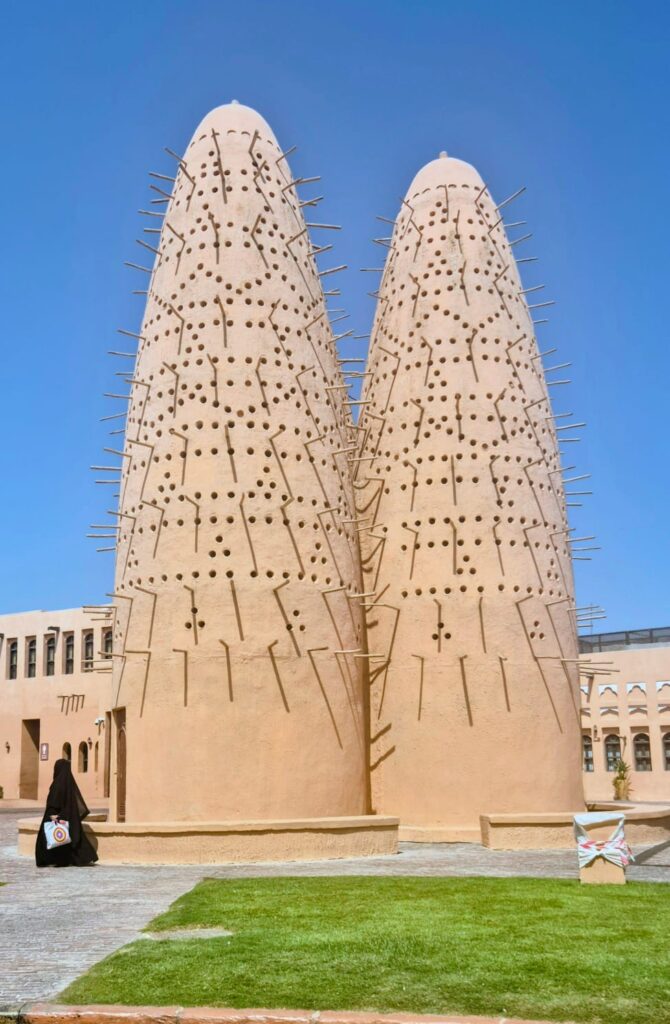
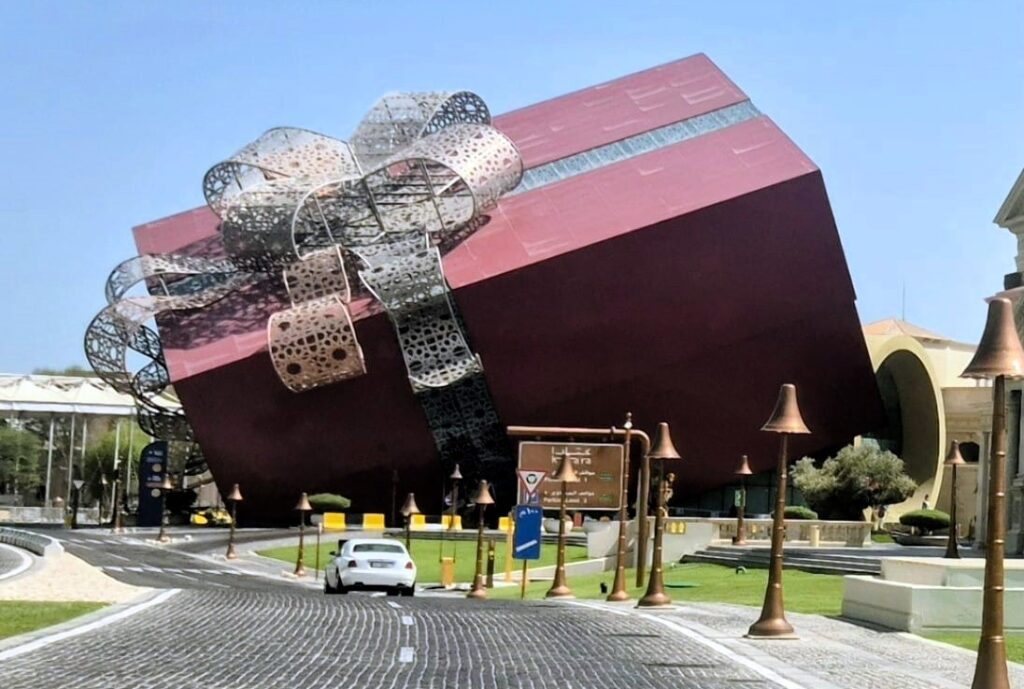
The twin towers are enclosures to give birds food and water, because they often die due to extreme heat, and even a metro station shaped like a Christmas gift box, a touch of Qatari whimsy amid all the sleek design.
The Pearl Island itself is an ultra-modern, man-made island off the coast of Doha, and notably, it’s the first area in Qatar where foreigners can own property.
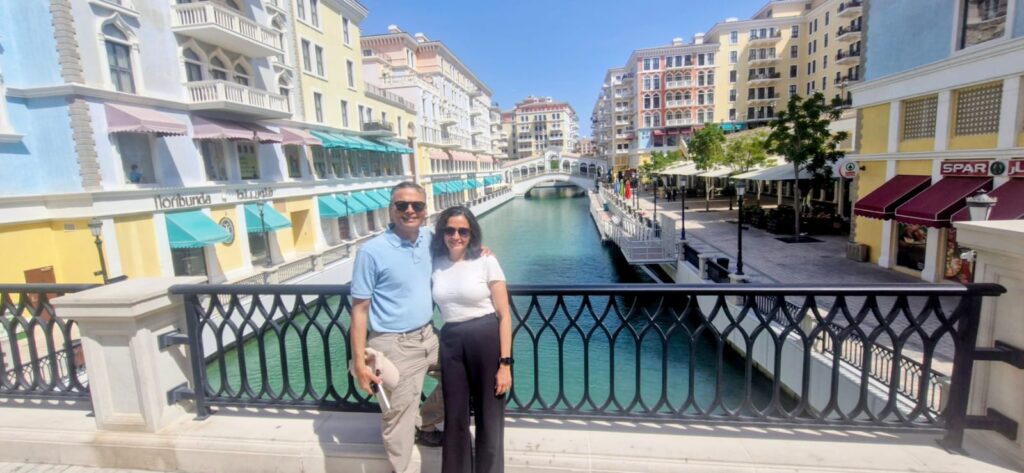
Everywhere else in the country, real estate ownership is restricted to Qatari nationals. The Pearl is dotted with luxury apartments, marinas, and boutique shops, all built around a network of canals and promenades.
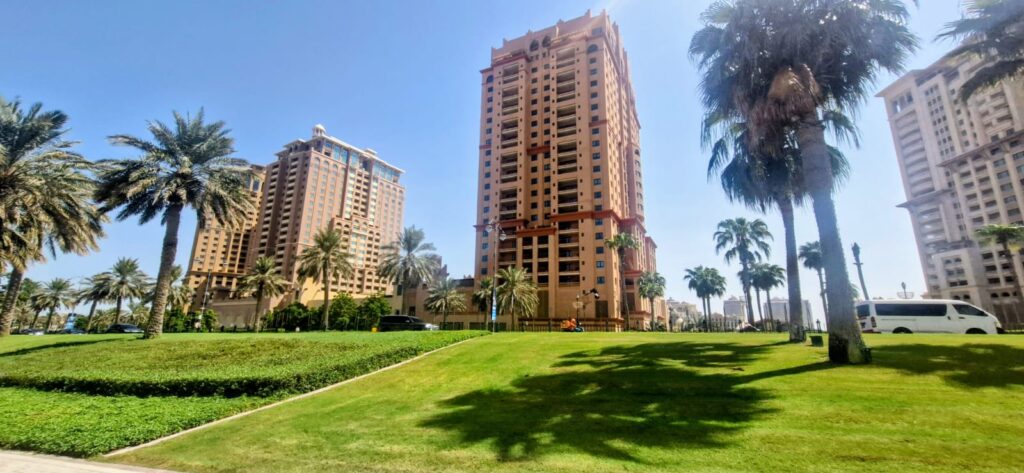
The Pearl-Qatar, often simply called Pearl Island, is an artificial island spanning nearly 4 square kilometers off the coast of Doha. Built on reclaimed land, it was the first place in Qatar where foreigners could buy freehold property — making it a symbol of modern, cosmopolitan Doha. The island blends Mediterranean-style architecture with Arabian flair, lined with luxury apartments, high-end boutiques, and waterfront cafés. Its marina, pastel-colored towers, and boardwalks give it a distinctly European vibe, often compared to Monaco or Venice.
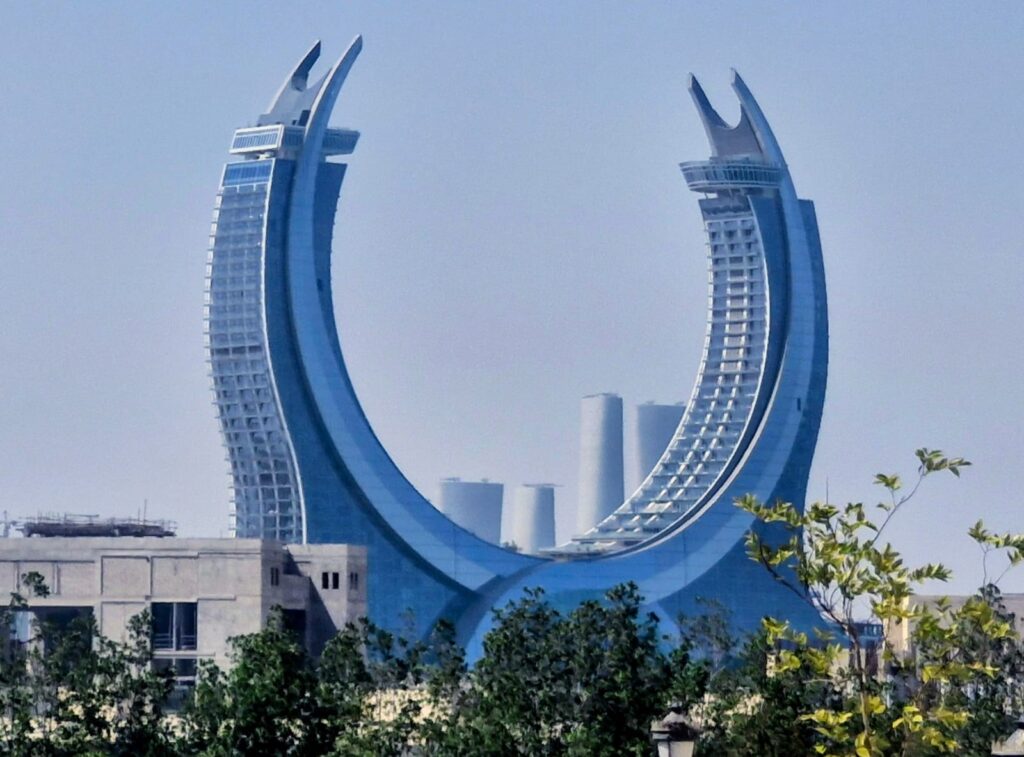
Among the eye-catching structures are the Moon Towers, with their distinctive curved design that lights up spectacularly at night.
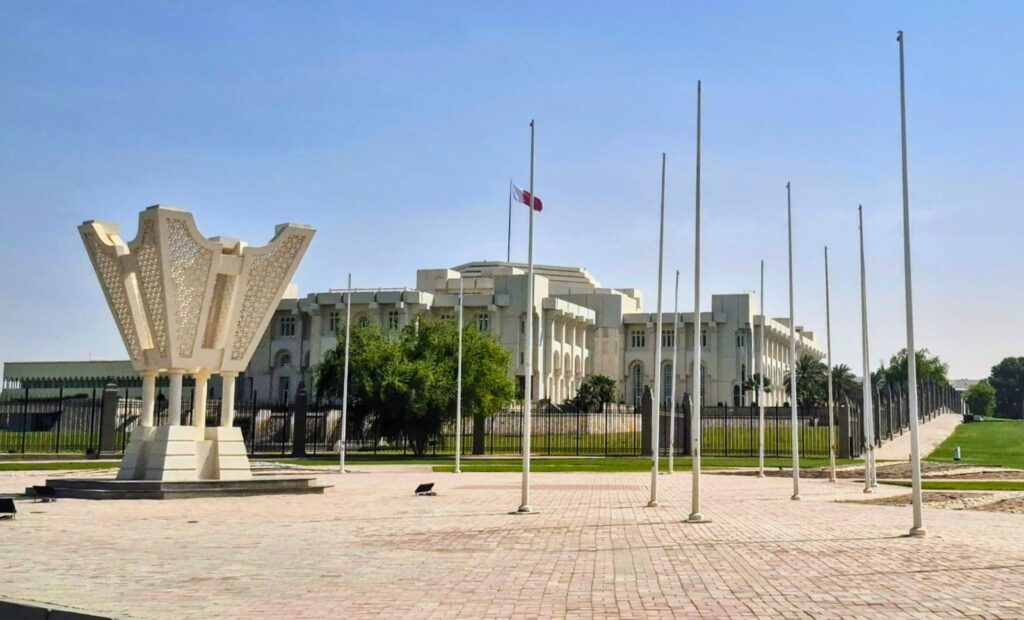
We also drove past the palace of the Emir of Qatar, a grand compound reflecting the understated yet undeniable wealth of the country.
By around 1:30 p.m., our tour wrapped up, and we headed to the Villaggio Mall, located about 15 km west of the old town.
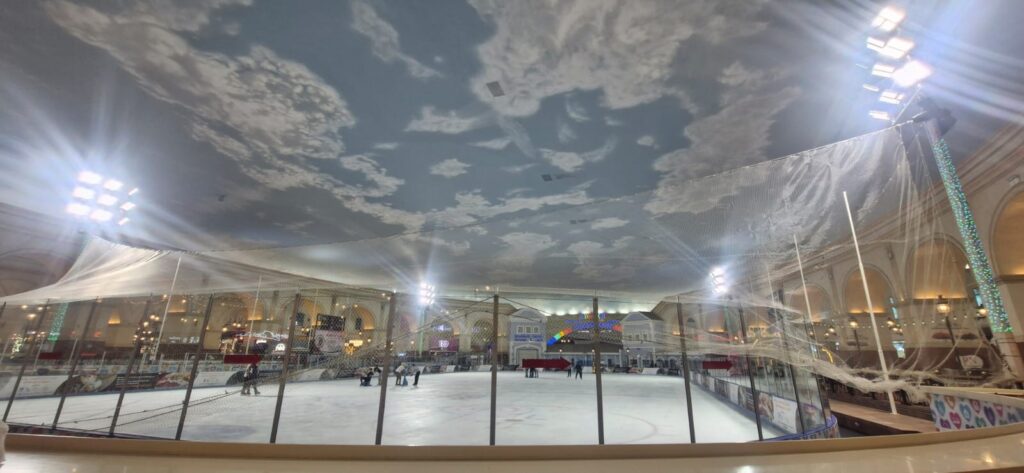
It’s a massive shopping complex themed after Venice — complete with painted blue skies, faux canals, and gondolas gliding under arched bridges.
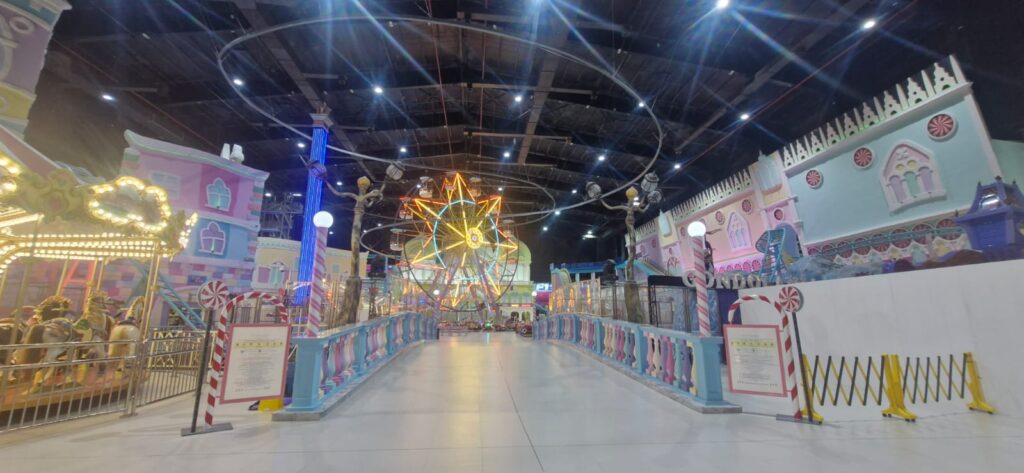
The mall even has an ice-skating rink and a small amusement park inside.
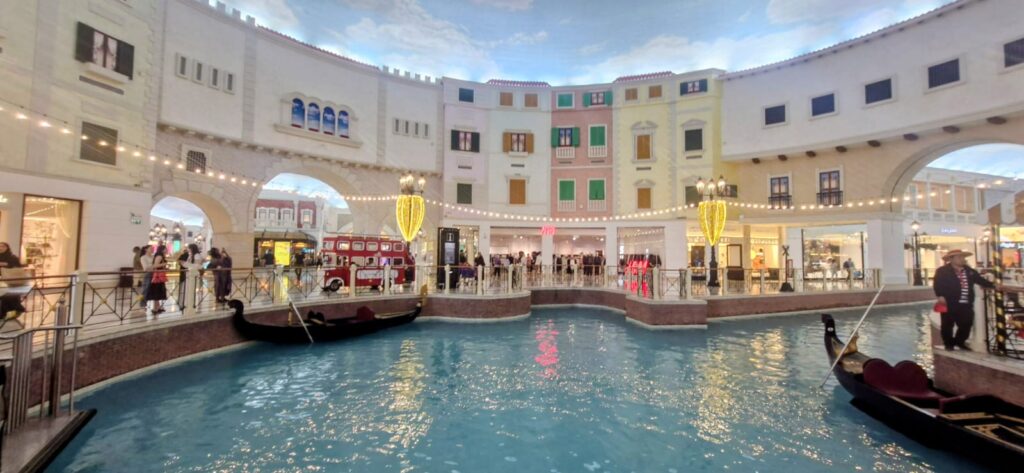
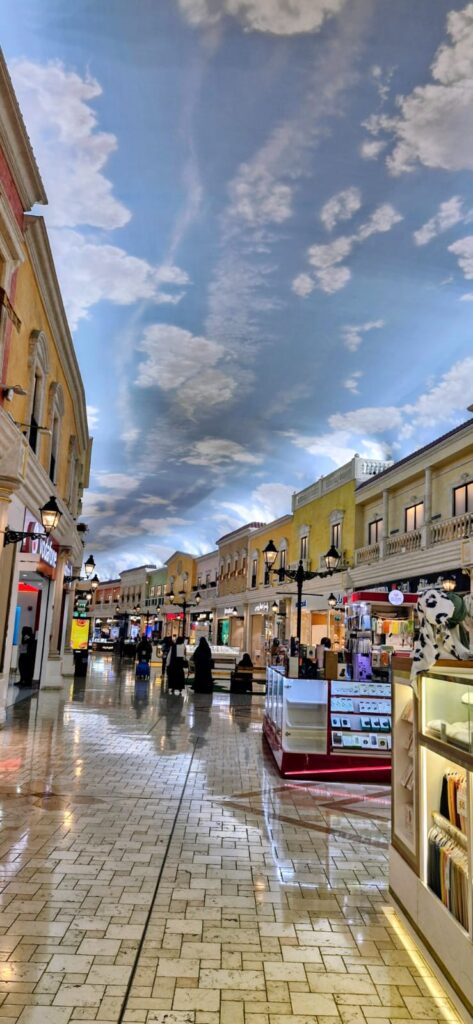
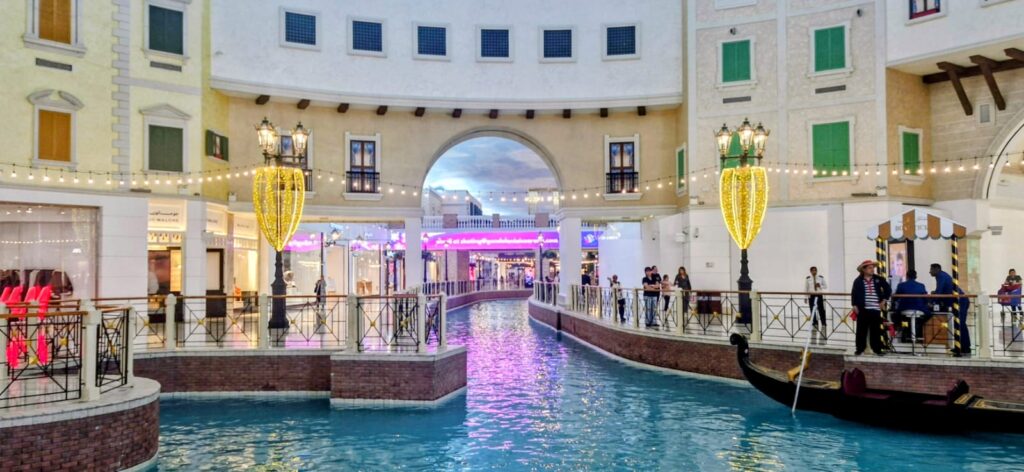
We had lunch there and took a short break from the heat before heading to the airport.
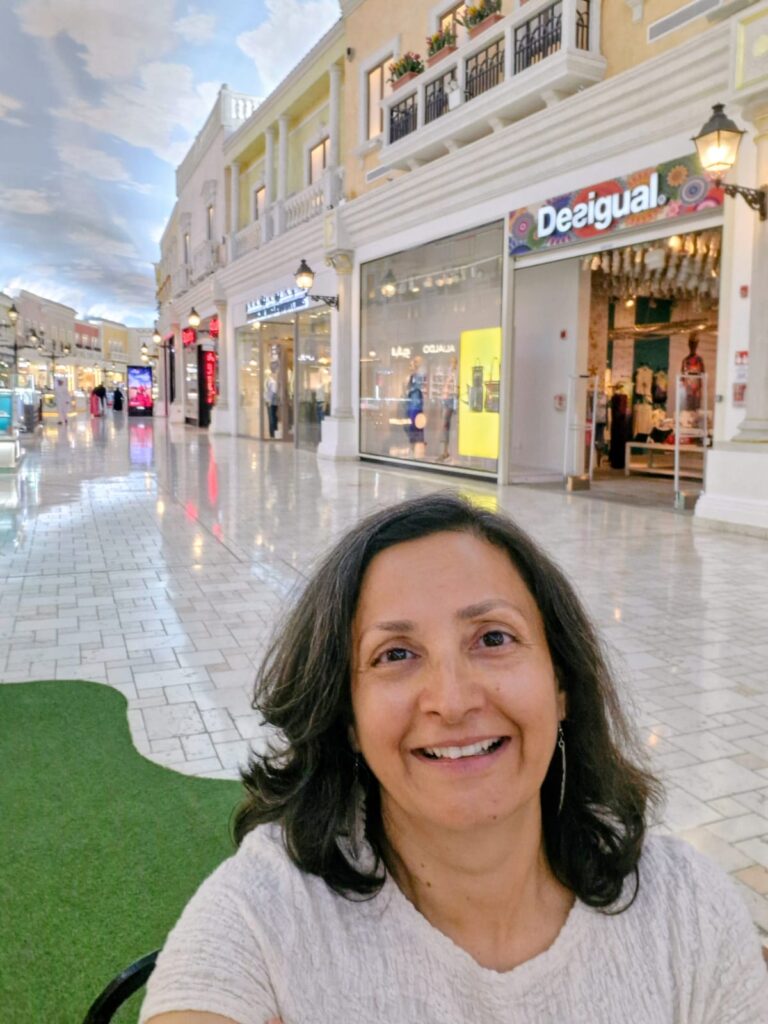
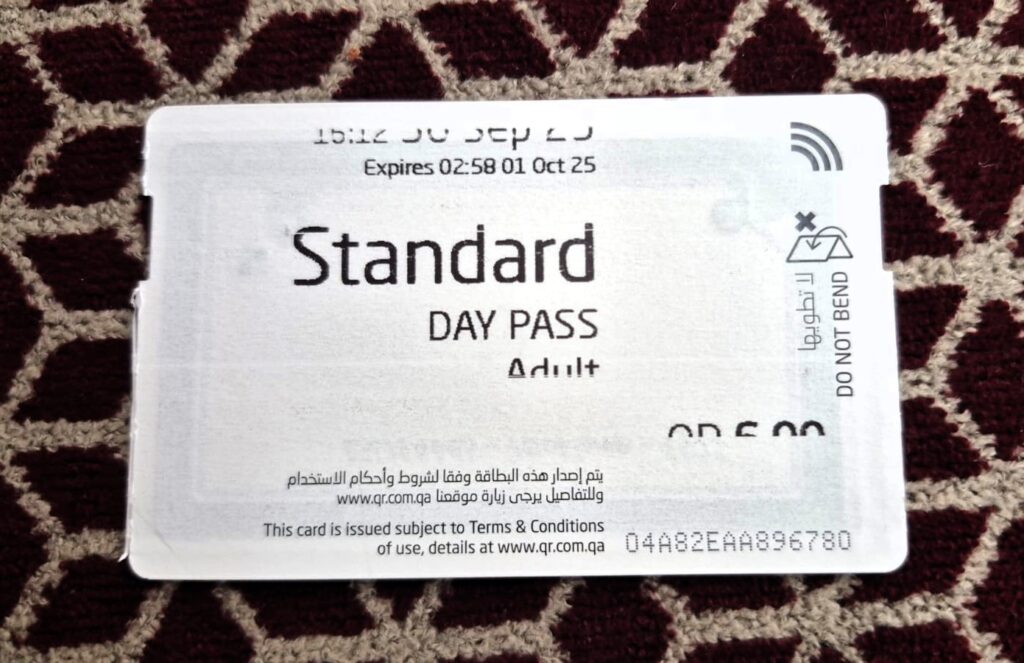
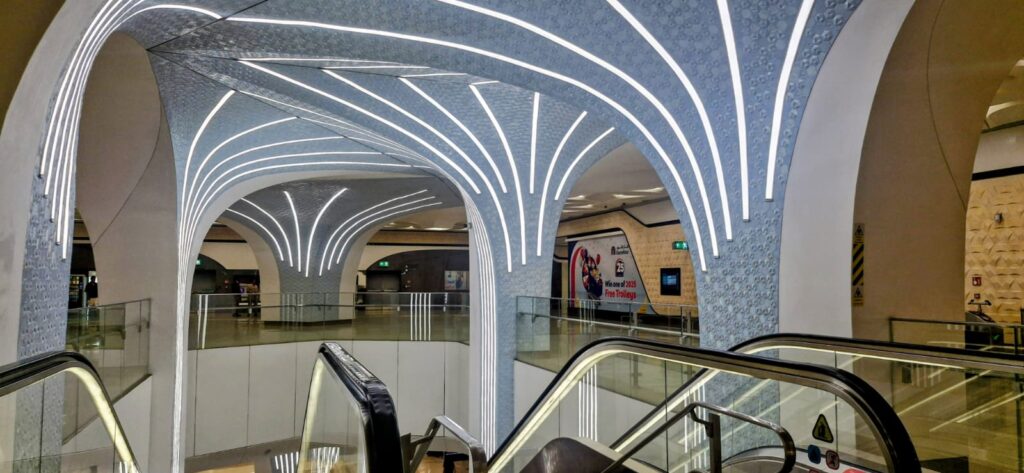
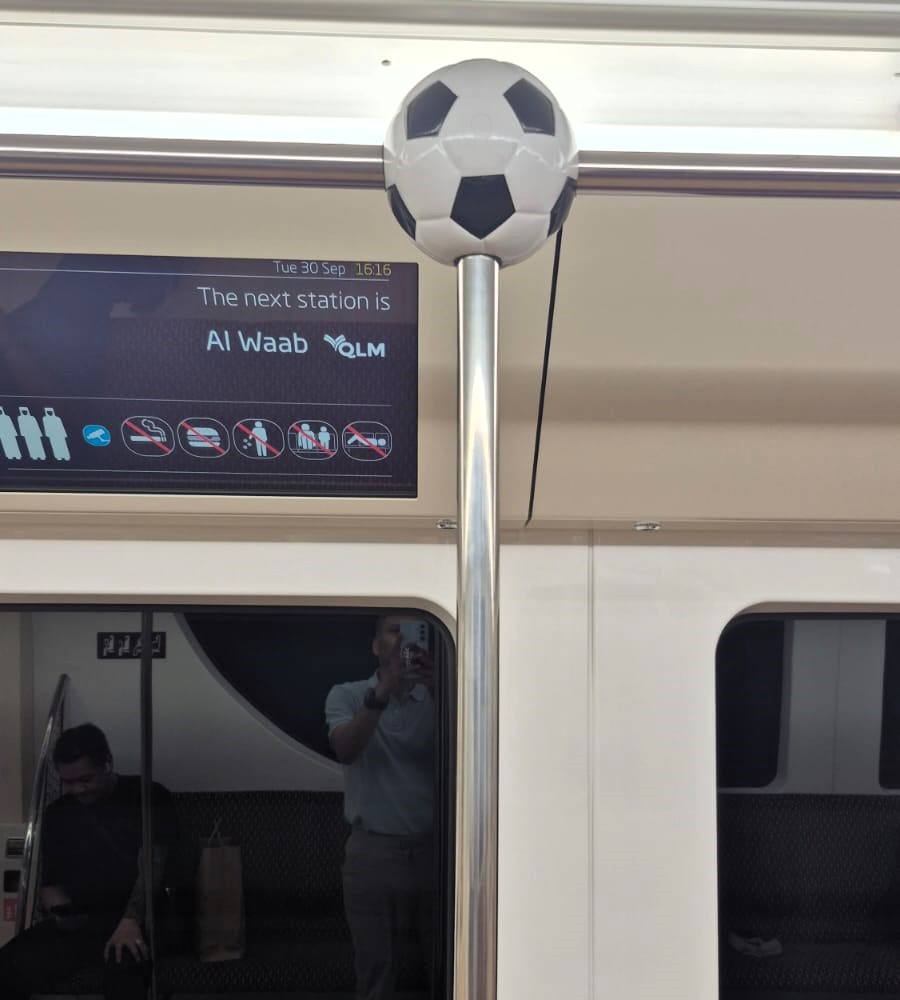
Although we could have taken a taxi, we decided to try the Doha Metro, which opened in 2019 and spans 76 km with 37 stations. It’s spotless, efficient, and ultra-modern.
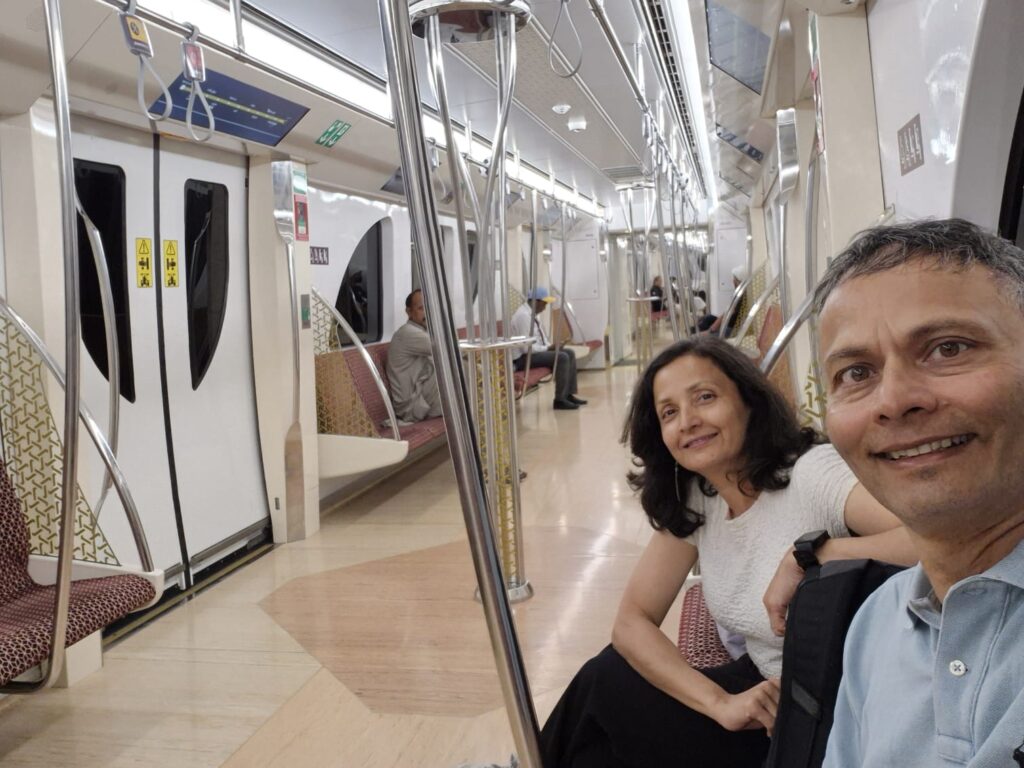
The ride from Villaggio to Hamad International Airport took only 35 minutes, with one easy interchange. A day pass costs 6 Qatari Riyals (around ₹150) — excellent value for such a world-class system.
We reached the airport at 4:50 p.m., well ahead of our 8:10 p.m. flight back to Mumbai, scheduled to land at 2:10 a.m.
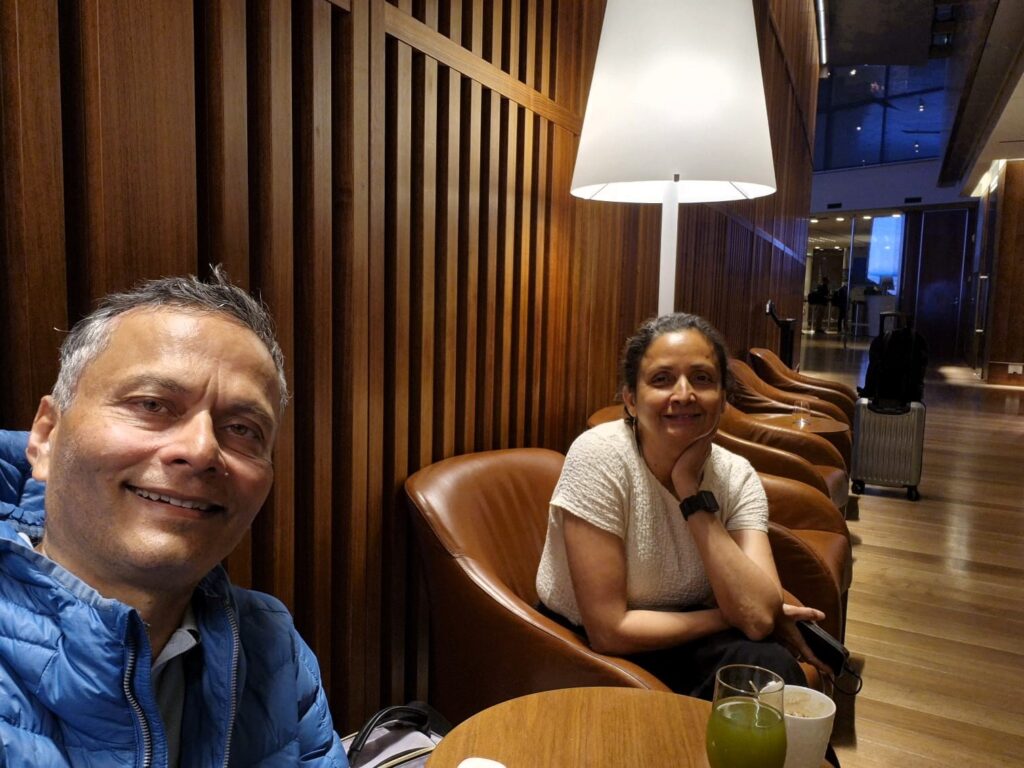
As we settled in at the airport, reflecting on the past few weeks. It had been a trip full of discovery — a true journey through history, geography, and humanity.