

We spent 7 days visiting 3 countries on the Arabian peninsula. Normally, travelers visit the Middle East for shopping in malls. Anu and I decided to do a cultural exploration trip of the Middle East, visiting Saudi Arabia, Kuwait and Bahrain.
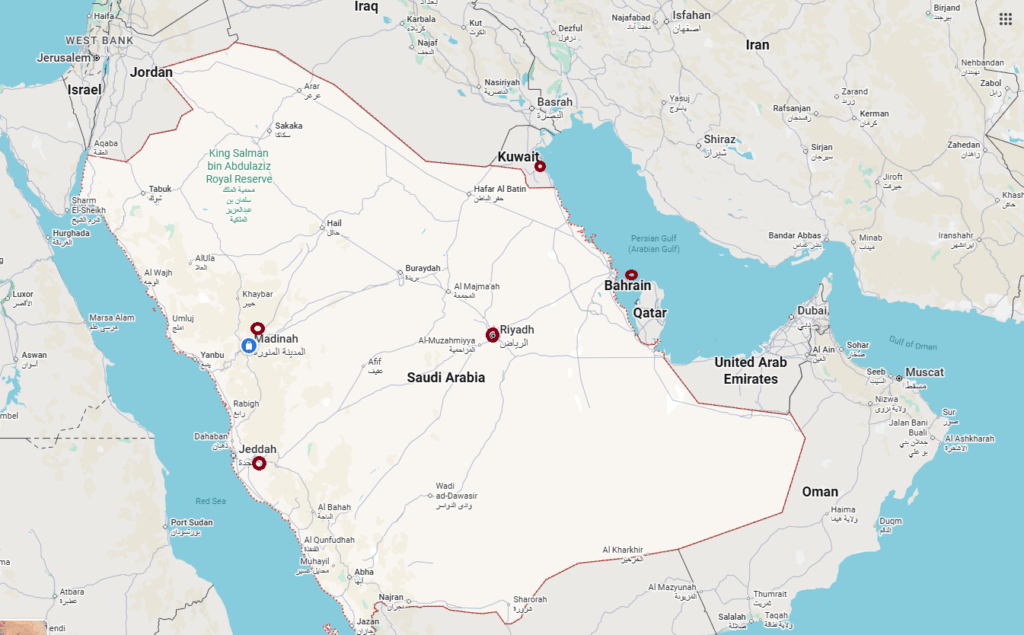
Day 1: Wednesday, November 5 – Riyadh
We took the 4:35 am Flynas flight from Mumbai to Riyadh, landing around 6:50 am local time.
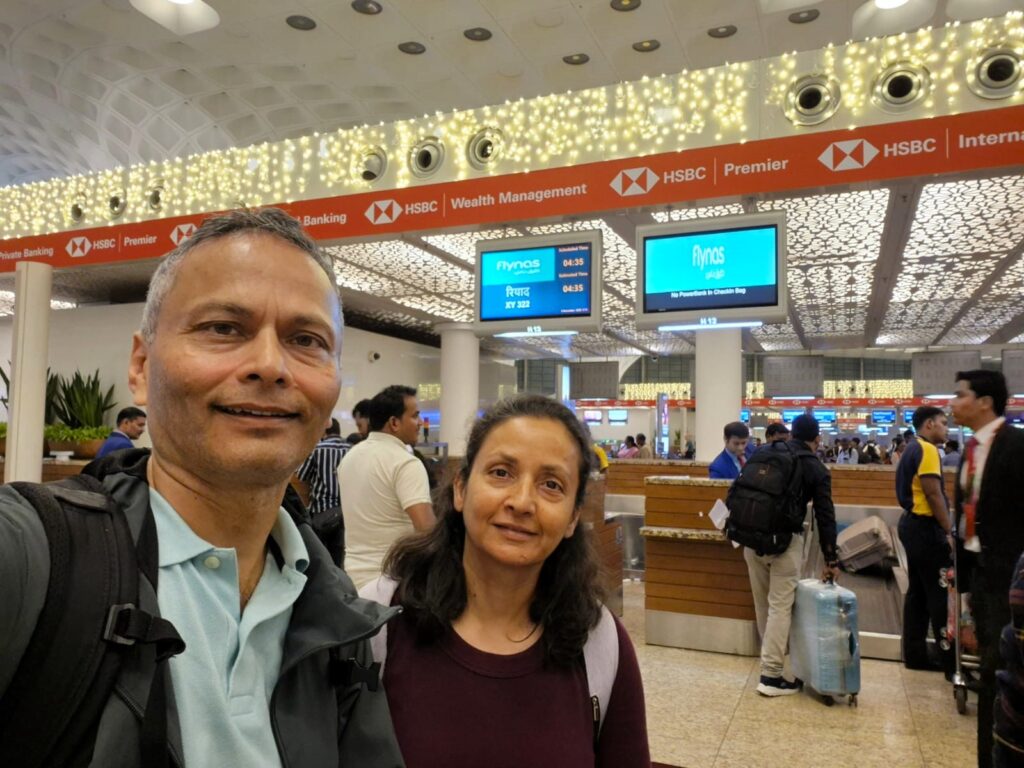
Saudi Arabia is 2 hours and 30 minutes behind India. From the airport, we decided to try the metro instead of taking a taxi — it turned out to be extremely comfortable, clean, and efficient.
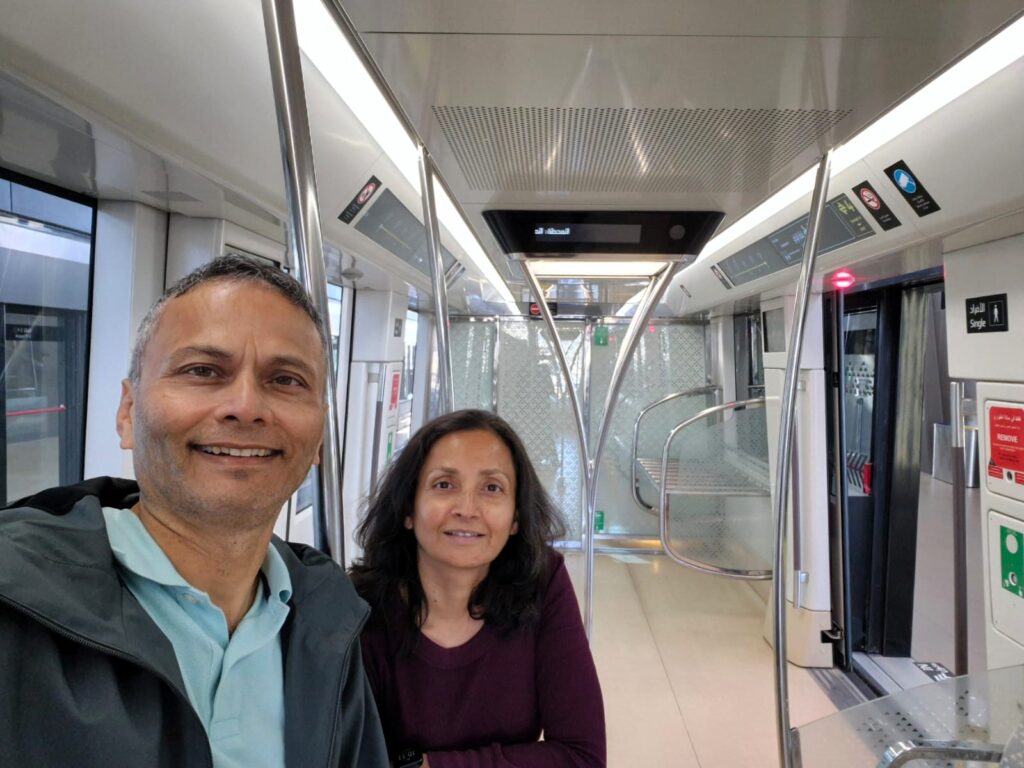
The Riyadh Metro, less than a year old, is well-designed and inexpensive — just $1 for two hours of travel.
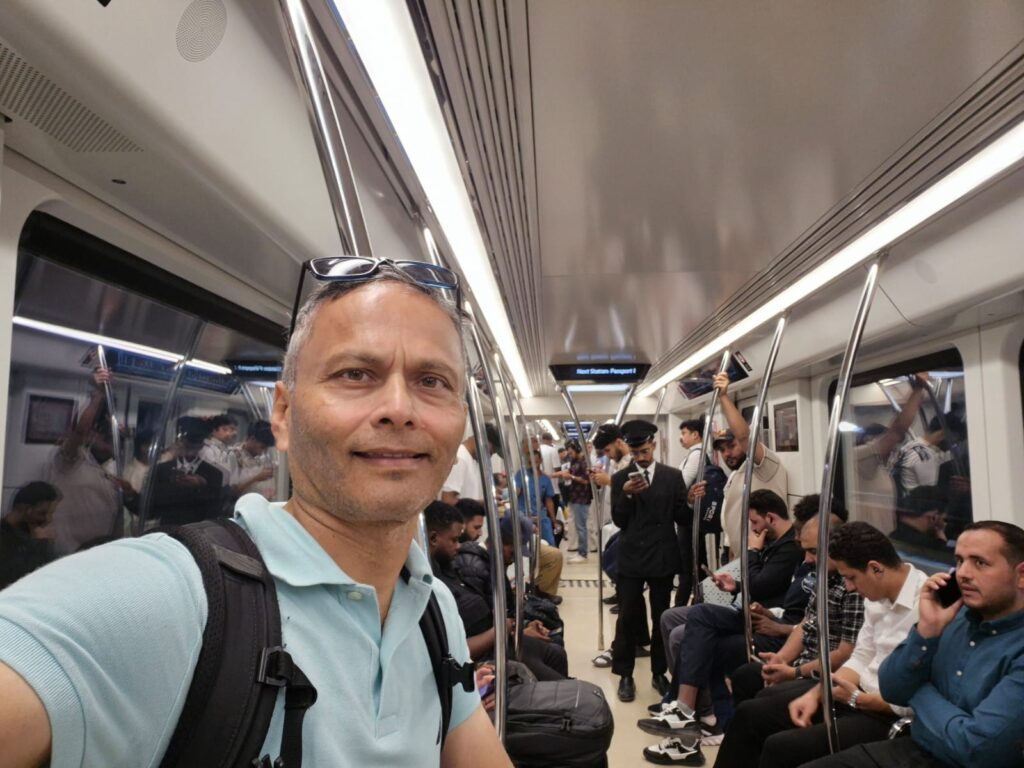
The metro ride itself was quite an experience because of the cultural practice of separating men and women. In the trains, single women travel in the “family” car, single men in the “single” car, and couples in the “family” car. I noticed that when I took a picture of Anu, the lady behind her hid her face. My apologies to the lady if I offended her…
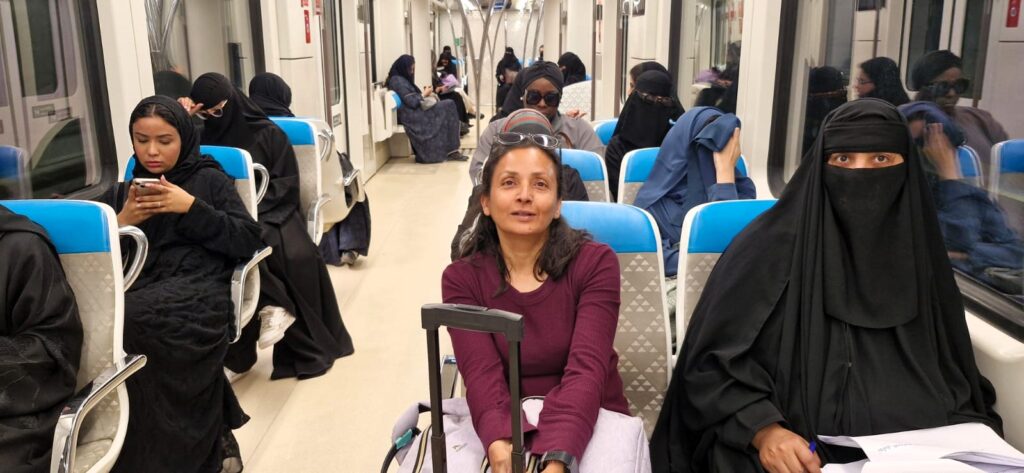
When we arrived from the airport in the morning, Anu and I unknowingly entered the single car — and she was the only woman there! Later, when we switched to the family car, I found myself to be the only man among a sea of women dressed in black abayas. It was a bit awkward standing there since even empty seats next to women were off-limits. After that, we decided it was easier for Anu to take the family car and for me to go in the single car.
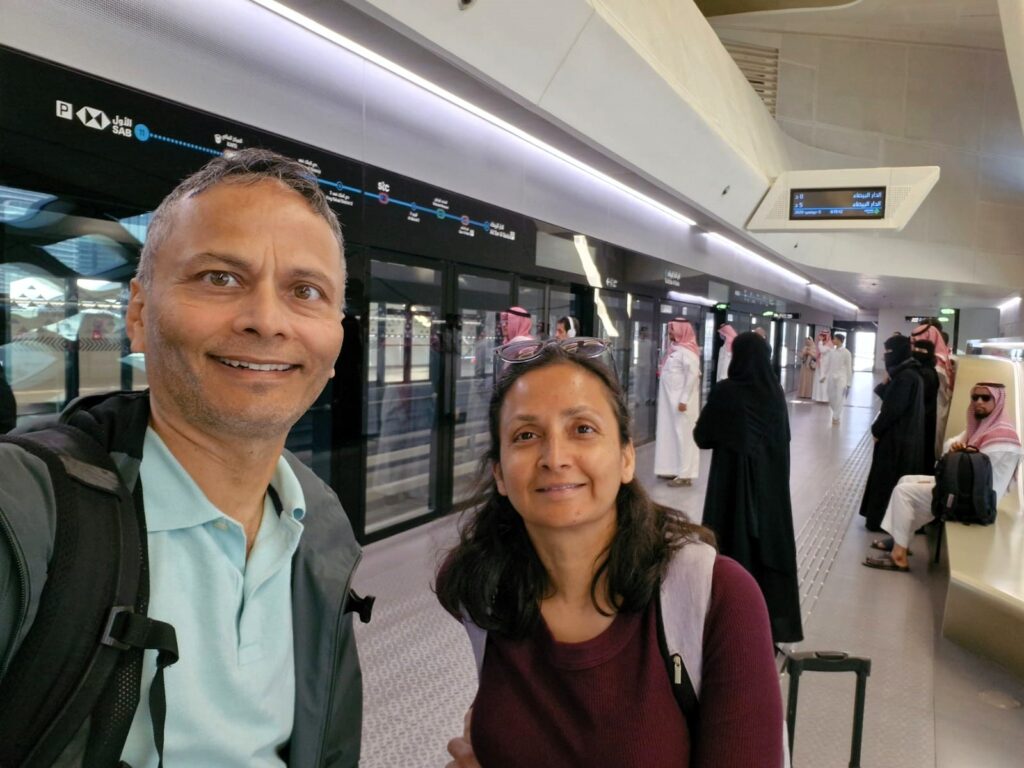
We reached our hotel — Ramada by Wyndham — around 9:15 am, dropped our bags in the storage room, and headed out for sightseeing. Our first destination was Al Masmak Fortress.
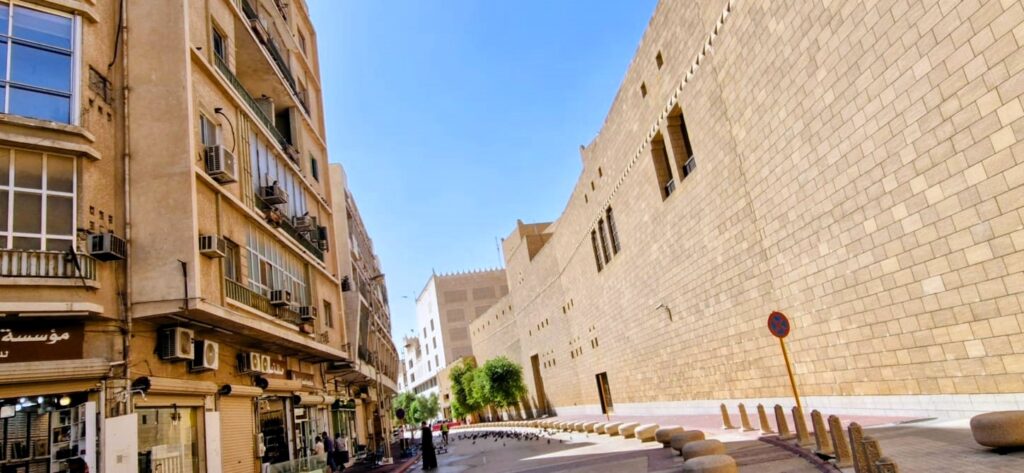
We took the metro to Qasr Al Hokm station and walked through Souq Al Zal, one of Riyadh’s oldest marketplaces.
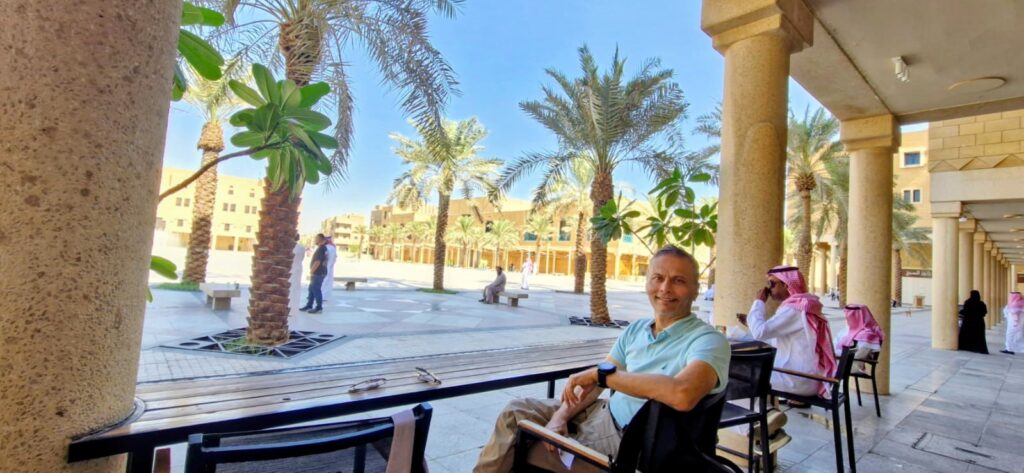
The souq, which spans nearly 9.5 acres, dates back to 1901 and is known for its carpet trading and sale of agarwood.
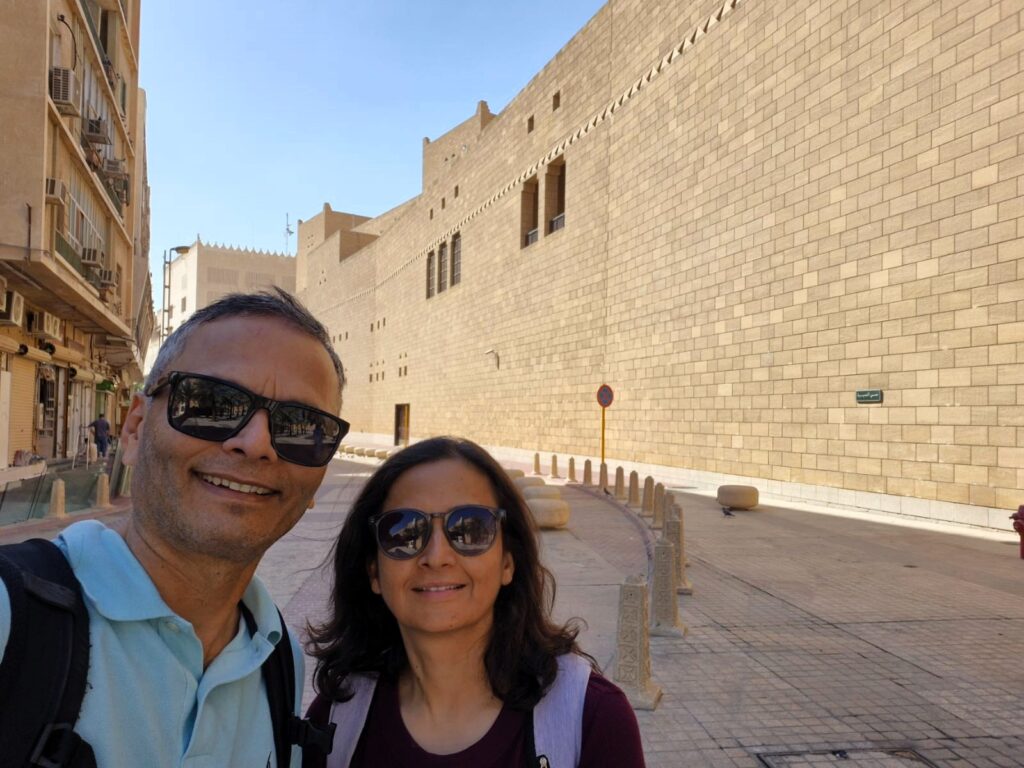
The market is popular with both locals and tourists because many items are hand-crafted or vintage rather than mass-produced. Bargaining is common, and some shops still conduct business in the older auction style in the mornings.
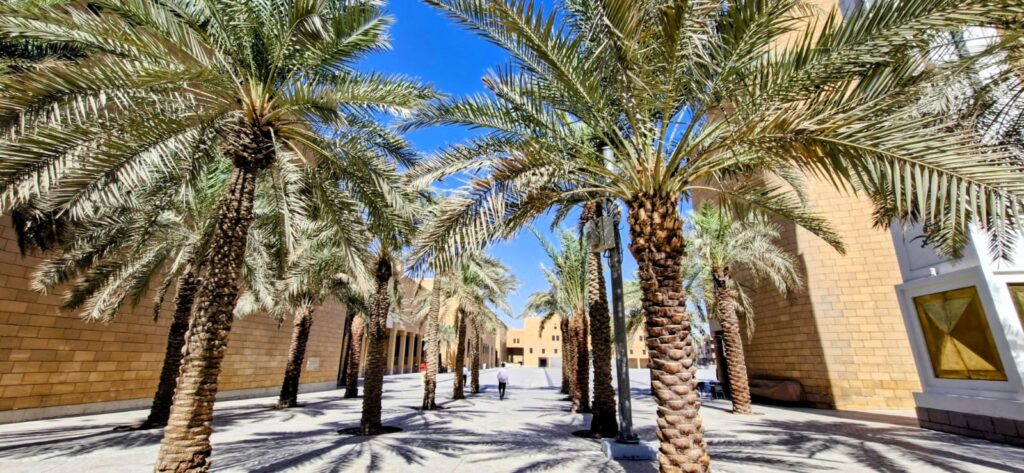
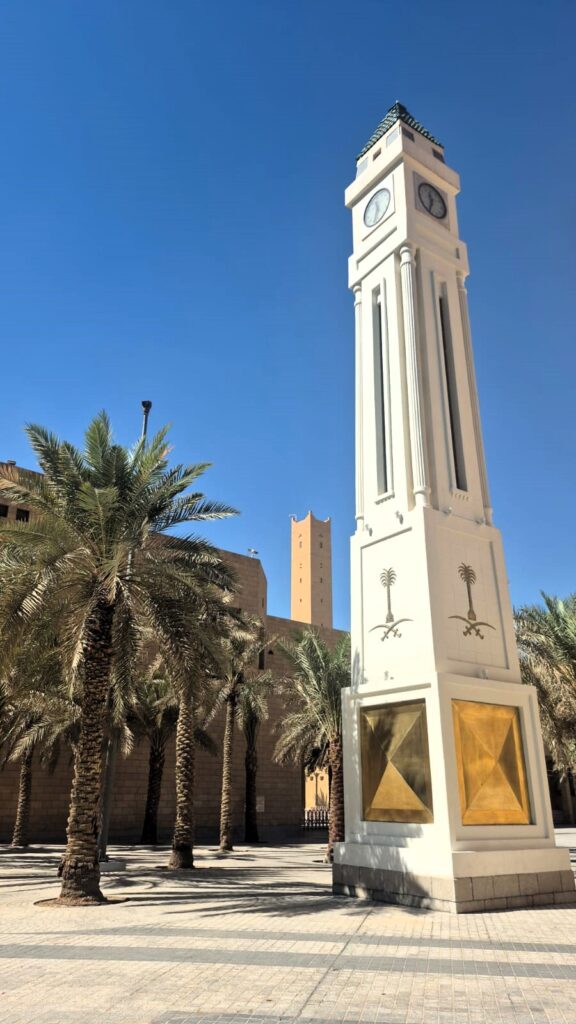
The Souq Clock Tower is one of the most recognisable landmarks beside Souk Al Zal. Built during the early development of the Al-Hokm Palace district, the tower carries the Saudi national emblem — two crossed swords and a palm tree — symbolising justice and prosperity. It stands as a gateway marker to the historic marketplace and the old commercial heart of Riyadh.
Right next to the souq lies Al Safat Square, a historic landmark surrounded by the main marketplace and several palaces, including Al-Hukm Palace.
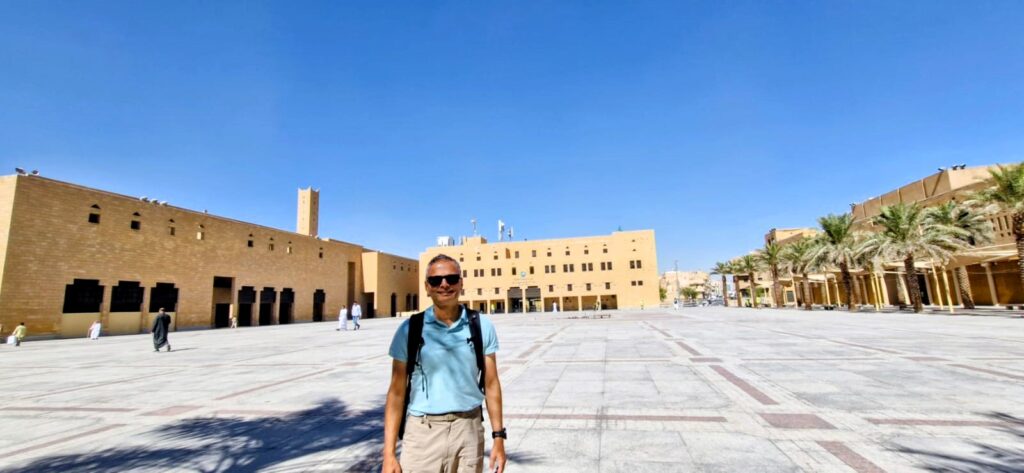
The square has deep historical importance — it dates back to the 19th century, when Imam Turki Bin Abdullah, founder of the Second Saudi State, designated Riyadh as the capital, replacing ad-Dir’iyyah, the capital of the first Saudi State.
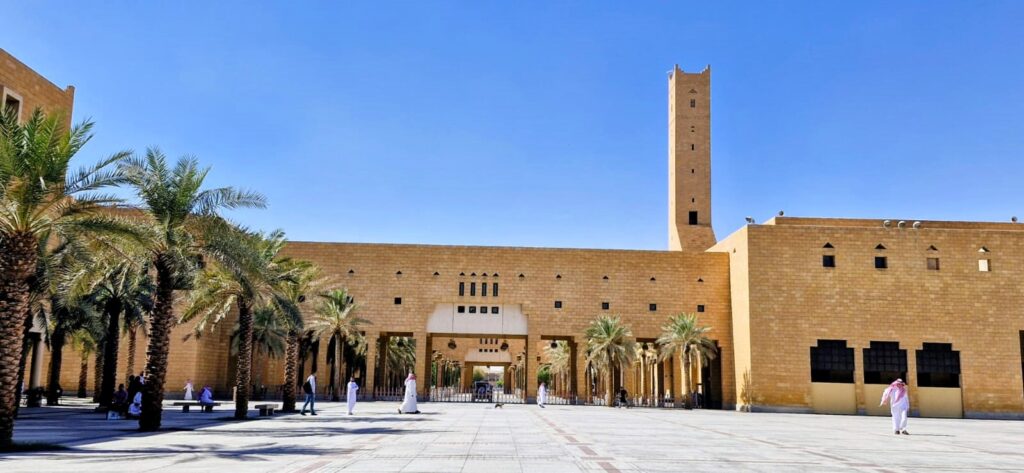
We then continued to the Al Masmak Fortress, commissioned in 1865 by Abdullah bin Faisal Al Saud and completed in 1895 after the Rashidi dynasty took control of Riyadh.
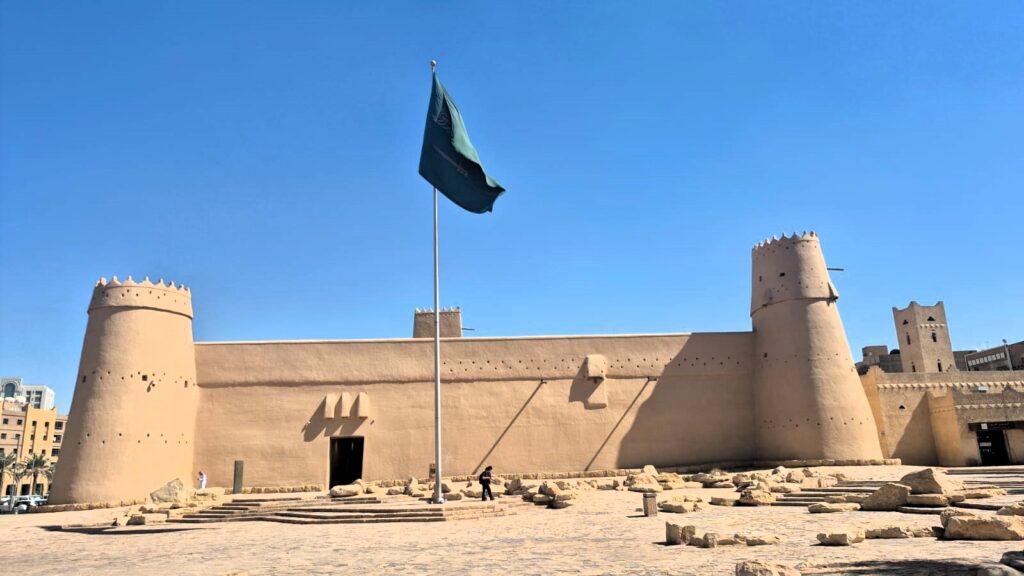
The fortress is famous as the site of the Battle of Riyadh (1902), which marked the beginning of the unification of Saudi Arabia.
It’s often referred to as the symbolic birthplace of the modern Saudi kingdom.
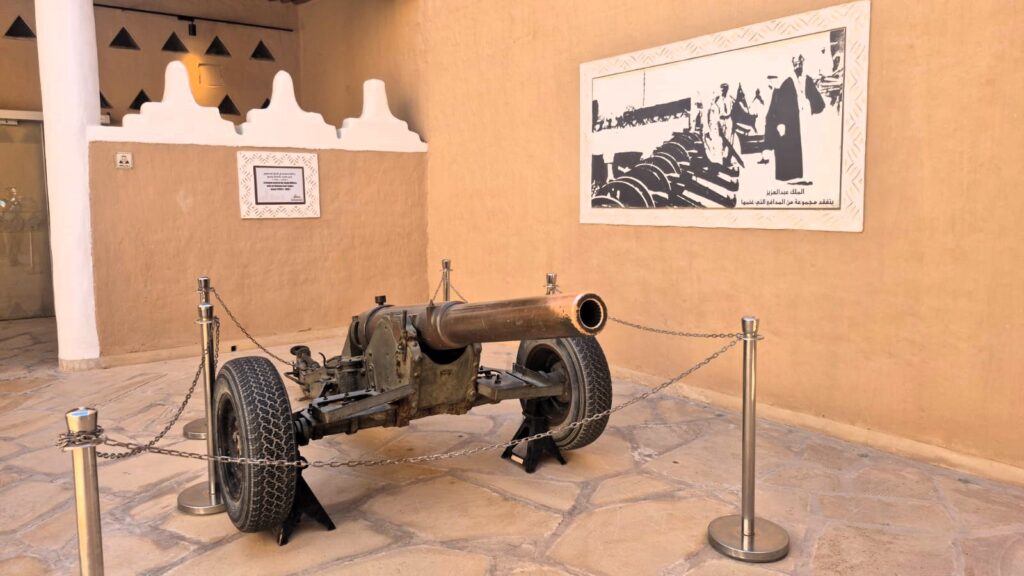
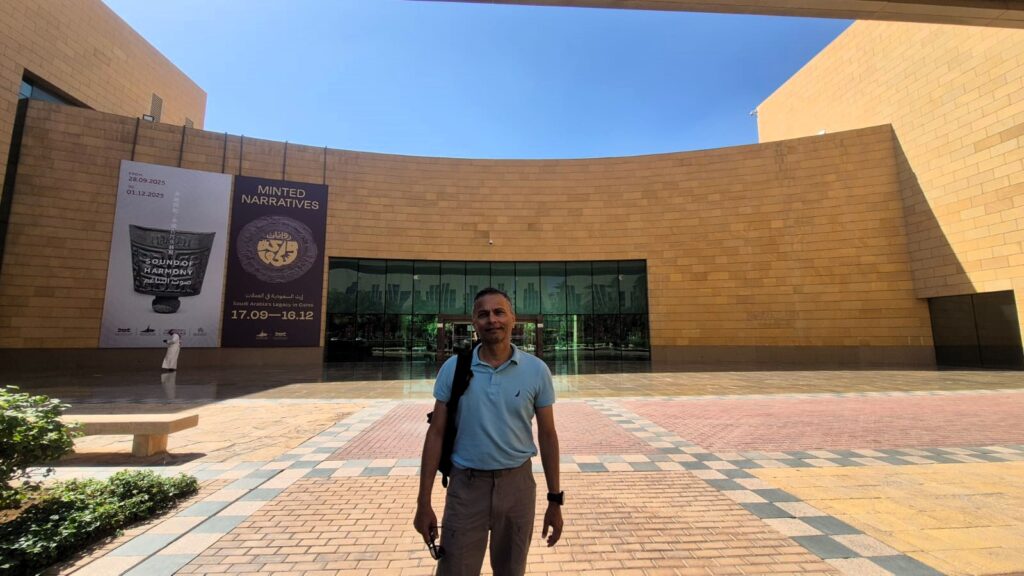
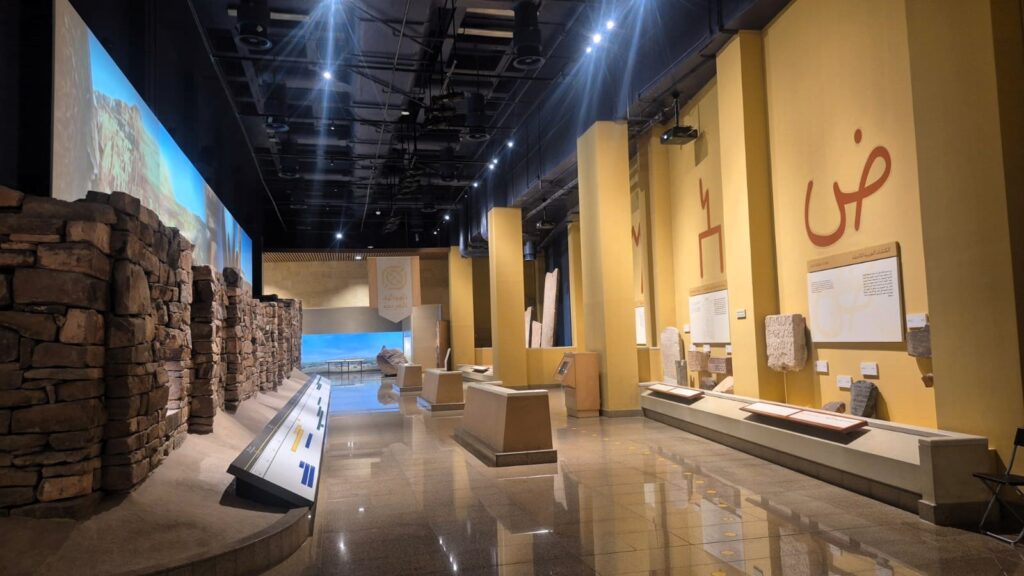
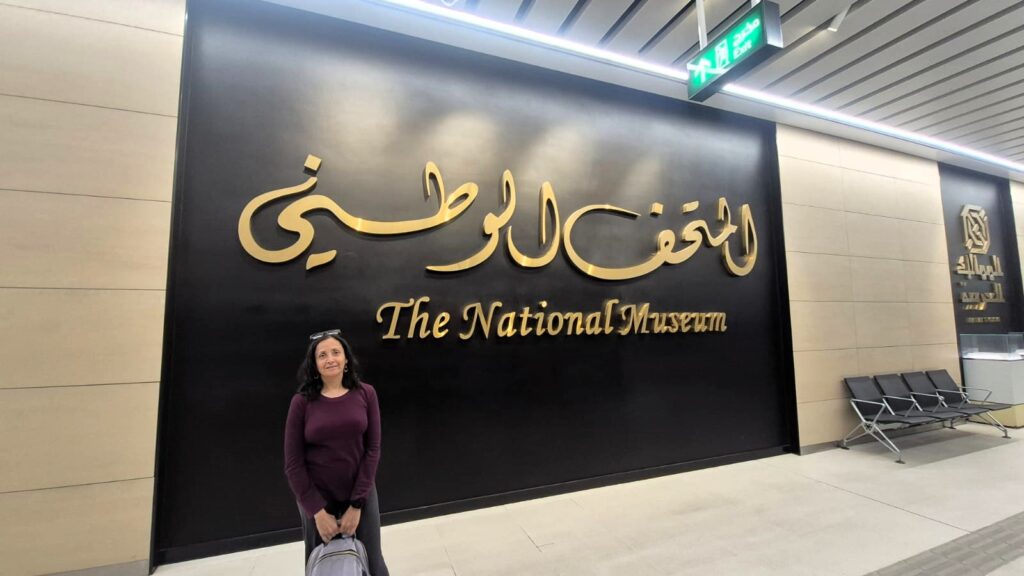
Next, we visited the National Museum of Saudi Arabia, established in 1999. The museum is well laid out and informative, covering the history, geography, and culture of the Arabian Peninsula.
One section focuses heavily on the Prophet’s life (perhaps more than necessary), but the remaining exhibits provide excellent insight into the formation of the kingdom and its place in the modern world.
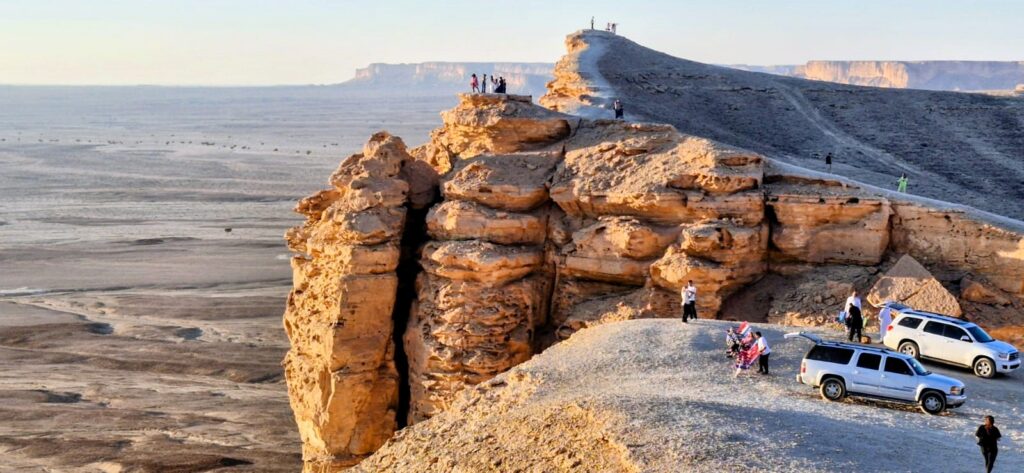
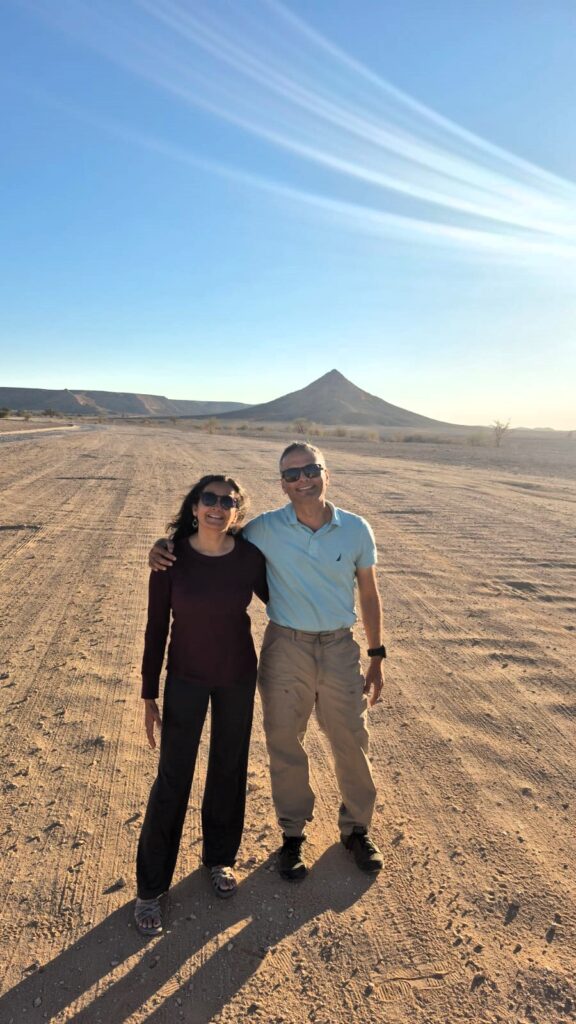
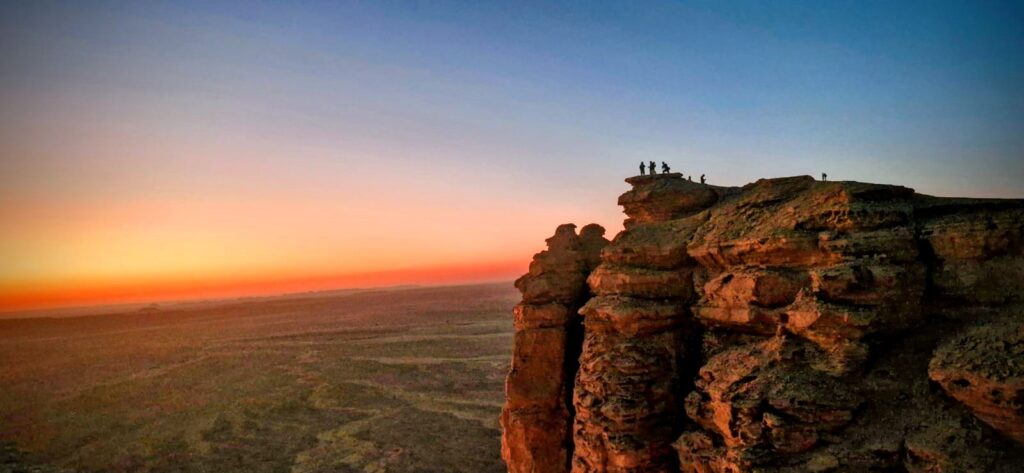
Our final outing of the day was a tour to the Edge of the World, a dramatic 3,500-foot-high cliff about 100 km from Riyadh, at the end of the 800 km-long Tuwaik Mountain Range.
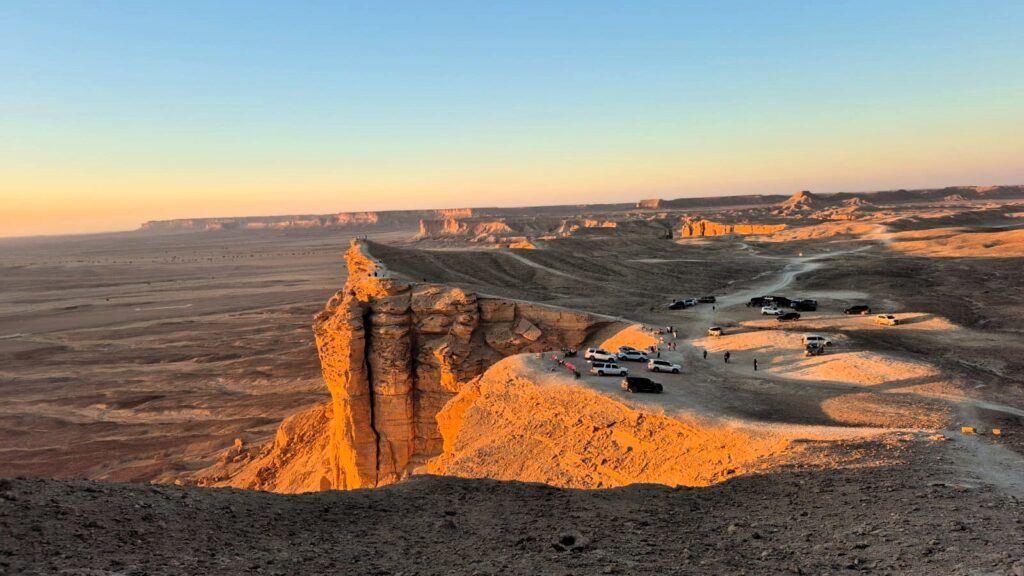
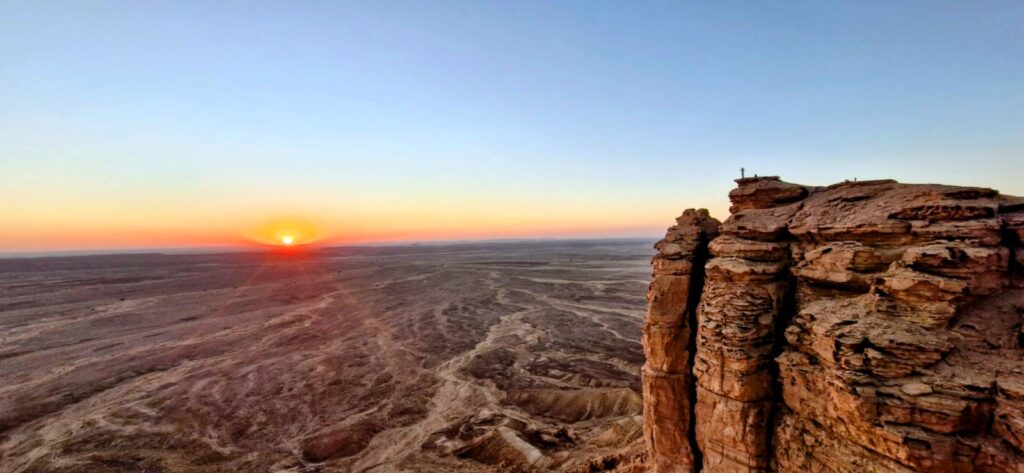
The site is popular for hiking and climbing, offering spectacular views that seem to stretch endlessly — hence the name.
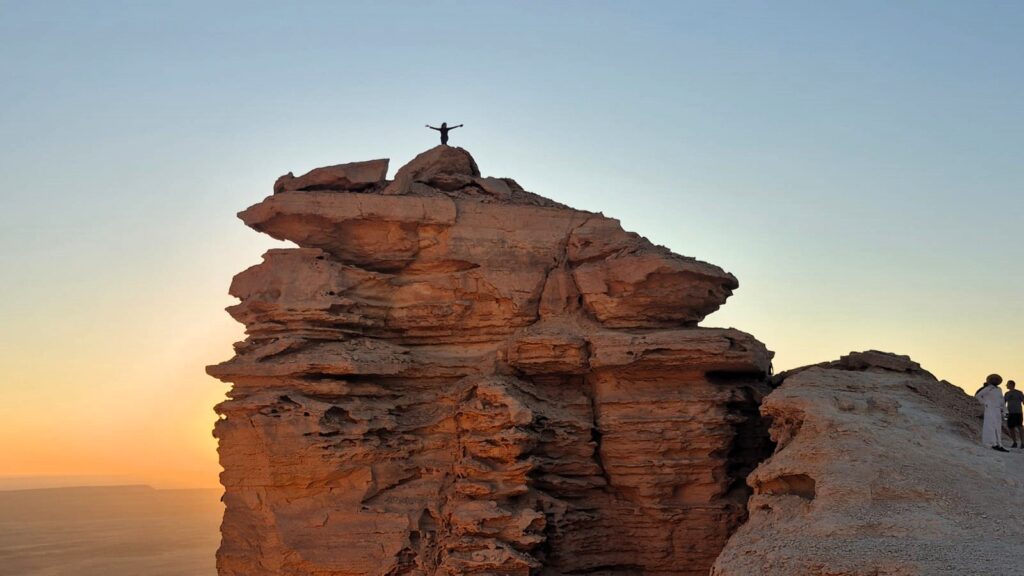
We started our tour around 2:15 pm, driving for about two hours, including a thrilling 45-minute off-road stretch.
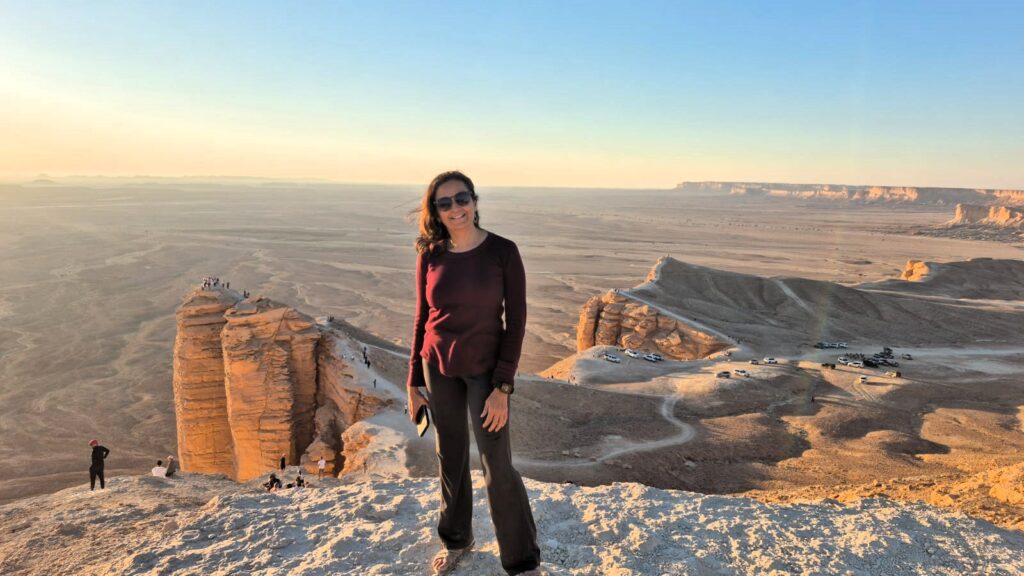
The sunset there was breathtaking.
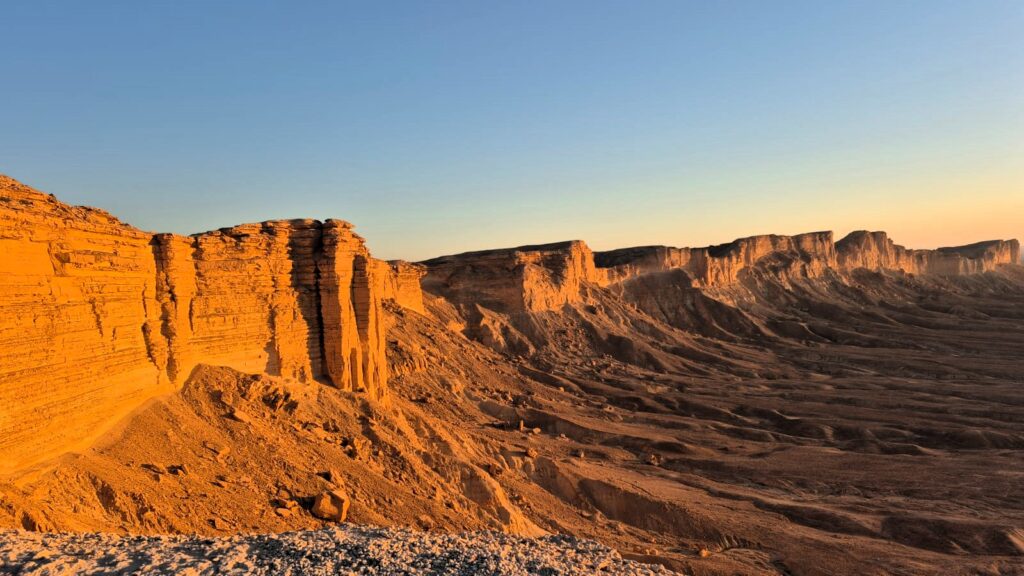
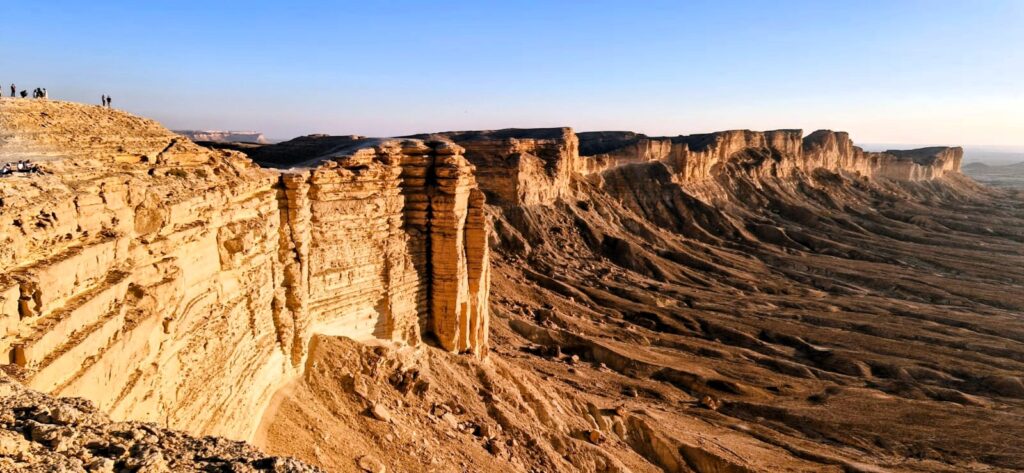
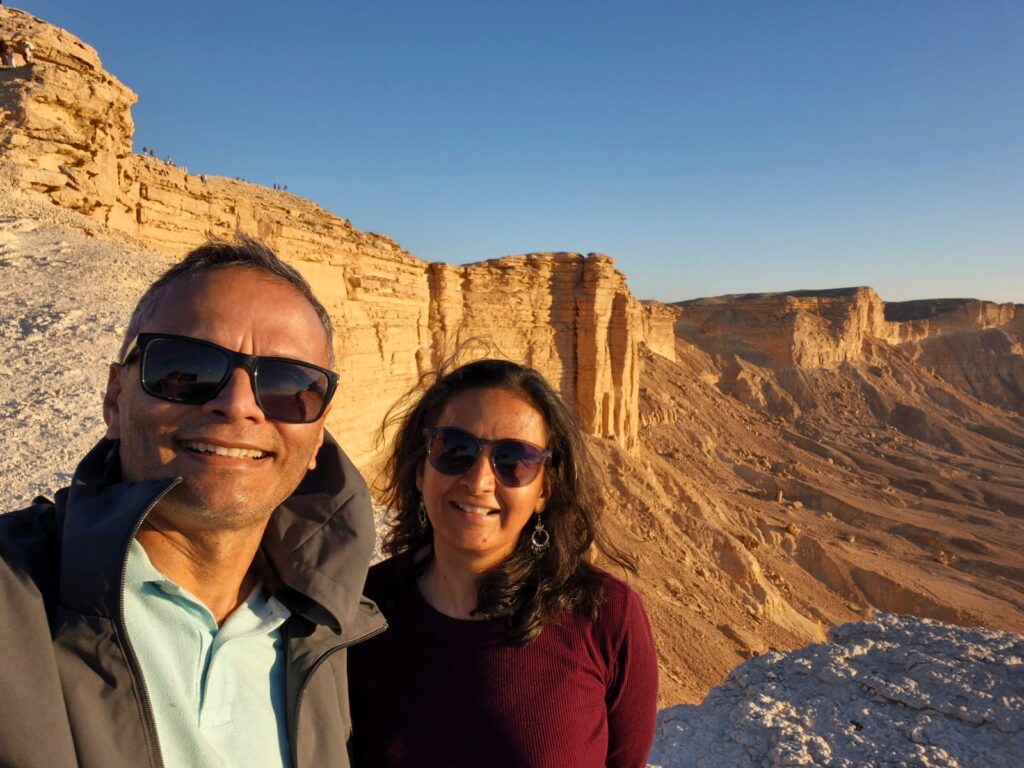
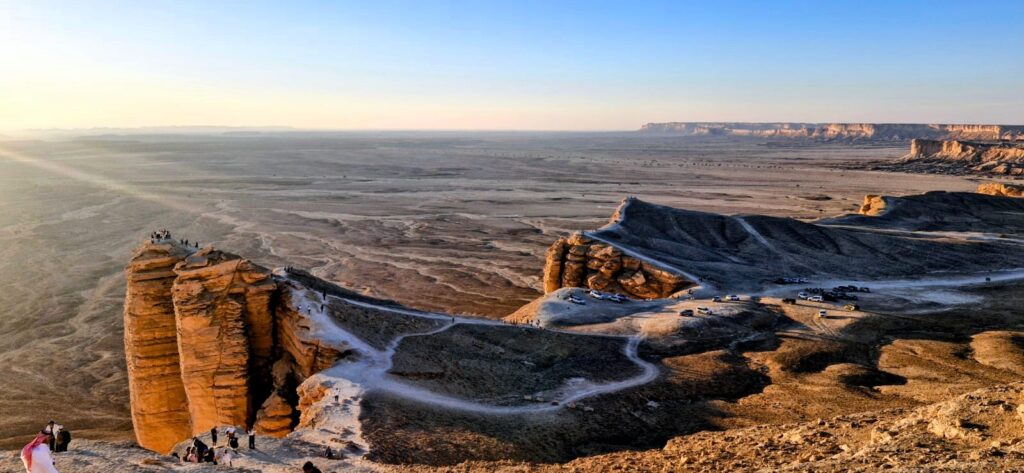
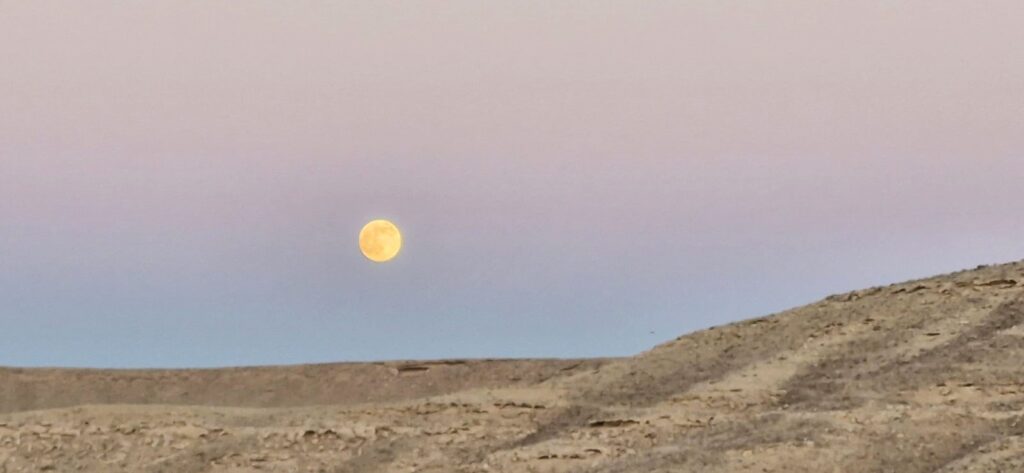
We even got to see the full moon (Poornima) rising at the same time — an unforgettable sight.
We began the return drive around 6:15 pm.
On the way back, we passed through the King Abdullah Financial District (KAFD), a modern development designed for the banking and finance industry.
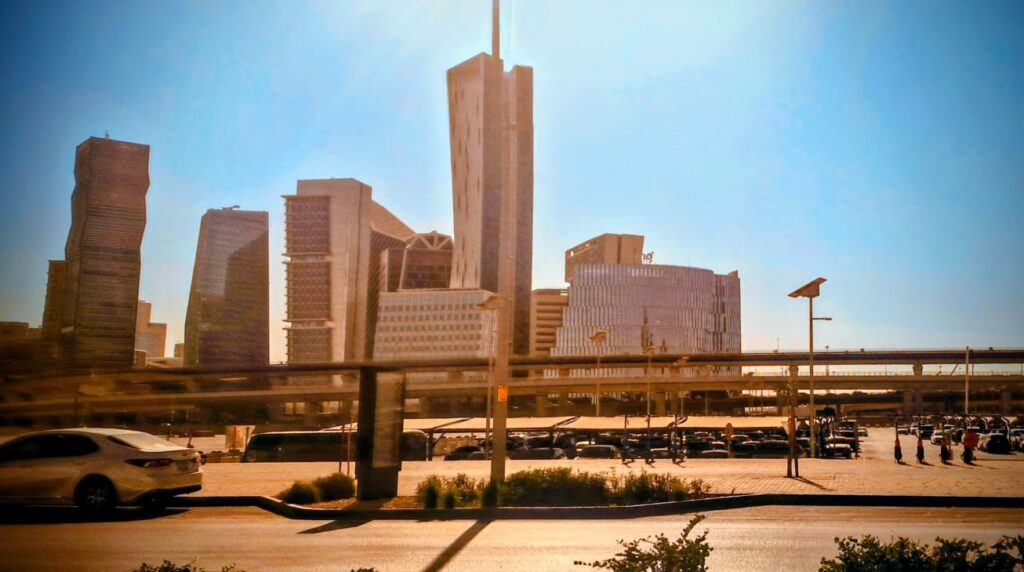
Its metro station has an impressive design as well. The contrast between the daytime and nighttime views of KAFD was striking — full of lights after dark.
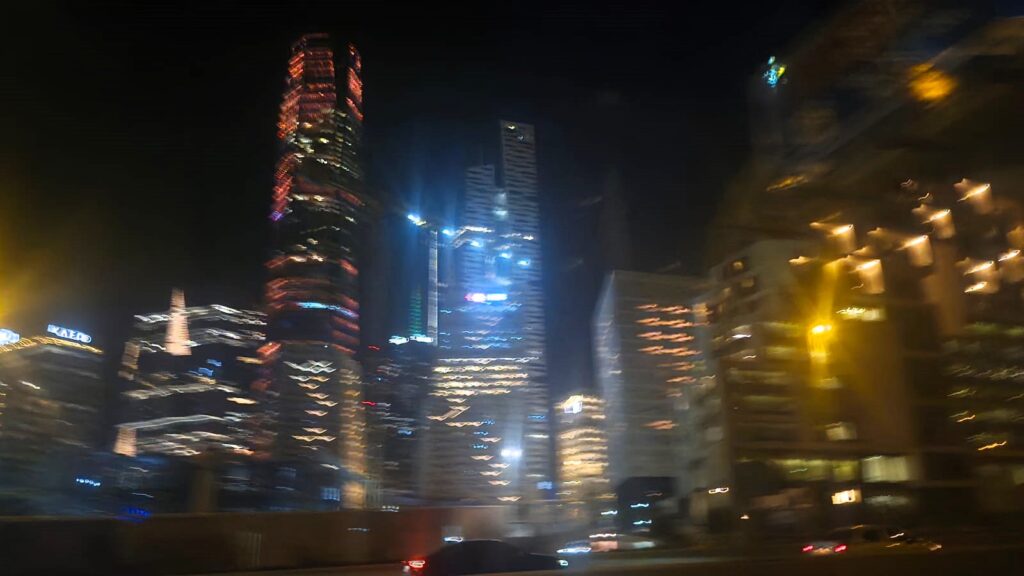
We returned to Riyadh around 8:45 pm and had dinner at Saravana Bhavan (nice dosa!), packed up for the next day, and went to bed around 11:00 pm.
Day 2: Thursday, November 6 – Madinah and Train to Jeddah
We took the 6:50 am flight from Riyadh to Madinah (Medina), the second holiest city in Islam.
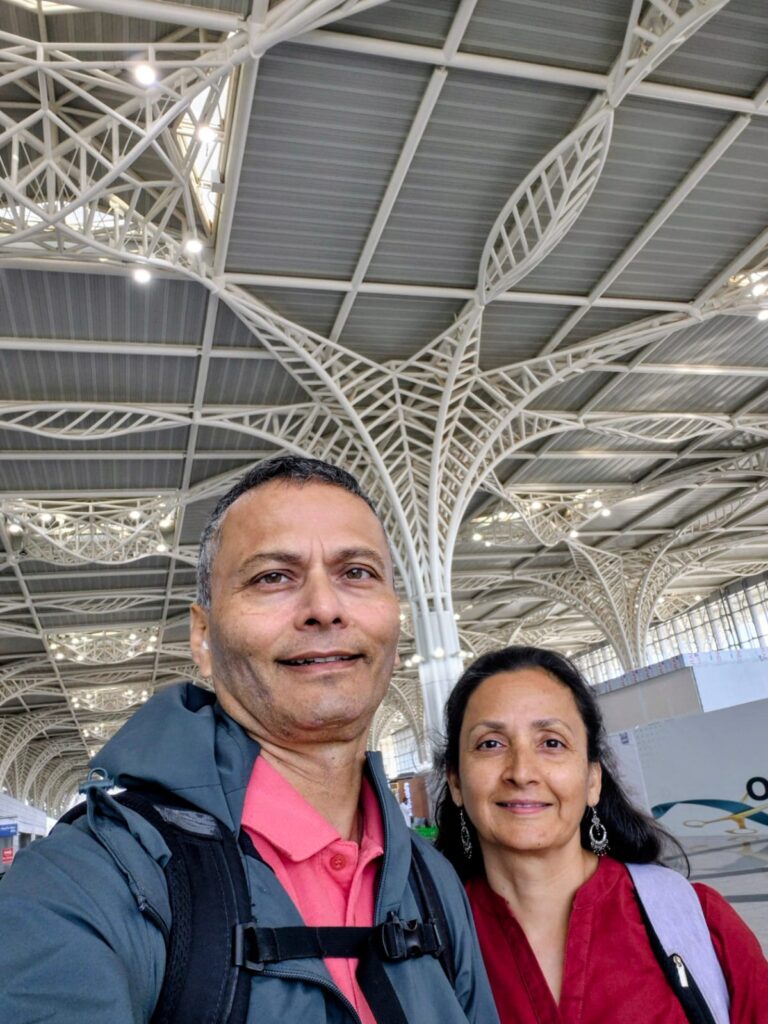
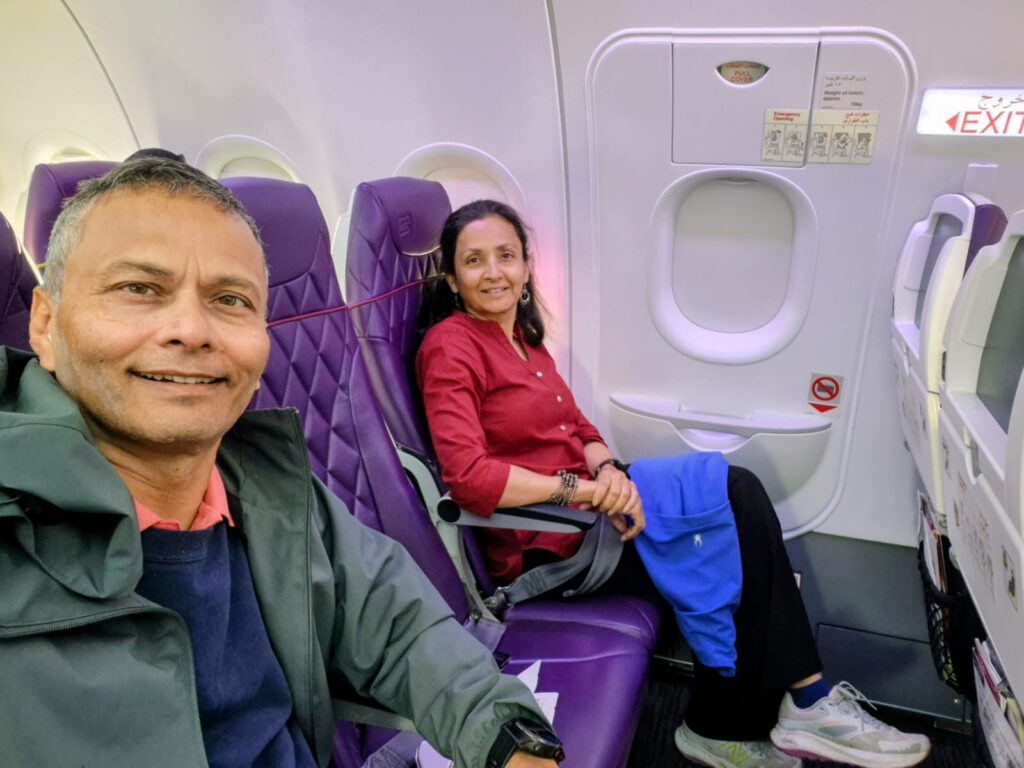
Madinah means “Prophet’s City,” as it is the place where Prophet Mohammed passed away in 632 AD. The Prophet’s Mosque here is also his tomb. We took some photos as we drove toward the city center.
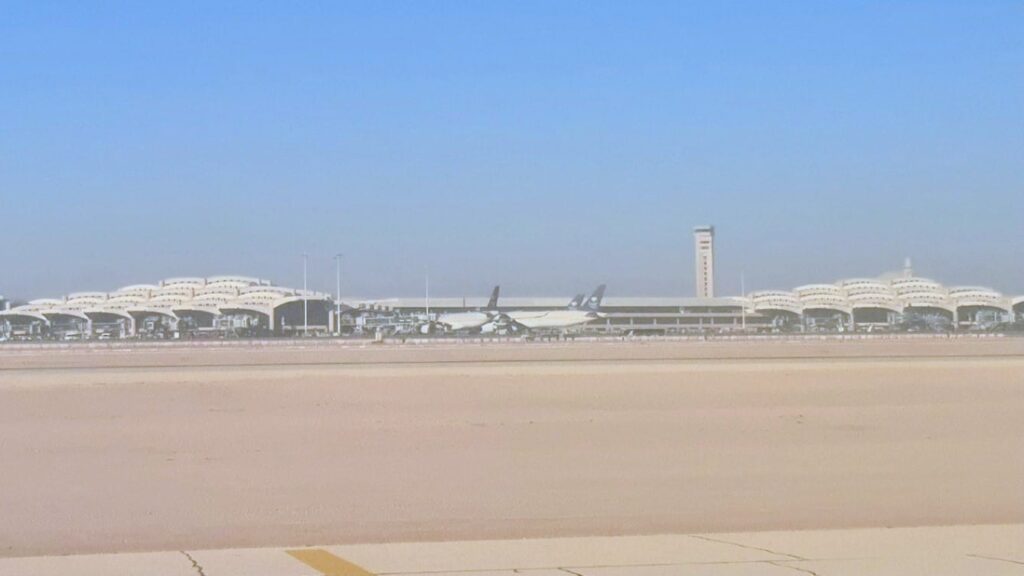
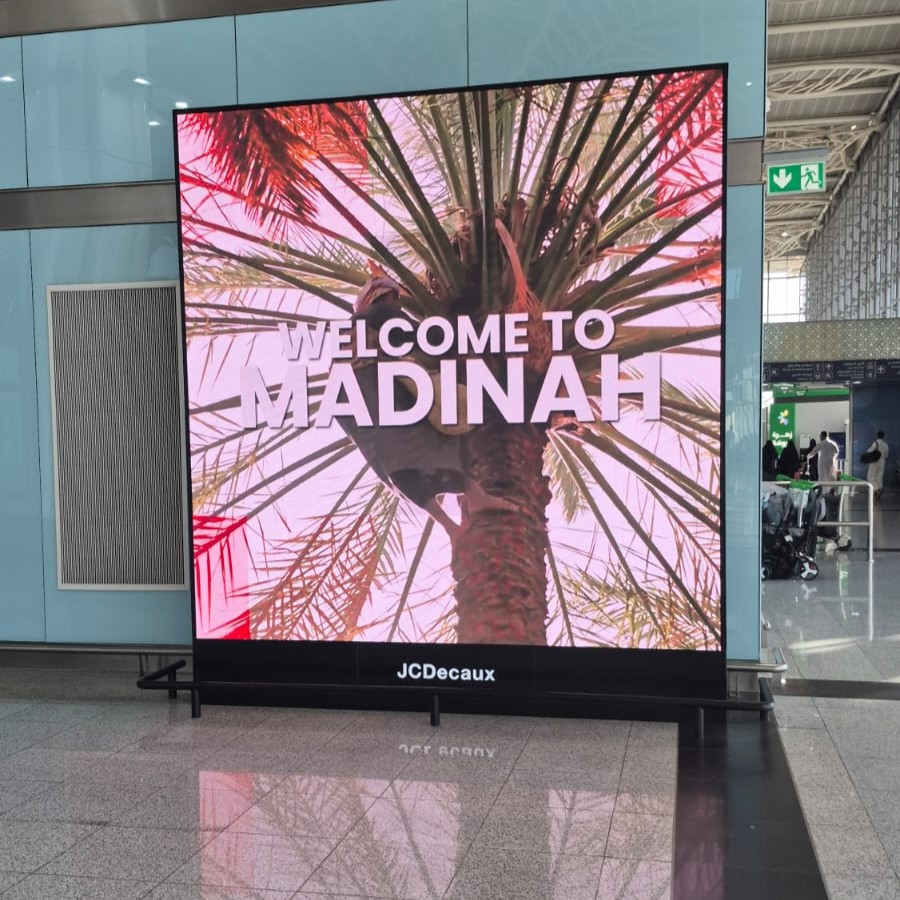
We had booked a Ziarah guided tour to see the key sites of Madinah. Ziarah is an Arabic term meaning “visit” or “pilgrimage” to a holy site, especially mosques, shrines, and other places of spiritual importance in Islam.
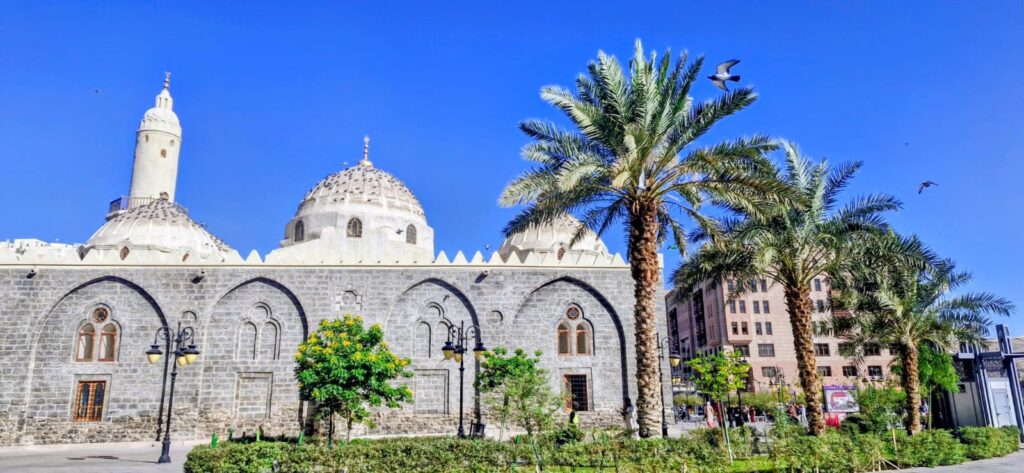
Since non-Muslims are not permitted to enter Mecca, we chose to visit Madinah instead. We were also aware that non-Muslims cannot enter mosques, so we would only be able to view them from outside.
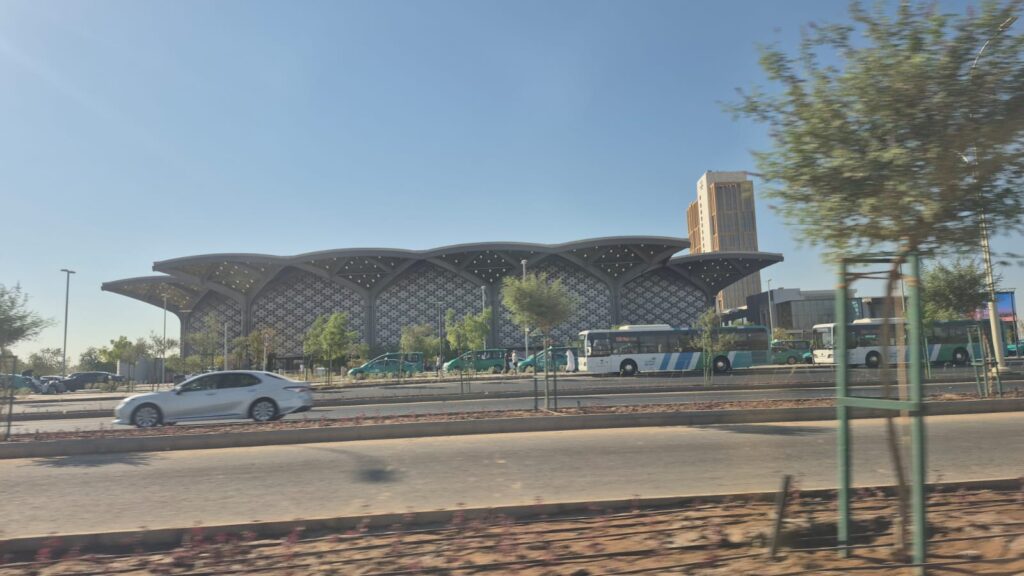
For Anu and me, this was a cultural rather than a religious visit — our goal was simply to understand how Muslims express their faith.
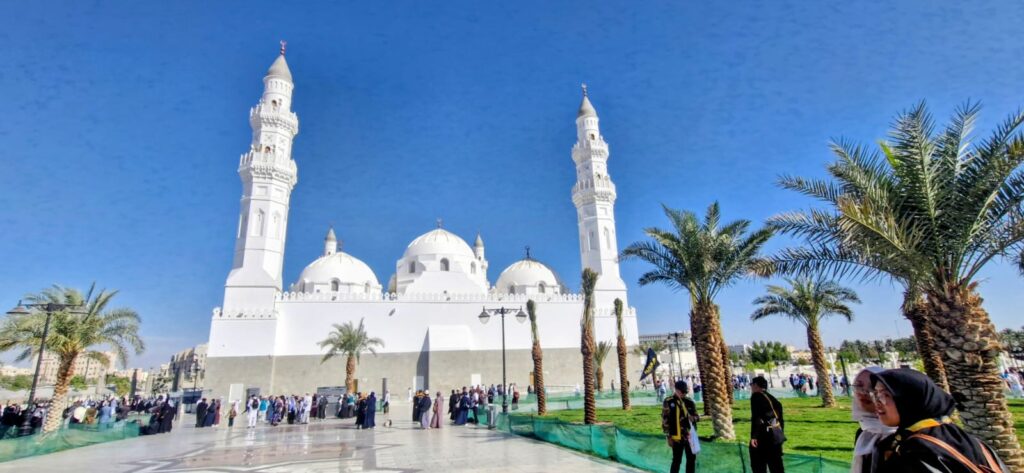
Our first stop was the Quba Mosque, believed to be the first mosque in the world.
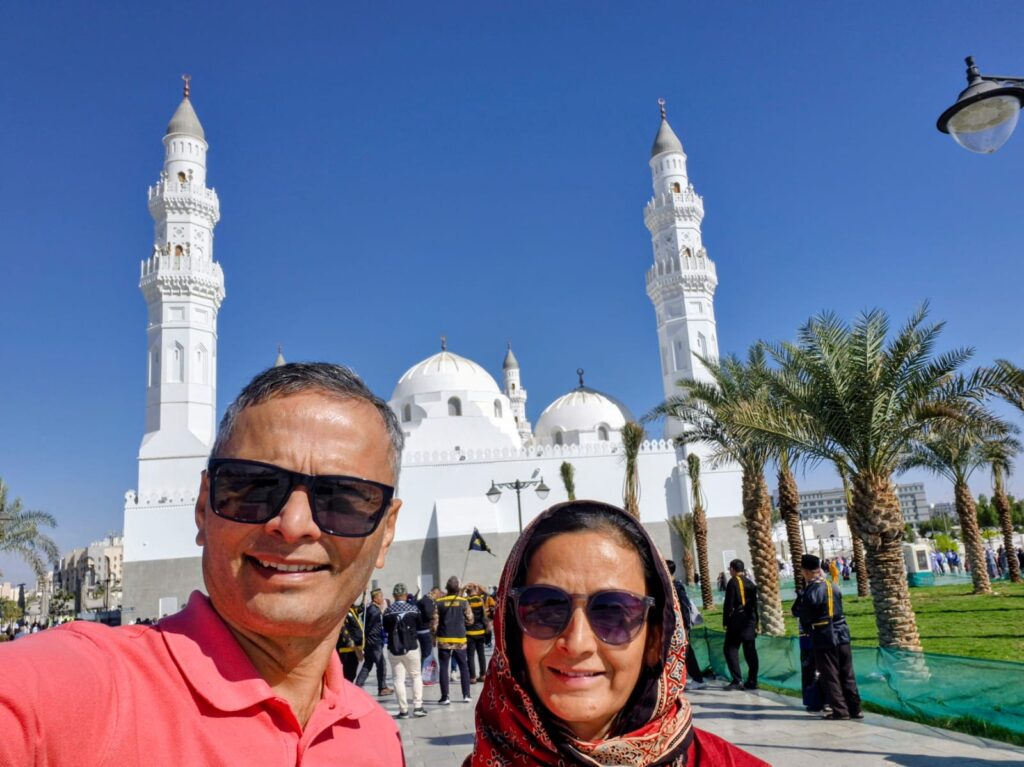
It was established on the first day of Prophet Mohammed’s migration (Hijrah) to Medina. It is said that the Prophet himself laid its first stone, and his companions completed the structure.
An interesting observation: Every time Muslims mention the Prophet, whether in speech or writing, they say or write “Peace be upon him” (PBUH). This is the English translation of the Arabic phrase “alayhi as-salām.” Even if they mention the Prophet ten times in a paragraph, they include it every single time!
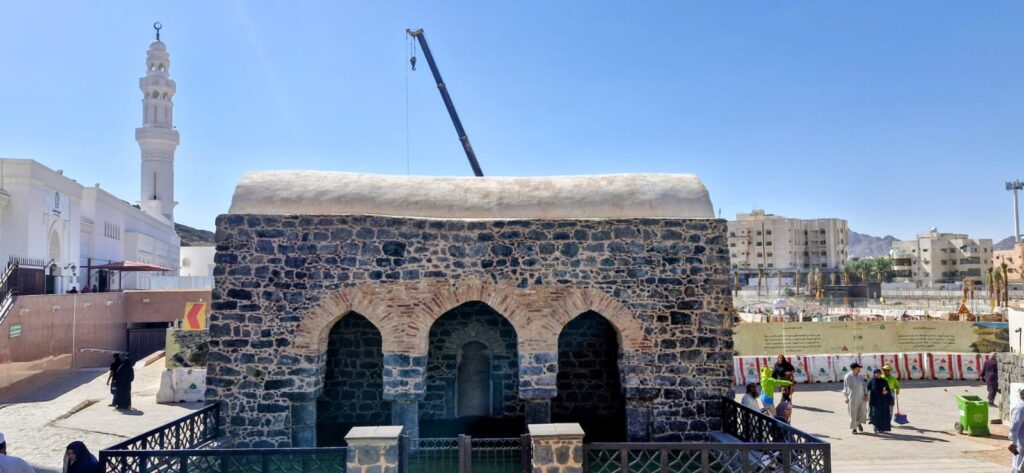
The second location was the Seven Mosques area. It is a complex of six small historic mosques.
Despite only consisting of six mosques, the complex is called seven because some think it originally consisted of seven mosques.
The mosques here are linked to the Battle of the Trench (Ghazwat al-Khandaq), also known as the Battle of the Confederates (Ghazwat al-Ahzab). Muslims defending Medina were in these mosques and each mosque is named after the person who was stationed there.
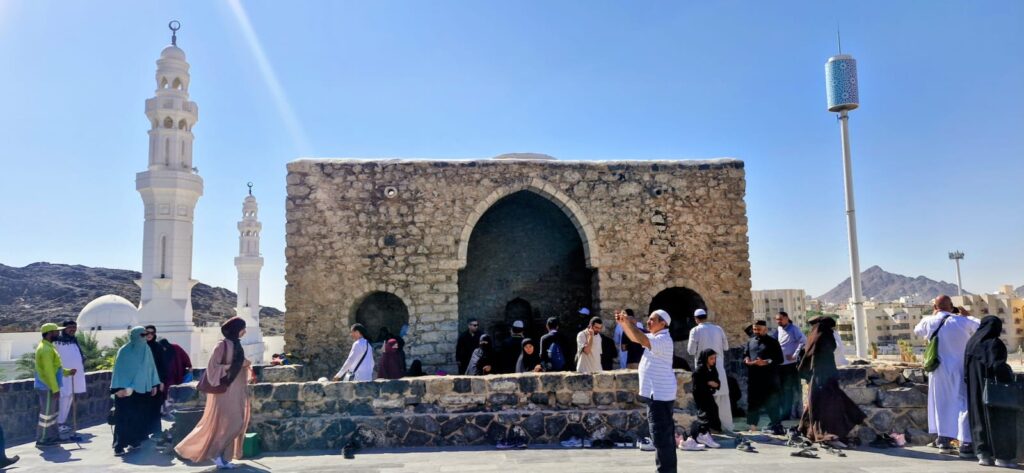
The largest is the Al Fatah mosque, celebrating Muslim victory. Next to it is the Salman Al Farsi mosque. Other mosques are named after the companions of Prophet Mohammed.
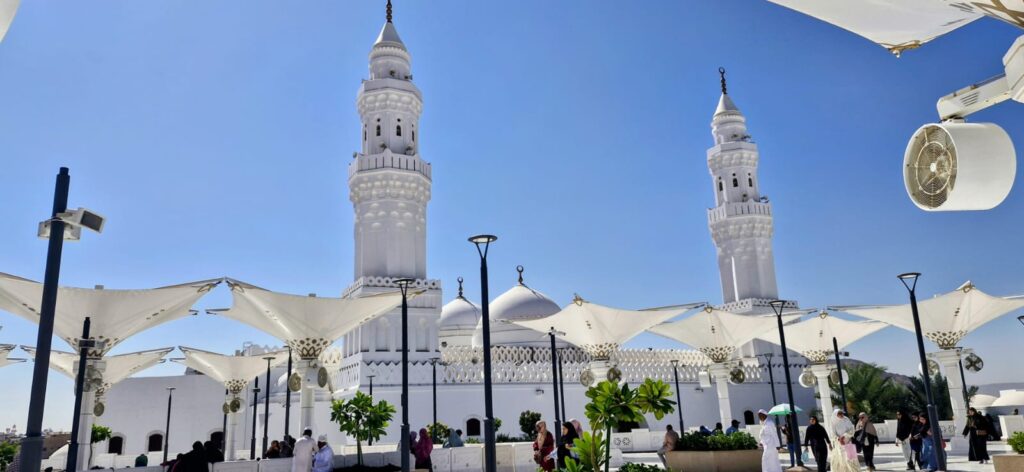
Next, we visited Masjid Al Qiblatayn, a mosque dating back to 623 AD. It is believed to be the site where Prophet Mohammed received the divine command to change the Qibla — the direction of prayer — from Jerusalem to Mecca.
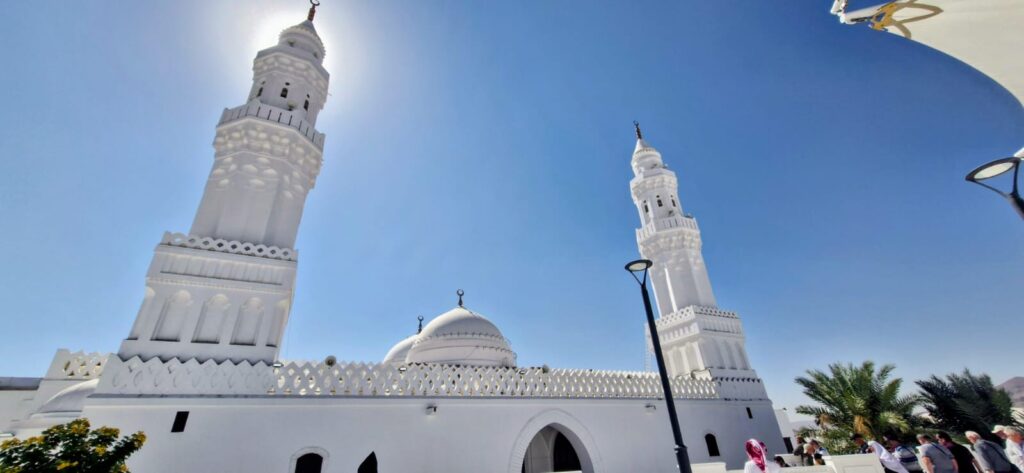
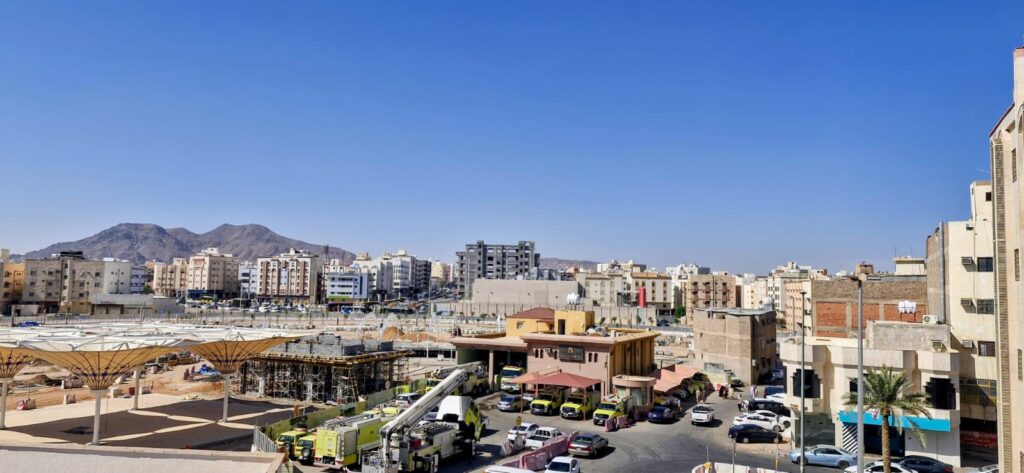
Until then, Muslims used to pray facing Jerusalem. The mosque is unique because it once had two mihrabs (niches indicating the Qibla) facing different directions. From the mosque, we could see wide views of the city of Madinah.
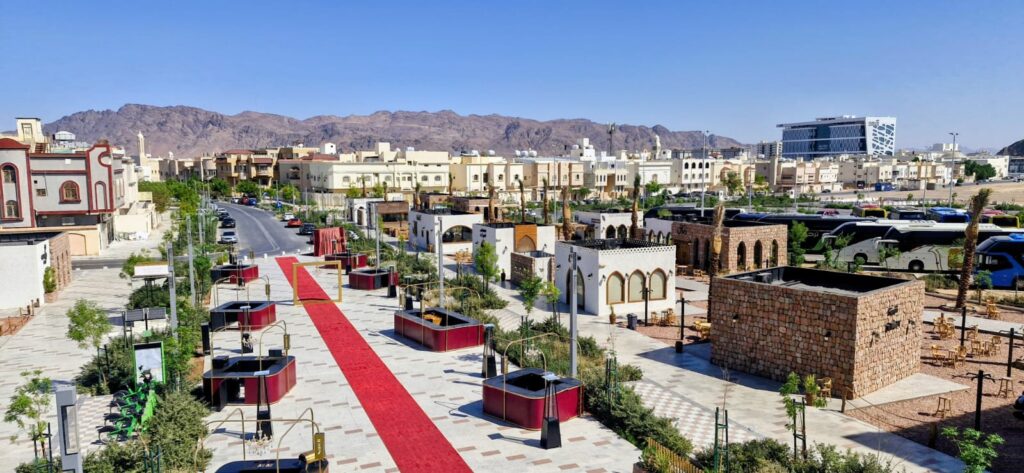
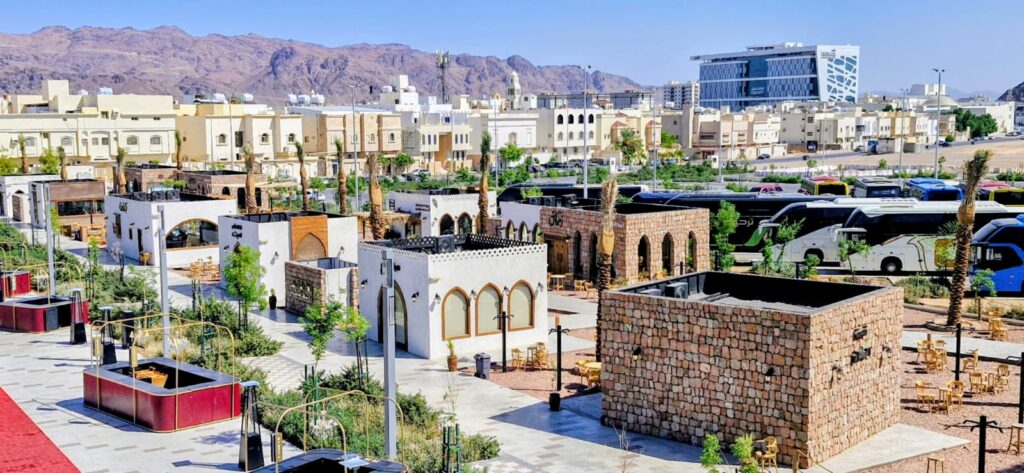
Our next stop was Mount Uhud, the site of the second major battle in early Islamic history — the Battle of Uhud — fought on March 19, 625 AD, between the Muslims of Medina and the polytheists of Mecca.
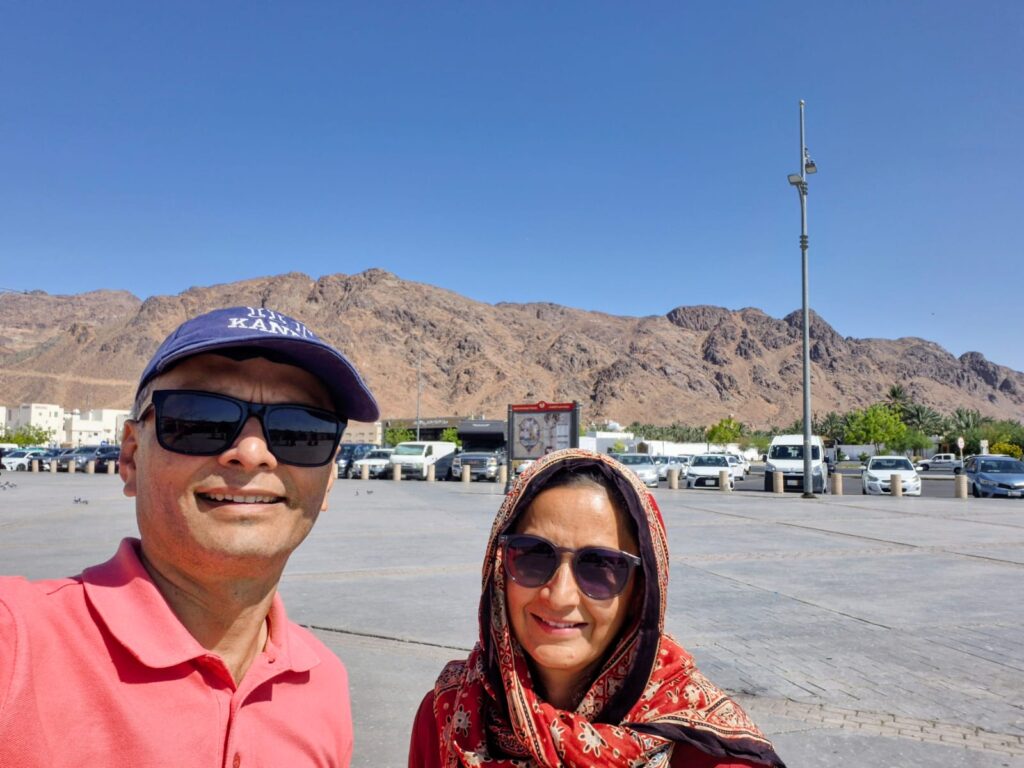
A mosque now stands near the battlefield, and the mountain itself remains an important pilgrimage spot for Muslims.
The scenery around the area was strikingly stark, surrounded by red-brown hills and open desert.
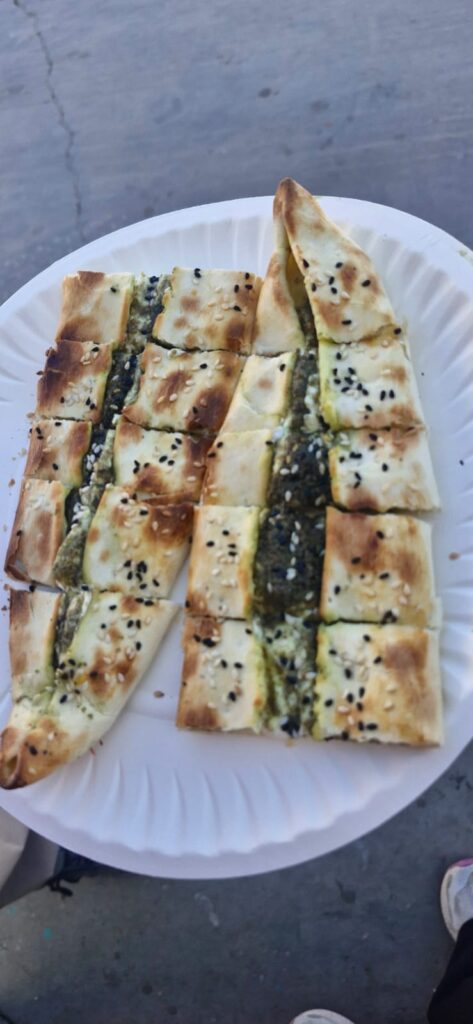
For lunch, we had Fatayer with Labneh and Zatar — a delicious, freshly baked bread similar to Turkish pide, filled with tangy yogurt and herbs.
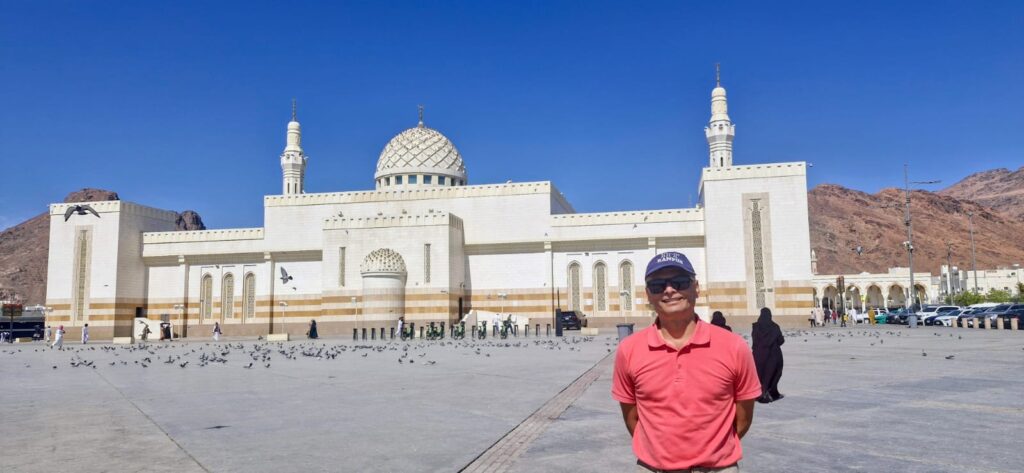
Our final stop in Madinah was the Prophet’s Mosque, where Prophet Mohammed is buried.
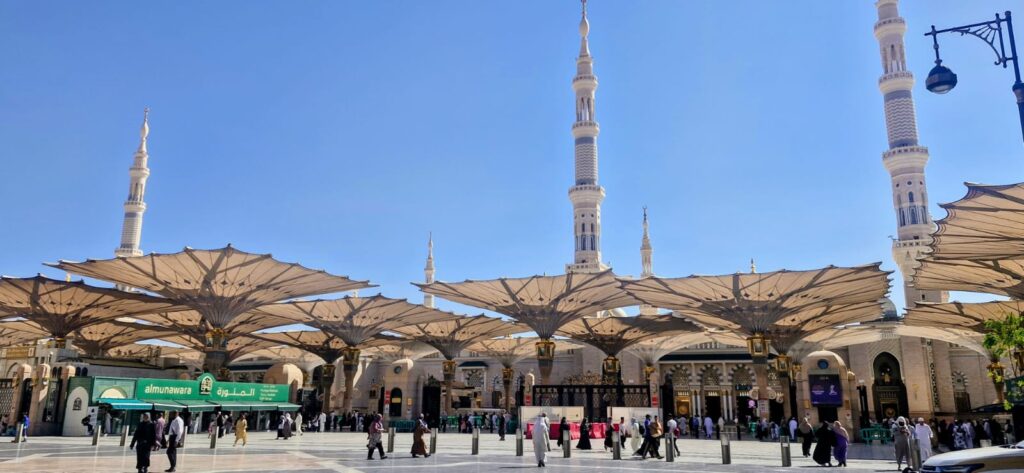
Although we could not enter, standing outside the enormous complex was an experience in itself — the architecture is grand and serene, and the energy of the pilgrims is palpable.
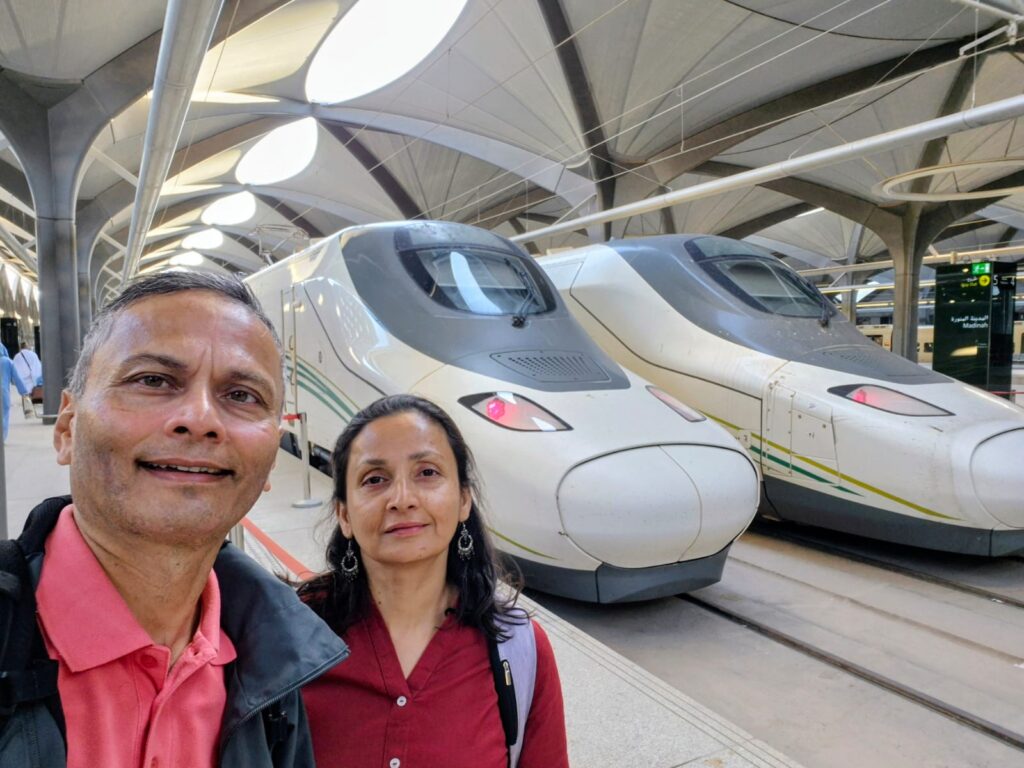
In the evening, we boarded the Haramain High-Speed Train from Madinah to Jeddah.
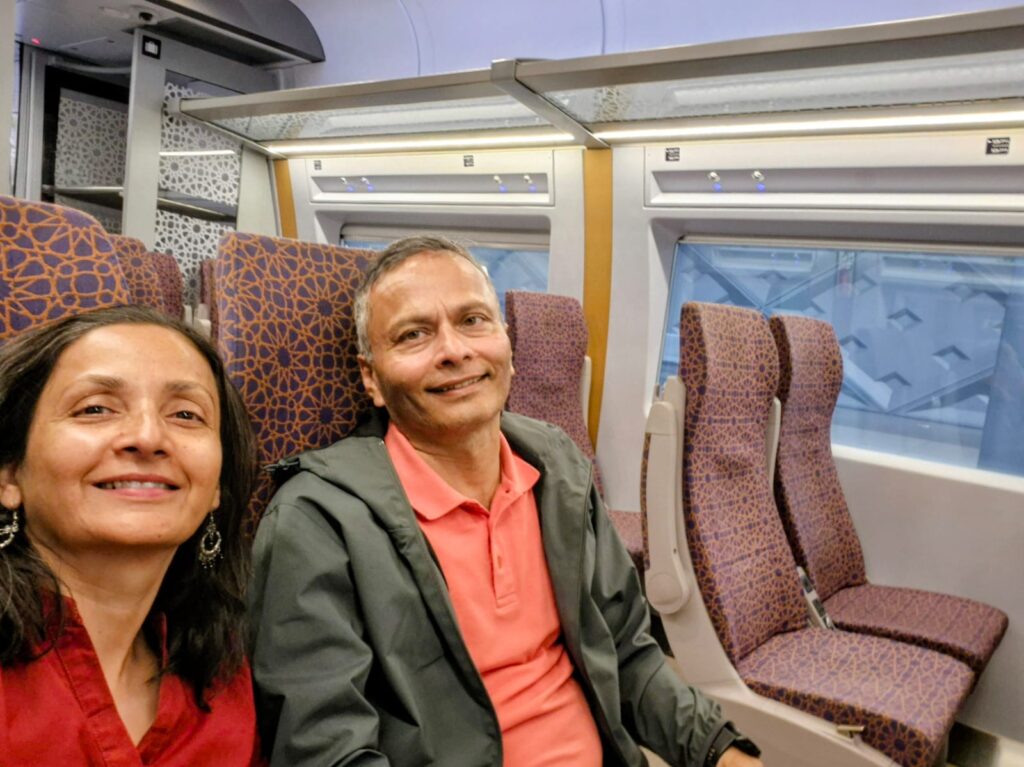
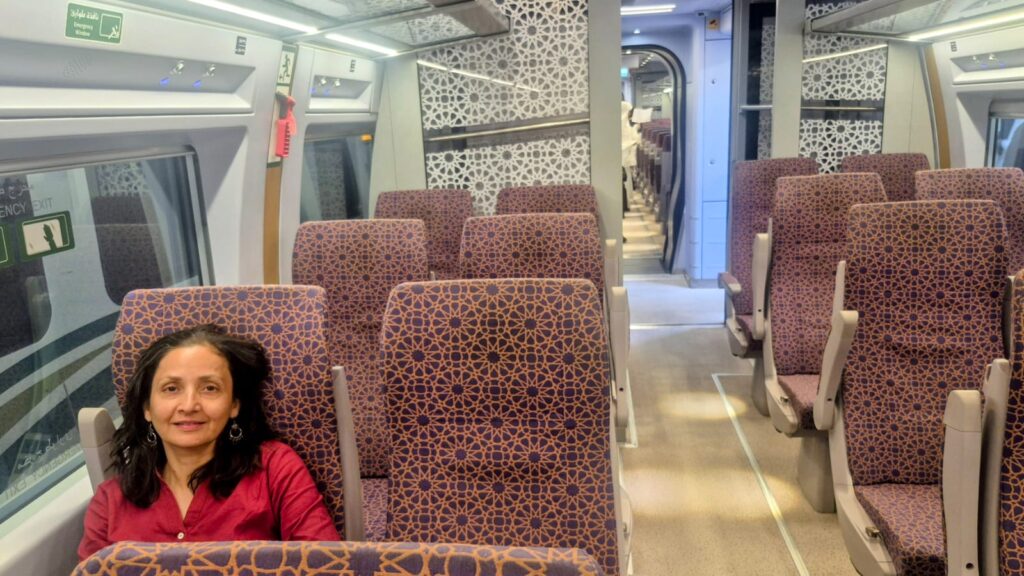
The train was modern, fast, and very comfortable — it covered the 408 km journey in just 1 hour and 40 minutes.
Overall, we noticed how much Saudi Arabia has modernized under the leadership of Crown Prince Mohammed bin Salman (MBS). Women now have the choice to not cover their heads, are allowed to drive, and the country has adopted many modern norms.
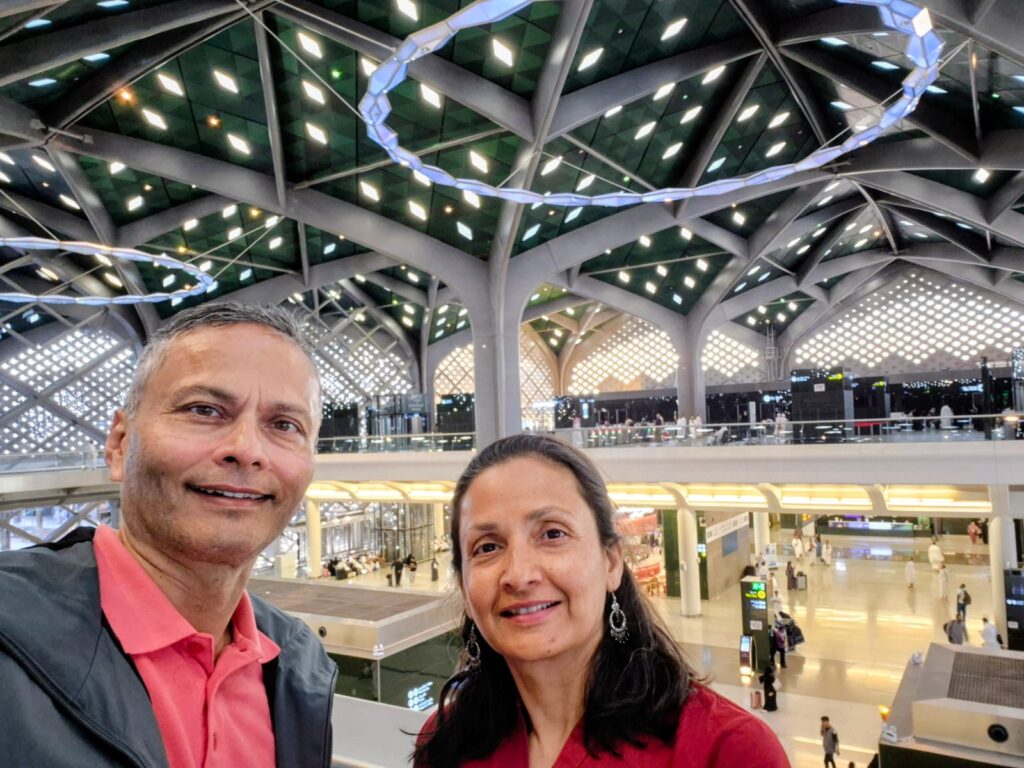
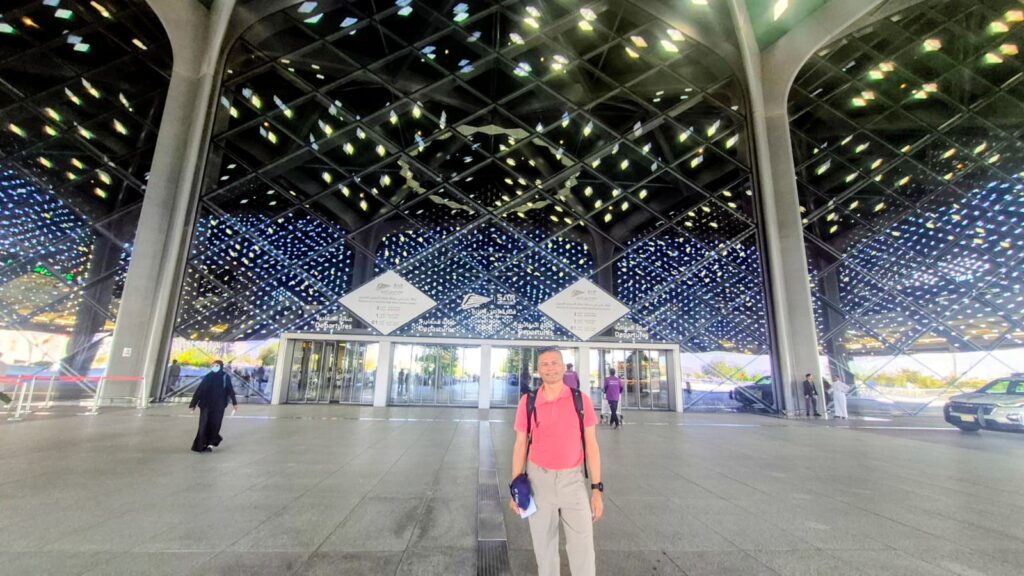
We arrived at Jeddah station around 6:30 pm. Jeddah, a port city on the Red Sea, lies 955 km southwest of Riyadh and feels surprisingly modern — in some ways, it reminded us of Mumbai.
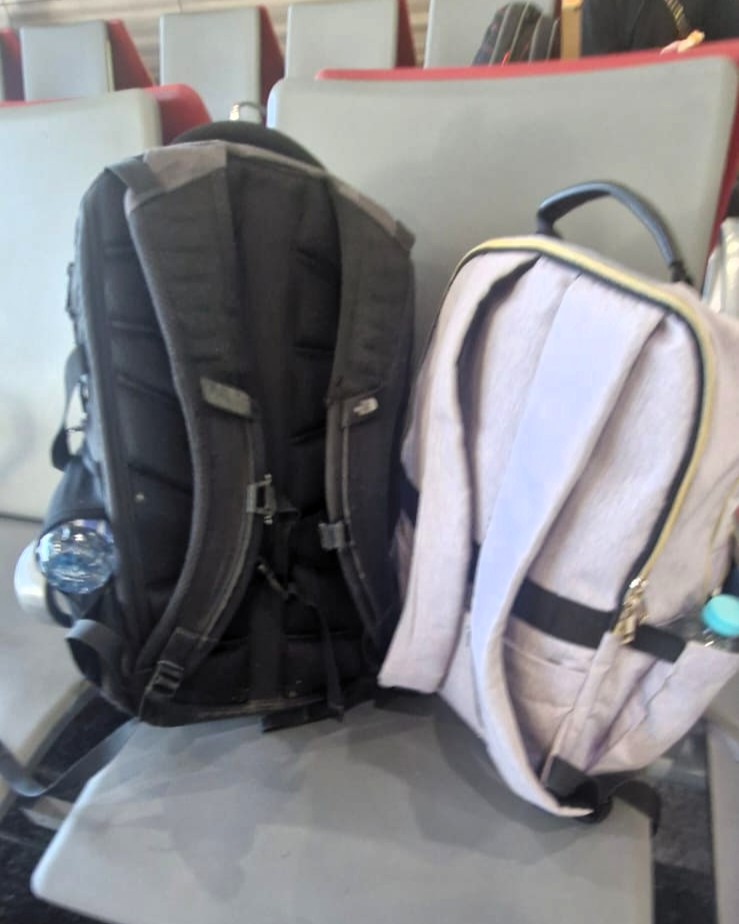
We had travelled from Riyadh to Madinah and Jeddah with just one backpack each, our ideal way is to travel light.
In the evening, we visited the Al Tayebat Museum, a four-story private museum offering a deep insight into the history of Jeddah, Saudi Arabia, and the Arabian Peninsula.
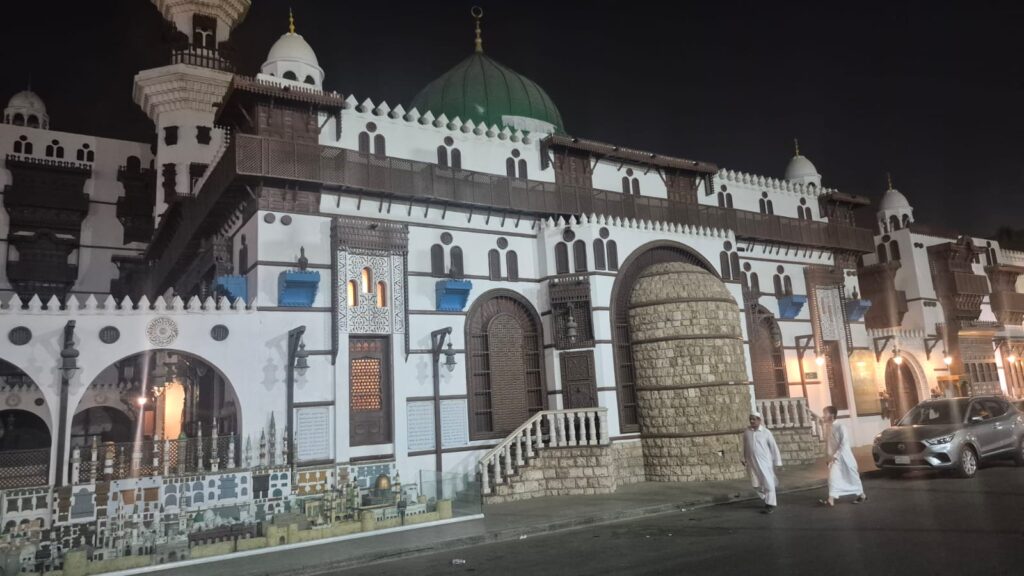
One entire floor is dedicated to Islamic heritage. The museum is highly reviewed, and while it’s not a large national museum — more of a private, traditional building — it’s still worth a quick visit.
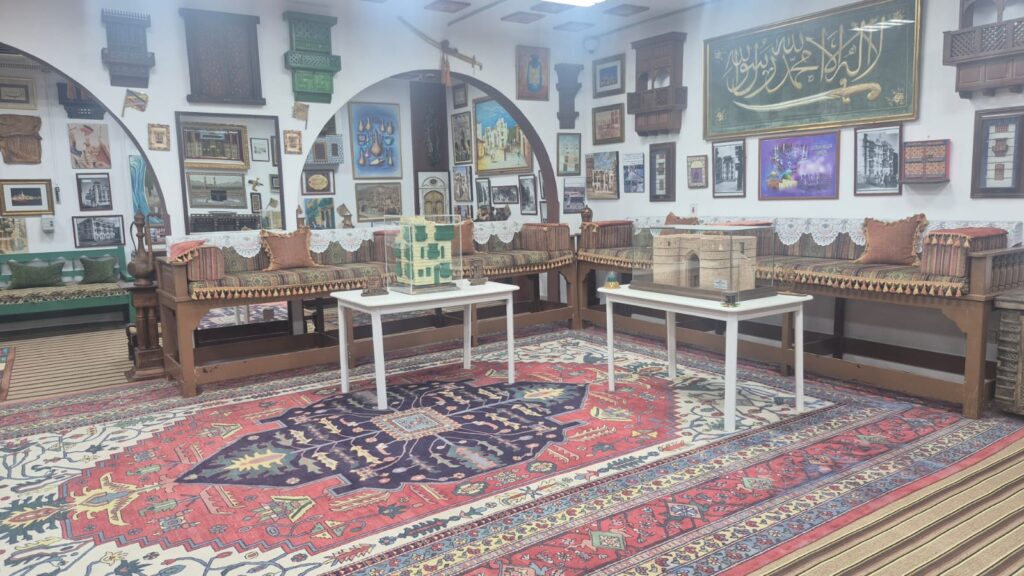
You can see everything comfortably in about an hour, despite some online reviews suggesting two to three hours.
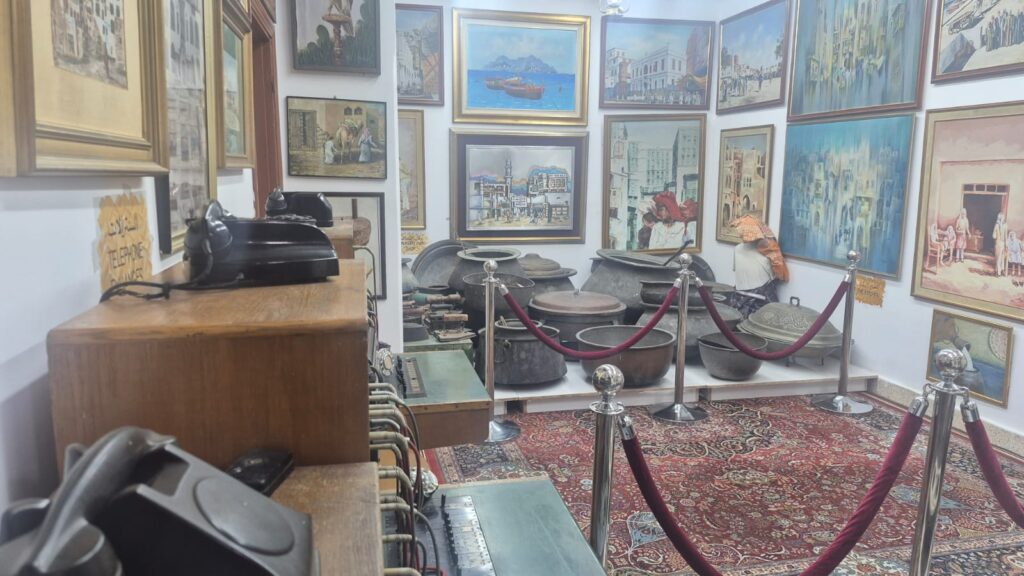
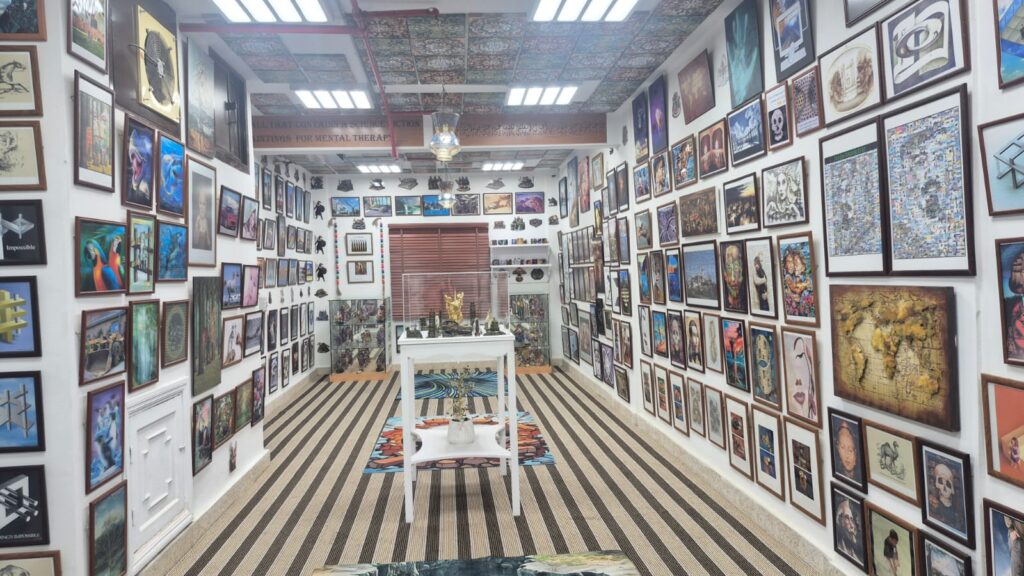
We checked into the Al Andalus Mall Hotel, a Hilton property, and turned in early for the night. Slept by 9:30 pm after a long, interesting day.
Day 3: Friday, November 7 – Jeddah
The Middle East operates on a completely different daily rhythm. Malls, shops and most activities begin late in the afternoon, around 4 pm and continue past midnight.
Mornings and early afternoons are almost silent — hardly anyone is out.
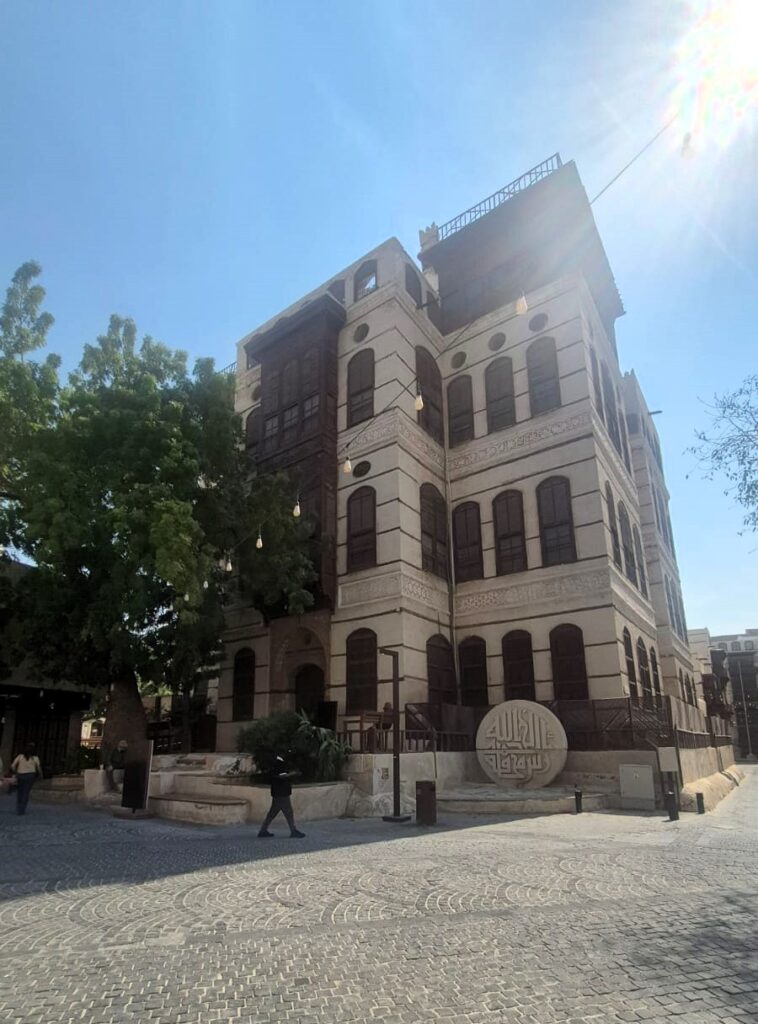
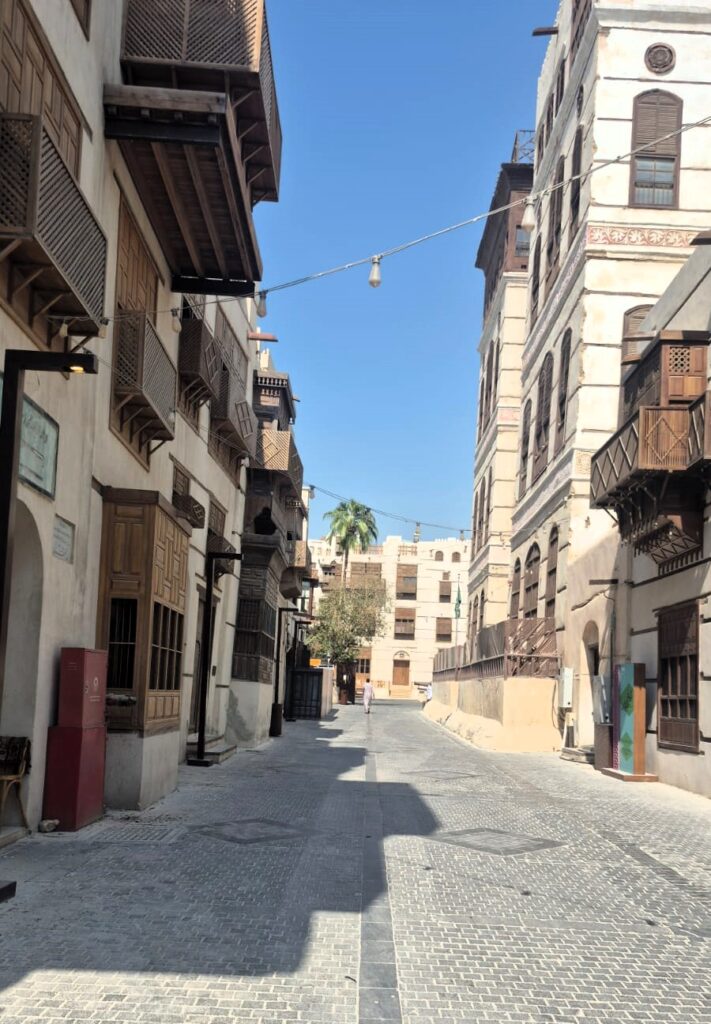
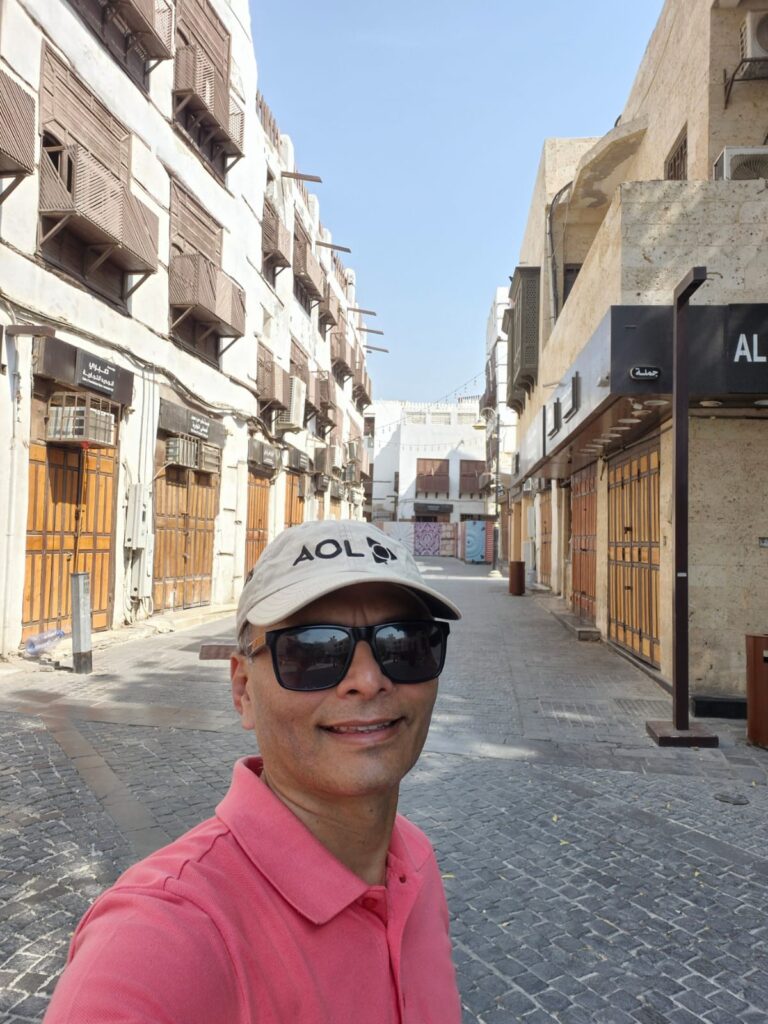
Around 12 noon, I visited Bayt Nassif House in the Al Balad area of Jeddah. This historic house is where King Abdul Aziz, the founder of modern Saudi Arabia, stayed whenever he visited Jeddah.
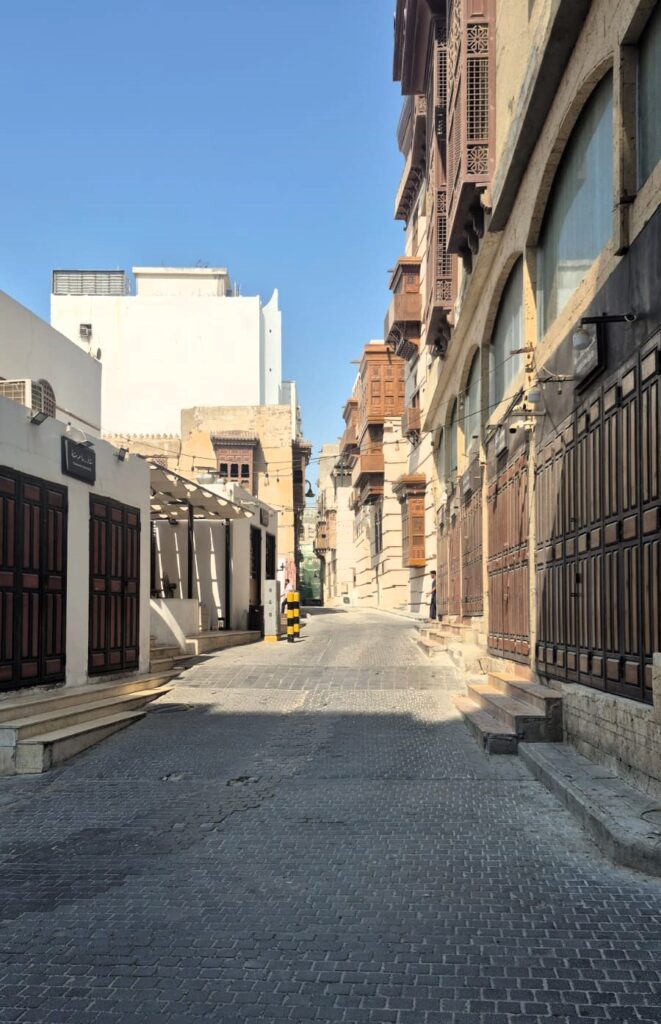
Al Balad itself is the old quarter of the city — a maze of heritage buildings and old markets.
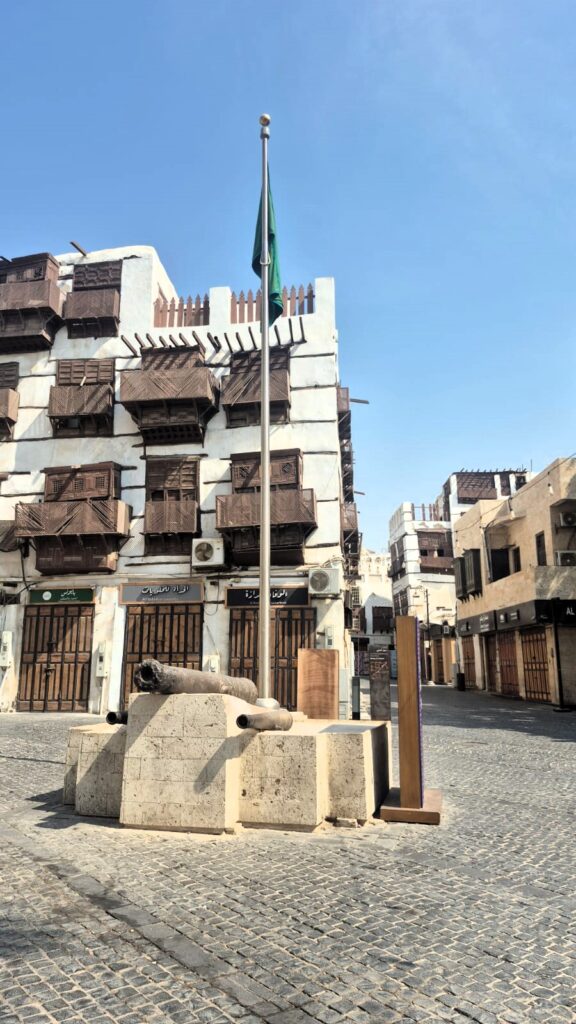
Since it was Friday namaz time, everything was closed.
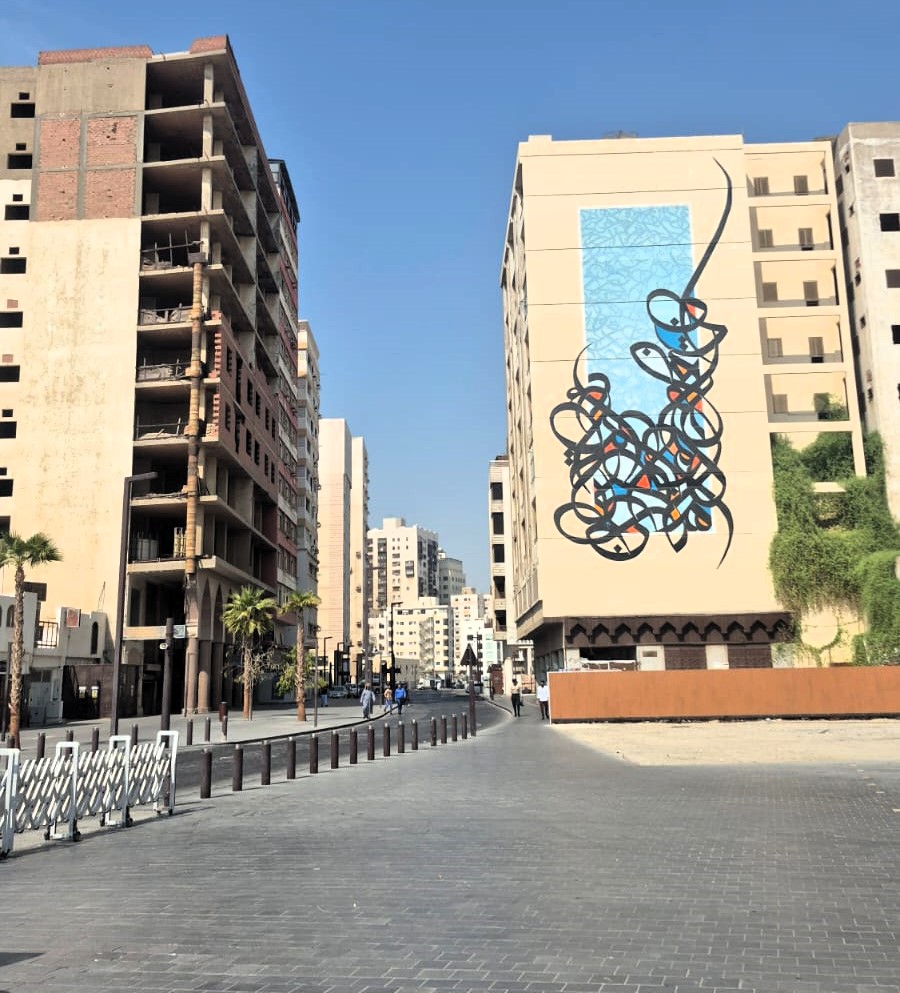
All shops were shut and there were barely any people on the streets. The Bayt Nassif museum was also closed. Still, I got a chance to see Al Balad during the day, which is rare because most people visit only in the evenings.
It was a leisurely day for both Anu and me. We had a sumptuous breakfast at the hotel, and in the afternoon we went to Al Andalus Mall, which is right next to our hotel.
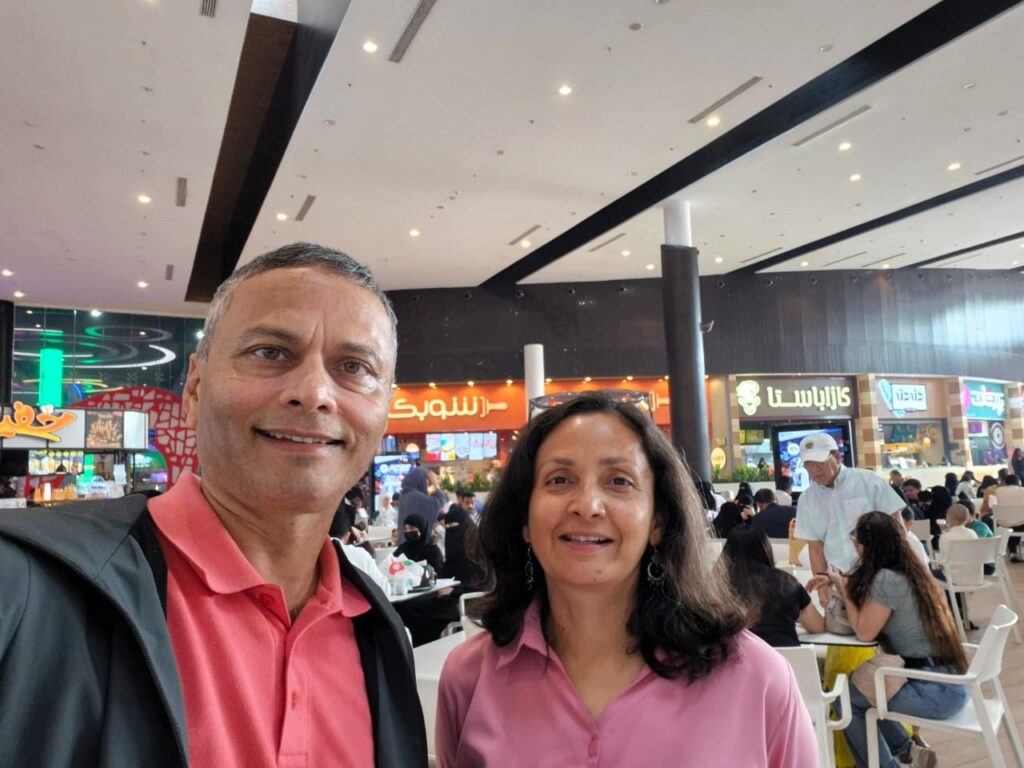
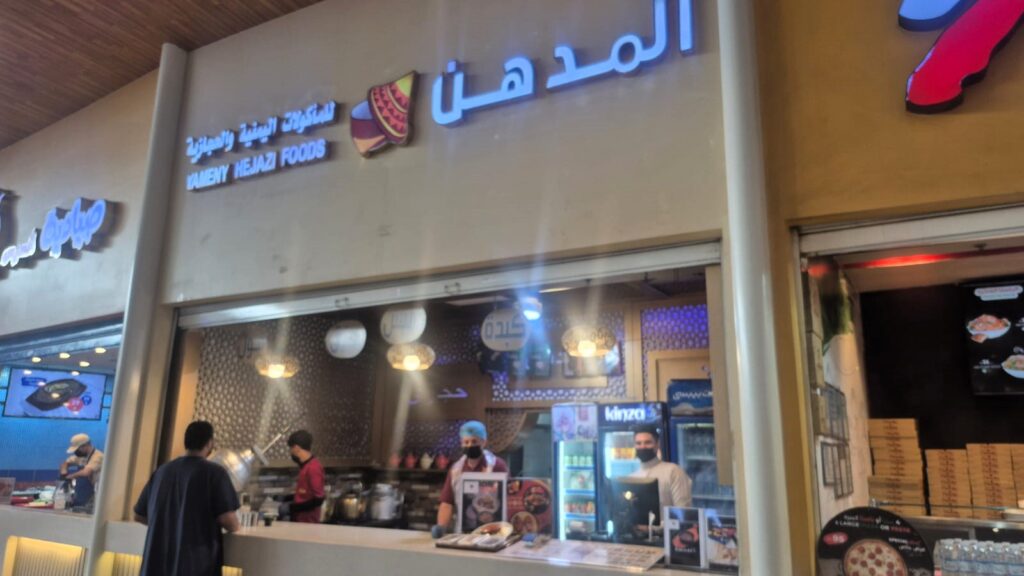
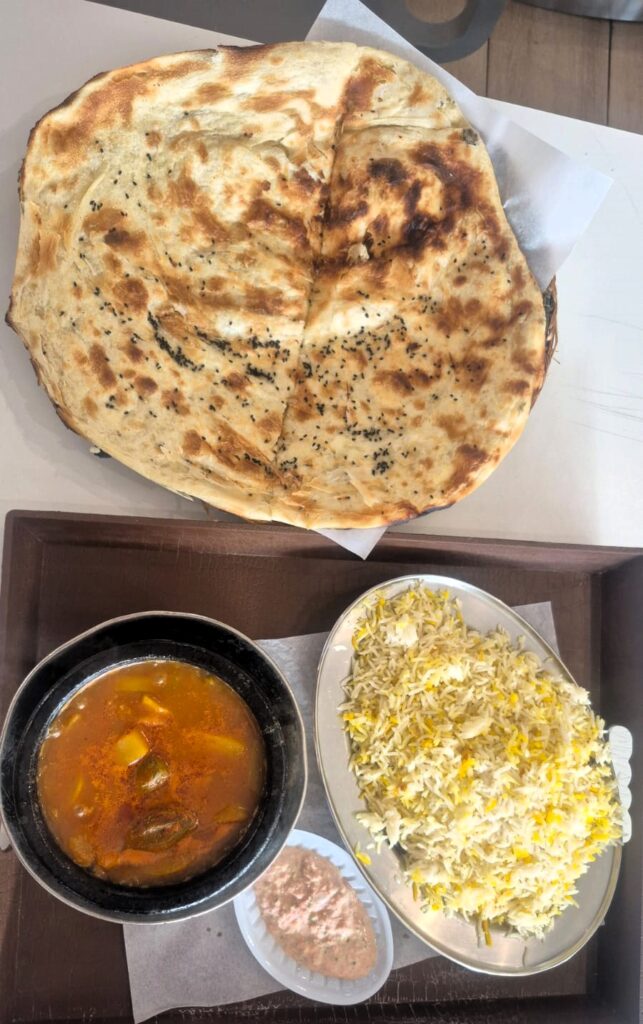
We had Yemeni food — vegetable stew, basmati rice and Yemeni roti.
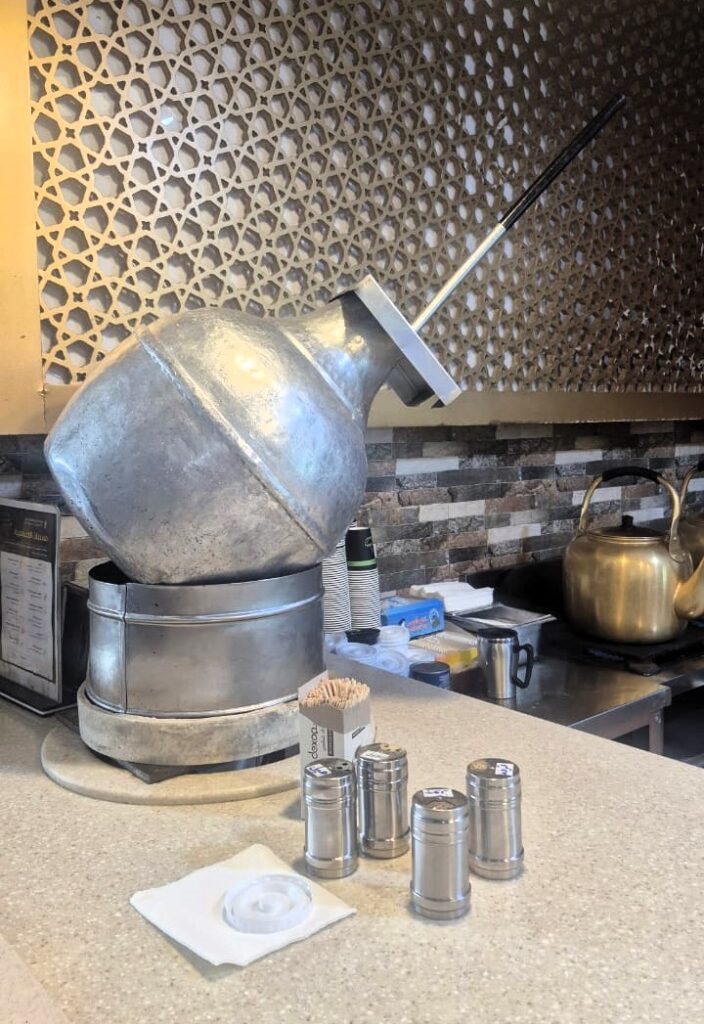
After lunch, we took a nap and left around 4:45 pm to explore the city.
Our first stop was the King Fahd Mosque.
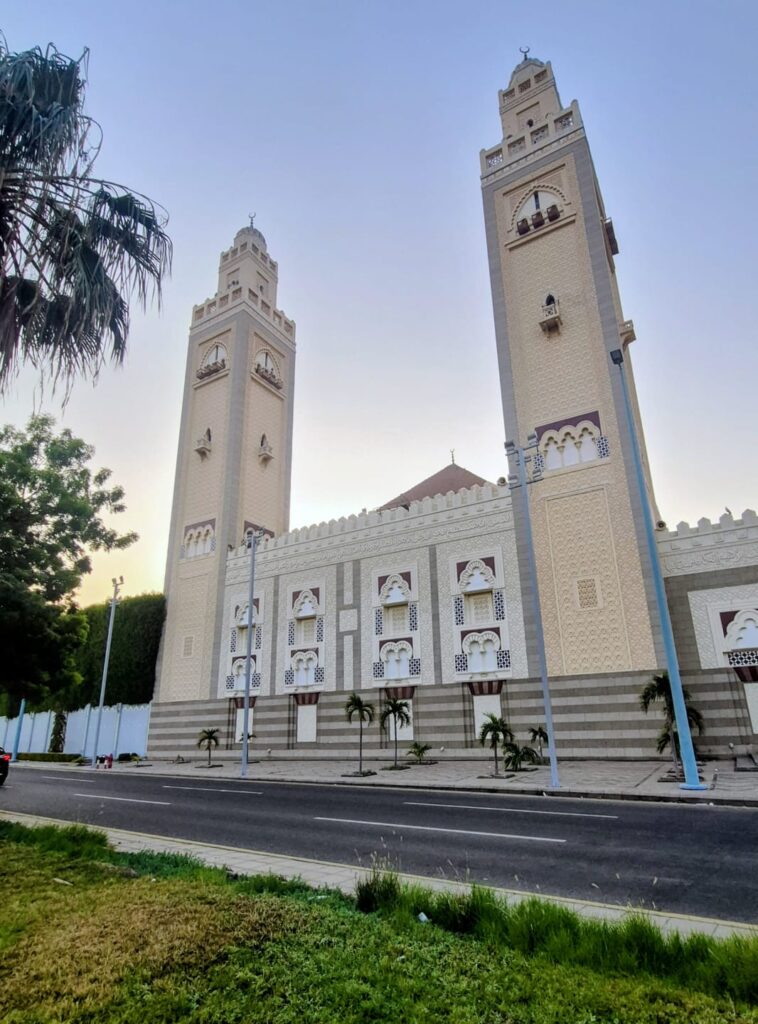
Jeddah’s King Fahd Mosque is built in a distinct Moroccan architectural style — intricate detailing and varied materials woven together to create a very aesthetically pleasing look.
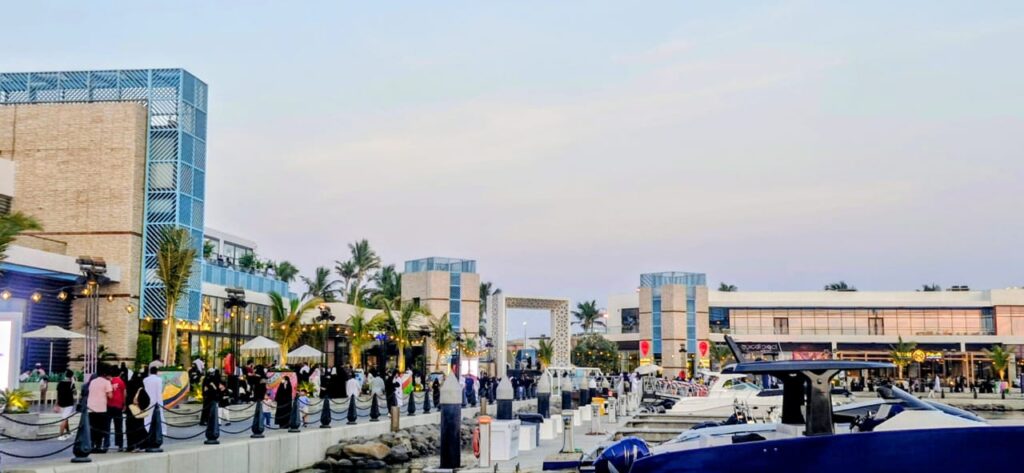
Next, we visited the Jeddah Yacht Club and Marina.
Dozens of private yachts are docked here, and the place is surrounded by cafés and restaurants.
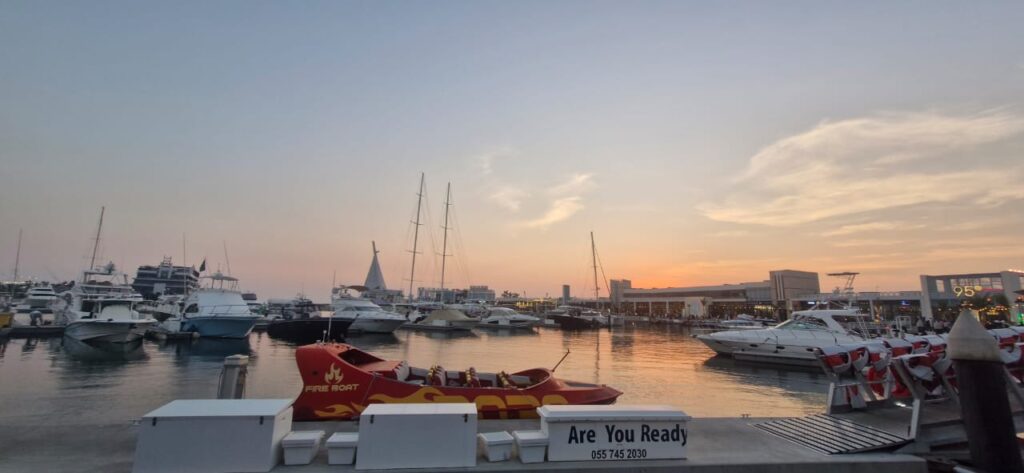
It’s a very vibrant area, especially at sunset. The light was beautiful for photos.
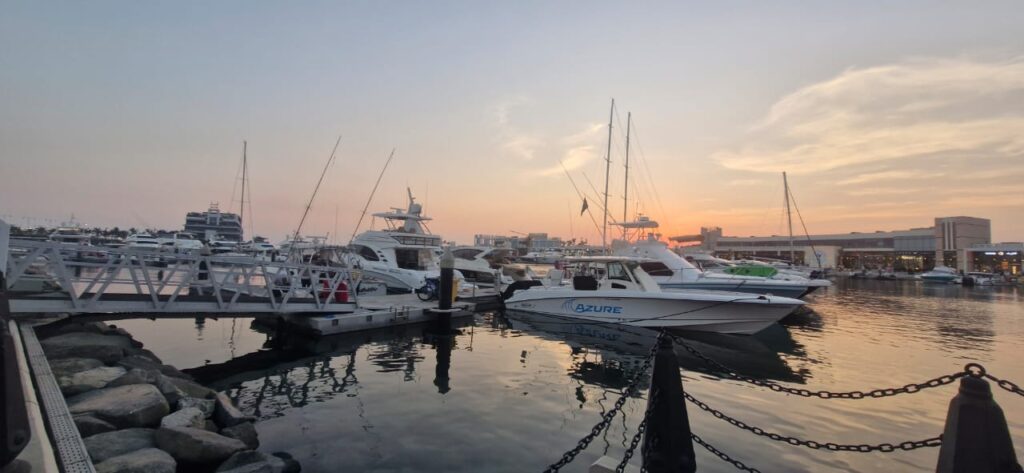
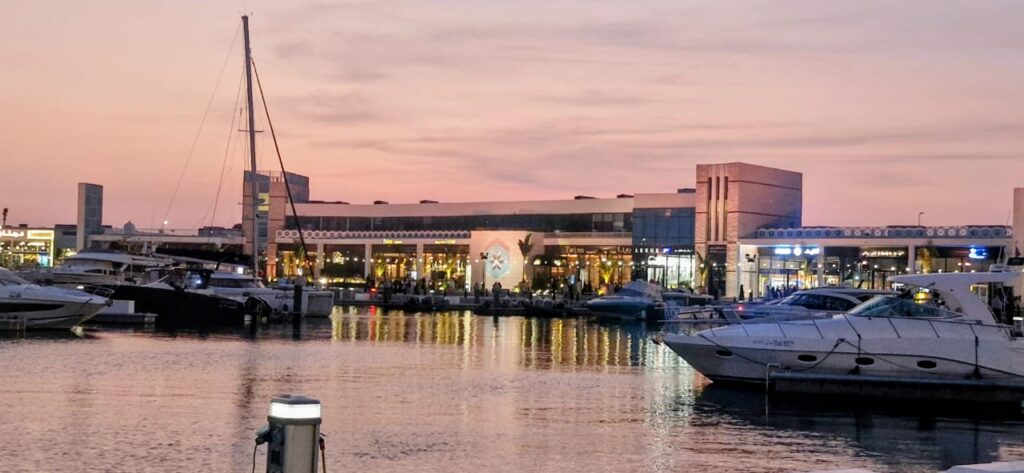
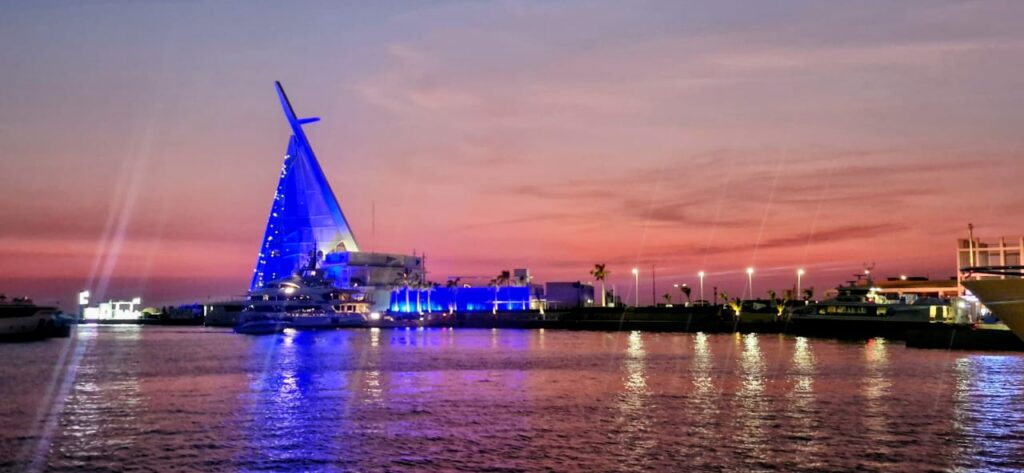
Jeddah reminded us of Mumbai in many ways — a port city, population of roughly 5 million compared to 8 million in Riyadh, moderate temperature but humid, and very modern.
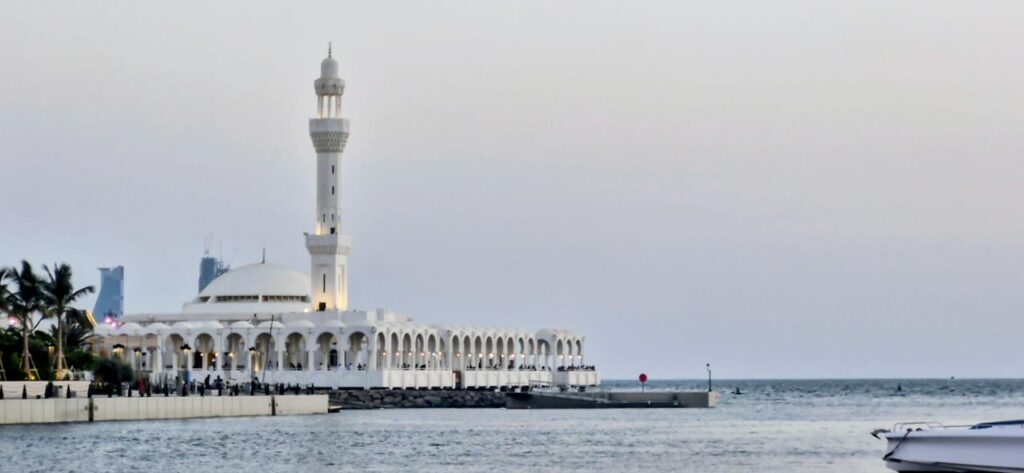
We then walked along the Jeddah Sea Promenade, a long walkway by the water.
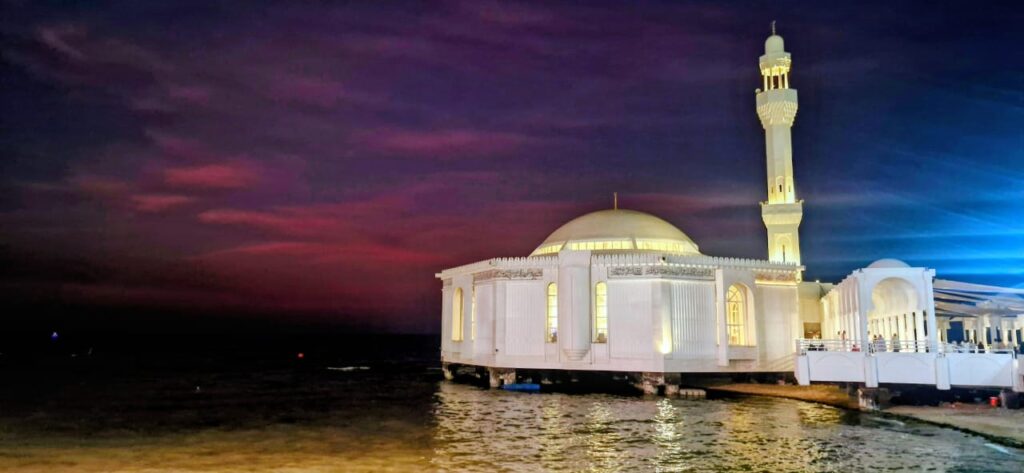
Along the way, we passed the Al Rahmah Mosque, built right at the edge of the sea with waves splashing against its base. The mosque is constructed on stilts over the water, with striking marble and ornately tiled prayer halls. A very beautiful location.
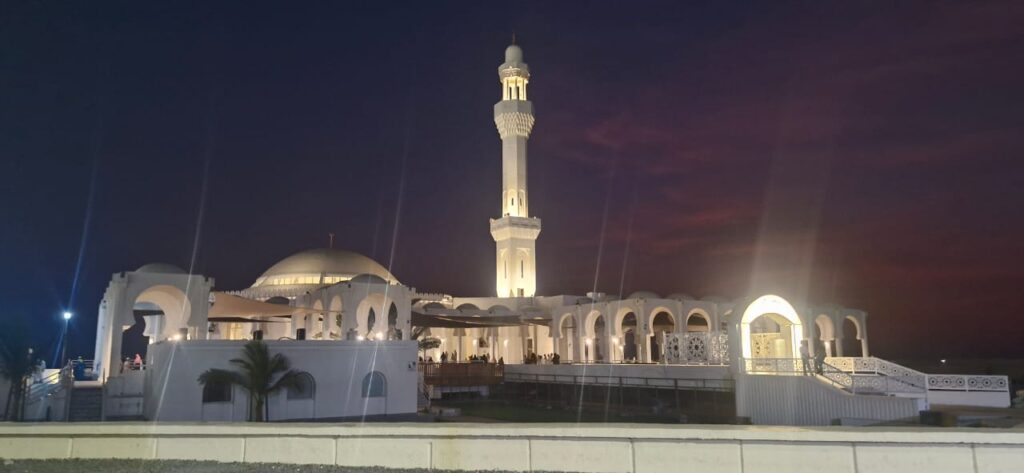
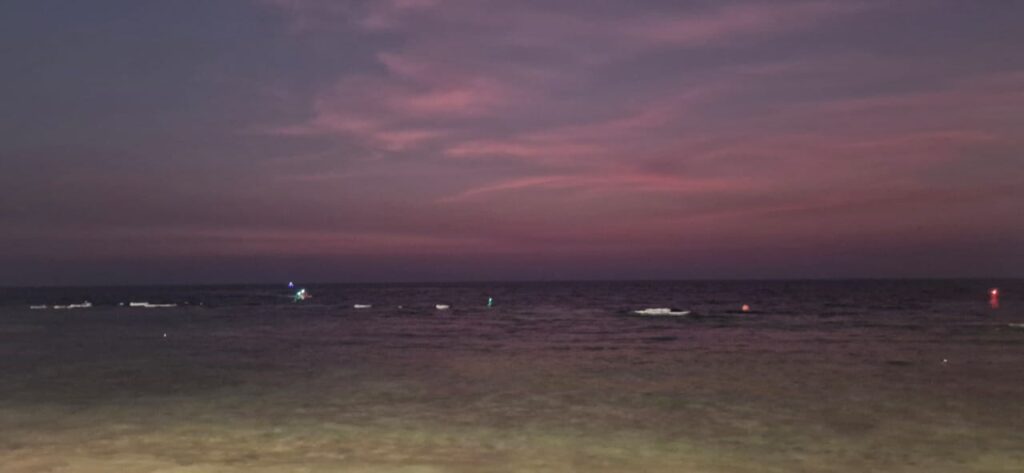
We walked nearly 2 kilometers along the promenade, with the sound of waves hitting the shore all along.
Our Uber then drove along the Jeddah Corniche to reach the King Fahd Fountain.
Built between 1980 and 1983 and launched in 1985, the fountain shoots water up to 260 meters (853 ft) — very impressive when seen at night.
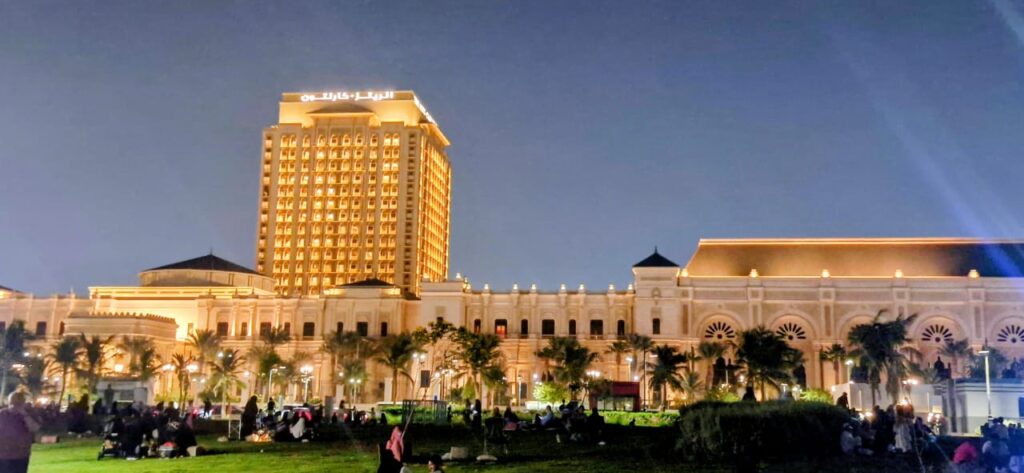
The Ritz Carlton Hotel across from the fountain looked beautiful in the evening lighting.
Our last stop of the night was Al Balad again, this time after dark.
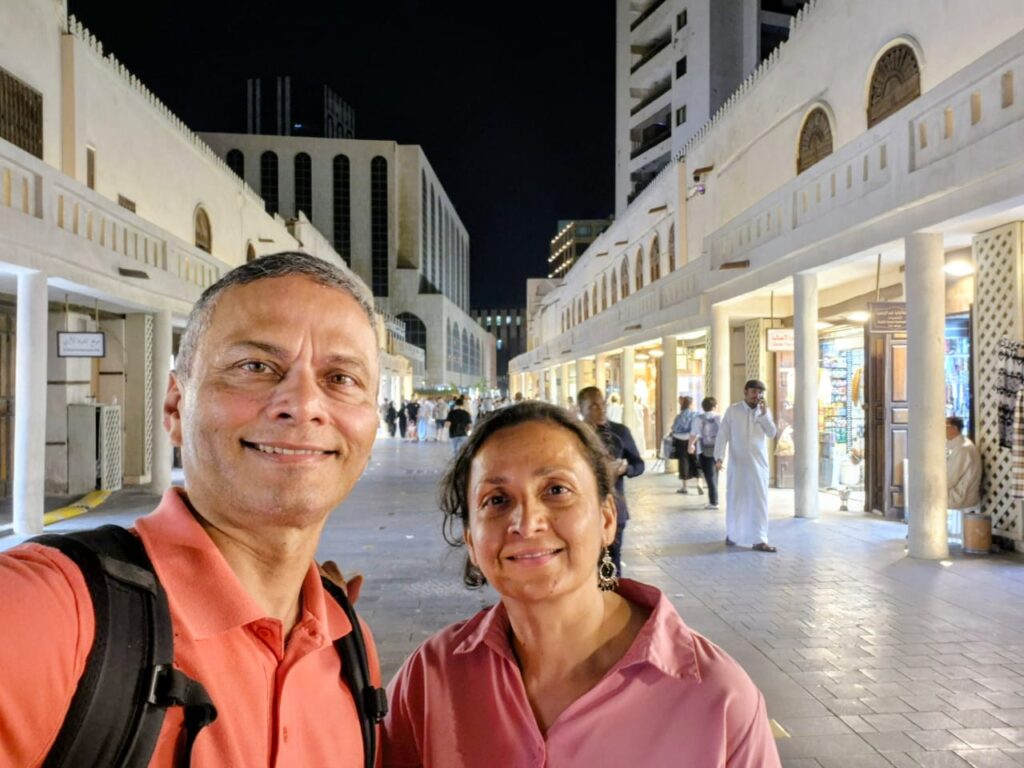
It was a complete contrast from the quiet afternoon — full of people, lights and activity.
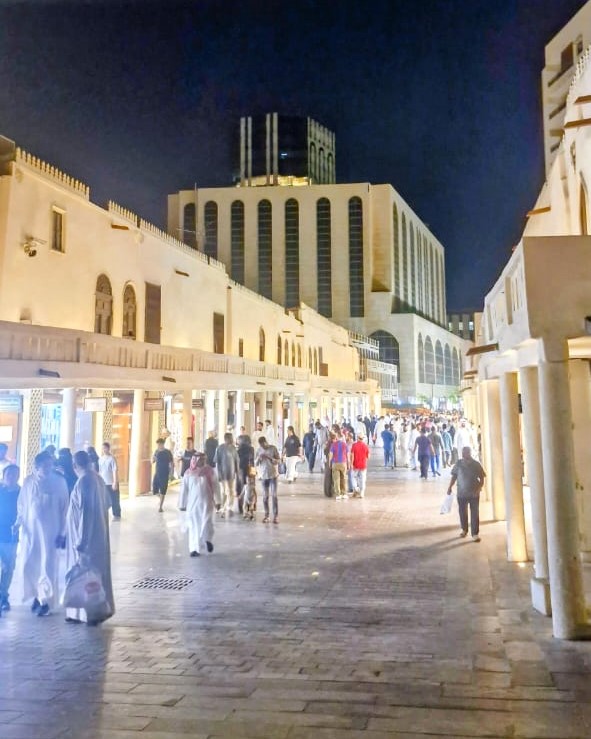
Traditional Hijazi houses with wooden Roshan windows and Mushrabiyas looked even more charming at night.
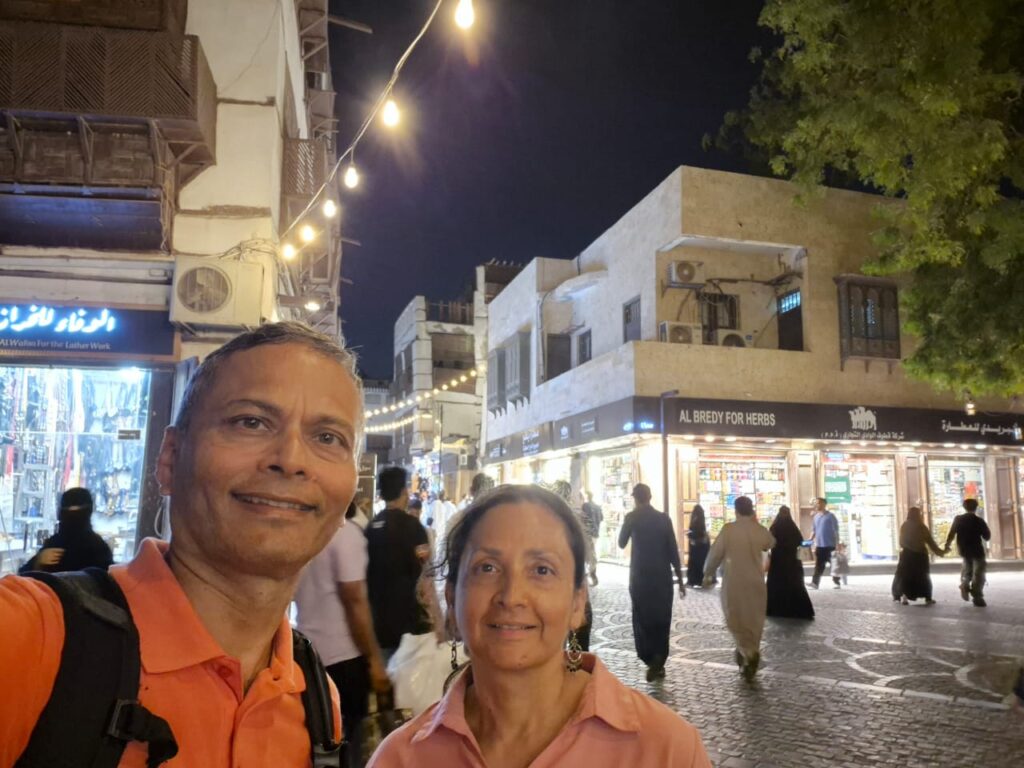
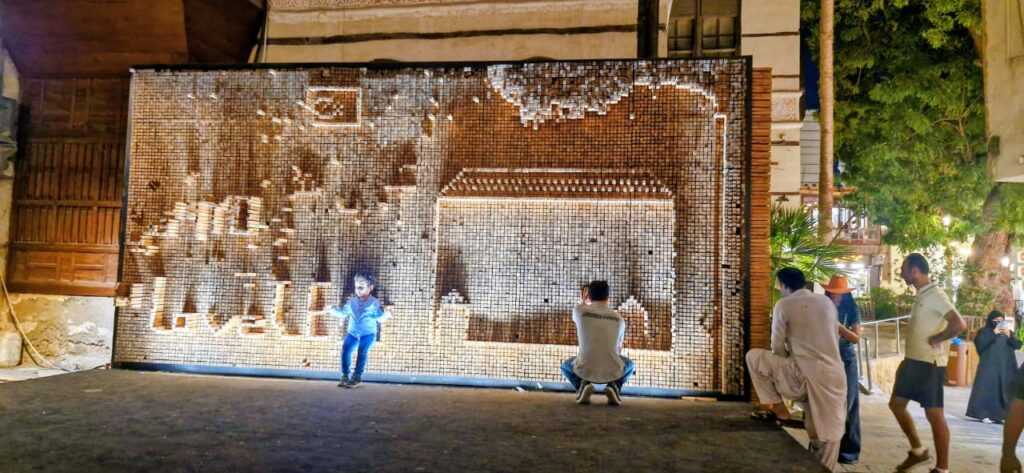
There was an interesting corner where people could pull out Jenga-like blocks and create shapes and outlines. A simple idea but very engaging — lots of people were trying it.
For dinner, we had a Falafel sandwich and Hummus with pita, both delicious.
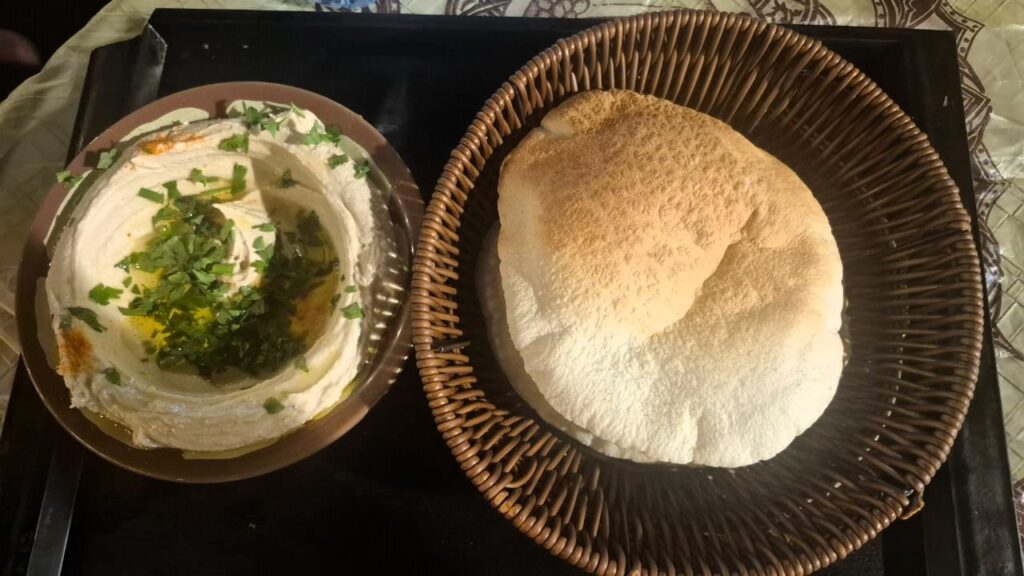
We took a taxi back to the hotel and arrived around 9:30 pm. Slept by 10 pm.
Day 4: Saturday, November 8 — Riyadh → Kuwait
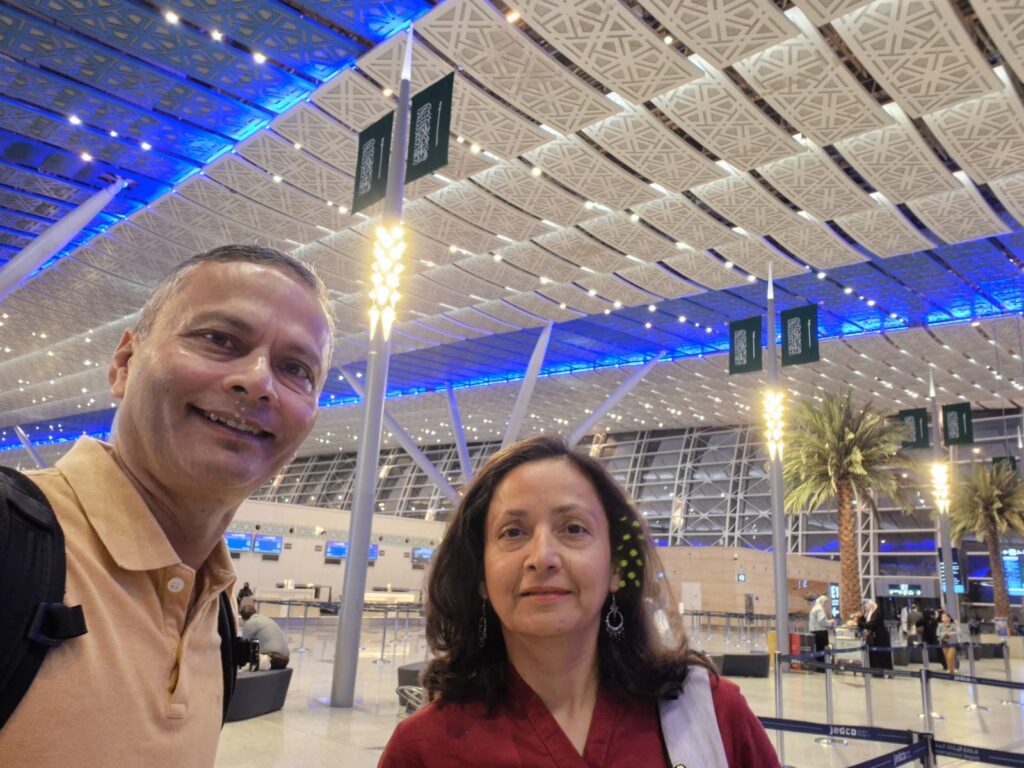
We took the 8:15 am Flynas flight from Jeddah to Riyadh, landing at 9:50 am. Jeddah airport, like Riyadh, was quite modern and efficient.
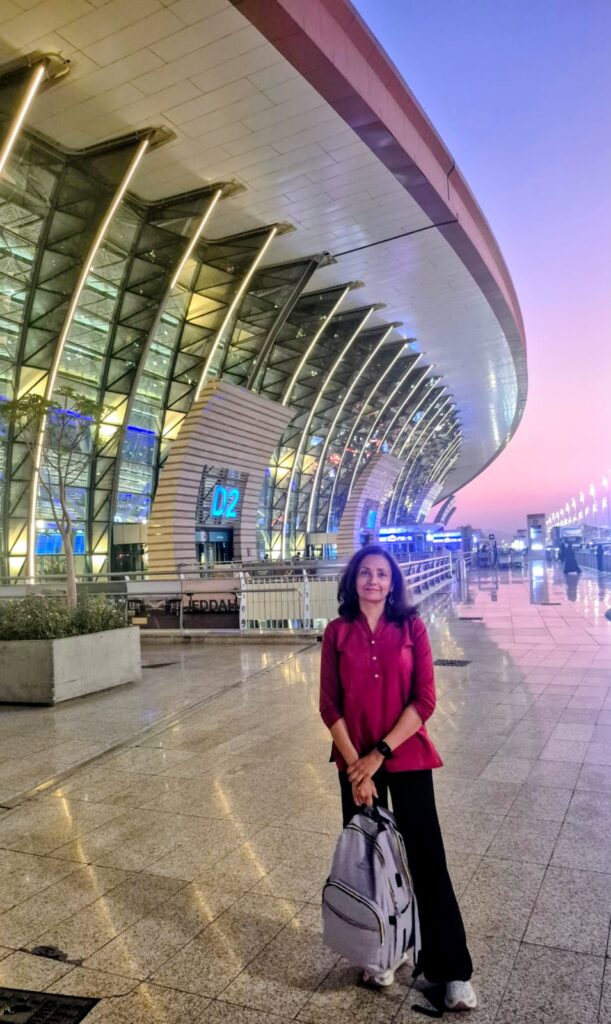
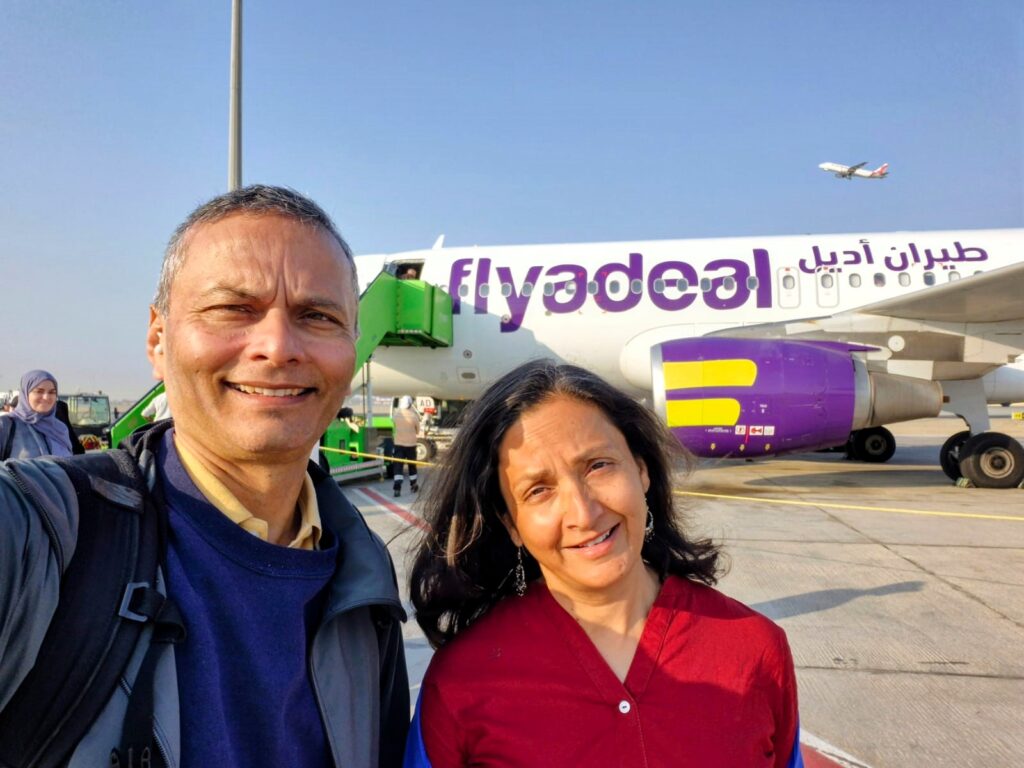
From Riyadh airport, we headed directly to Al Turaif in the Diriyah district.
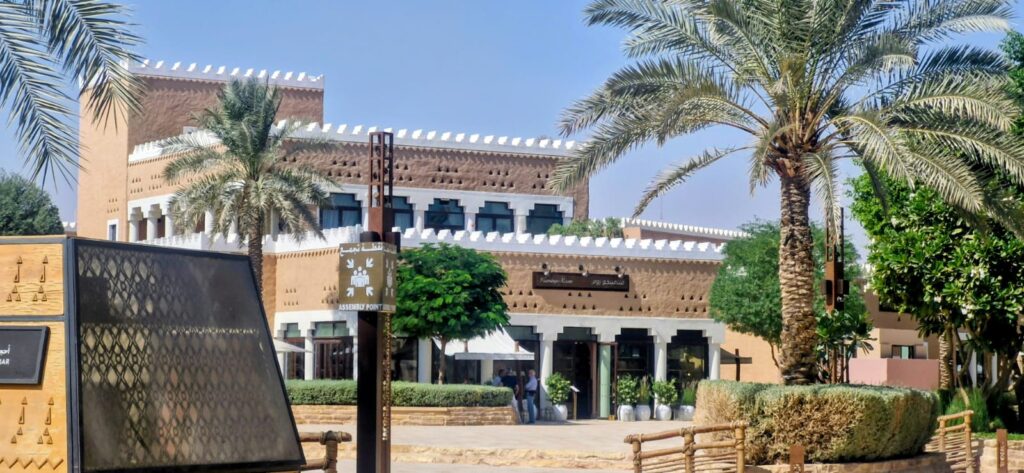
Al Turaif is one of the most important political and historical sites in Saudi Arabia — the original seat of the House of Saud and the first capital of the Saudi state from 1727 until the Ottoman conquest in 1818.
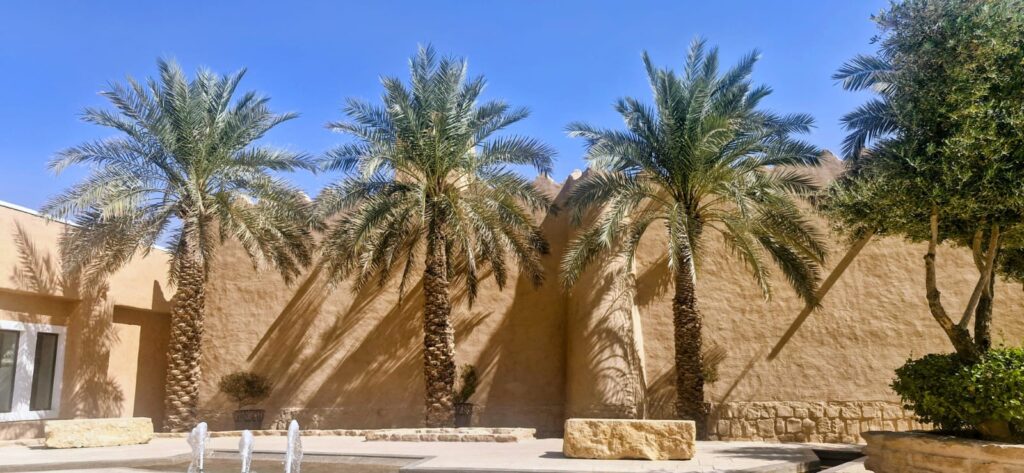
The district preserves the birthplace of today’s Saudi kingdom and the era during which the first Saudi state formed alliances, resisted external rule, and consolidated the foundations of governance.
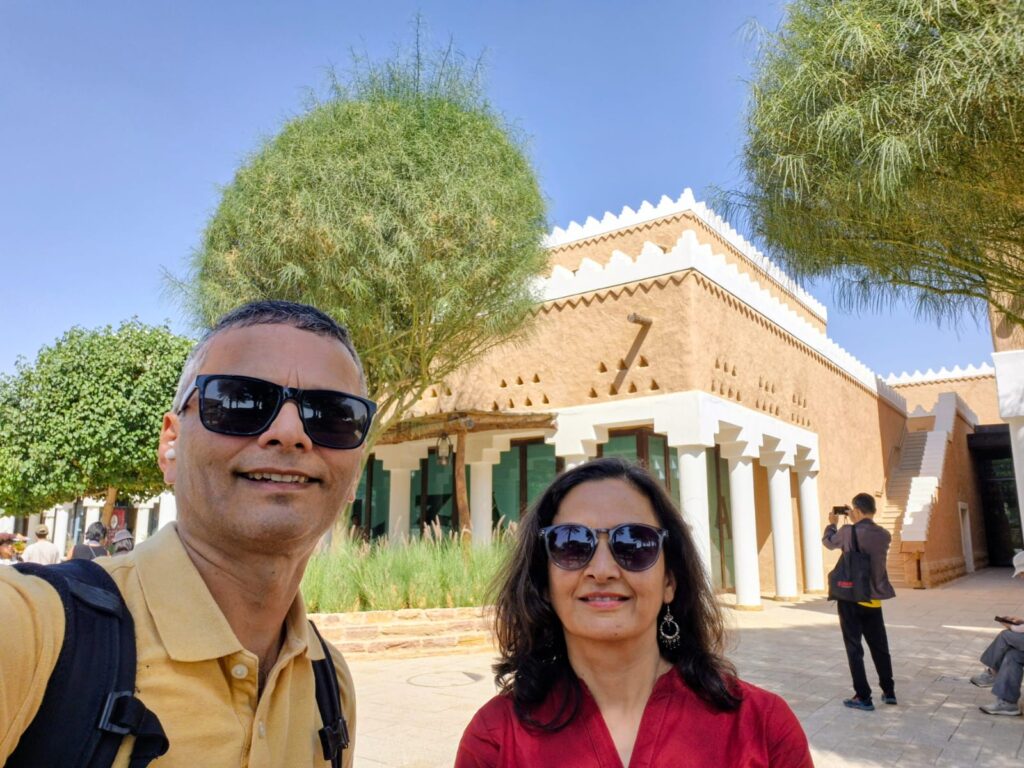
Al Turaif is now a UNESCO World Heritage Site, known for its mud-brick Najdi architecture, restored defensive towers, palaces, and narrow lanes that once shaped political life in the Arabian Peninsula.
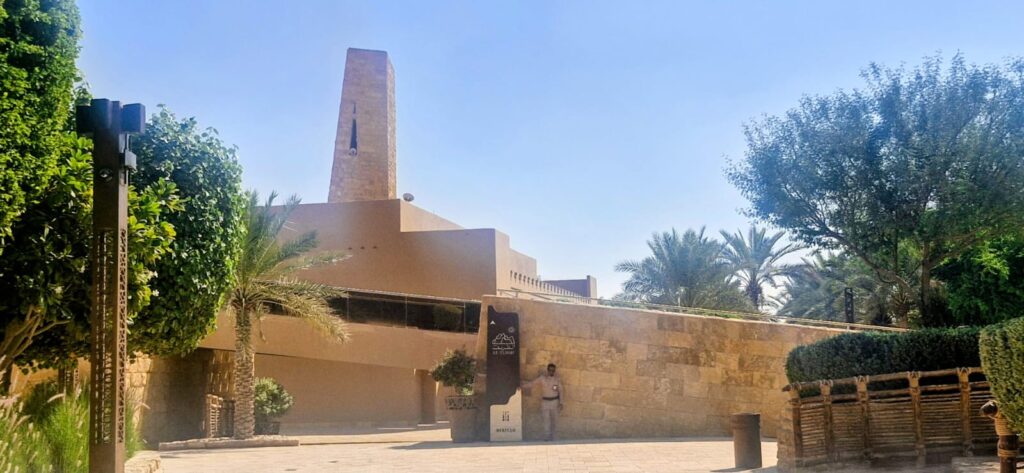
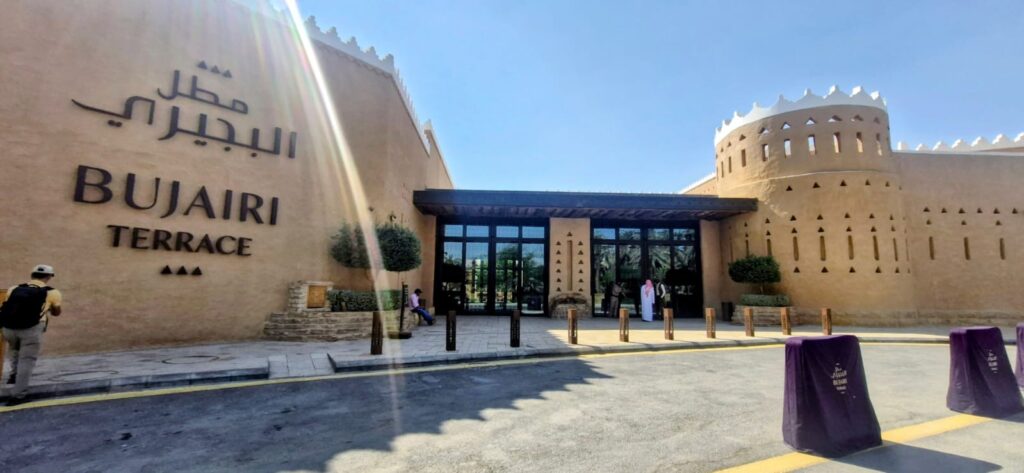
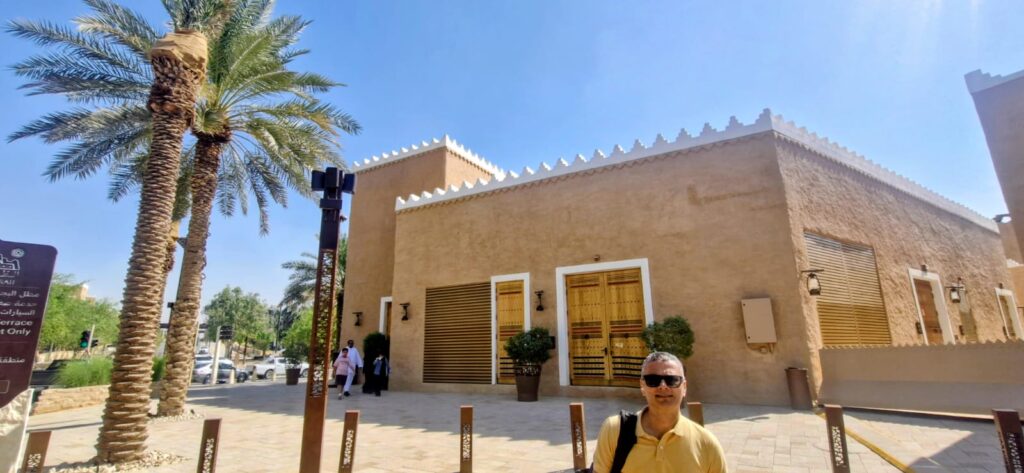
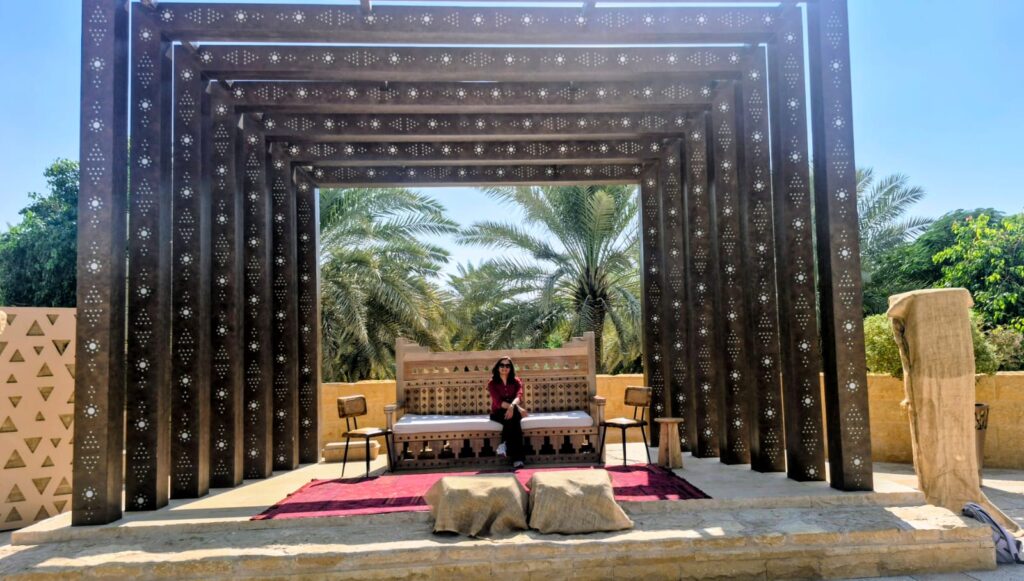
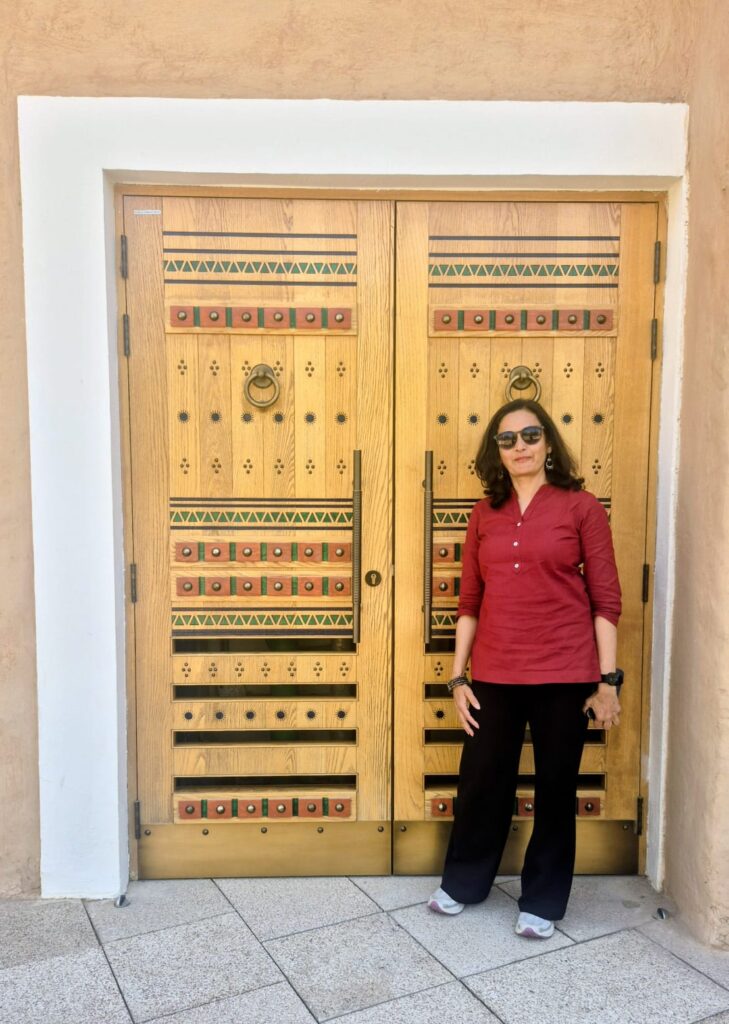
Although Al Turaif opens only in the evening, we explored the nearby Bujairi Terrace, a beautifully designed public space with cafés, restaurants and shops overlooking Wadi Hanifah.
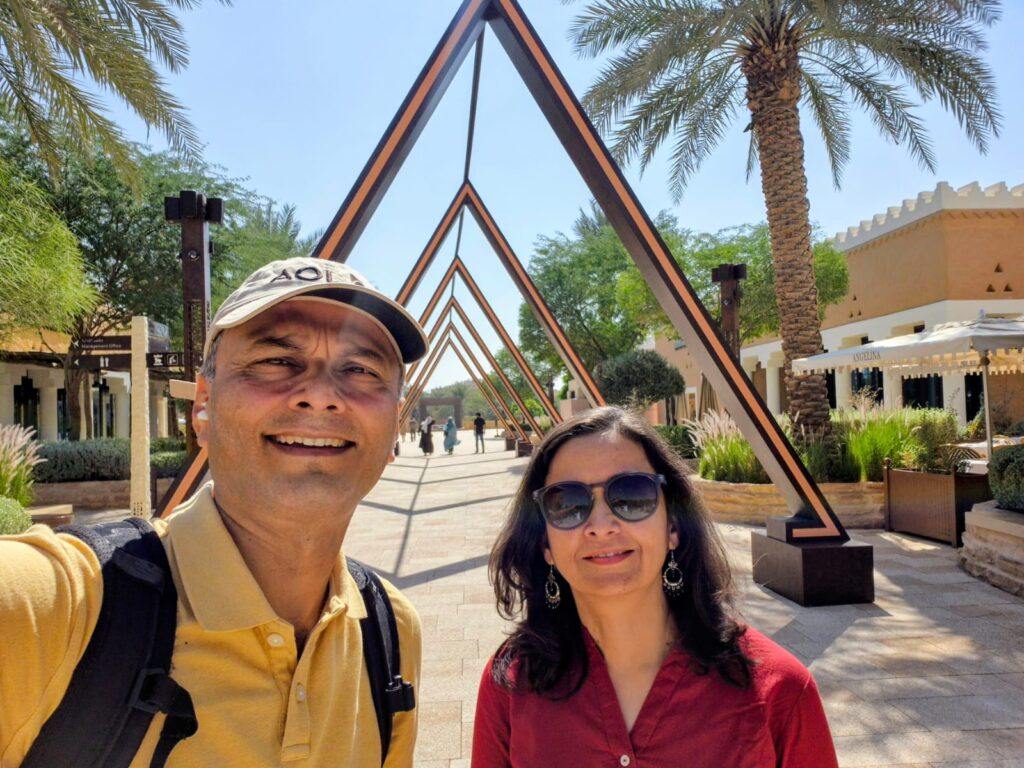
Even in daylight, with most places shut, it was easy to imagine how atmospheric the terrace must be in the evenings — lights reflecting on the stone pathways, people dining outdoors, and cooler desert winds making the place lively.
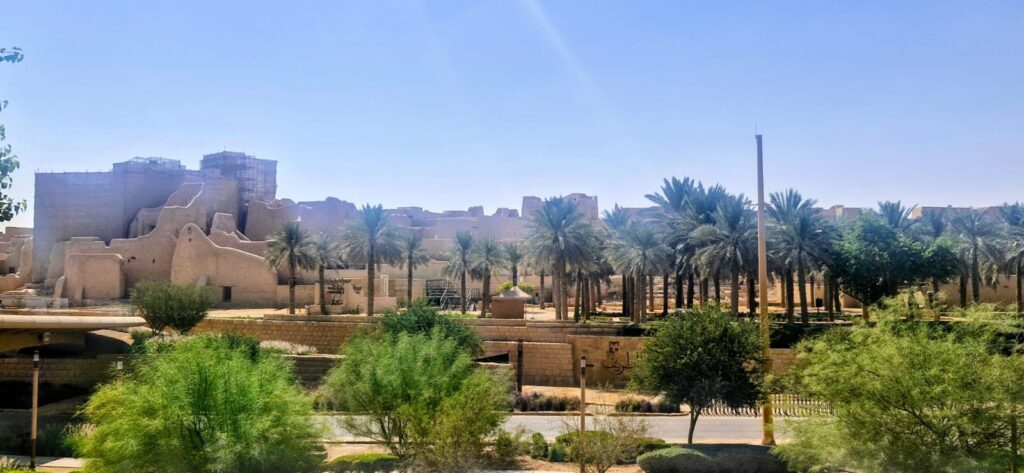
From Bujairi Terrace, we took a taxi to Kingdom Tower (Kingdom Centre) — one of Riyadh’s most iconic modern buildings. Standing 302 meters tall with 99 floors, the tower opened in 2003 and remains one of the city’s signature landmarks.
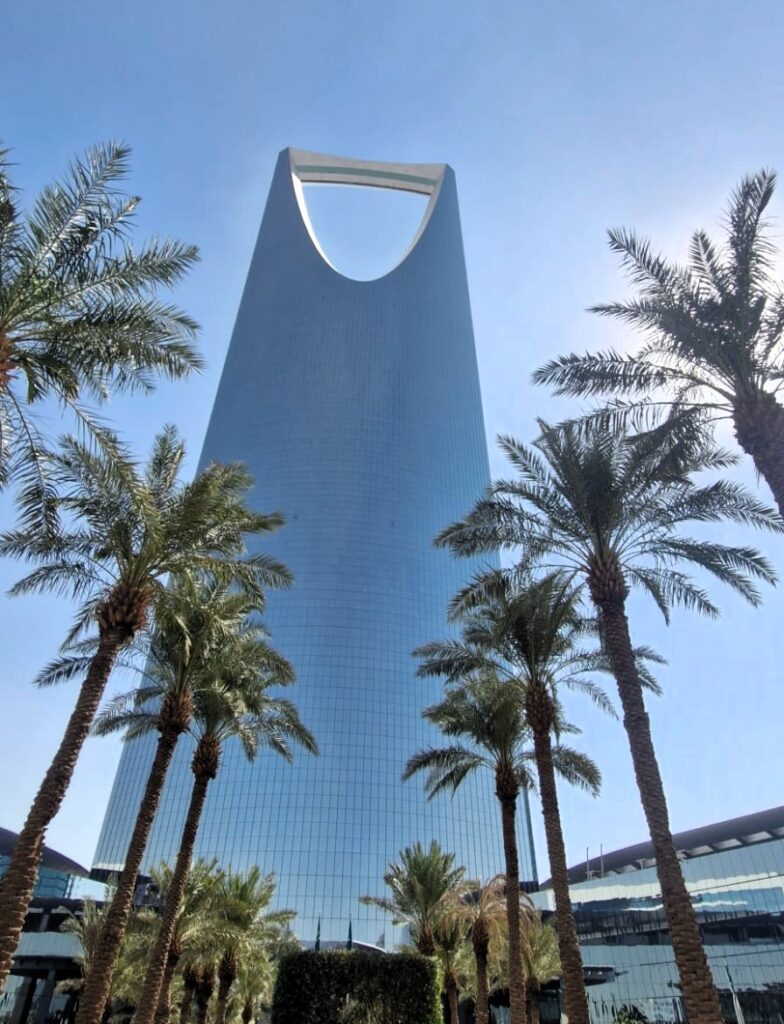
The top features the Skybridge, a 65-meter steel structure that connects the two peaks of the building and offers panoramic views of Riyadh. The tower also houses the King Abdullah Mosque on the 77th floor, the second-highest mosque in the world. The tower spans 300,000 square m.
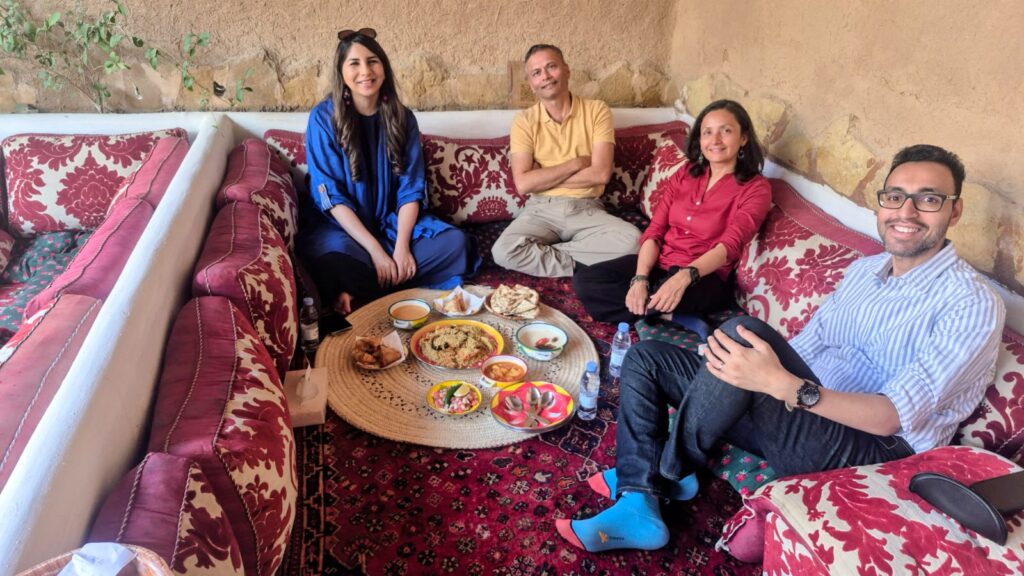
After our visit, we returned to the Ramada hotel to pick up our bags and then headed for lunch at Najd Village, a traditional Saudi restaurant.
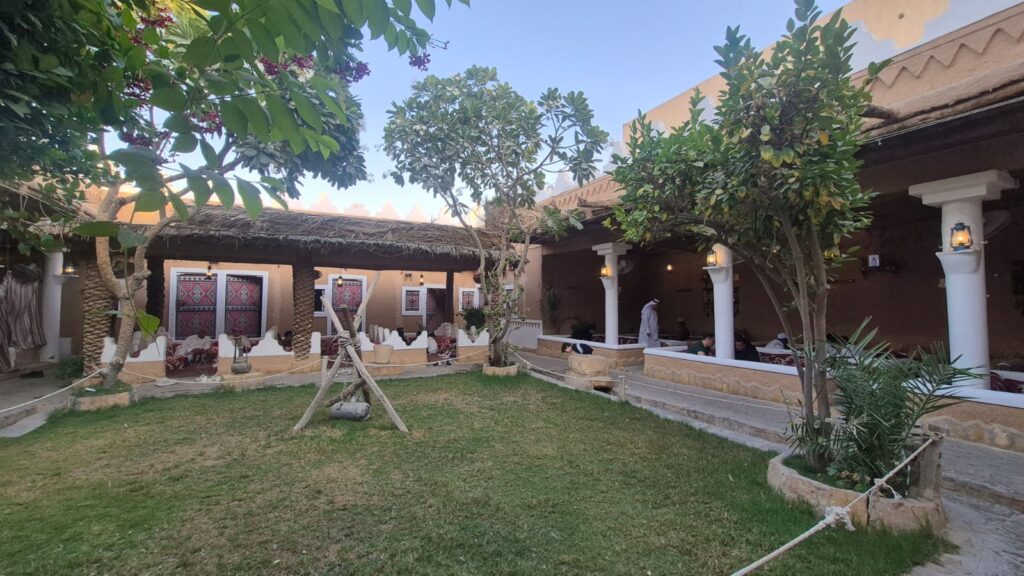
We met Palavi Kele, our friend from Rohan Tapovan, and her husband, Narendra. Great catch-up, delicious food, and lots of learning about Saudi culture.
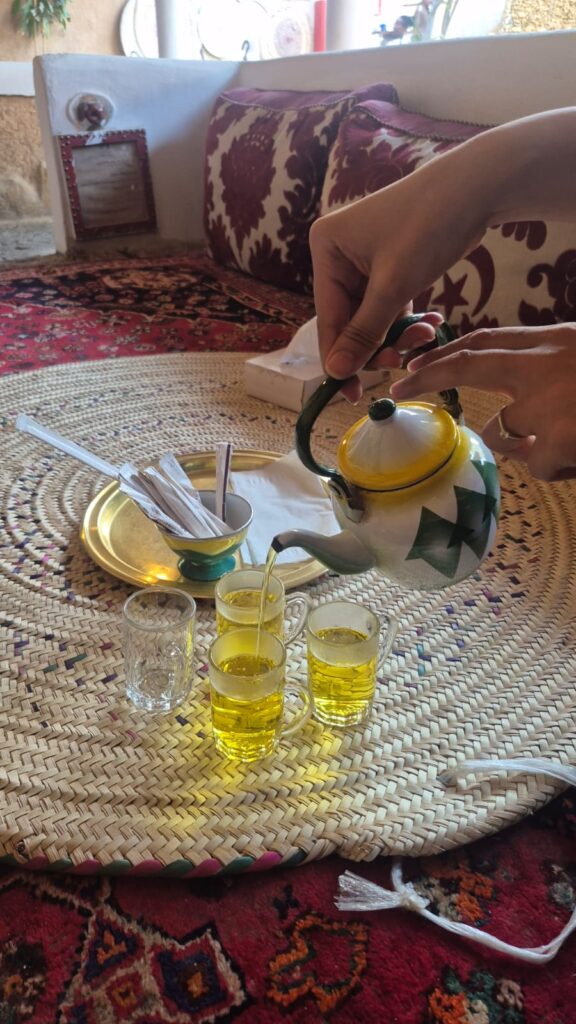
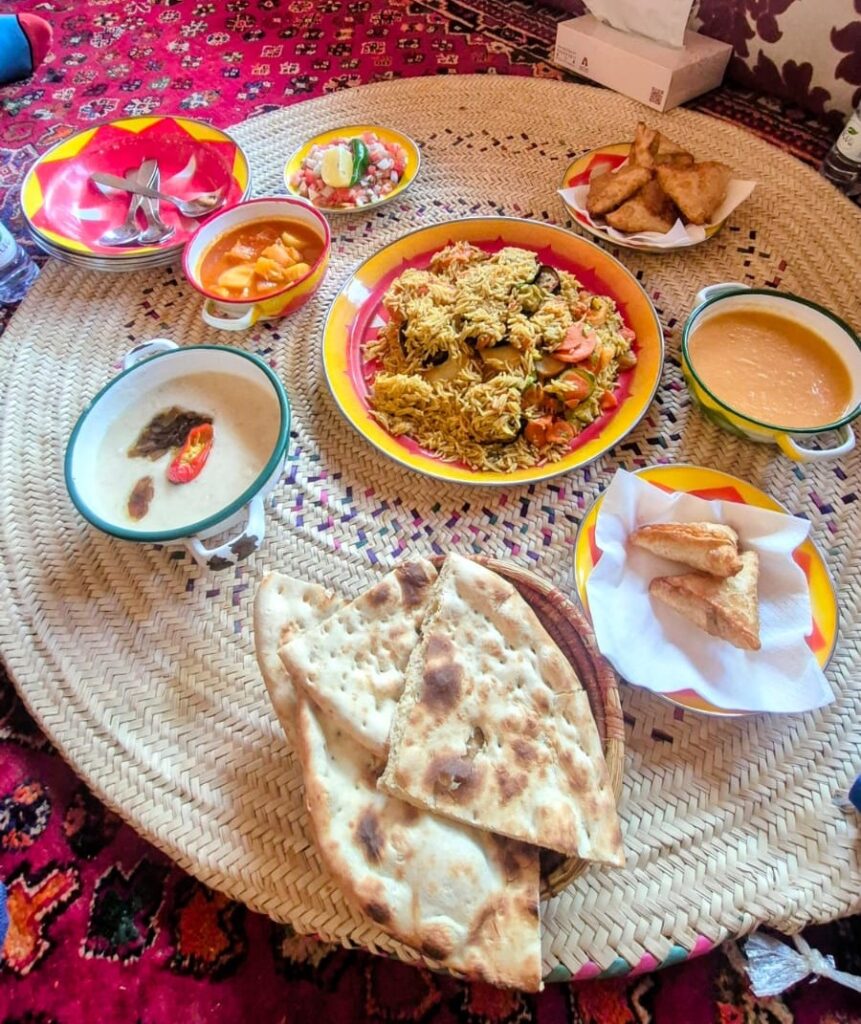
Palavi specializes in helping expatriates understand and adjust to Saudi norms, so the conversation was insightful.
In the evening, we took the 7:25 pm Flynas flight from Riyadh to Kuwait, landing around 9:00 pm. It was the end of a short Saudi Arabia trip. As we navigated Saudi Arabia, we made a few observations.
Observations about Saudi Arabia
- Saudi Arabia is a huge country covering most of the Arabian Peninsula.
- It follows a more conservative form of Islam compared to Kuwait and Bahrain.
- Women are no longer required to cover their head or wear an abaya. They are now also allowed to drive. Except in mosques and in Madinah, Anu wore her normal clothes (no half sleeves or shorts though).
- 1 USD = 3.75 Saudi Riyals.
- The country is opening up slowly under recent reforms, but they need to balance modernization with their identity as the “keepers” of Islam.
- Food is fairly inexpensive, and vegetarian dishes are common — Hummus, Baba Ghanoush, Muhammara, Feta Salad, Fatayer with Zatar, etc. We did not eat Pizza, Pasta, Sandwich or Indian food even once.
- The taste of Saudi food is very similar to Indian food.
- Rents and property prices are high — a good apartment costs about $2,000 per month. Many expatriates live in compounds, where conservative rules like abaya requirements don’t apply.
- A low-level worker earns about $700 per month. There are large migrant populations from Bangladesh and Pakistan.
- We went to Madinah instead of Mecca, because non-Muslims are not allowed in Mecca. Madinah is a large, bustling city. One person asked Anu to cover her hair, but otherwise we did not receive any comments.
- There is a US Air Force base in Saudi Arabia.
- Riyadh and Jeddah airports are modern and swanky.
Arrival in Kuwait was simple. Immigration was smooth — visa on arrival. We had to apply for a visa in an arrival hall shown below. Biometrics were taken but no charge for the visa.
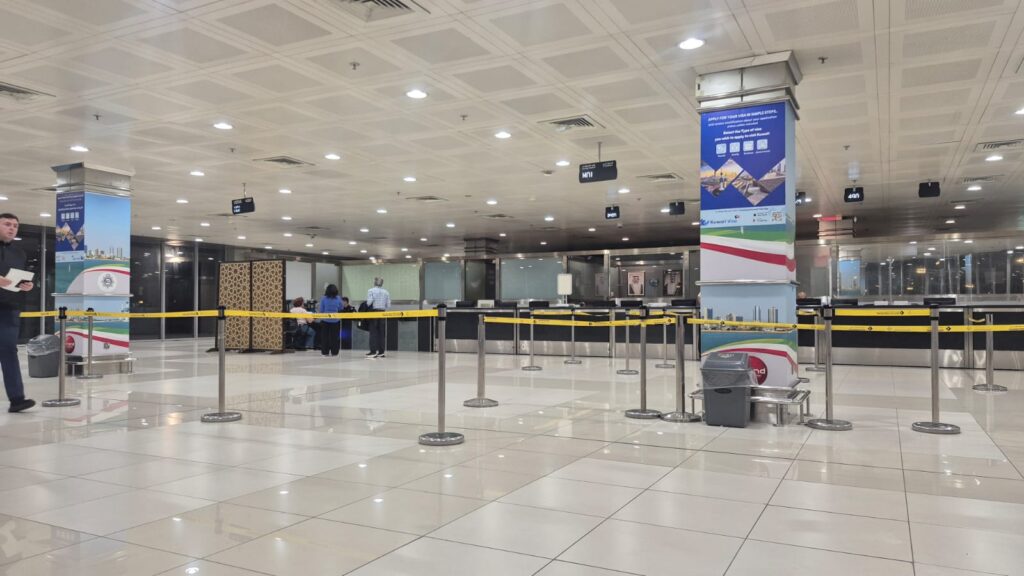
The contrast with Riyadh airport was immediate. Kuwait airport was much more crowded and chaotic, with long lines and a lot of people everywhere.
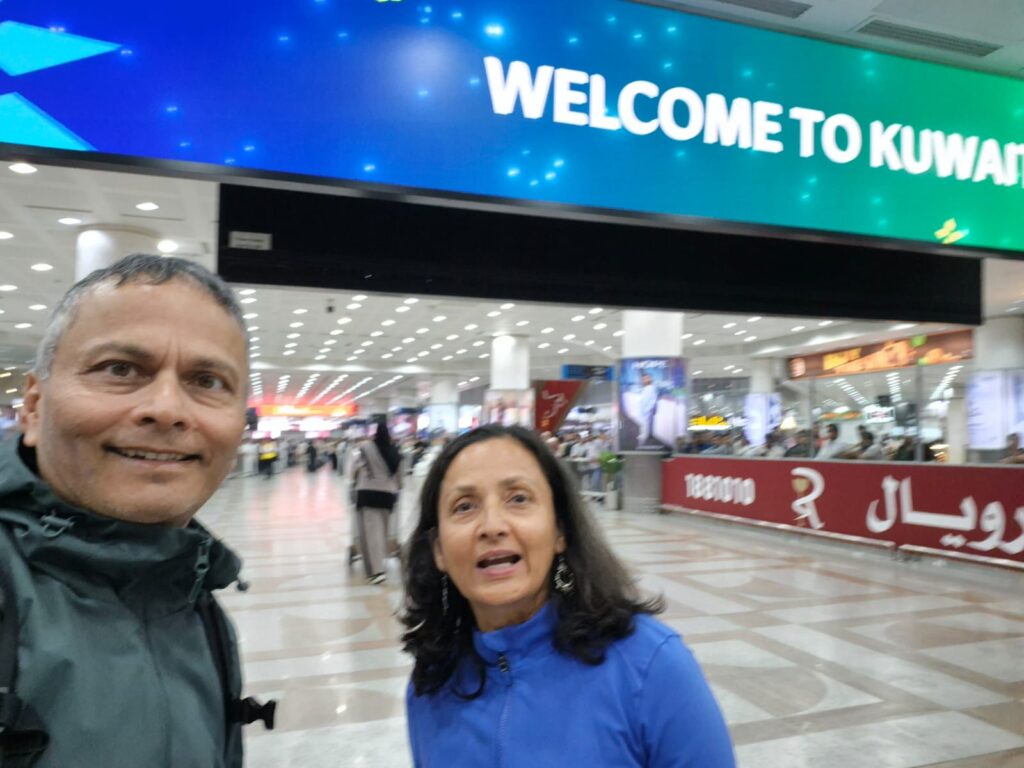
App-based taxis like Uber and Careem are not permitted to pick up passengers at the airport, so we had no choice but to take an airport-authorised taxi. The ride to our hotel in the Salmiya area cost 8 Kuwaiti Dinar (about $26). We arrived at 10:15 pm.
Day 5: Sunday, November 9 — Kuwait City
We woke up to beautiful views of the Arabian Gulf (also known as the Persian Gulf) from our hotel room — something we couldn’t see the previous night when we arrived.
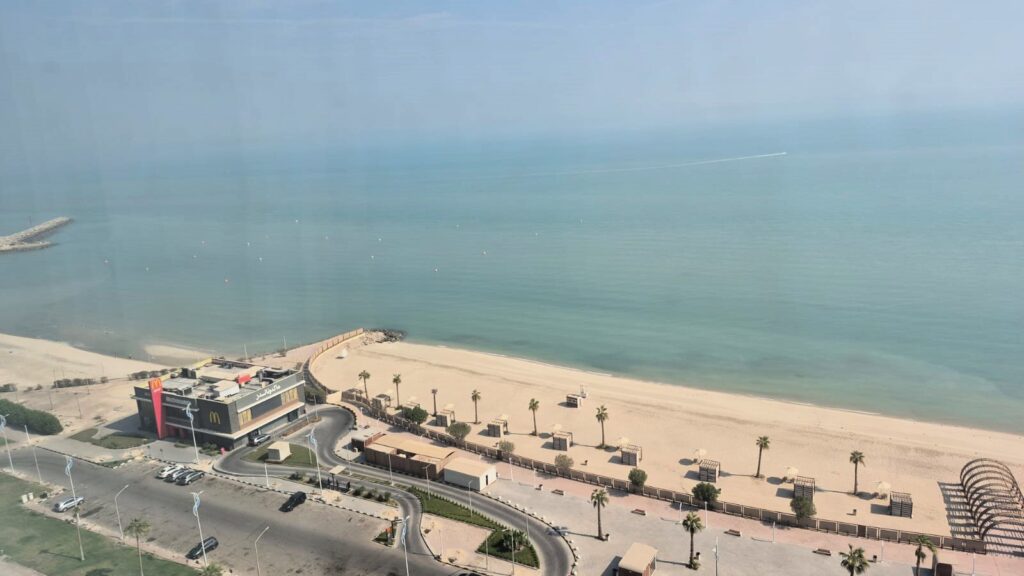
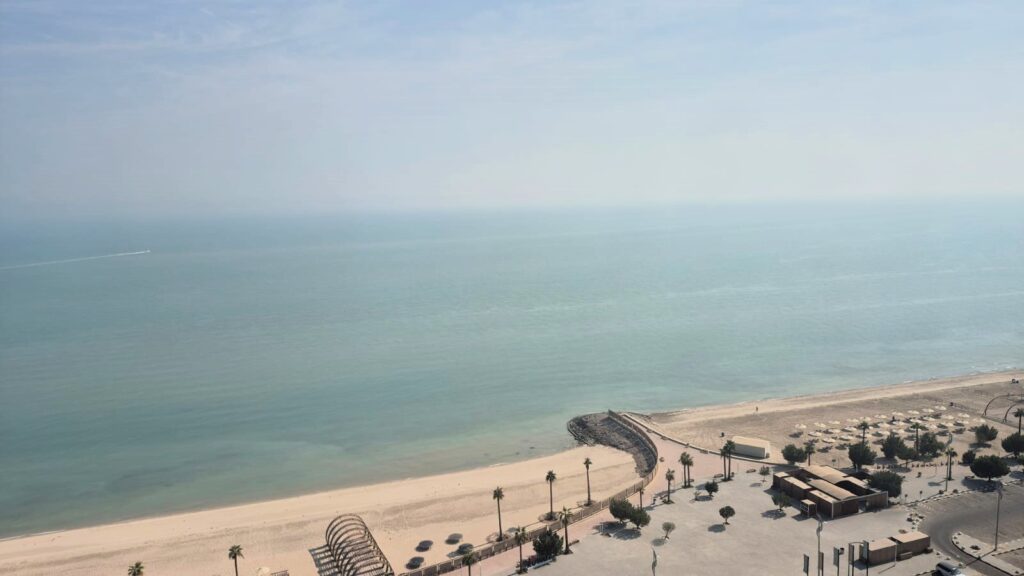
With that, we checked out the list of things to do in Kuwait and quickly learned that most museums are closed on Sundays and many attractions open only later in the day. So we decided to start slow and step out around 2 pm.
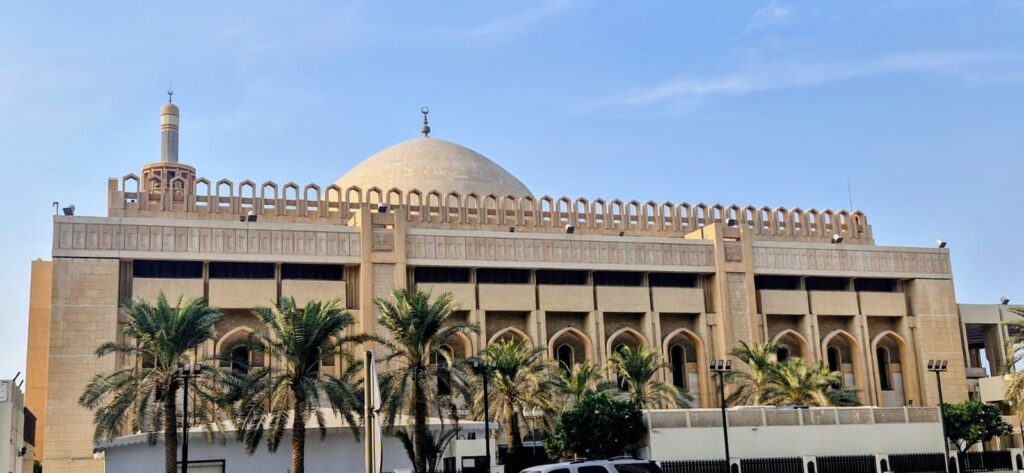
Our first stop was the Grand Mosque of Kuwait, the largest mosque in the country, covering 480,000 sq. ft and completed in 1987. The mosque can accommodate 10,000 worshippers, and even though we only saw it from the outside, the scale and symmetry were impressive.
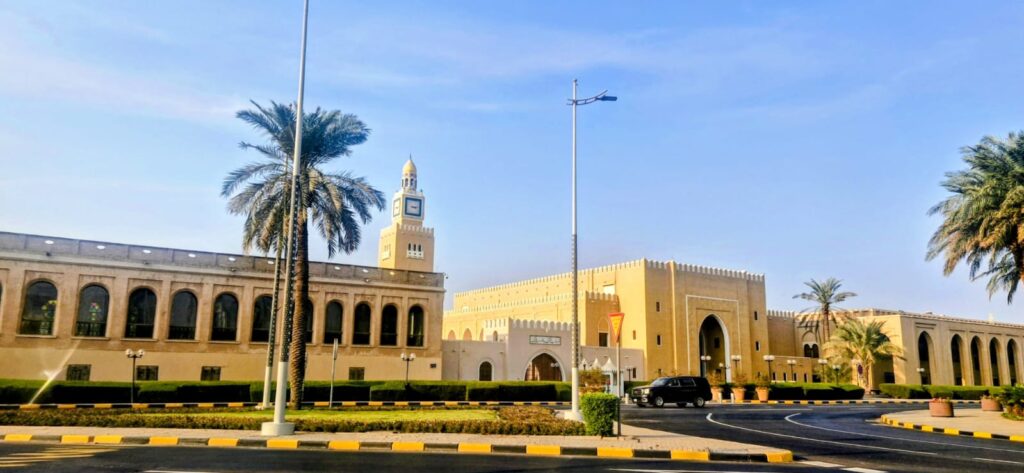
From there, we visited Al-Seif Palace, the ruling palace of Kuwait. Built in 1904 during the era of Sheikh Mubarak Al-Kabeer, the palace continues to serve as the official headquarters of the Amir of Kuwait, the Crown Prince, and the Prime Minister.
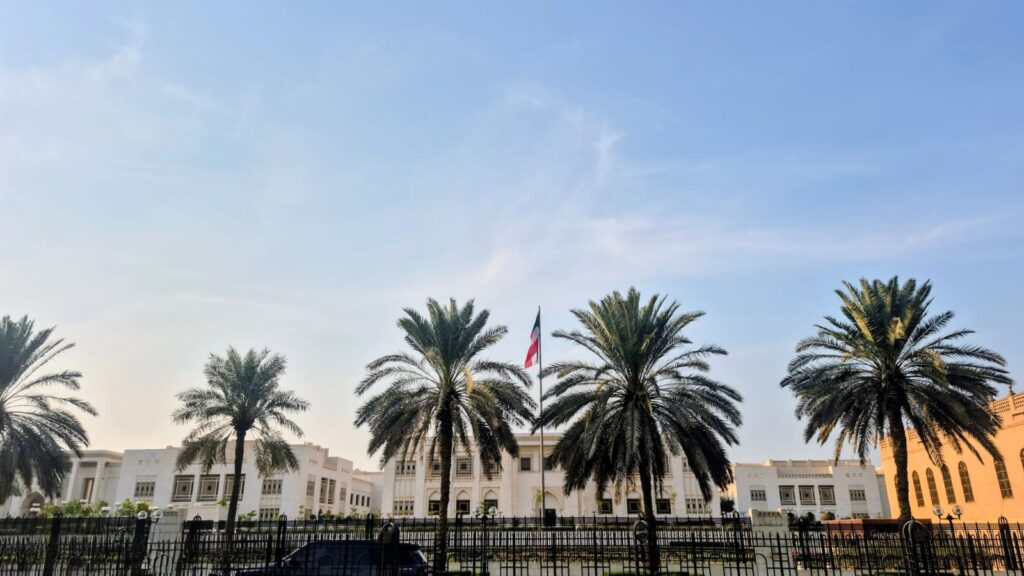
The name “Al-Seif” (meaning sea coast) comes from its close proximity to the Arabian Gulf.
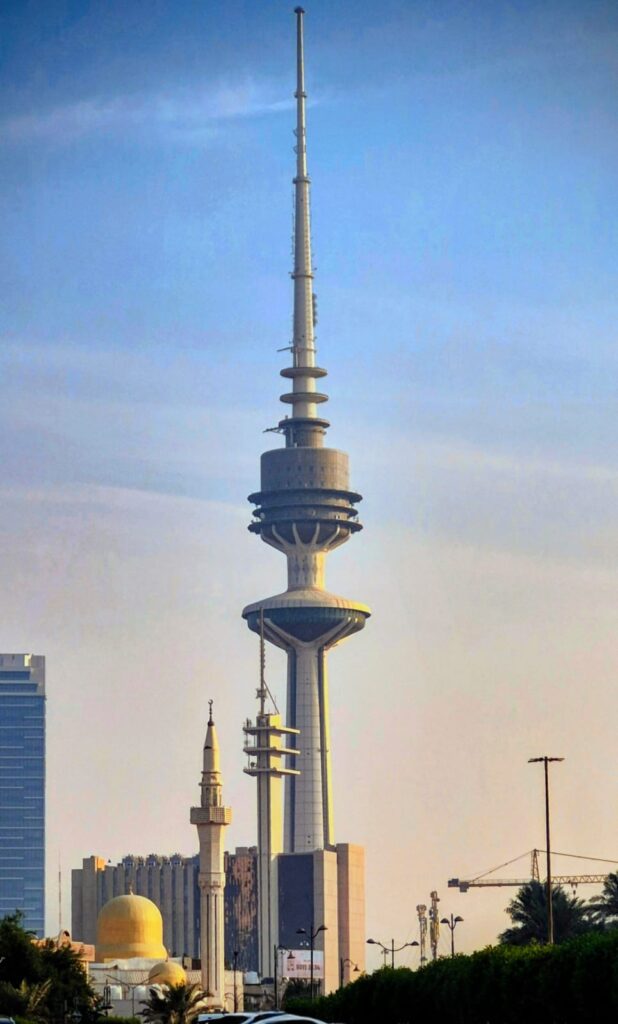
Nearby, we saw the Liberation Tower, standing 1,220 ft tall — the second-tallest structure in Kuwait and one of the tallest telecommunications towers in the world. It was completed in 1993, after the country’s liberation from Iraq, hence the name. The tower is not open to tourists, so we viewed it from the outside.
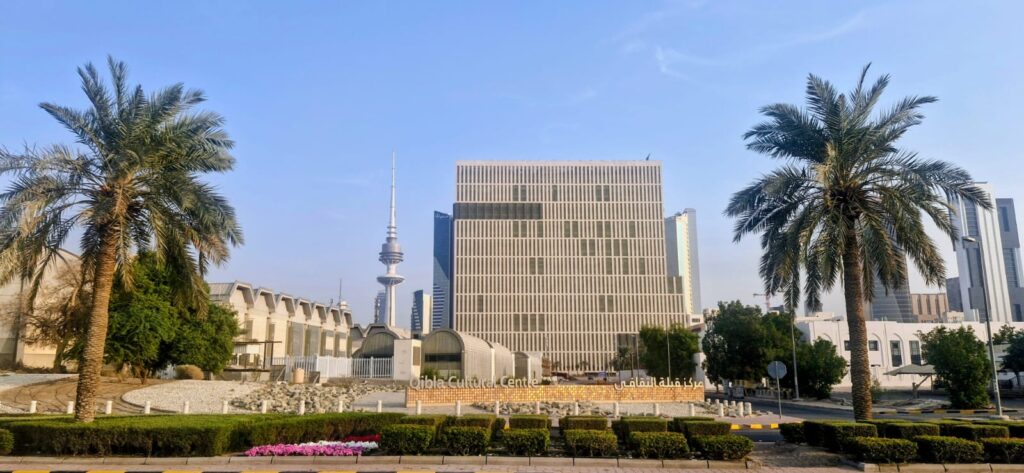
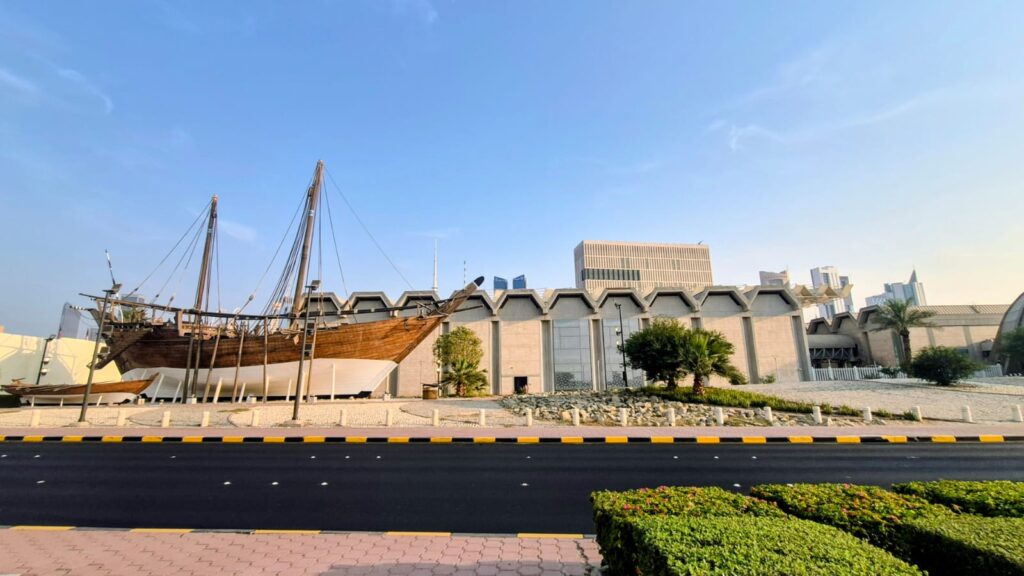
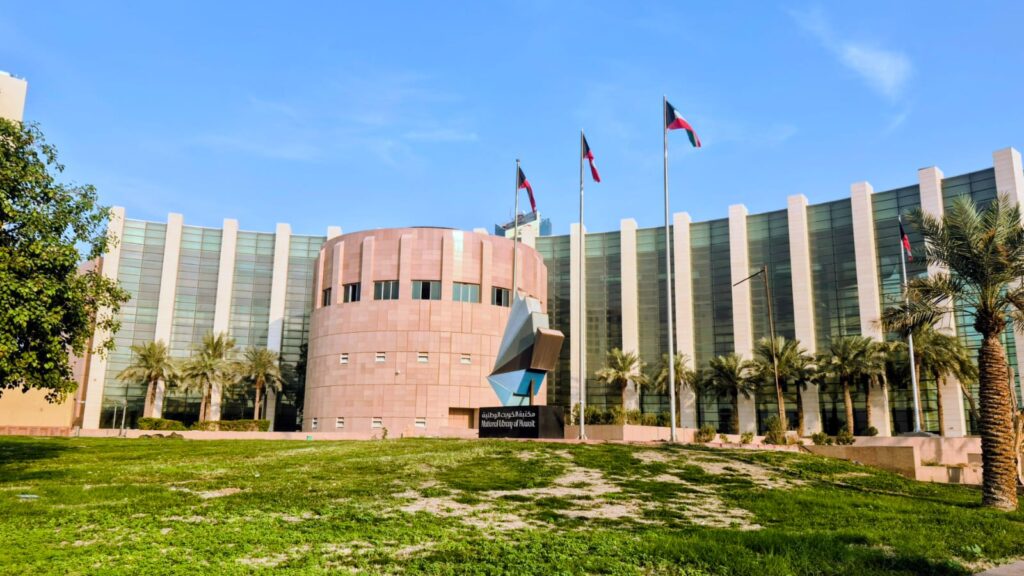
We also passed the Kuwaiti National Library and the Kuwaiti National Museum, both unfortunately closed because it was Sunday.
Next, we headed to the Al Hamra Tower, the tallest building in Kuwait at 1,358 ft and one of the tallest stone-clad skyscrapers in the world.
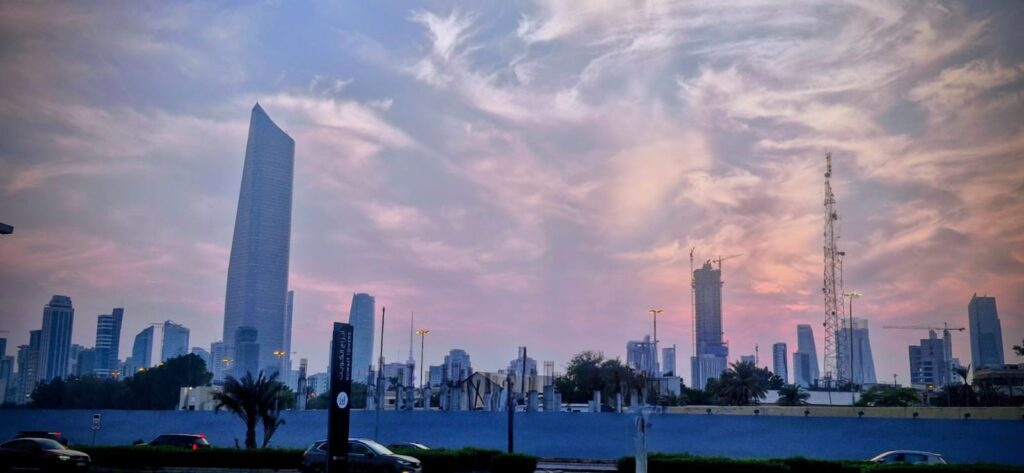
Entrance is free, but to reach the observation deck on Floor 55, visitors must request access at Reception.
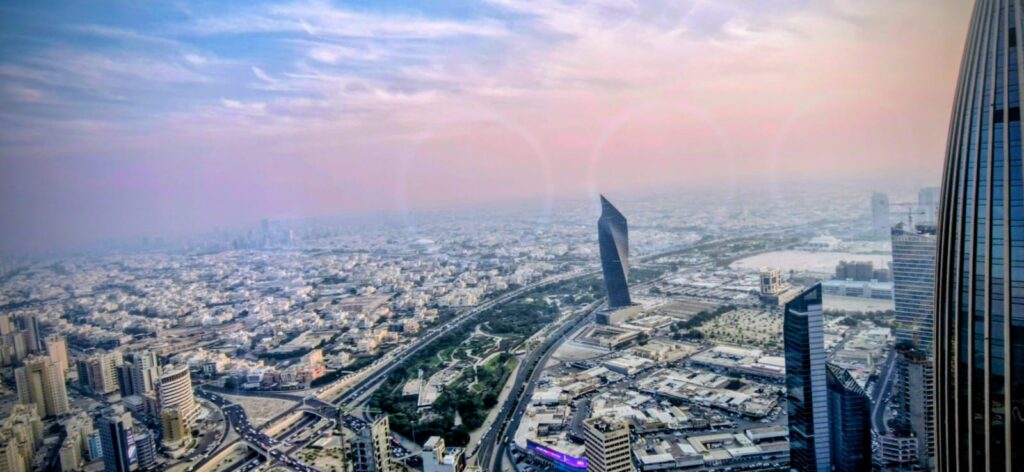
A security guard accompanied us upstairs. The views were excellent — Kuwait City spread out in every direction, with the Kuwait Towers clearly visible.
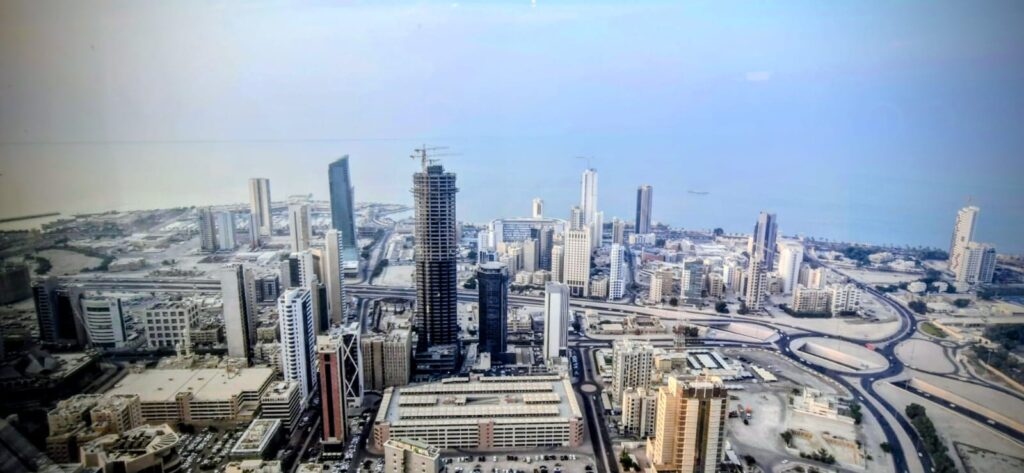
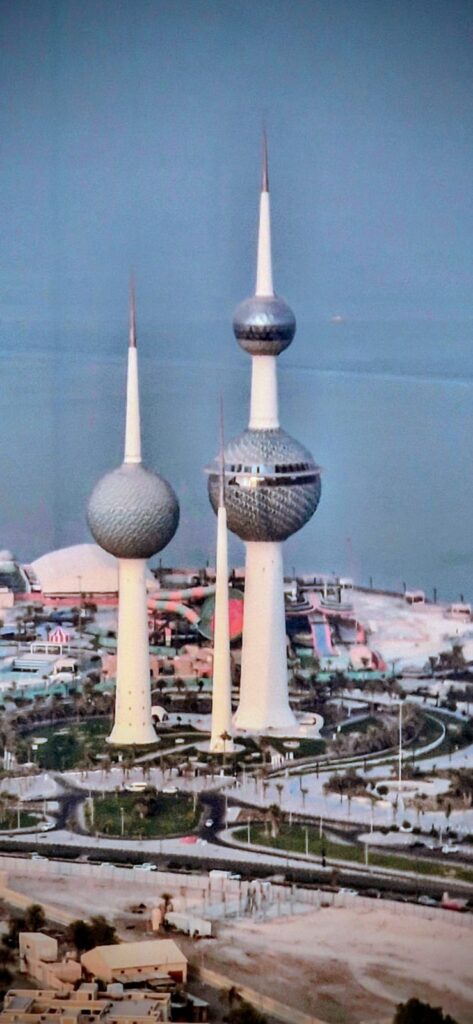
Kuwait Towers, often called “the globes,” form part of the country’s water-storage system and were completed in 1979. They have become a symbol of modern Kuwait.
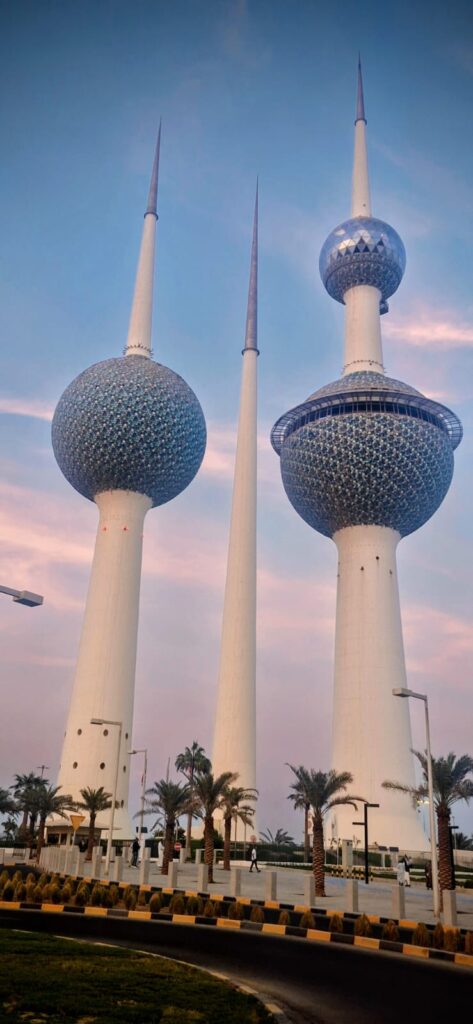
I went up to the Kuwait Towers observation deck for another panoramic look at the city — the Al Hamra Tower looked fantastic from that angle as well.
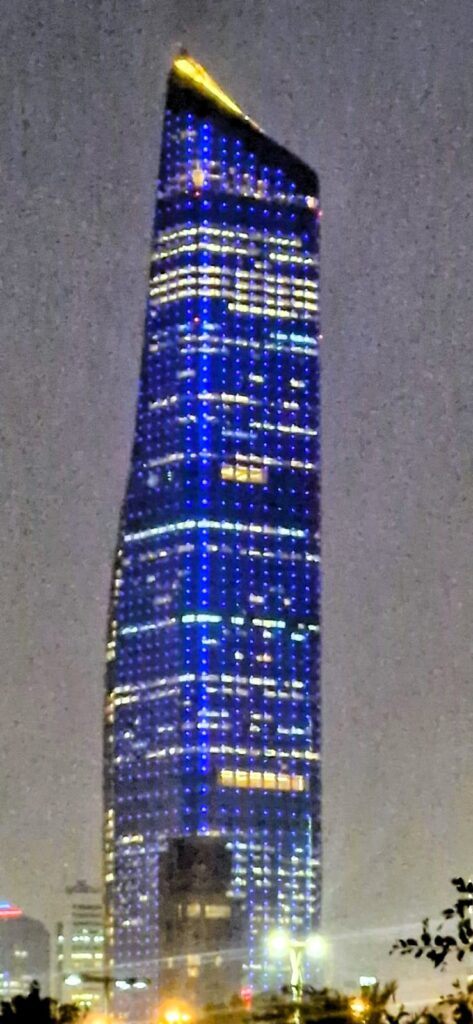
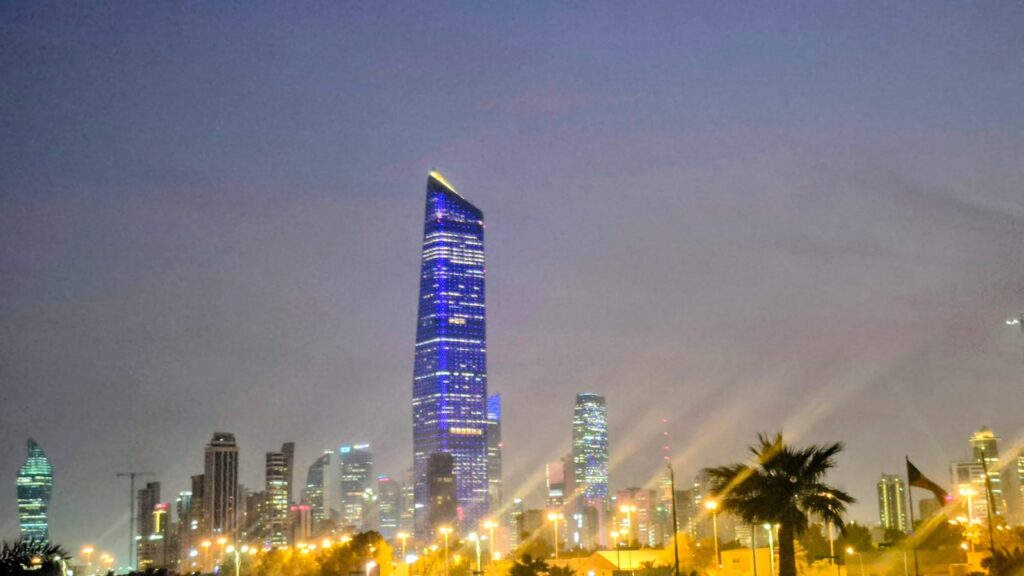
Meanwhile, Anu stayed below and got some great shots of the towers and the city skyline from ground level.
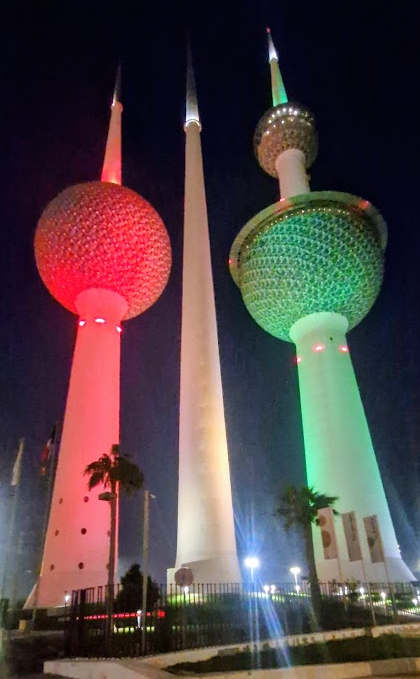
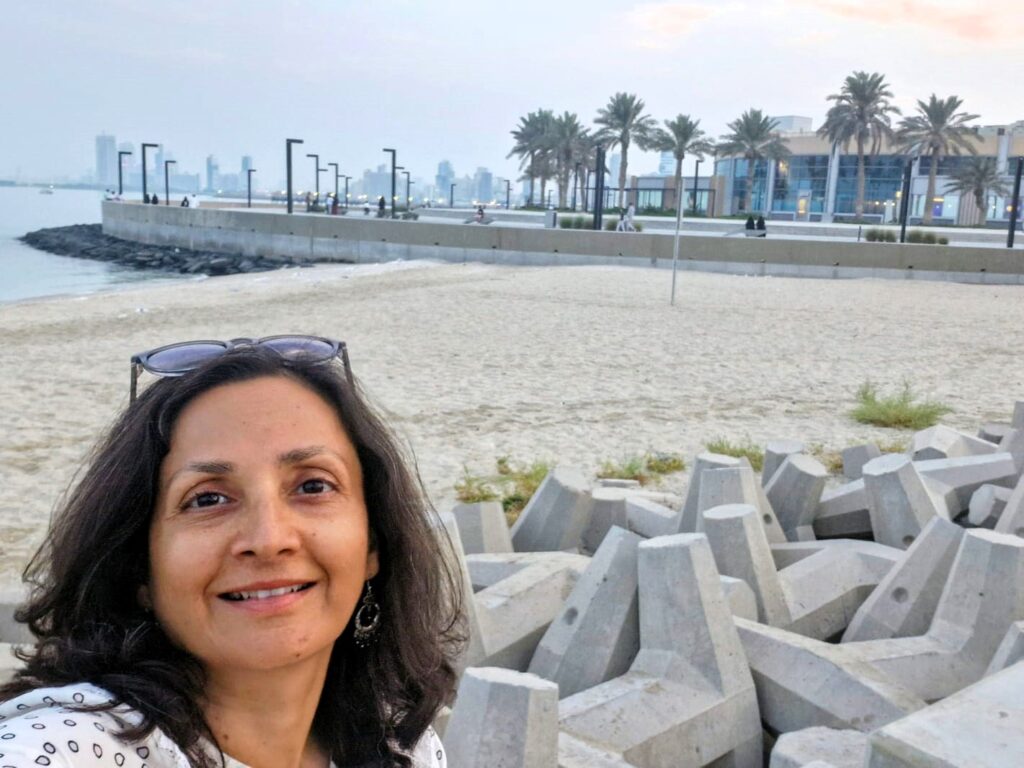
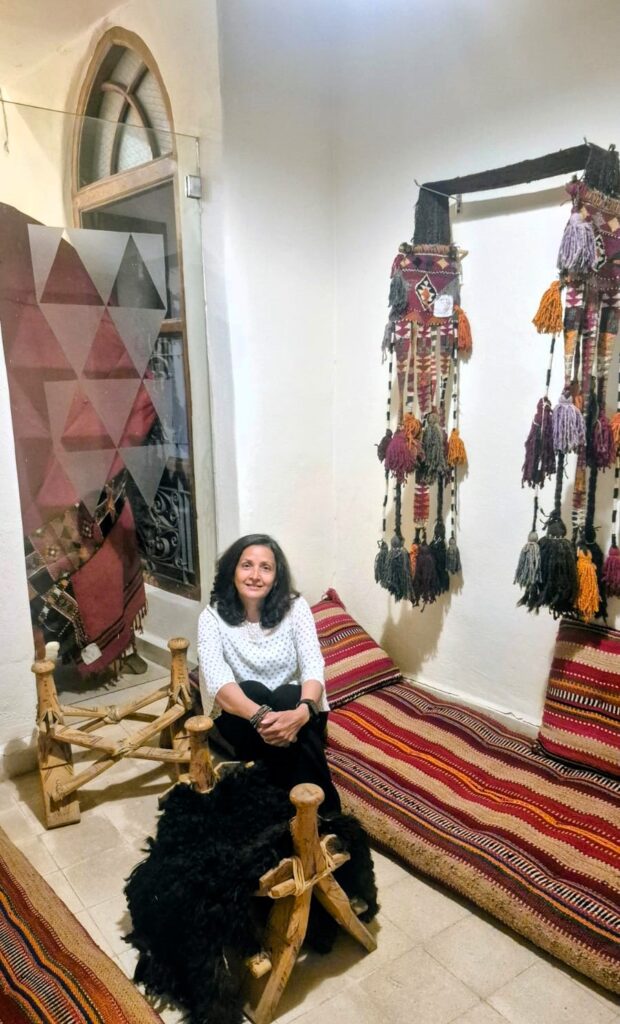
From there, we visited Sadu House, originally built in 1936 and transformed in 1980 by the Al Sadu Society to preserve traditional Bedouin weaving.
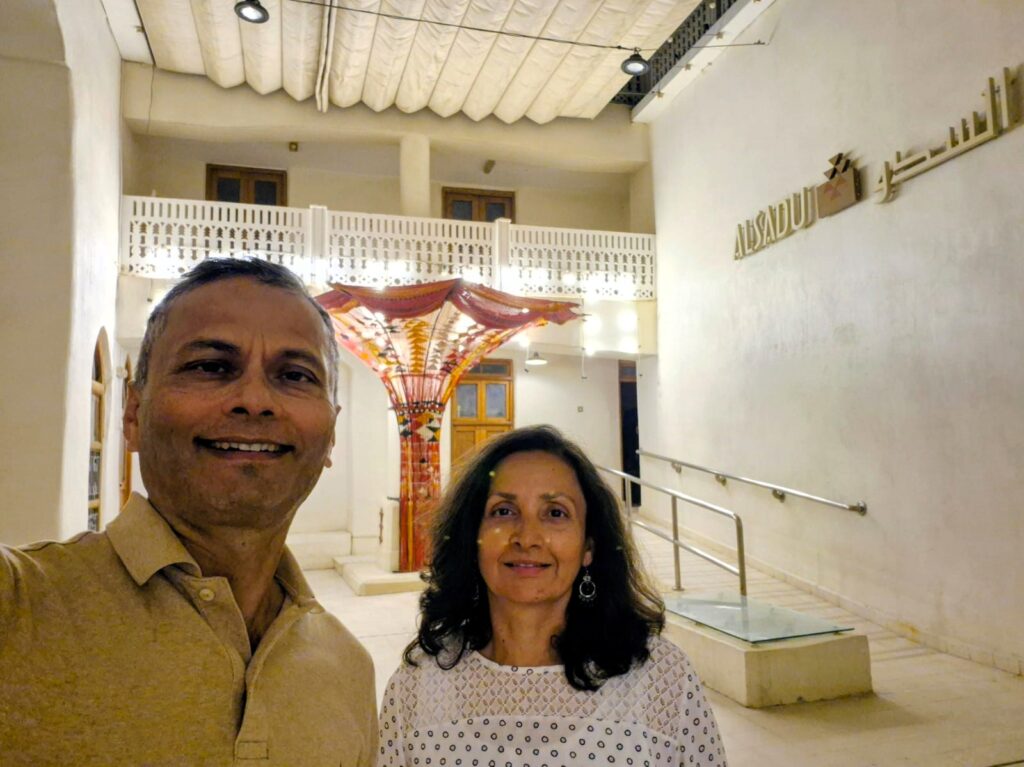
“Sadu” is a geometric embroidery technique practiced by Bedouin women, usually in bold red and black patterns. When we visited, several women were engaged in crochet and weaving work. Entry is free, and although the building is small, it offers interesting insight into Bedouin lifestyle and craftsmanship.
We took a taxi next to the Sheikh Jaber Al-Ahmad Cultural Center — an area with cafés, restaurants, a water fountain, and the opera house.
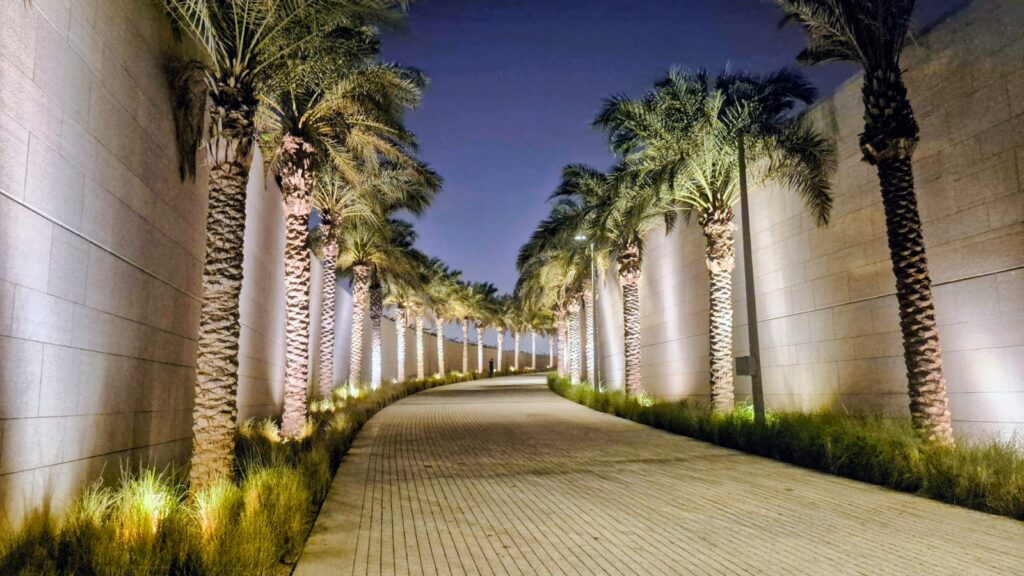
Only the dining areas were open, but the place had a very refined feel, with many high-end restaurants and modern design.
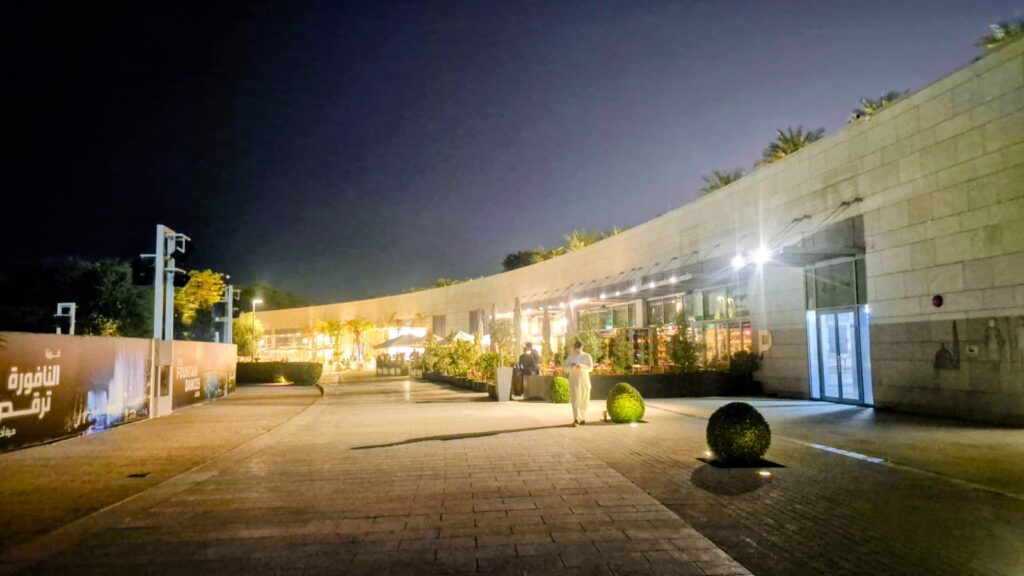
Then we headed to Souq Al Mubarakiya, one of the most popular traditional markets in Kuwait.
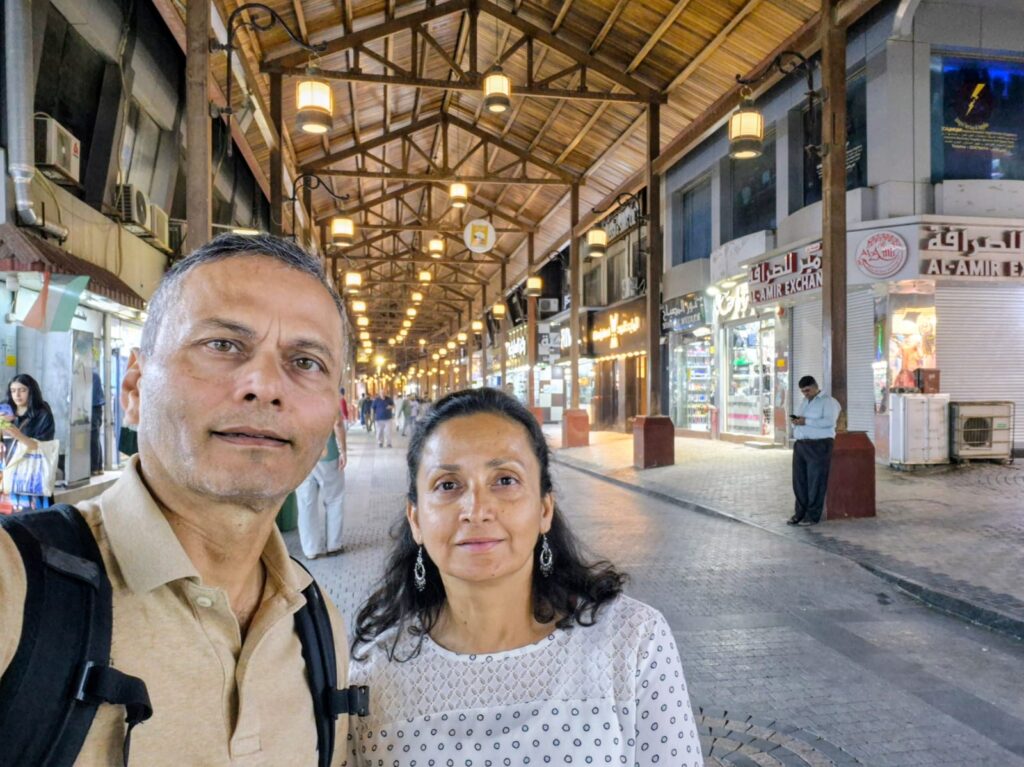
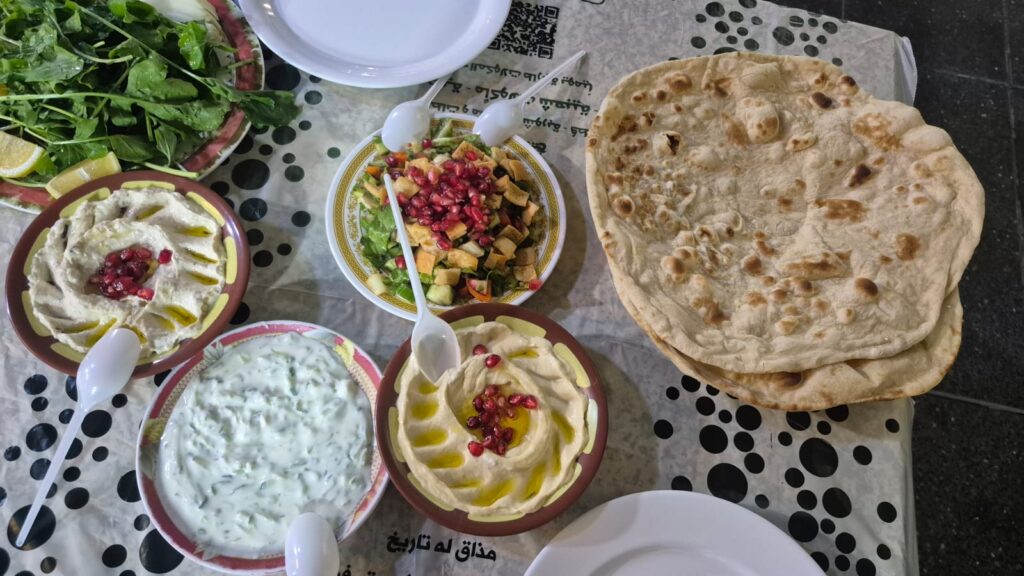
The souq is a maze of stalls selling perfumes, clothes, electronics, spices, and street food. We ate some excellent Middle Eastern food here — the Fattoush salad was delicious.
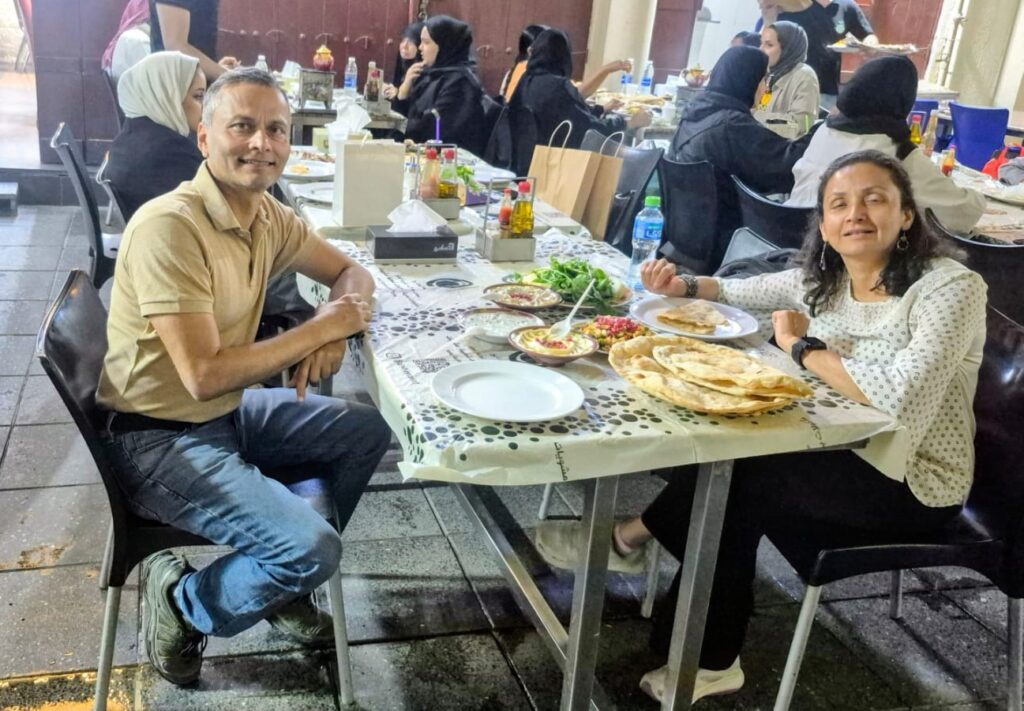
We preferred these informal local eateries over fancy restaurants.
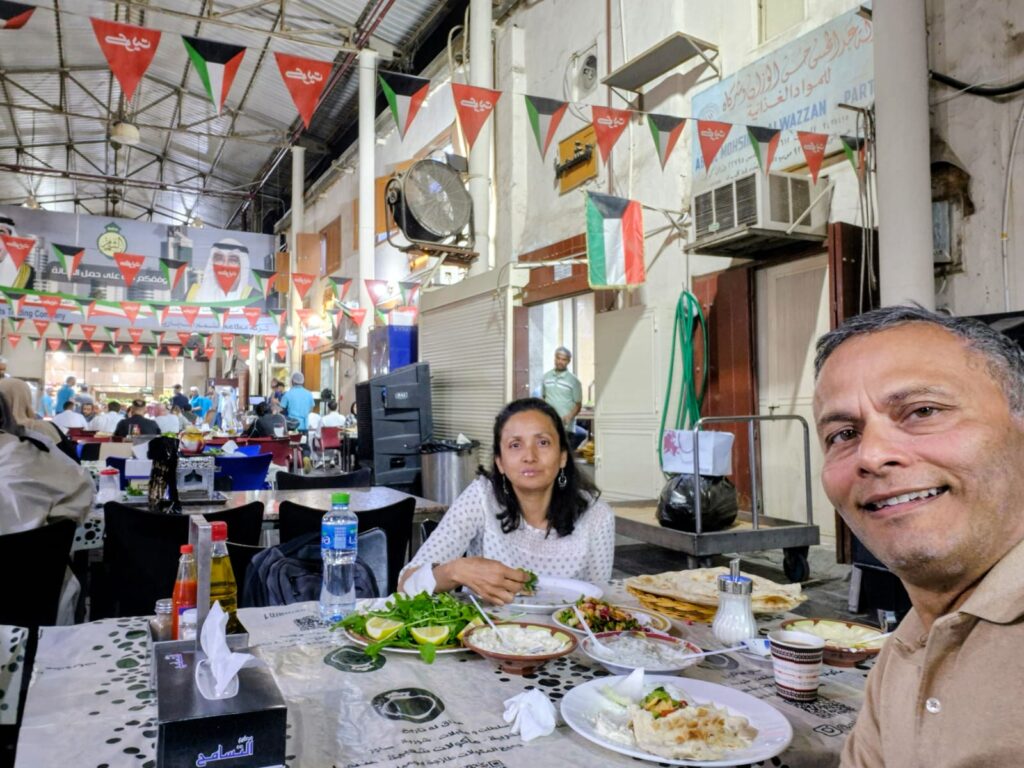
One nice thing about travelling in the Middle East: vegetarian food is very easy to find — hummus, baba ghanoush, falafel, pita, yoghurt dips, etc., are everywhere.
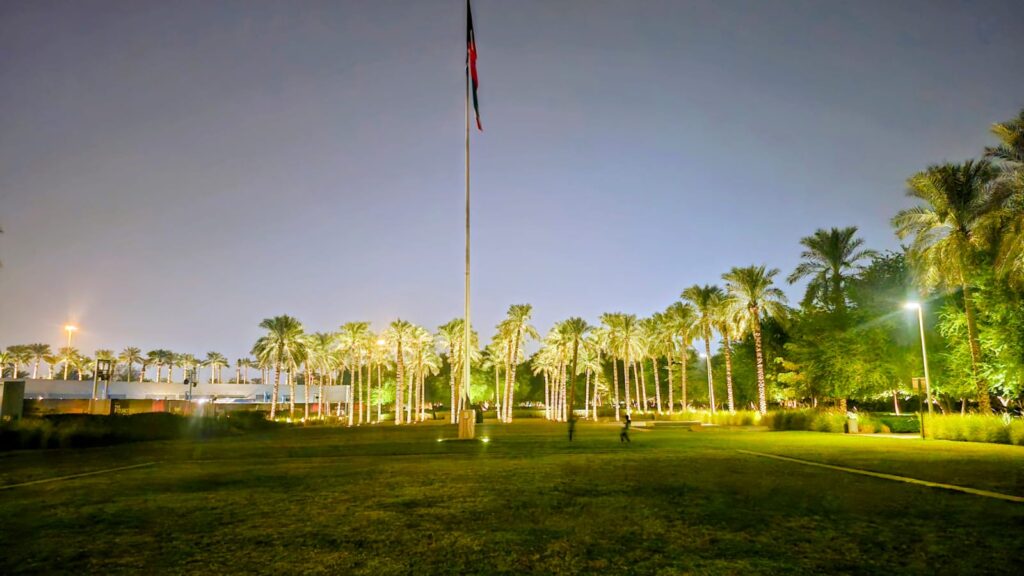
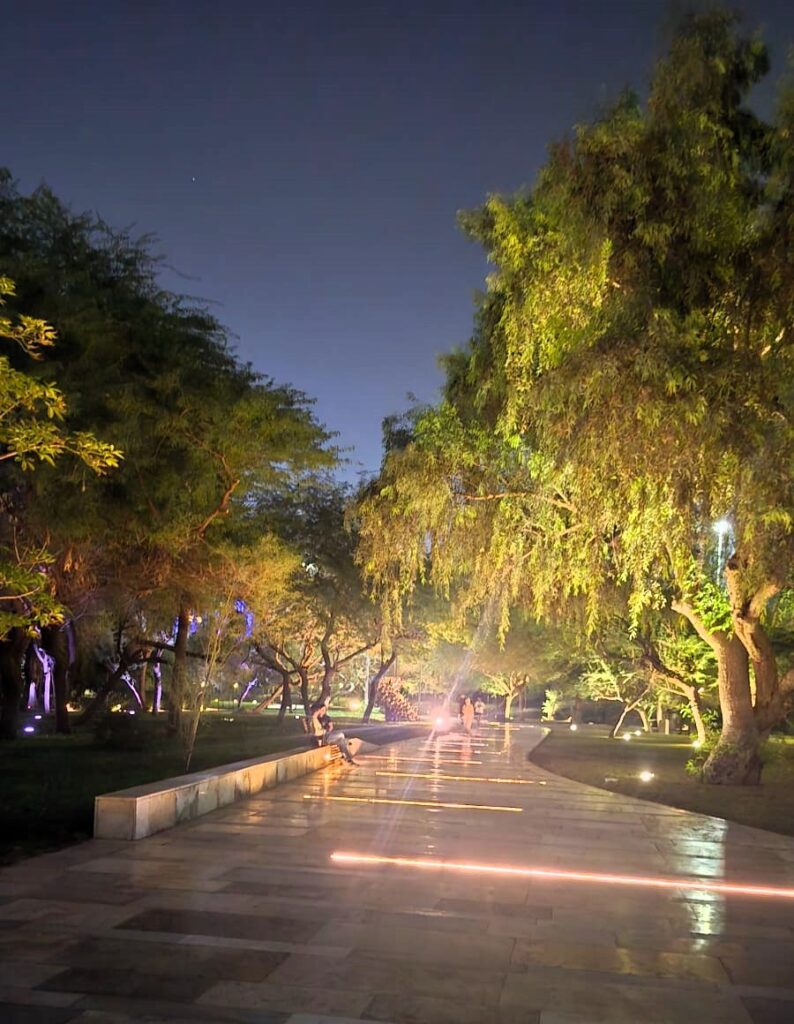
Our final sightseeing stop was Al Shaheed Park, a 79-acre urban park with walking tracks, skate paths, gardens, open spaces, and cafés.
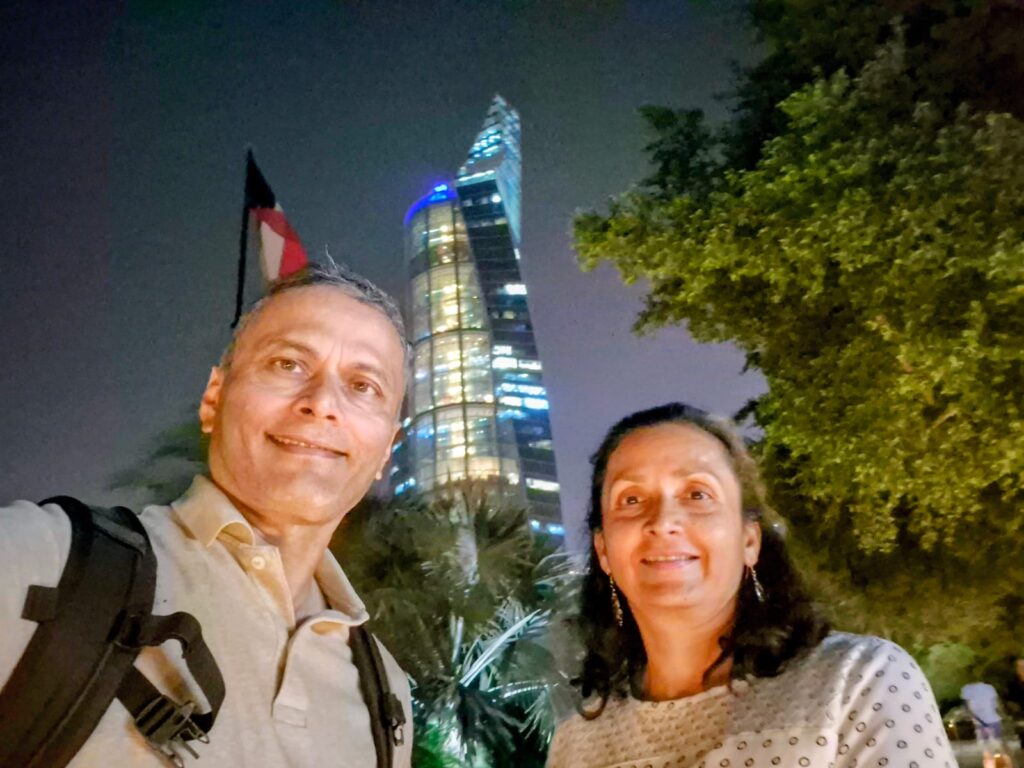
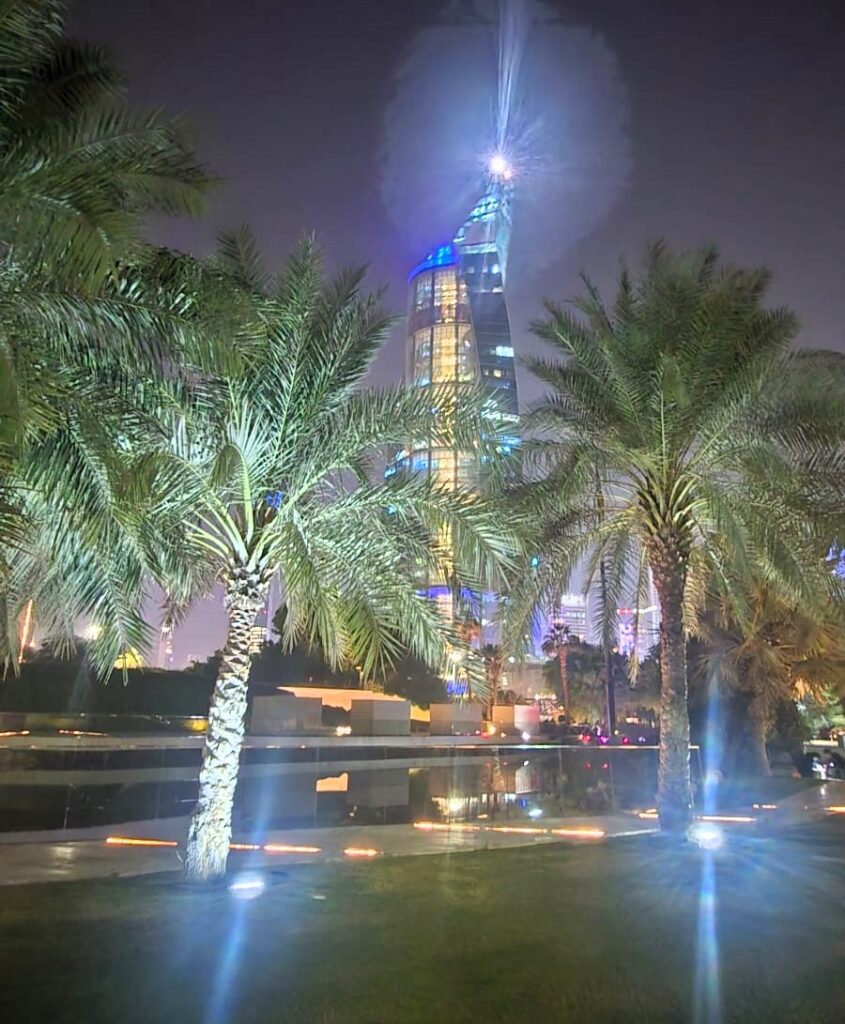
It originally appeared in Kuwait’s 1952 master plan, but it was not opened to the public until 2017. Definitely a must-visit.
The last destination for the day was The Avenues Mall — the second-largest mall in the Arabian Gulf, spread across 1.2 million sq. meters and home to 1,400 stores.
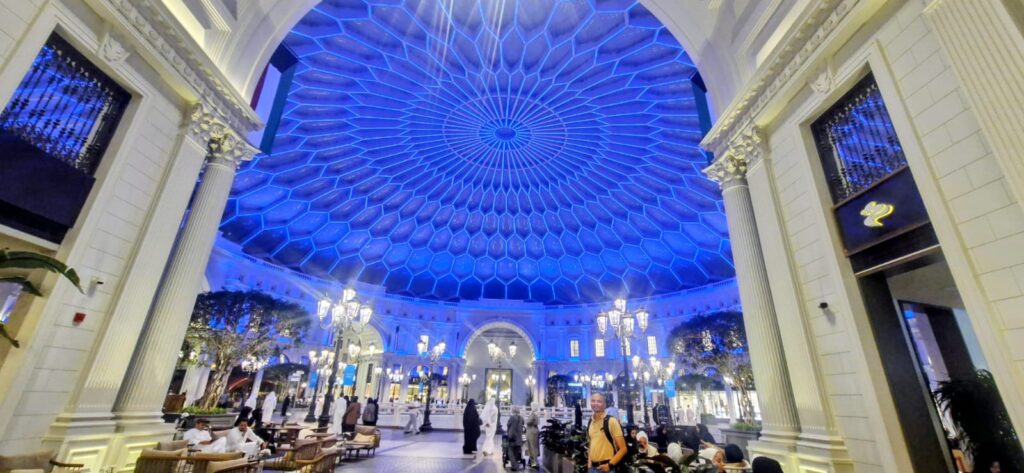
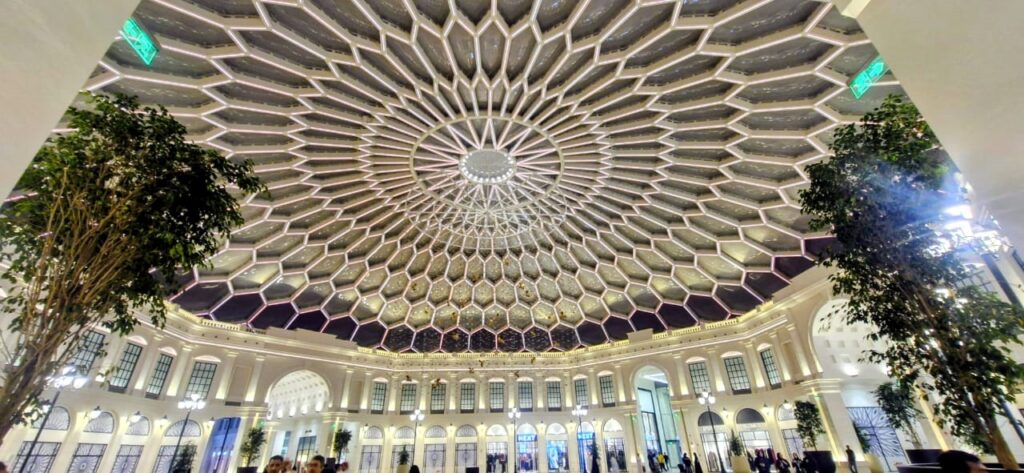
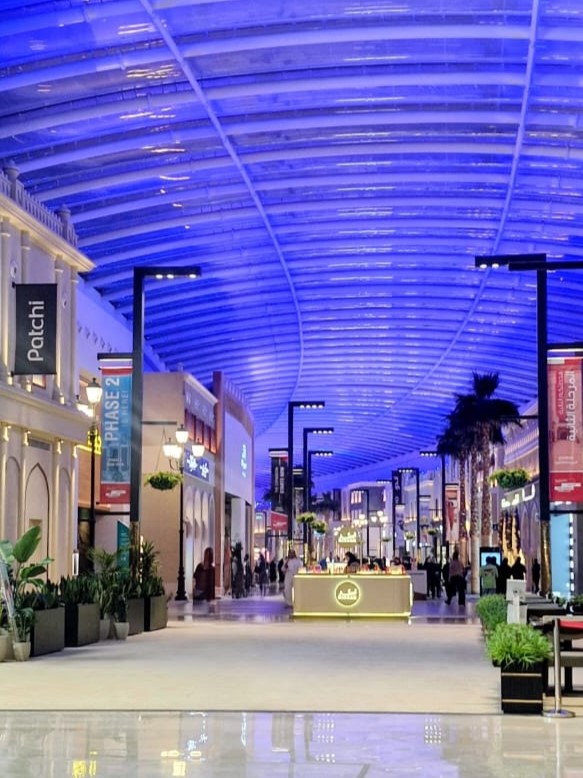
Each section of the mall is built in a completely different architectural theme — almost like walking through cities from around the world.
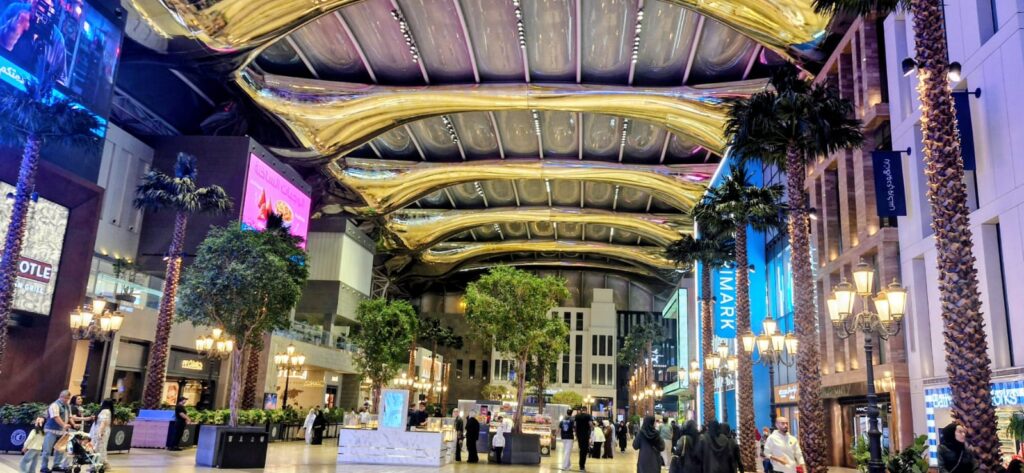
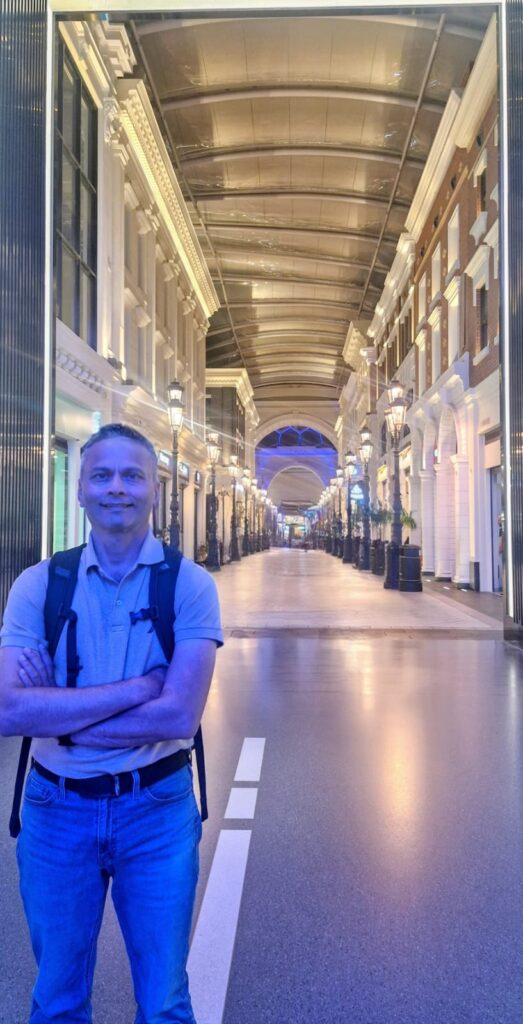
Normally, Anu and I do not enjoy malls, but this one was interesting enough that we ended up exploring it for an hour.
We realised by the end of the day that Middle Eastern desert cities look far more attractive at night — daytime colors are mostly tan and sandy, but once the temperature cools and the lights come on, the city looks much livelier and more vibrant. Kuwait was no exception.
We reached our hotel around 9:30 pm and went to bed around 10:15 pm.
Day 6: Monday, November 10 — Kuwait → Bahrain
We woke up to a beautiful sunrise over the Arabian Gulf, visible right from our hotel room — a peaceful way to begin the day.
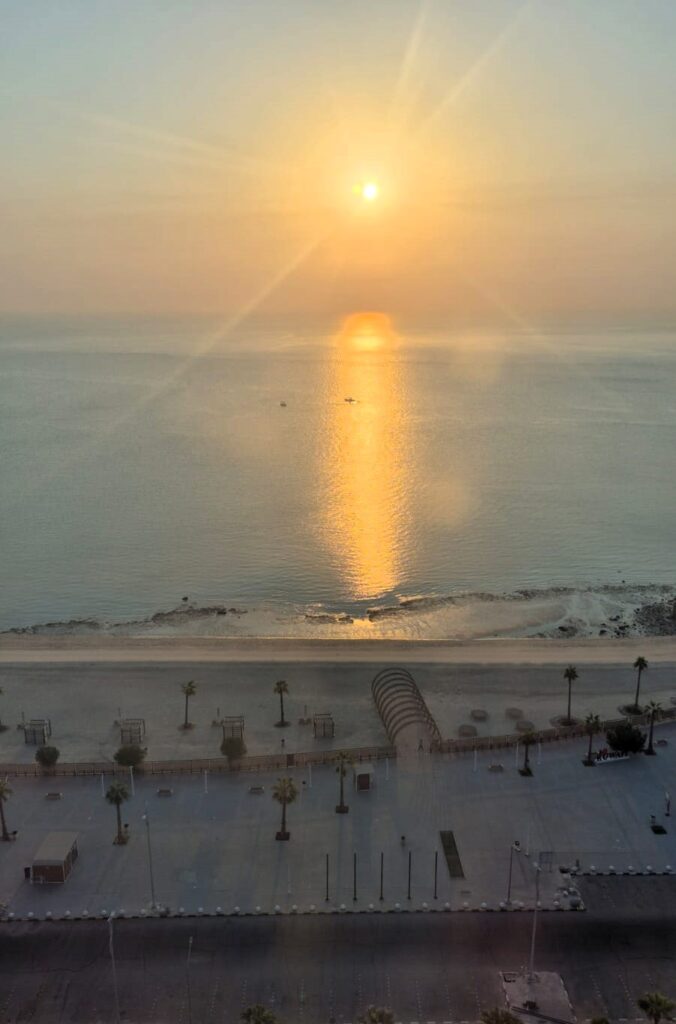
Our flight from Kuwait to Bahrain was at 12:15 pm on Jazeera Airways. (“Jazeera” in Arabic means island or peninsula — a land surrounded by water.)
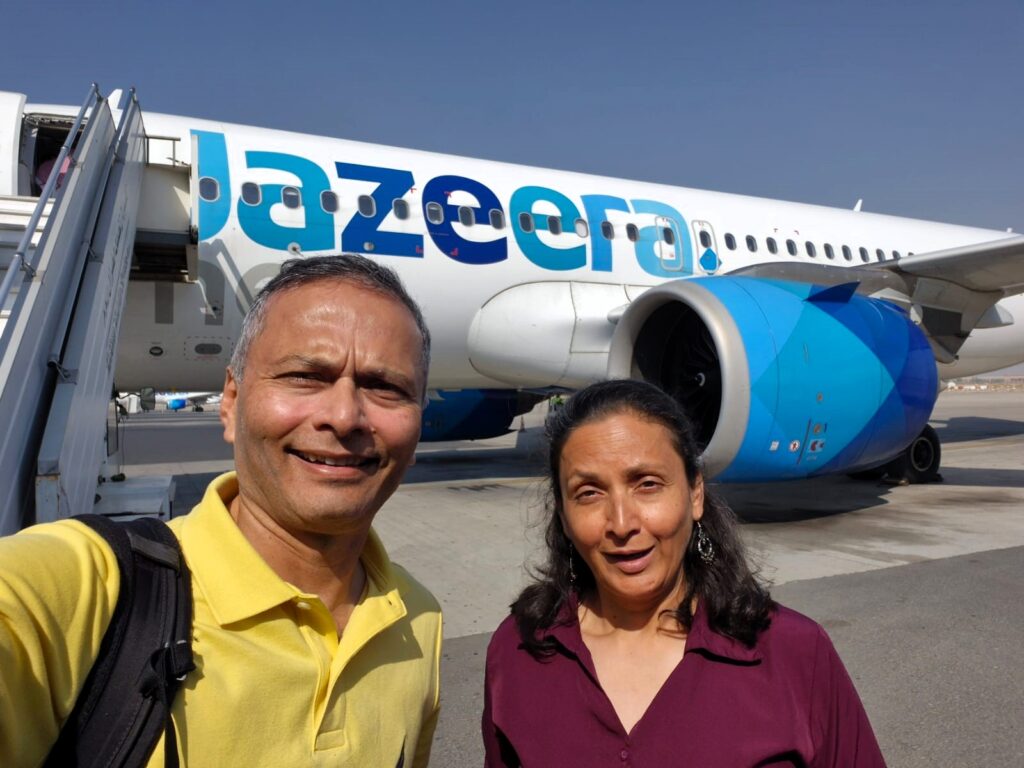
Kuwait is the main hub of Jazeera Airways, and the short flight landed in Bahrain at 1:15 pm. Kuwait was not as modern as we had expected. Here is a summary of our observations about Kuwait.
Observations about Kuwait
- Kuwait Airport was very crowded and not very classy. App-based taxis are not allowed to pick up passengers from the airport.
- Kuwait City did not look as classy as Riyadh or Jeddah, but at night, the financial district looked impressive. Overall, the city has a slightly old appearance.
- 1 KWD = 3.25 USD. Because the currency is so strong, Kuwait uses three decimal places (1 dinar = 1000 fils). Example: tea priced at KWD 0.220 (220 fils). Prices look low but are not — KWD 2.200 for a taxi is ~USD 8.
- There is a large Malayali (Kerala) population in Kuwait.
- Kuwait was liberated after the Iraqi invasion in the Gulf War (1990–91).
- Many Indians migrated to Kuwait since the 1980s, when development had barely started.
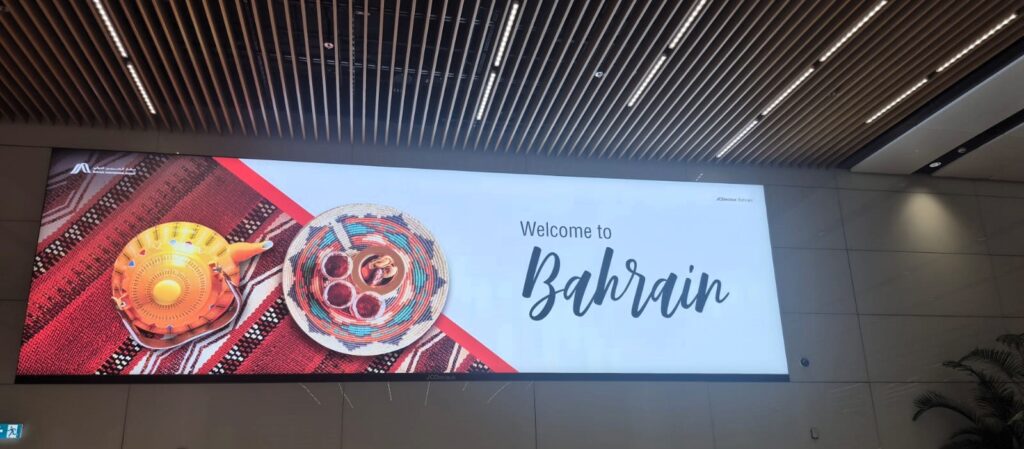
Immigration at Bahrain was very smooth. They just charged a 5 Bahrain Dinar fee (About $13) and let us through.
We checked into the Hilton Bahrain, where we were given a huge room with a balcony on the 33rd floor.
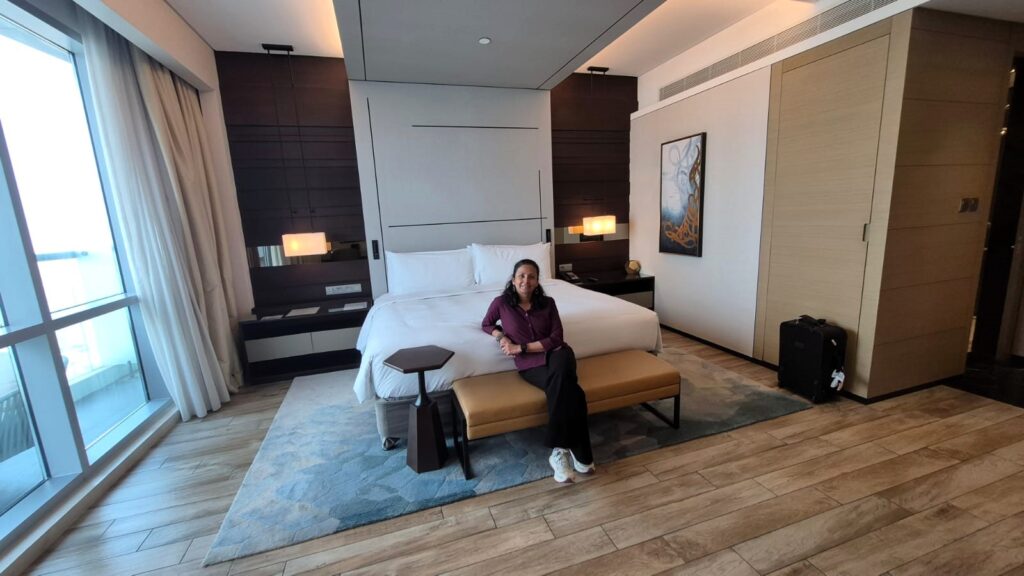
The view of Manama, Bahrain’s capital, from that height was fantastic — glass towers, waterfront developments, and the haze of the Gulf in the distance.
After checking in, I immediately visited the Bahrain National Museum.
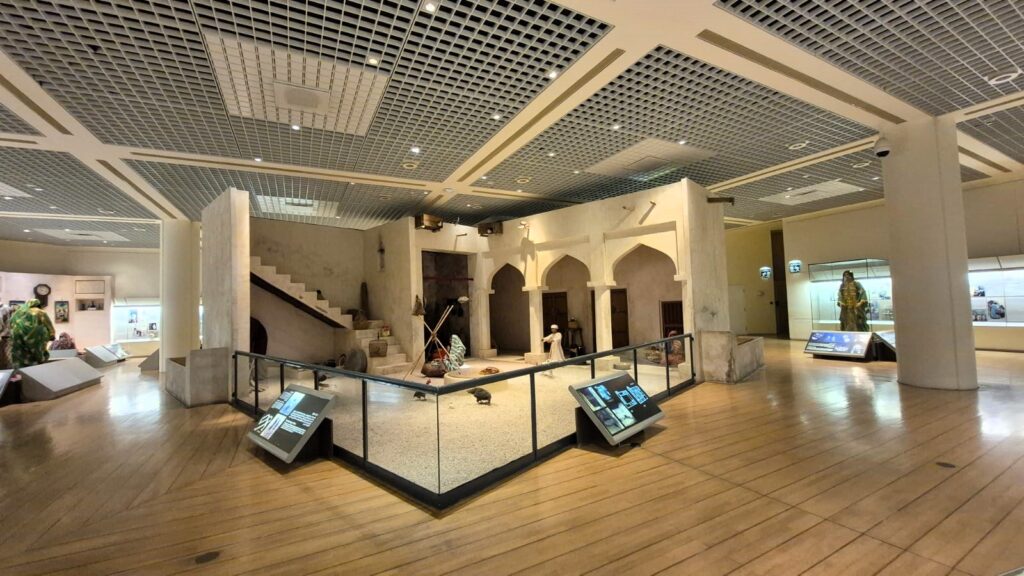
Some sections were closed, but the exhibits on the Dilmun civilization and the history of Arab life and clothing were excellent.
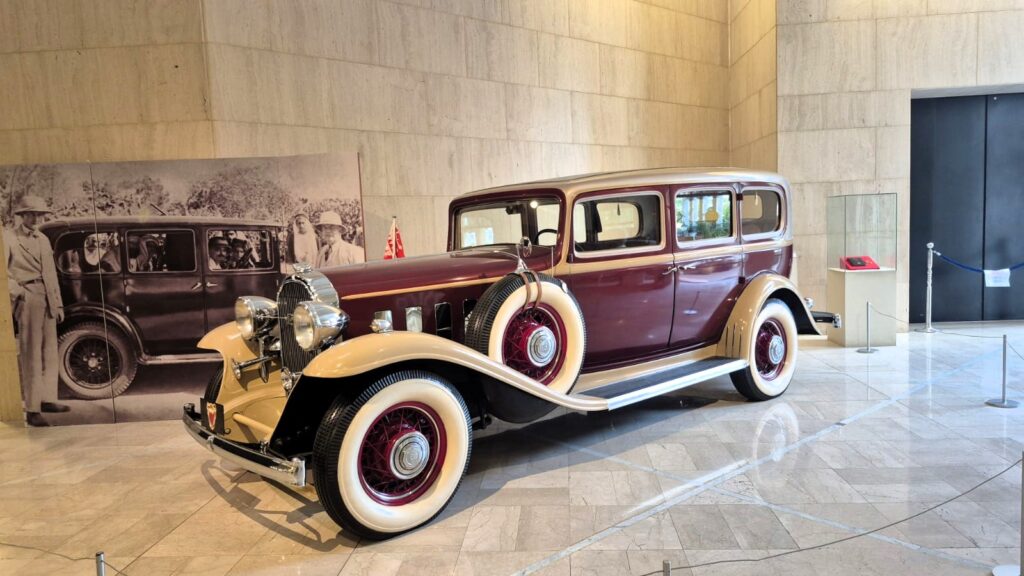
The museum was absolutely worth a visit, and I also realized how many cultural elements in the Arab world resemble aspects of Indian culture.
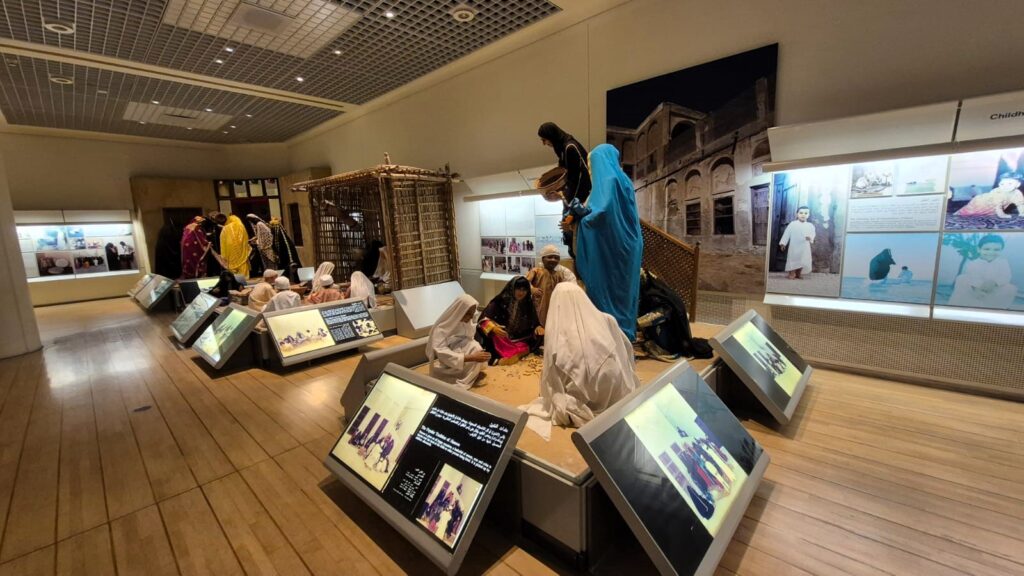
Dilmun was an ancient independent trading civilisation centred on Bahrain around 2000 BCE. It flourished because of its position on the trade routes linking Mesopotamia and the Indus Valley, and was described in Mesopotamian texts as the “Land of the Living.” Archaeologists have uncovered extensive Dilmun burial mounds, evidence of its wealth and well-organized society.
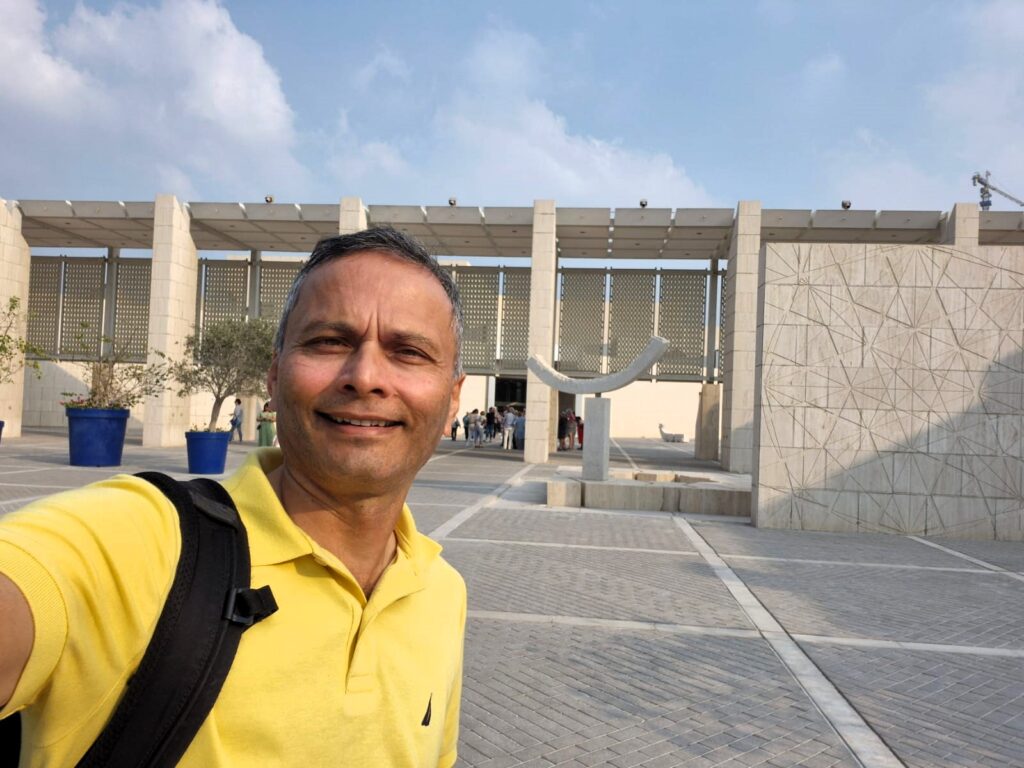
It was fascinating to learn that Bahrain was once the center of such a major civilization.
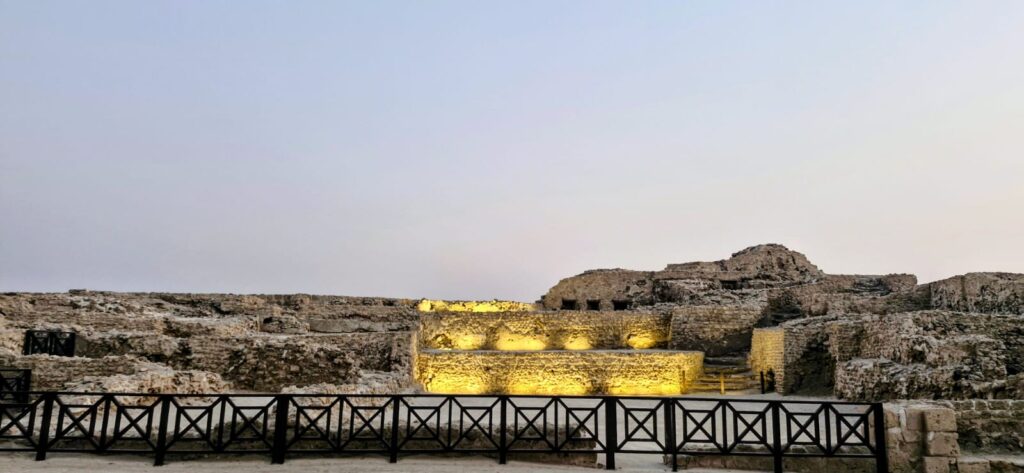
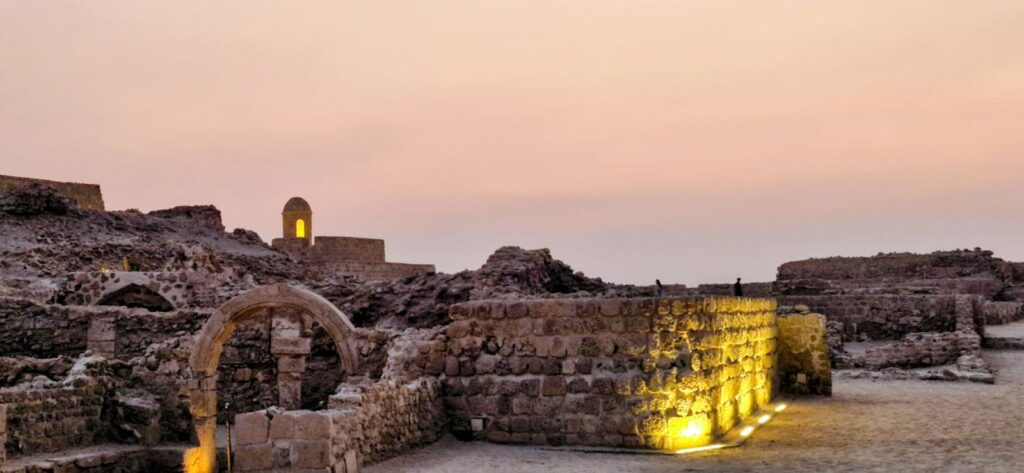
In the evening, Anu and I visited the Bahrain Fort.
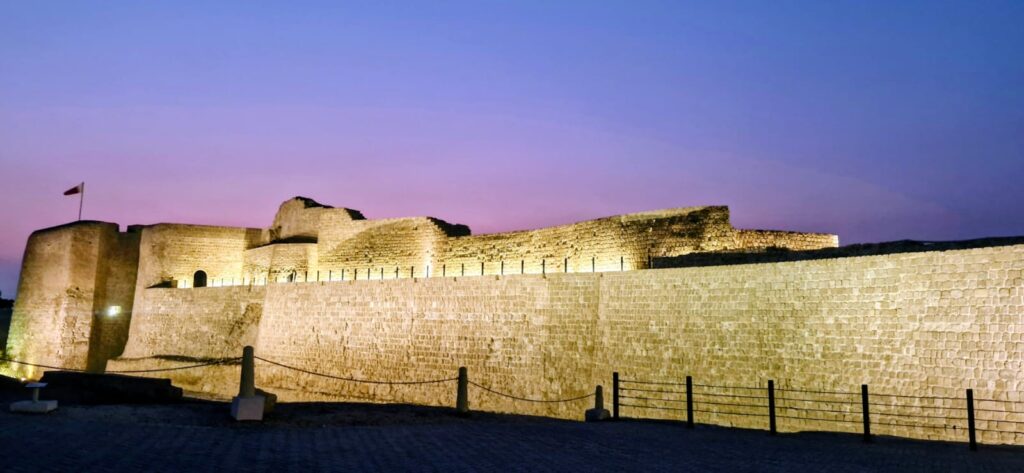
I had never known that the Portuguese ruled Bahrain at one point, but this fort was built during that era and remained under Portuguese control until 1602, when they were driven out by the Iranian Safavid dynasty.
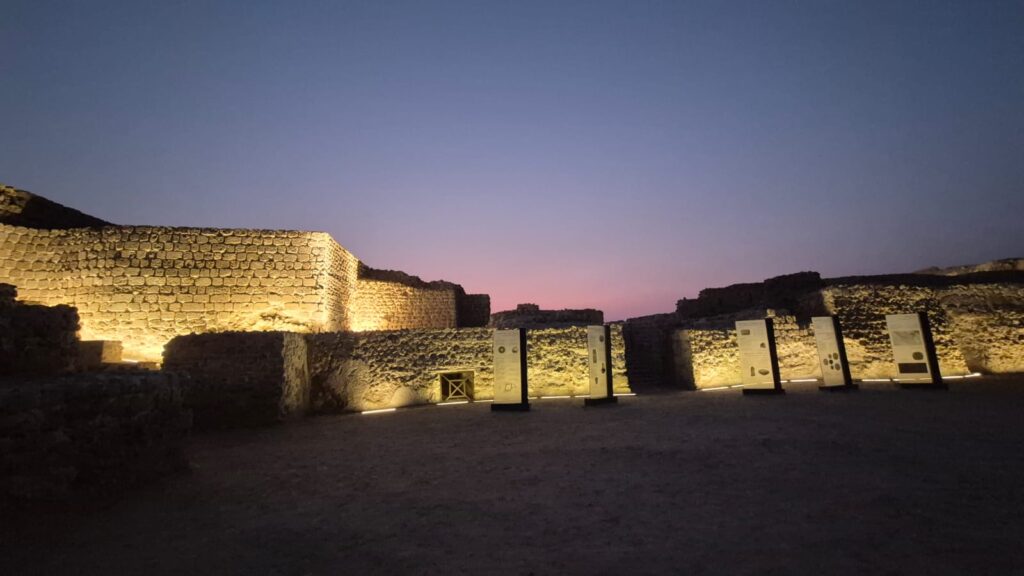
Later, the Al Khalifa family began ruling Bahrain in 1783, and the country was a British protectorate until it gained independence in 1971.
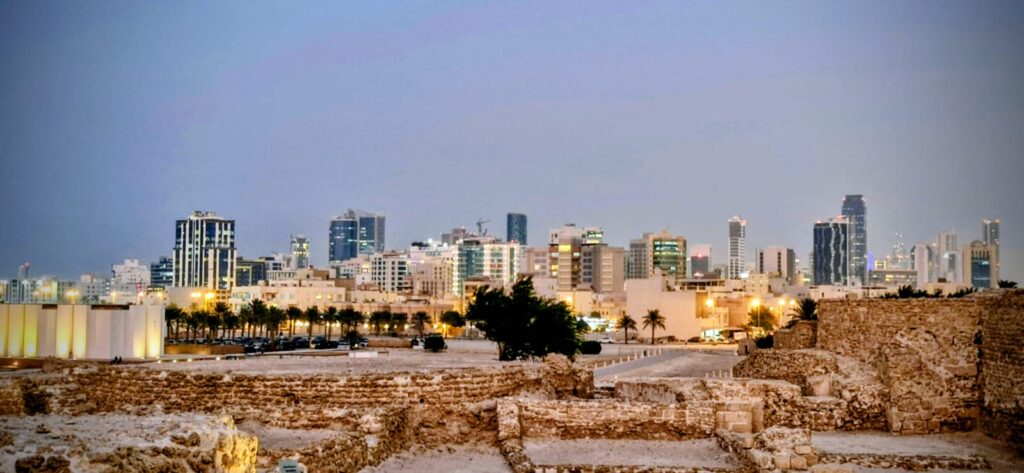
Walking around the fort at sunset gave a sense of how many layers of history the island has.
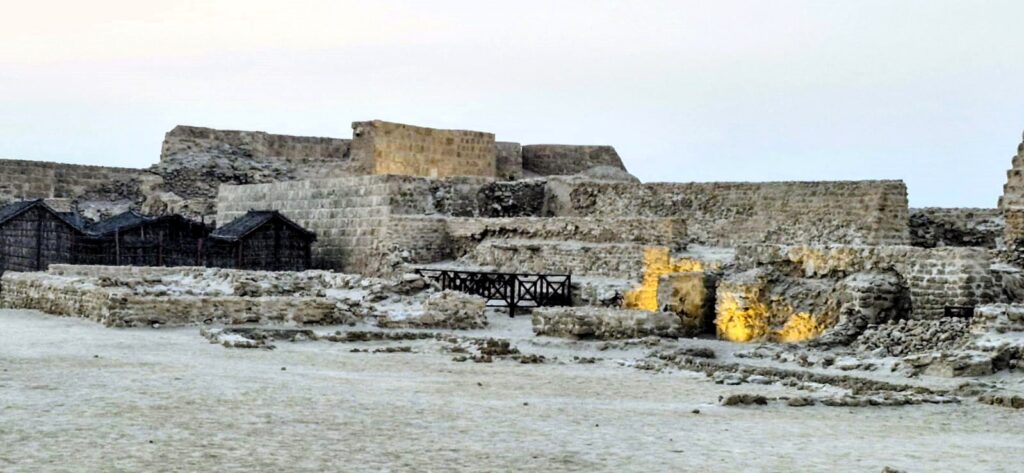
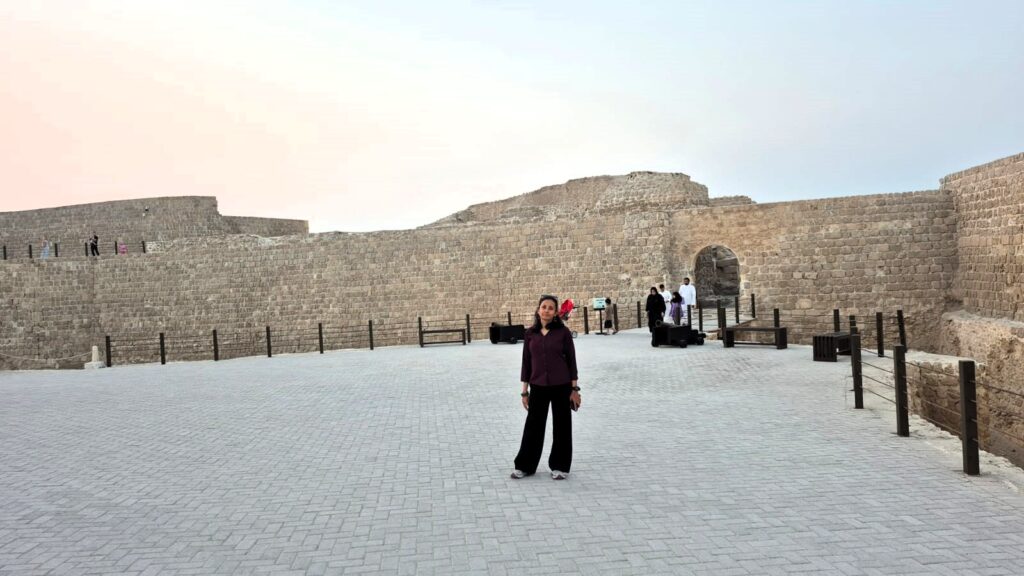
From the fort, we headed to the Manama Souq, a marketplace that appears on maps as early as 1926.
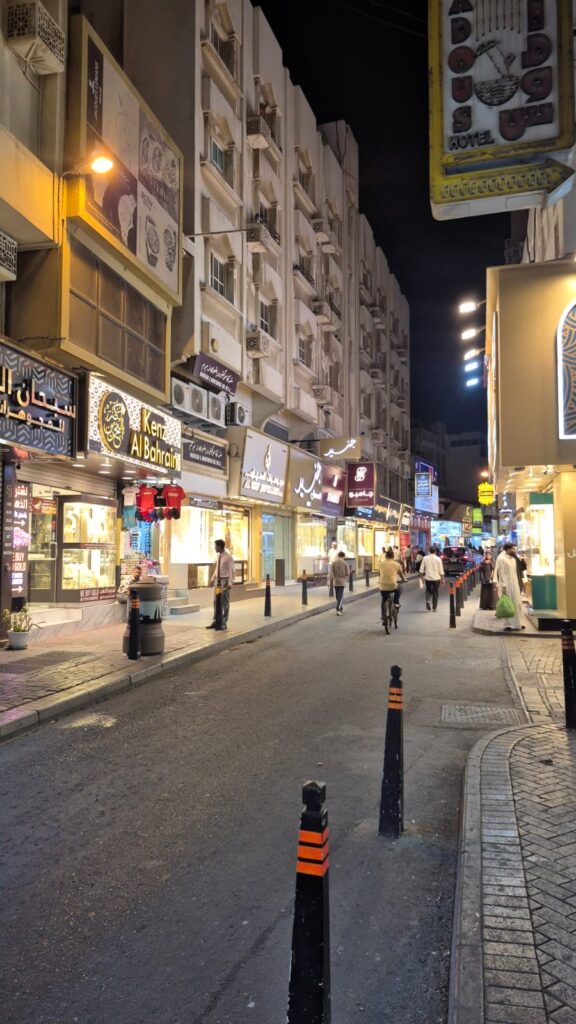
The souq has many Indian-owned jewelry shops, though mostly smaller items rather than big ornate pieces.
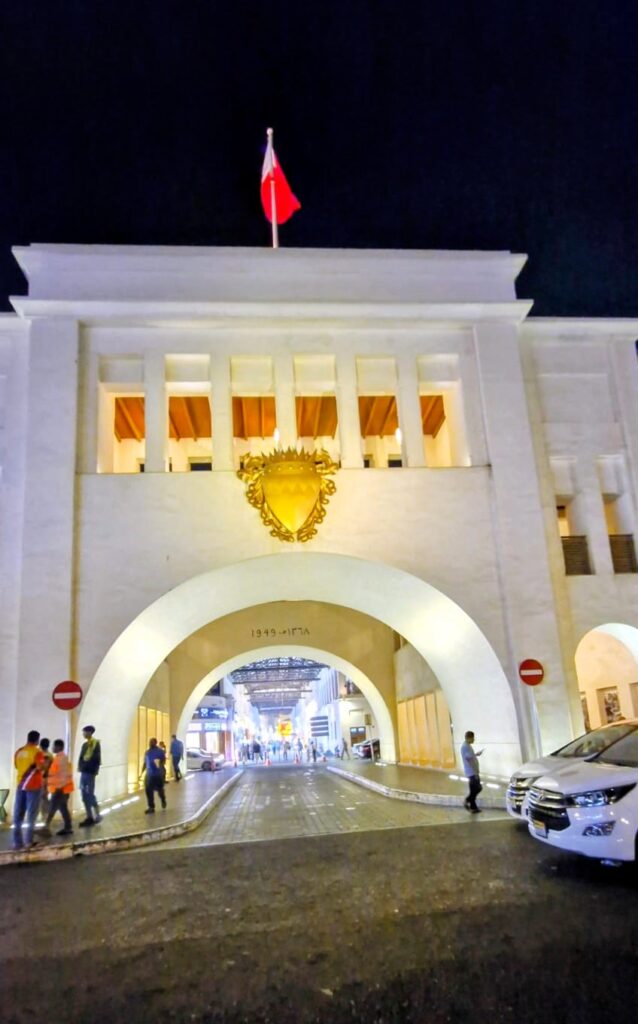
After exploring the souq, we had dosa and idli at Vrindavan Veg — a comfort meal after several days of travel.
We reached the hotel around 8:00 pm and slept early at 9:15 pm.
Day 7: Tuesday, November 11 — Exploring Manama & Southern Bahrain
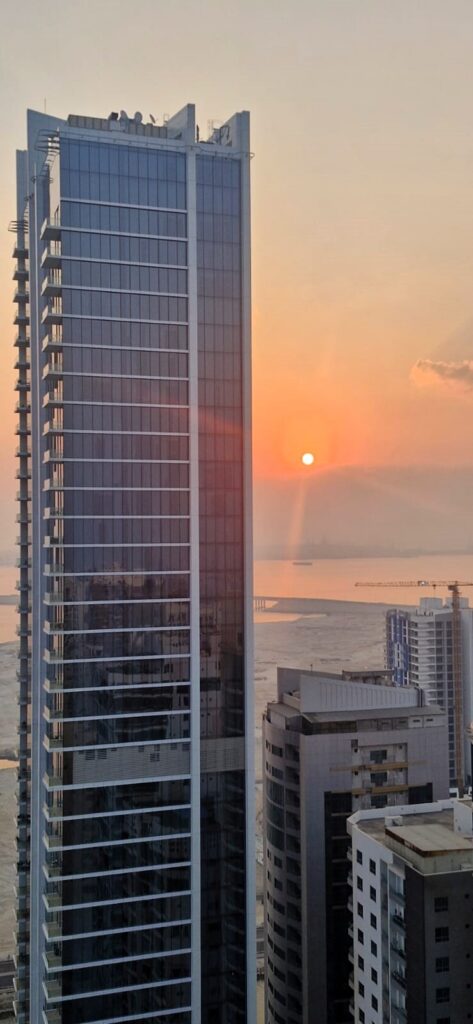
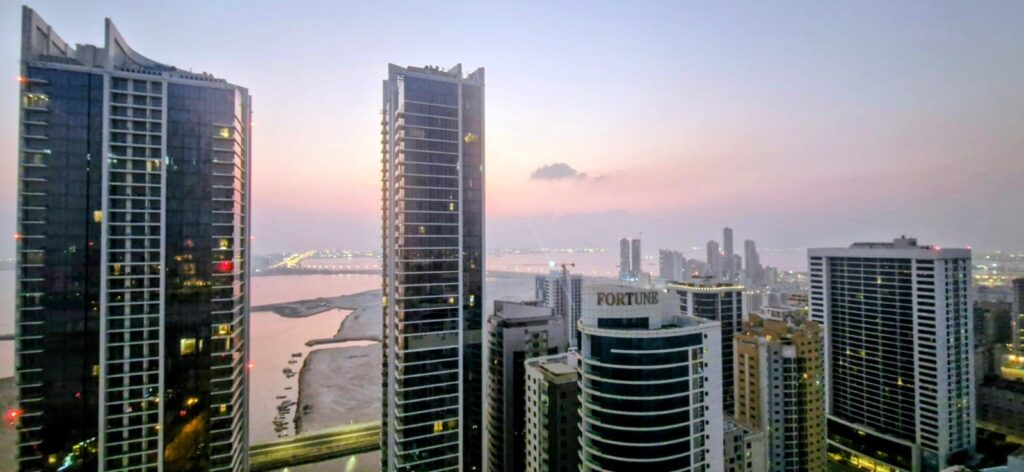
We woke up to beautiful views of Manama and Bahrain Bay as morning light hit the skyline.
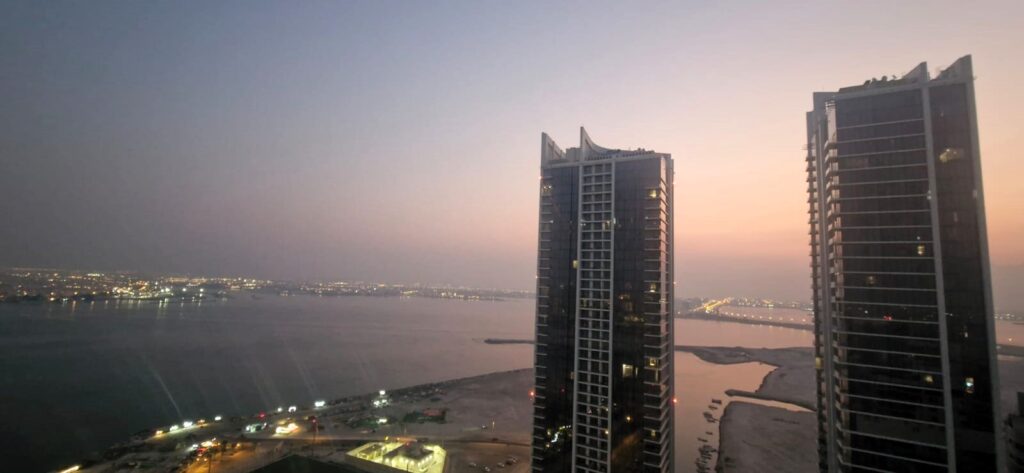
Interestingly, “Manama” in Arabic means place of rest or place of dreams — a name that fits the calm waterfront.
After a light breakfast, we started our day around 12 noon.
We had booked a taxi for five hours with Raj Bhatia, a Delhiite who has lived in Bahrain for 35 years. (Phone: +973-3303-7473). He arrived right on time at the Hilton.
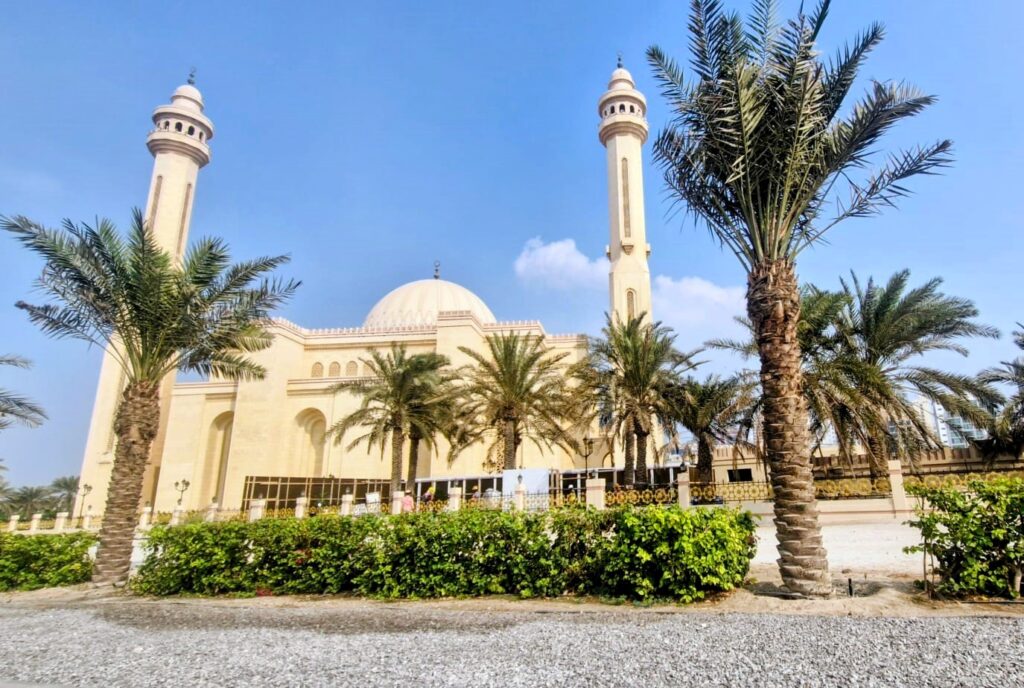
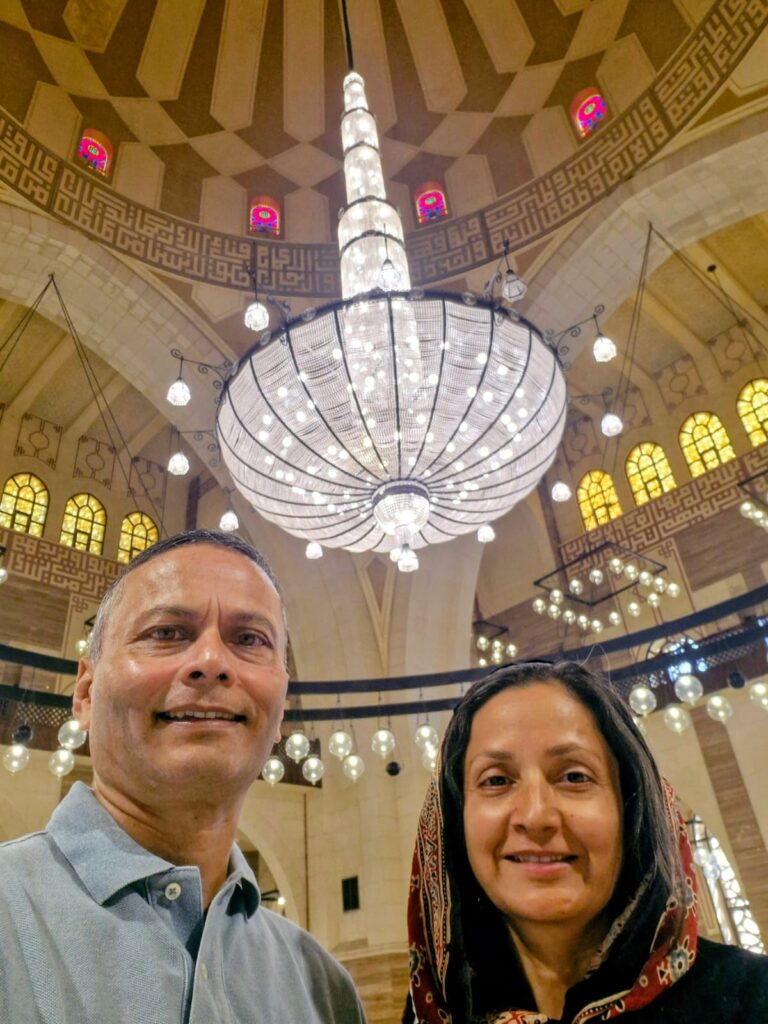
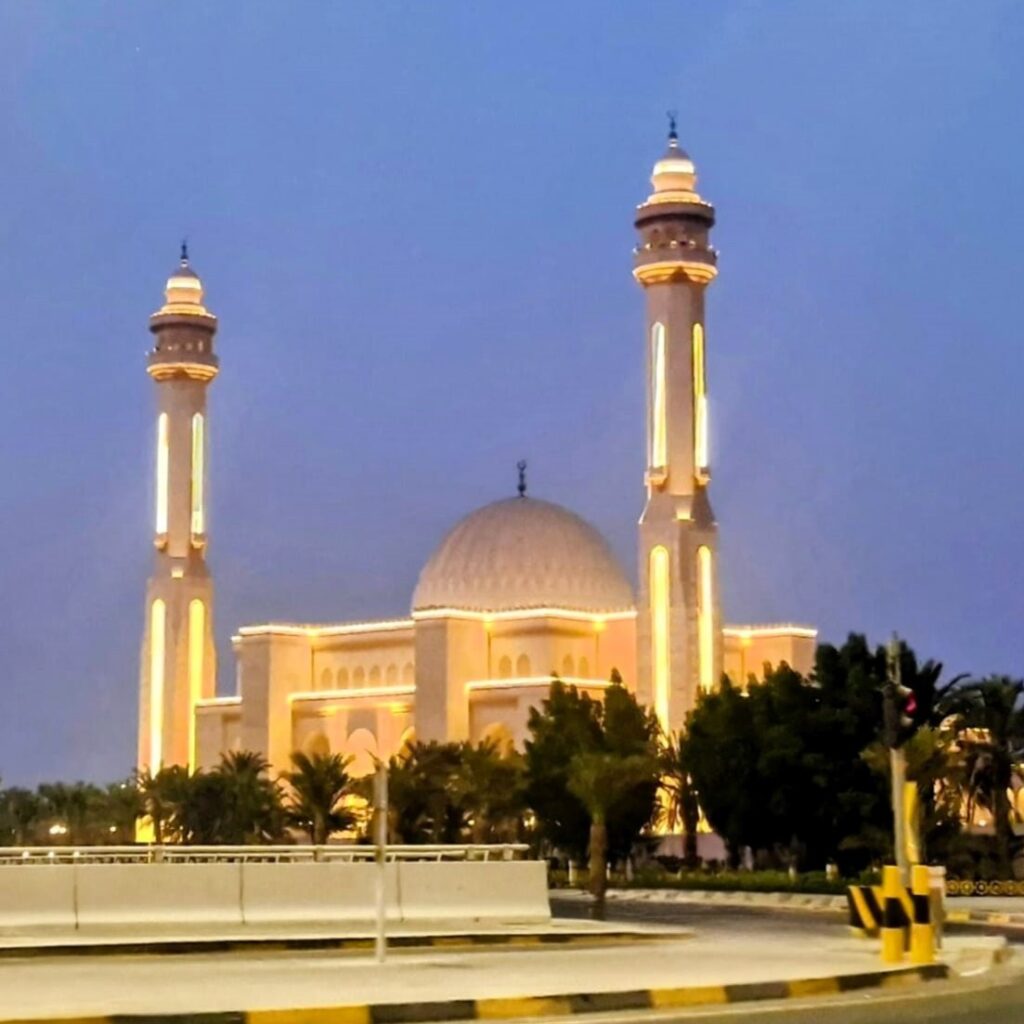
Our first stop was the Al Fateh Grand Mosque — the largest mosque in Bahrain. There is a guided tour of the mosque. In Bahrain, non-Muslims are allowed to enter mosques, unlike in Saudi Arabia.
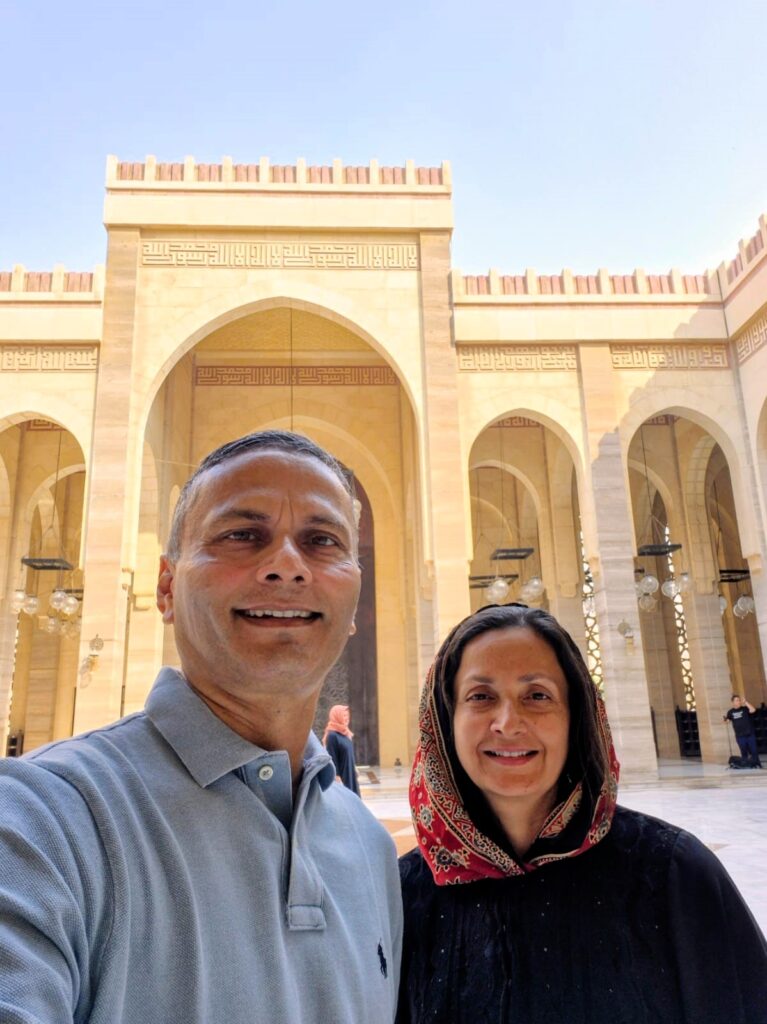
Completed in 1988, the mosque can hold about 7,000 worshippers at once.
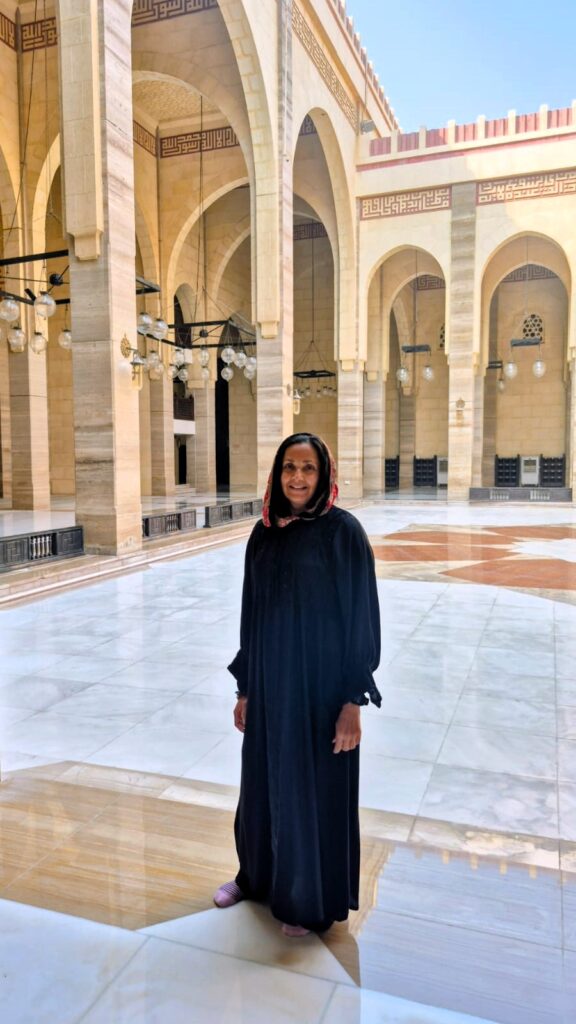
The mosque has a serene, open courtyard and a distinct modern-Islamic architectural style.
Next, we explored Bahrain Bay — a newer waterfront development with luxury residences, offices, and restaurants.
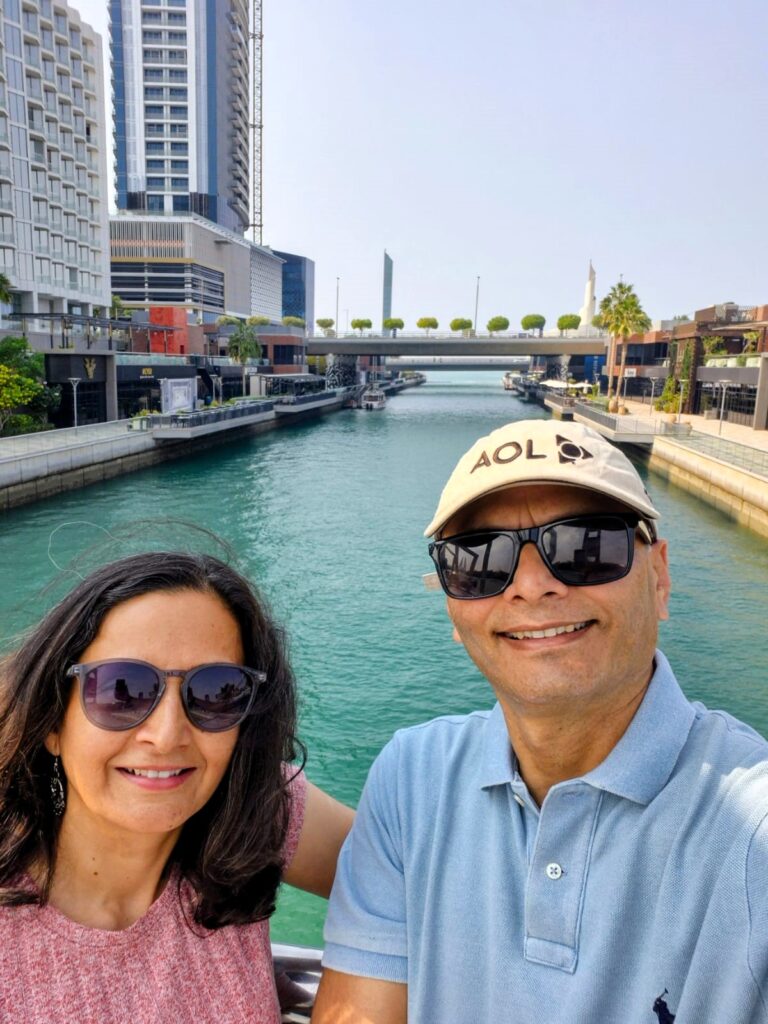
Bahrain bay is a nice area to hang out.
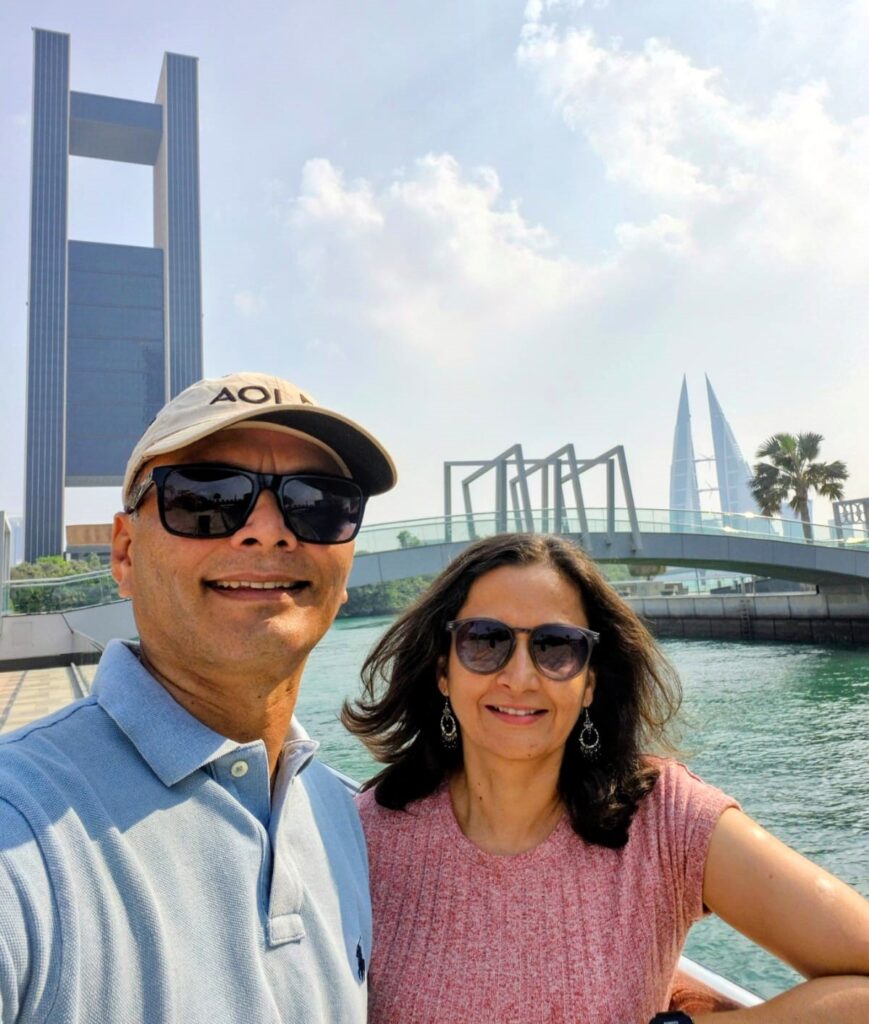
We went in the afternoon, but could easily imagine it lively in the evenings, somewhat like Clarke’s Quay in Singapore with lights and dining by the water.
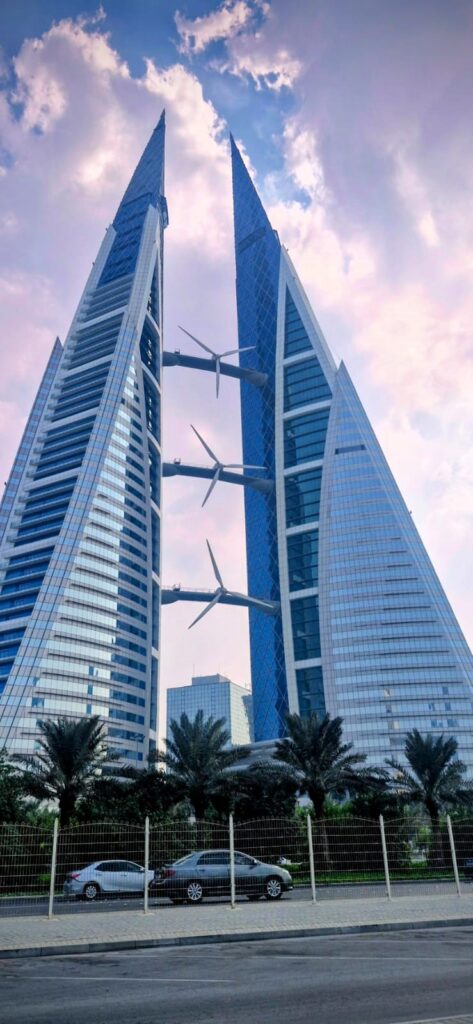
From there, we drove onto one of Bahrain’s most impressive infrastructures — the King Fahd Causeway.
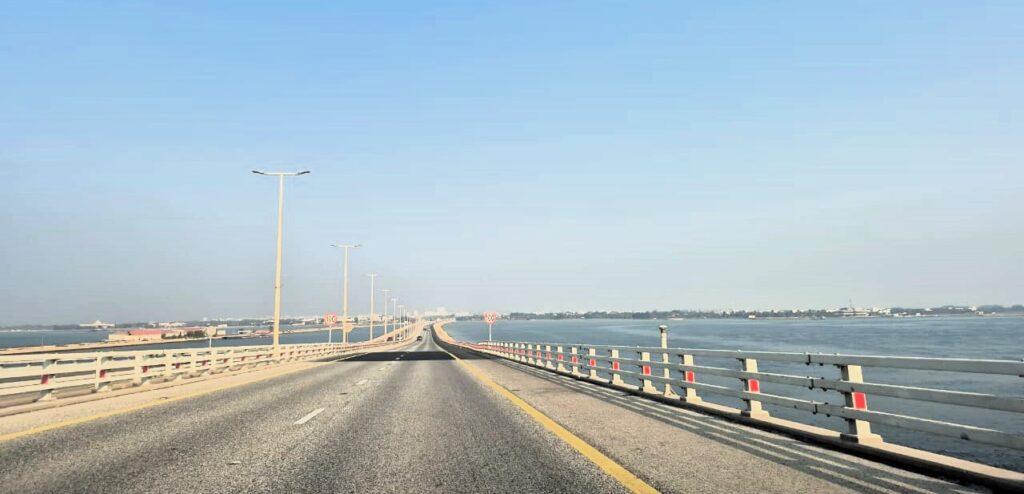
This 25 km bridge system connects Saudi Arabia to Bahrain and was opened in 1986. It is crucial for Bahrain as it links the island directly to the mainland, the Arabian Peninsula.
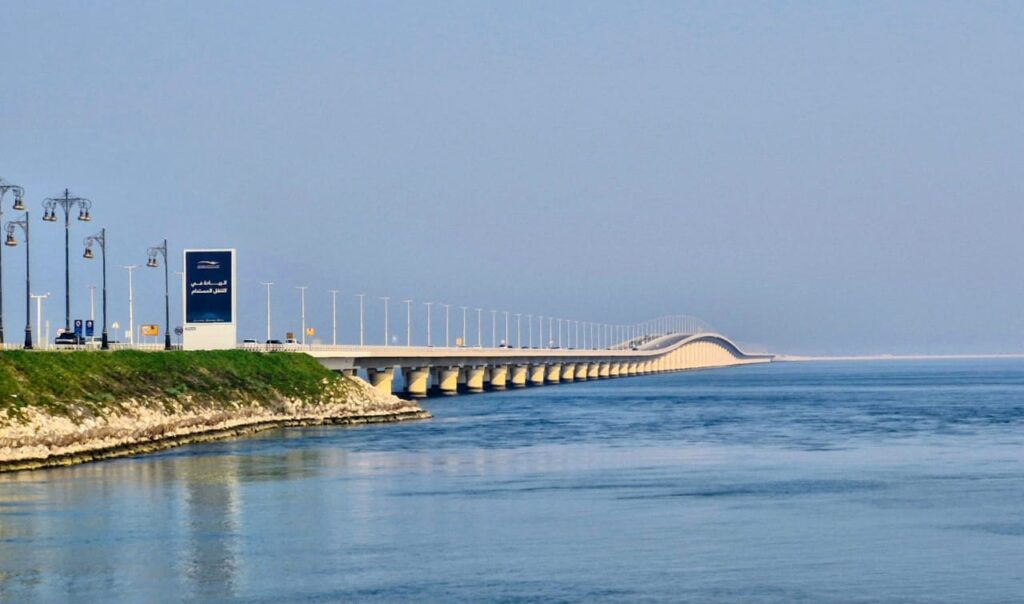
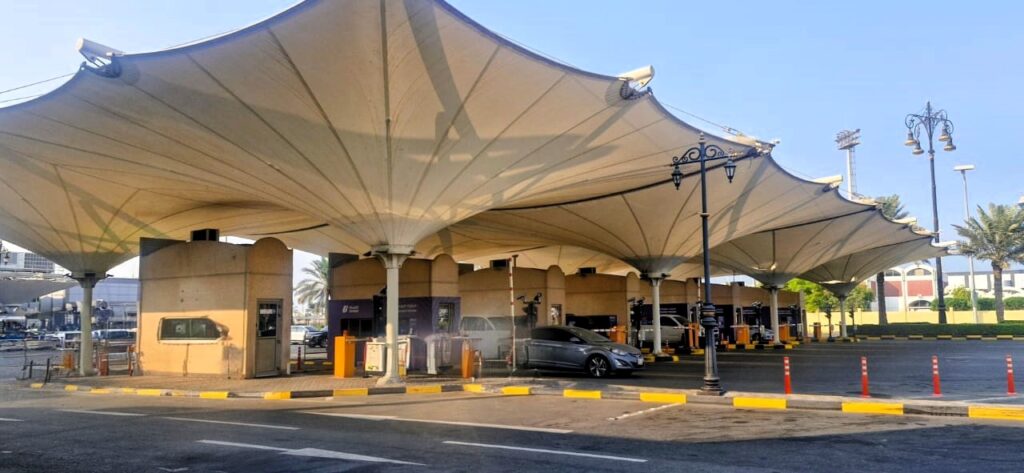
We saw the Saudi–Bahrain border with the immigration facilities clearly visible. Interestingly, there are McDonald’s outlets on both sides of the border.
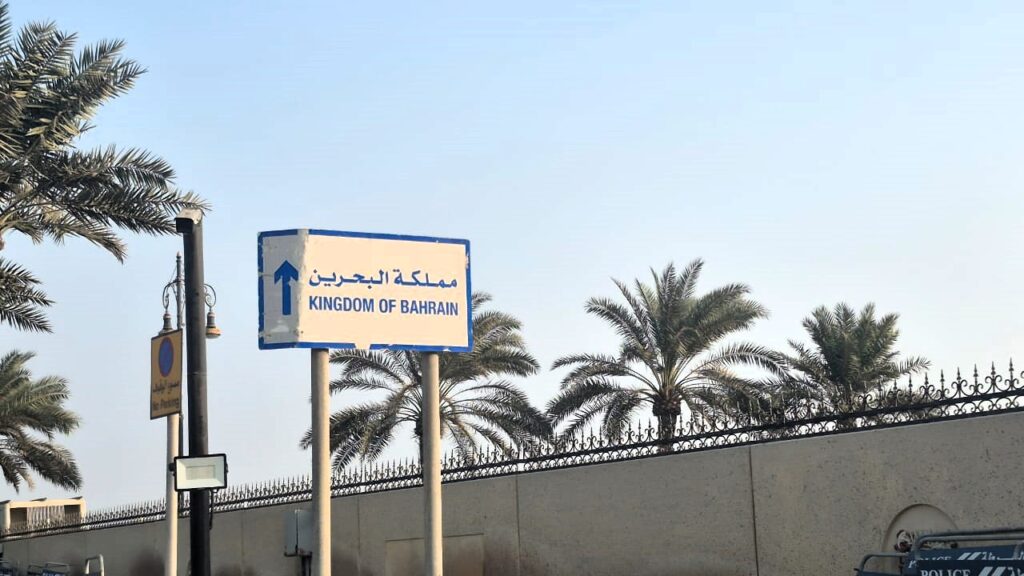
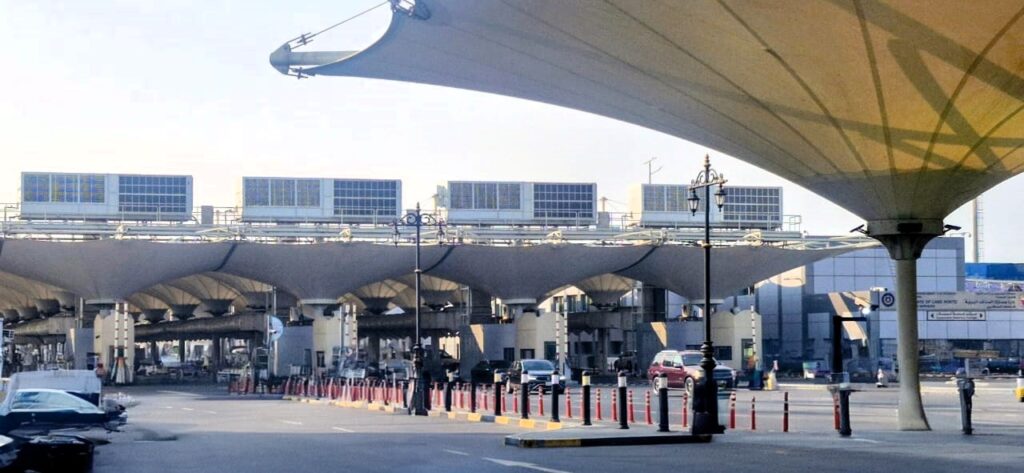
It was a unique experience driving right up to that point on the causeway.
Moving further, we passed the Dilmun burial mounds scattered across the landscape.
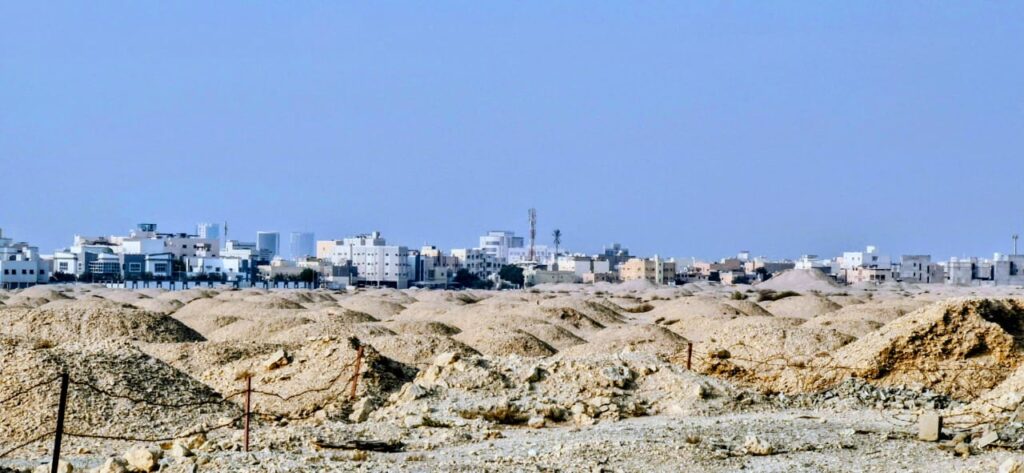
Bahrain was once home to the Dilmun civilization (around 2000 BCE), and these burial sites are believed to form one of the largest ancient cemeteries in the world.
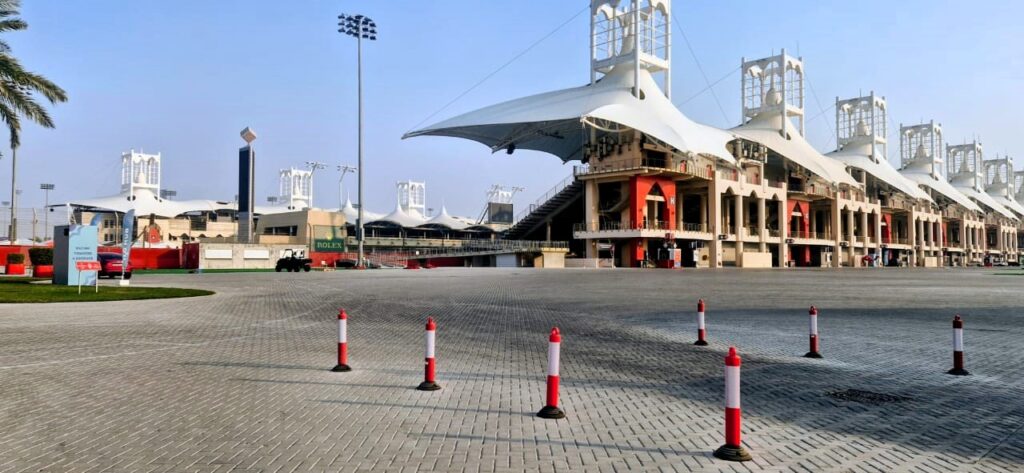
Our next stop was the Bahrain International Circuit, home to the Formula 1 Bahrain Grand Prix.
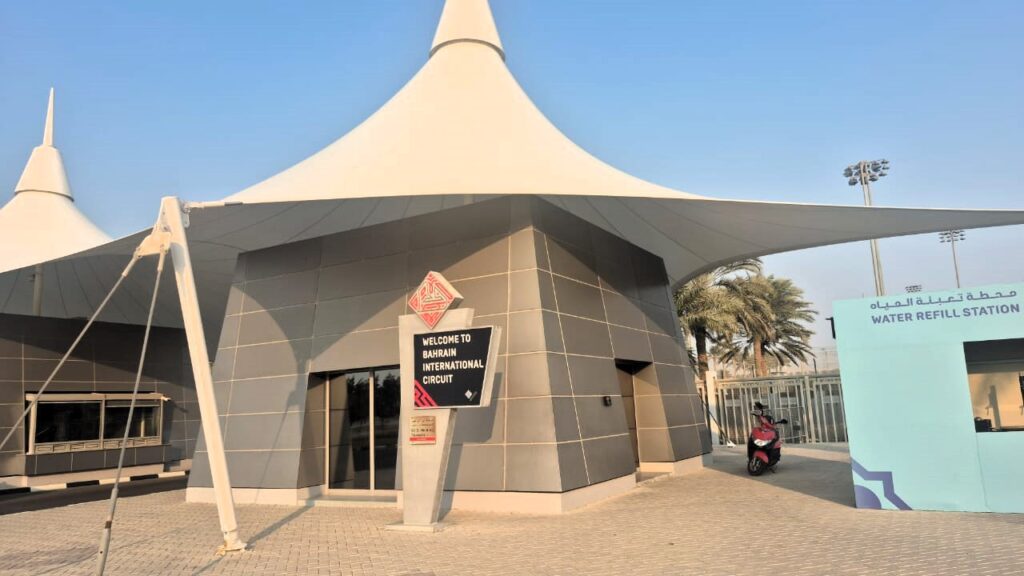
We even got lucky — a few cars were practicing on the track, racing past at incredible speeds.
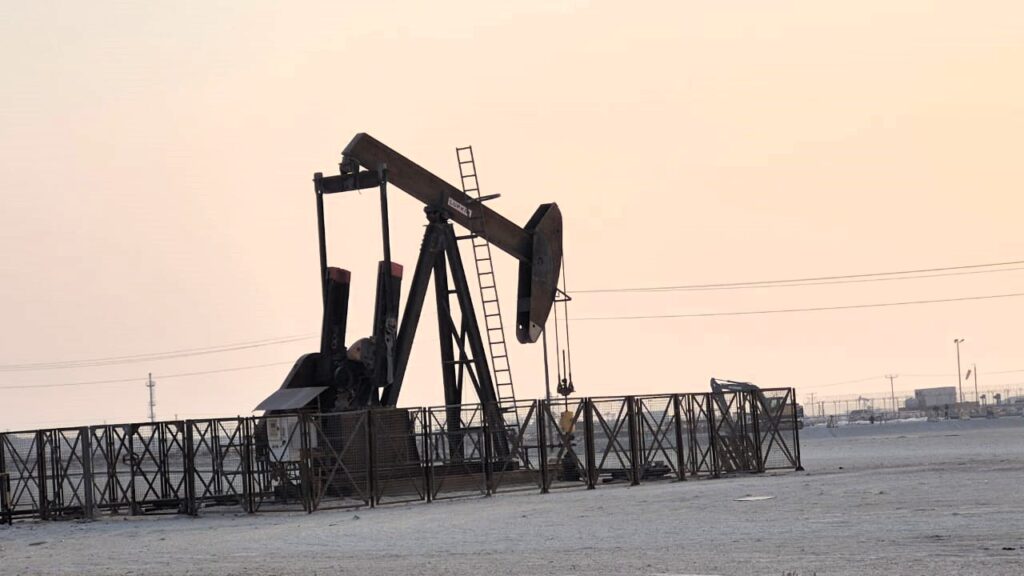
Soon after, the scenery changed dramatically as we entered Bahrain’s oil-industry region — pipelines, refineries, and oil rigs stretching into the desert.
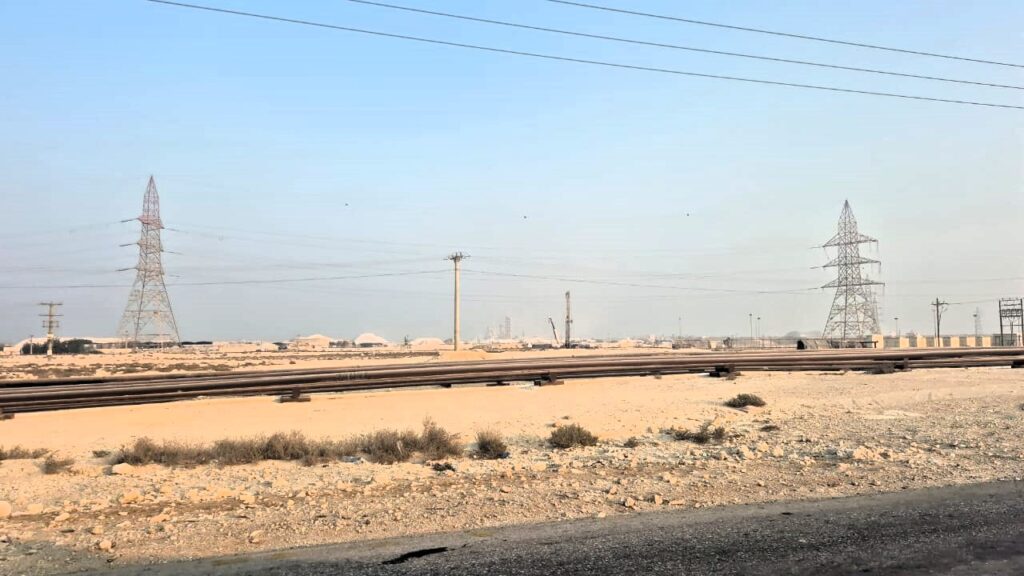
Even though I had heard of such views in the Gulf, seeing it in person was quite fascinating.
We continued driving about 45 km south to reach the famous Tree of Life — nearly 400 years old and still standing in the barren desert with no visible water source.
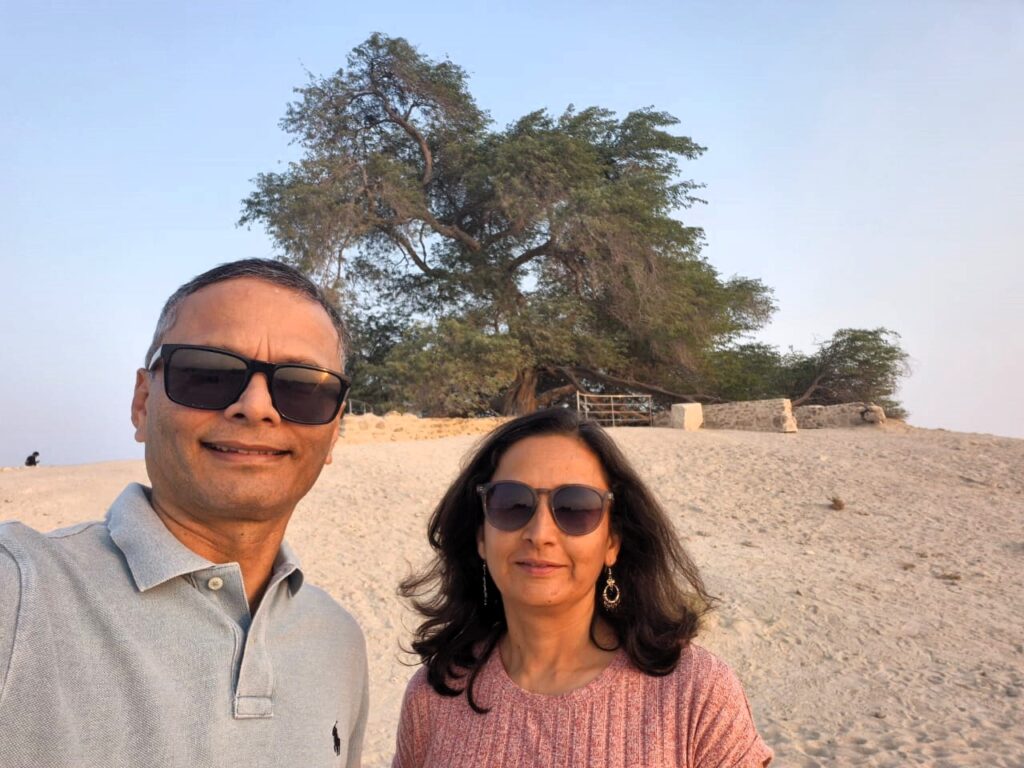
Possible explanations:
• Roots as deep as 50 meters reaching groundwater
• The tree is extracting moisture from the sand
• A mystical biblical connection — some believe the area was once part of the Garden of Eden
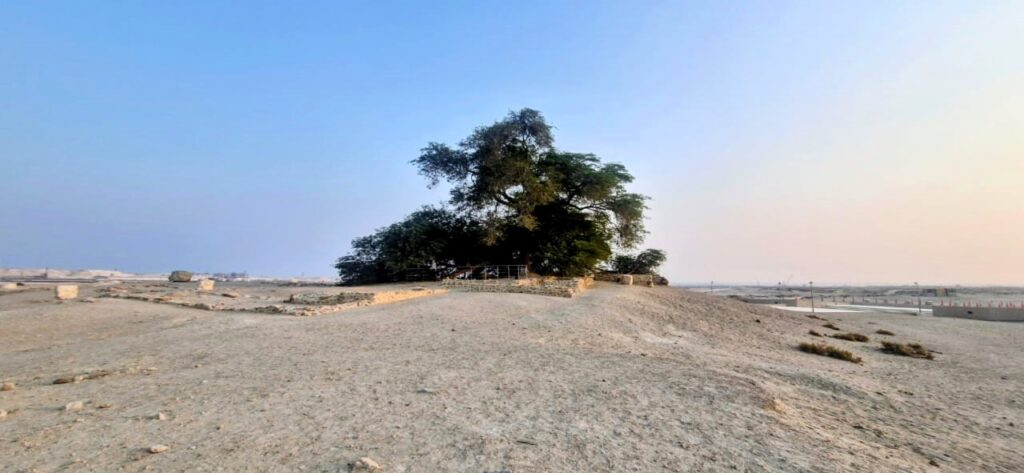
To be honest, the visit felt a little hyped, but worth seeing once.
Our final stop was the Avenues Mall — yes, the same chain as Kuwait — huge, modern, with themed districts.
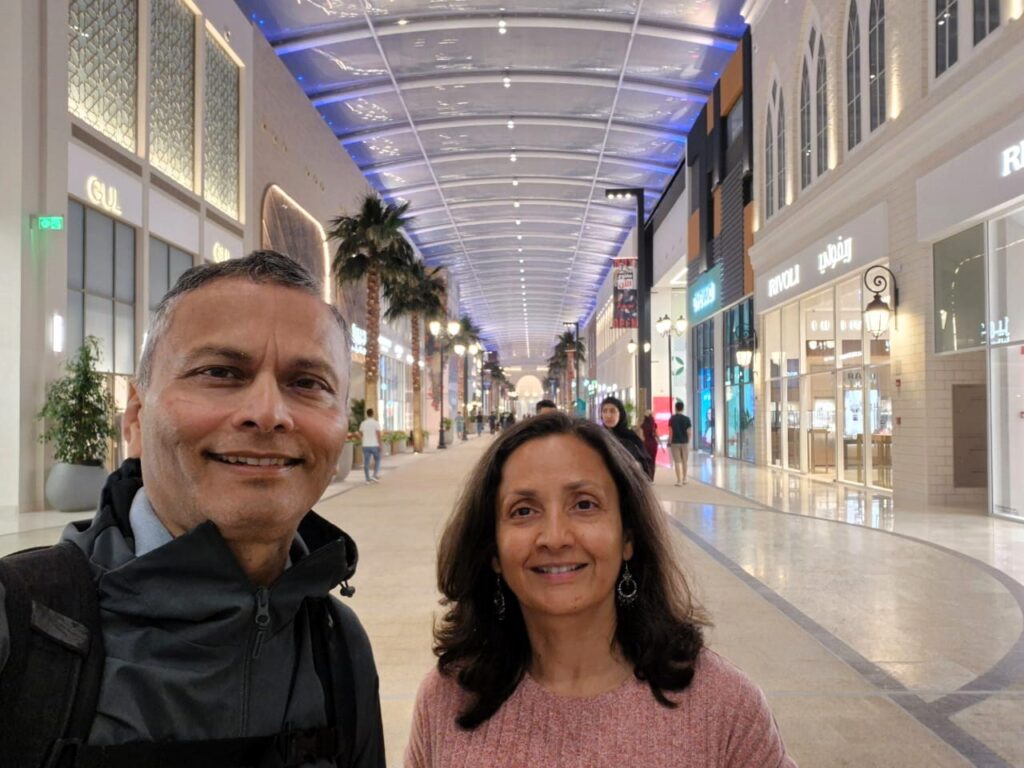
We picked up a few items and grabbed a simple fruit/vegetarian meal at Lulu Hypermarket, a very clean and well-stocked supermarket popular in the Middle East.
After a long but enjoyable day, we returned to the Hilton at 8 pm, then headed to Bahrain Airport by 9 pm for our IndiGo flight at 11:40 pm back to Mumbai.
Bahrain is a small but very modern country. The cultural codes were the most relaxed here compared to Saudi and Kuwait. Here is a quick summary of our observations about Bahrain.
Observations about Bahrain
- Bahrain is an archipelago of small islands with one larger main island, connected to Saudi Arabia by the 25 km King Fahd Causeway.
- 1 BHD = 2.65 USD. Bahraini dinar also follows 1 dinar = 1000 fils.
- Bahrain looked very modern, and the airport is extremely classy.
- Dress restrictions are minimal — many women wear half sleeves, tank tops, and shorts without issues.
- Most religious tolerance among the three — non-Muslims are allowed guided tours inside the Grand Mosque.
- Oil was discovered in 1932. Before that, fishing and pearl trading were the main sources of income. Bahrain still depends heavily on Saudi Arabia economically.
- A taxi driver earns about 400 BHD, rent is around 150 BHD, and a good apartment costs 500 BHD rent or around 60,000 BHD to purchase.
- Food is inexpensive — dosa + idli cost roughly ₹300. Petrol is around ₹40 per litre. Cars are reasonably priced — a Toyota Camry costs ~10,000 BHD.
- Our driver, Raj Bhatia (Delhi) migrated to Bahrain in 1990 and has lived there for 35 years. He has to renew his work visa every year. GCC countries do not give passports to foreigners, regardless of how long they stay.
- Large Kerala community in Bahrain.
- Of the three countries, Bahrain felt like the most comfortable place for Indians to live, but Saudi is the land of opportunity right now because the country is opening up aggressively.
- Across the entire trip to Saudi, Kuwait, and Bahrain, we did not withdraw cash even once — credit cards are accepted everywhere, even for the smallest amounts.
It was a short but very interesting trip to the Arabian Gulf — from Saudi Arabia to Kuwait and Bahrain — a great cultural and travel experience.